The Shift Toward LED in Commercial and Industrial Lighting
LED technology has transformed how lighting contractors approach both signage and general illumination. Unlike traditional incandescent or fluorescent options, LEDs offer a combination of energy efficiency, durability, and design flexibility that is hard to match. For contractors, this means fewer callbacks, easier installations, and more satisfied clients.
Energy consumption is a primary concern for many businesses. LEDs use significantly less power than older lighting technologies, often reducing energy costs by 50% or more. This efficiency doesn’t just benefit the end user; it also aligns with growing regulations and sustainability goals that many commercial clients prioritize. Installing LED systems can help businesses meet energy codes and earn green building certifications, making these solutions increasingly attractive. Furthermore, as energy prices continue to rise, the long-term savings associated with LED installations become even more compelling, allowing businesses to allocate resources to other critical areas of operation.
Durability is another major advantage. LEDs are solid-state devices, meaning they are less prone to damage from vibrations or shocks. This makes them ideal for outdoor signage and industrial environments where traditional bulbs might fail prematurely. For contractors, this translates into longer-lasting installations and reduced maintenance calls. Additionally, the lifespan of LEDs can exceed 25,000 hours, significantly outpacing that of incandescent and fluorescent bulbs, which means fewer replacements and less waste in landfills. This longevity not only enhances the reliability of lighting systems but also contributes to a more sustainable approach to lighting design.
Moreover, the versatility of LED technology allows for innovative applications that were previously difficult or impossible with older lighting systems. From dynamic color-changing displays in retail environments to smart lighting solutions that can be controlled remotely, the possibilities are expanding rapidly. This adaptability enables contractors to offer customized solutions tailored to the unique needs of each client, enhancing the overall aesthetic appeal and functionality of commercial spaces. As the demand for smart buildings increases, integrating LED systems with IoT technology can further optimize energy use and improve user experiences, making LEDs a cornerstone of modern lighting design.
LED Signs: Enhancing Visibility and Brand Impact
Dynamic Displays and Customization
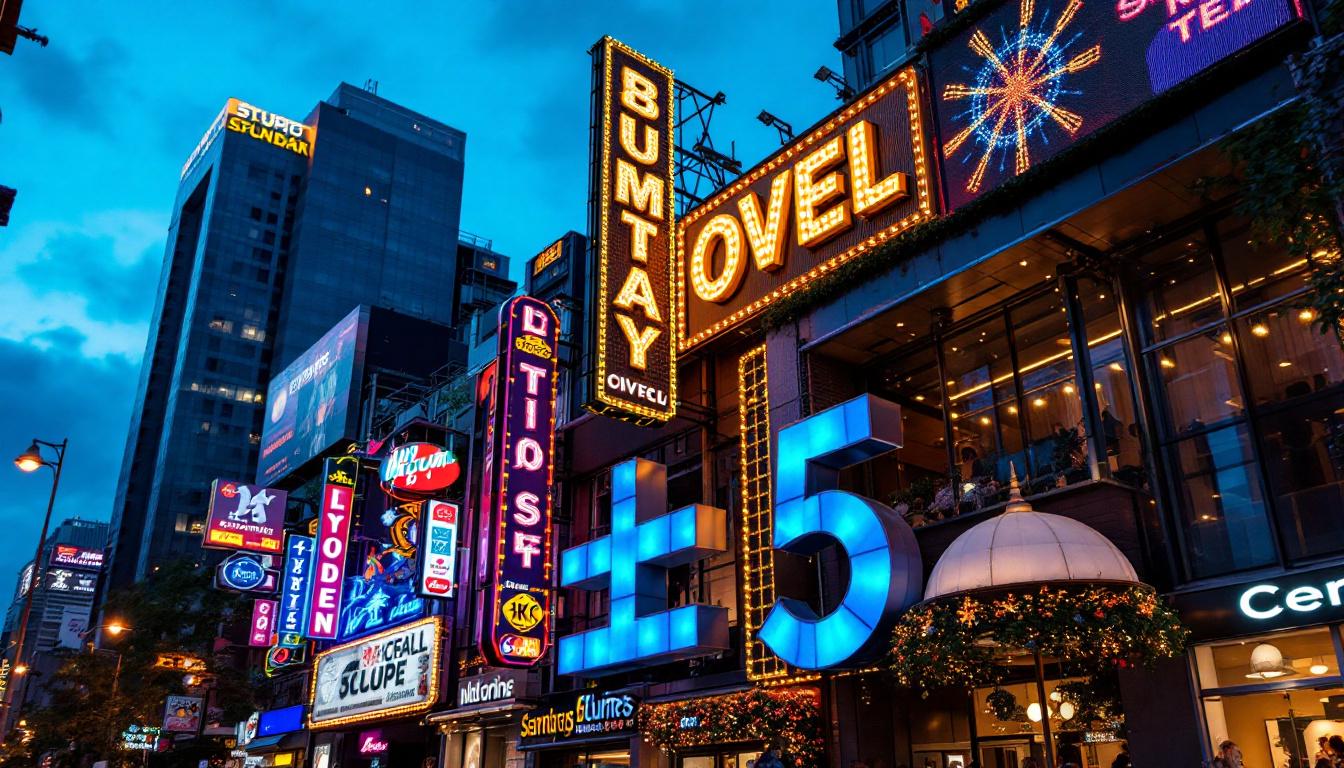
LED signs have revolutionized how businesses communicate with their customers. Unlike static signs, LED displays can change messages instantly, allowing businesses to promote different products, announce events, or display real-time information. This adaptability is a game-changer for retailers, restaurants, and service providers looking to capture attention and drive foot traffic. The ability to update content remotely via a smartphone or computer adds another layer of convenience, enabling businesses to respond to trends or customer needs almost instantaneously. For instance, a restaurant can showcase daily specials or limited-time offers, enticing potential diners as they pass by.
Customizability extends beyond just content. LED signs come in various shapes, sizes, and color options. Full-color LED displays enable vibrant graphics and animations that can be tailored to match brand identity perfectly. For lighting contractors, this means offering clients a product that not only serves a practical purpose but also enhances their marketing efforts. Furthermore, businesses can incorporate interactive elements, such as touch screens or QR codes, which encourage customer engagement and drive traffic to websites or social media platforms. This level of personalization ensures that each sign can be uniquely crafted to resonate with the target audience, making a lasting impression.
Energy Efficiency Meets High Visibility
One of the challenges with traditional illuminated signs has been balancing brightness with energy consumption. LEDs solve this problem by delivering high luminosity with minimal power draw. This allows signs to remain bright and legible even in direct sunlight, which is critical for outdoor applications. The result is a sign that performs well day and night without inflating energy bills. Additionally, the longevity of LED technology means that businesses can enjoy years of service without frequent replacements, further enhancing cost-effectiveness.
Moreover, the environmental benefits of LED signs cannot be overlooked. With lower energy consumption, businesses contribute to reduced carbon footprints, aligning with the growing consumer preference for sustainable practices. Many municipalities are also offering incentives for businesses that switch to energy-efficient signage, making the transition not only environmentally responsible but also financially advantageous. As more companies recognize the dual benefits of visibility and sustainability, LED signs are becoming a staple in the modern marketing toolkit, paving the way for innovative advertising strategies that prioritize both performance and responsibility.
Integration of LED Lighting in Architectural and Landscape Projects
Lighting contractors are increasingly incorporating LED solutions into architectural and landscape lighting projects. LEDs offer precise control over color temperature and beam angle, enabling designers to highlight building features or create mood lighting with unparalleled accuracy.
Architectural lighting benefits from the compact size of LEDs, which can be discreetly embedded into structures or fixtures. This allows for clean, modern aesthetics without bulky hardware. Additionally, the long lifespan of LEDs reduces the frequency of replacements in hard-to-access locations, saving time and labor costs. Furthermore, the energy efficiency of LED lighting contributes to sustainable building practices, as they consume significantly less power than traditional incandescent or fluorescent bulbs. This not only lowers energy bills but also minimizes the carbon footprint of a project, aligning with the growing demand for eco-friendly design solutions.
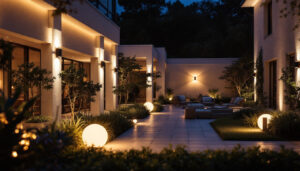
In landscape lighting, LEDs provide vibrant colors and adjustable intensities that can transform outdoor spaces. From pathway illumination to accent lighting on trees and water features, LEDs offer versatility that traditional lighting simply cannot match. Their low heat emission also makes them safer for plants and reduces fire risks. Moreover, the ability to integrate smart technology with LED systems allows for dynamic lighting scenarios that can change based on time of day or specific events. For instance, landscape lighting can be programmed to shift colors during holidays or special occasions, creating an immersive experience for visitors and enhancing the overall ambiance of outdoor environments.
Additionally, the durability of LED fixtures is particularly beneficial in landscape applications, where exposure to the elements can take a toll on traditional lighting systems. Many LED products are designed with weather-resistant features, ensuring longevity and reliability even in harsh conditions. This resilience not only extends the lifespan of the lighting installations but also enhances the safety and usability of outdoor spaces, allowing for extended enjoyment during evening hours. As technology continues to advance, the integration of LEDs in both architectural and landscape projects promises to evolve further, offering even more innovative solutions for designers and clients alike.
Challenges and Considerations for Lighting Contractors
Ensuring Proper Installation and Compatibility
While LEDs offer many advantages, they require careful installation to maximize their benefits. Lighting contractors must ensure compatibility with existing electrical systems and choose drivers and power supplies that match the LED specifications. Poor installation can lead to flickering, reduced lifespan, or suboptimal performance. Additionally, contractors must be well-versed in the various types of LED products available, as each has its own unique installation requirements and performance characteristics. For instance, some LEDs are designed for damp or wet locations, while others are optimized for dry environments. Understanding these distinctions is crucial for ensuring a successful installation that meets both safety standards and client expectations.
Heat management is another critical factor. Although LEDs generate less heat than traditional bulbs, they still produce some heat that must be dissipated to maintain efficiency and longevity. Proper fixture design and ventilation are essential to prevent overheating. This includes selecting appropriate materials that can withstand higher temperatures and ensuring that fixtures are installed in locations where airflow is not obstructed. Moreover, contractors should consider the thermal performance of the entire lighting system, including how the placement of fixtures can affect heat distribution. By addressing these technical aspects, contractors can significantly enhance the reliability and durability of their LED installations.
Addressing Client Expectations and Education
Clients may have misconceptions about LED lighting, such as concerns about color quality or initial costs. Contractors play a vital role in educating clients about the long-term savings and performance benefits. Demonstrating real-world examples and providing detailed comparisons can help clients make informed decisions. For instance, showcasing a side-by-side comparison of energy consumption and lifespan between traditional incandescent bulbs and LEDs can illustrate the substantial savings over time. Additionally, contractors can highlight advancements in LED technology that have improved color rendering and dimming capabilities, addressing any aesthetic concerns clients may have.
Furthermore, it is essential for contractors to stay updated on the latest trends and innovations in LED technology. As the market evolves, new products with enhanced features, such as smart lighting solutions that integrate with home automation systems, are becoming increasingly popular. By being knowledgeable about these advancements, contractors can offer clients tailored solutions that not only meet their immediate lighting needs but also align with their preferences for energy efficiency and modern technology. This proactive approach not only builds trust but also positions contractors as valuable partners in their clients’ lighting projects.
Future Trends in LED Lighting and Signage
Smart lighting systems are becoming increasingly prevalent, integrating LEDs with sensors, controls, and IoT technology. This allows for adaptive lighting that responds to occupancy, daylight levels, or user preferences, further enhancing energy savings and user experience.
Advancements in LED materials and manufacturing continue to improve brightness, color rendering, and efficiency. Emerging technologies like micro-LEDs and flexible LED panels open new possibilities for creative signage and lighting designs that were previously unattainable.
For lighting contractors, staying current with these trends is essential to offering cutting-edge solutions that meet evolving client demands. Training and investment in new tools and knowledge will pay dividends as the market shifts toward smarter, more integrated lighting environments.
Conclusion: LED Lighting as a Cornerstone of Modern Solutions
LED signs and lighting have become indispensable tools for lighting contractors aiming to deliver efficient, durable, and visually striking solutions. Their energy efficiency, versatility, and longevity address many challenges faced in commercial, industrial, and architectural projects.
Understanding the nuances of LED technology, from installation to client education, empowers contractors to maximize the benefits for their customers. As technology continues to advance, LEDs will remain at the forefront of lighting innovation, shaping the future of how spaces are illuminated and how brands communicate through light.
Illuminate Your Projects with LumenWholesale
Ready to elevate your lighting solutions with the efficiency, durability, and design flexibility of LED technology? Look no further than LumenWholesale, where we provide contractors with top-quality, spec-grade lighting products at unbeatable wholesale prices. Our extensive selection not only meets but exceeds industry standards, ensuring you deliver reliable, high-performance lighting for every project. With free shipping on bulk orders, you can access premium lighting at the best value — without hidden fees or compromises. Don’t let inflated markups dim your project’s potential. Experience the perfect blend of quality, affordability, and convenience at LumenWholesale today.