Understanding the Advantages of 2 Ft LED Shop Lights
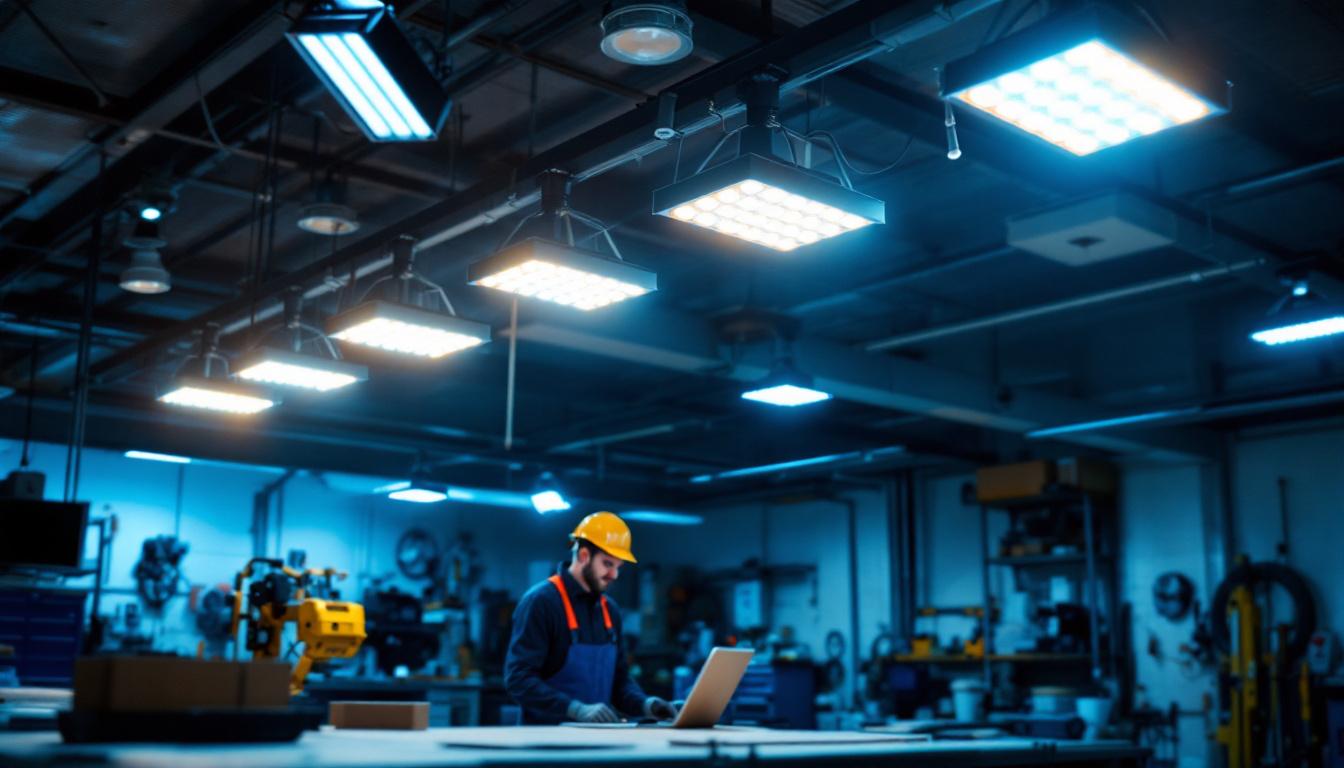
For lighting contractors, selecting the right fixtures for commercial and industrial spaces is crucial. Among the many options available, 2 ft LED shop lights have emerged as a popular choice due to their compact size and energy efficiency. These fixtures are designed to provide bright, uniform illumination in workshops, garages, warehouses, and retail environments where space and lighting quality are paramount.
One of the primary benefits of 2 ft LED shop lights is their energy efficiency. Compared to traditional fluorescent or incandescent shop lights, LEDs consume significantly less power while delivering equivalent or superior brightness. This translates into lower electricity bills for clients and a smaller carbon footprint, aligning with growing sustainability goals across industries.
Moreover, 2 ft LED shop lights offer longevity and durability. With lifespans often exceeding 50,000 hours, they reduce the frequency of replacements and maintenance costs. Their solid-state construction also makes them resistant to shocks and vibrations, an important consideration in busy workshop environments where equipment and tools may cause physical impacts.
Compact Size Meets Versatility
The 2 ft length of these LED shop lights makes them highly versatile. They fit well in confined spaces where longer fixtures might be impractical. Contractors appreciate how these lights can be installed in rows or clusters to provide tailored lighting solutions, enhancing visibility without overwhelming the space.
Additionally, their slim profile allows for mounting in various configurations—surface-mounted, suspended, or recessed—offering flexibility to meet different project requirements. This adaptability is especially valuable in retrofit projects where existing infrastructure limits fixture size or placement. The ability to easily integrate these lights into various environments not only improves functionality but also allows for creative lighting designs that can enhance the aesthetic appeal of a space.
Furthermore, many 2 ft LED shop lights come equipped with features such as motion sensors and dimming capabilities, making them even more efficient and user-friendly. Motion sensors can help reduce energy consumption by ensuring lights are only on when needed, while dimming options allow for customizable brightness levels based on the task at hand. This level of control can significantly enhance the user experience in environments such as retail spaces, where lighting needs may change throughout the day. As a result, these fixtures not only illuminate but also contribute to a more dynamic and adaptable workspace.
Key Specifications and Features for Contractors
When advising clients or selecting LED shop lights, contractors must consider several technical specifications and features to ensure optimal performance and compliance with lighting standards.
Luminous Output and Color Temperature
Luminous output, measured in lumens, indicates the brightness of the fixture. For 2 ft LED shop lights, typical outputs range from 2,000 to 4,000 lumens, adequate for task lighting and general illumination in workspaces.
Color temperature is another critical factor. Most LED shop lights come in options from 4000K (neutral white) to 5000K (daylight), which provide clear, crisp lighting conducive to detailed work. Selecting the right color temperature helps reduce eye strain and improves overall productivity.
Energy Consumption and Efficiency Ratings
Energy consumption is often expressed in watts. A 2 ft LED shop light might consume between 20 to 40 watts, significantly less than fluorescent counterparts that can require upwards of 60 watts for similar brightness. Contractors should look for fixtures with high efficacy ratings—lumens per watt—to maximize energy savings.
Additionally, many LED shop lights carry certifications such as ENERGY STAR or DLC (DesignLights Consortium), which verify their efficiency and quality. Specifying certified products can reassure clients of long-term value and eligibility for utility rebates.
Durability and Environmental Ratings
Shop lights often operate in environments exposed to dust, moisture, or temperature fluctuations. Therefore, IP (Ingress Protection) ratings are essential to consider. For instance, an IP65 rating indicates the fixture is dust-tight and protected against water jets, suitable for harsher workshop conditions.
Contractors should also evaluate the fixture’s operating temperature range to ensure reliable performance in colder or hotter environments. Robust construction materials and impact-resistant lenses further enhance durability.
Installation Best Practices for Optimal Performance
Proper installation is key to maximizing the benefits of 2 ft LED shop lights. Lighting contractors must adhere to best practices to ensure safety, efficiency, and client satisfaction.
Assessing the Space and Lighting Needs
Before installation, conduct a thorough assessment of the space, including measurements, ceiling height, and existing electrical infrastructure. Understanding the tasks performed in the area helps determine the required lighting levels and fixture placement.
Using lighting design software or photometric analysis can assist in planning fixture layout to achieve uniform illumination and minimize shadows or glare. This proactive approach reduces the need for costly adjustments after installation.
Wiring and Mounting Considerations
LED shop lights typically operate on standard line voltage (120-277V), but verifying compatibility with the site’s electrical system is essential. Contractors should follow local electrical codes and manufacturer instructions to ensure safe wiring practices.
Mounting options vary depending on the fixture design and project requirements. Surface mounting is straightforward for ceilings with sufficient clearance, while suspension using chains or cables is effective for higher ceilings or when adjustable height is desired. Recessed mounting requires coordination with ceiling systems and may involve additional hardware.
Integration with Controls and Automation
Modern LED shop lights often support integration with lighting controls such as dimmers, occupancy sensors, and daylight harvesting systems. Incorporating these controls enhances energy savings and extends fixture lifespan by reducing unnecessary operation.
Contractors should verify compatibility between the LED fixtures and control devices, as not all LEDs are dimmable or sensor-compatible. Proper integration also involves configuring control settings to match the space usage patterns.
Common Challenges and Solutions in LED Shop Light Projects
While 2 ft LED shop lights offer many advantages, contractors may encounter challenges during specification, installation, or maintenance phases. Understanding these issues and their solutions helps ensure successful outcomes.
Addressing Flicker and Light Quality Issues
Some LED fixtures may exhibit flickering or inconsistent light output, which can cause discomfort or headaches for occupants. This problem often stems from poor-quality drivers or incompatible dimming controls.
To mitigate flicker, contractors should select fixtures from reputable manufacturers with high-quality electronic components. Testing samples before full installation can identify potential issues early. Additionally, ensuring that dimmers and sensors are designed for LED compatibility is critical.
Managing Heat Dissipation
Although LEDs generate less heat than traditional lighting, they still produce some thermal energy that must be managed to maintain performance and longevity. Inadequate heat dissipation can lead to premature fixture failure.
Contractors should verify that fixtures include proper heat sinks and are installed in environments with sufficient airflow. Avoiding enclosed or poorly ventilated spaces without appropriate thermal management is advisable.
Ensuring Uniform Illumination in Large Spaces
Achieving consistent lighting across expansive workshops or retail floors can be challenging with smaller 2 ft fixtures alone. Uneven light distribution can create shadows or dark spots, impacting safety and productivity.
To address this, contractors can combine 2 ft LED shop lights with other lighting types or increase fixture density. Employing lighting design tools to simulate layouts helps optimize fixture placement and spacing for uniform coverage.
Cost Considerations and Client ROI
Lighting contractors must balance upfront costs with long-term savings when recommending 2 ft LED shop lights to clients. While LED fixtures may have a higher initial price compared to fluorescent alternatives, their energy efficiency and durability offer compelling return on investment (ROI).
Calculating Energy Savings
Energy savings are a primary driver for clients considering LED upgrades. By comparing wattage and operating hours, contractors can estimate annual electricity cost reductions. For example, replacing a 60-watt fluorescent fixture with a 30-watt LED running 10 hours daily can halve energy consumption.
Over the lifespan of the LED fixture, these savings accumulate substantially, often offsetting the initial investment within a few years. Presenting clear, data-driven ROI calculations helps clients make informed decisions.
Maintenance and Replacement Cost Benefits
LED shop lights’ extended lifespans reduce maintenance frequency and associated labor costs. This is particularly valuable in commercial settings where fixture replacement involves downtime or specialized equipment such as lifts.
Contractors should highlight these benefits alongside energy savings to provide a comprehensive cost analysis. Offering warranties and post-installation support further builds client confidence.
Incentives and Rebates
Many utility companies and government programs offer incentives or rebates for installing energy-efficient lighting. Contractors can assist clients in identifying and applying for these programs, which can significantly lower project costs.
Staying current with available incentives and understanding application requirements enhances the contractor’s value proposition and supports client satisfaction.
Conclusion: Why 2 Ft LED Shop Lights Are a Smart Choice for Contractors
For lighting contractors, 2 ft LED shop lights represent a versatile, efficient, and durable solution for a wide range of commercial and industrial applications. Their compact size and flexible installation options allow for tailored lighting designs that improve visibility and safety in workspaces.
By carefully considering specifications such as luminous output, color temperature, energy efficiency, and environmental ratings, contractors can select fixtures that meet client needs and comply with industry standards. Adhering to best installation practices and addressing common challenges ensures optimal performance and client satisfaction.
Ultimately, the combination of energy savings, reduced maintenance costs, and potential incentives makes 2 ft LED shop lights a compelling investment for clients. Lighting contractors who master these products and their applications position themselves as trusted advisors in the evolving landscape of commercial lighting solutions.
Get Your Premium 2 Ft LED Shop Lights at LumenWholesale
Ready to elevate your lighting projects with the best 2 ft LED shop lights on the market? Look no further than LumenWholesale, where we provide contractors with high-quality, specification-grade lighting solutions at unbeatable wholesale prices. Say goodbye to local distributor markups and hello to our extensive selection that meets the highest industry standards. With LumenWholesale, you’ll enjoy the convenience of bulk buying with free shipping, ensuring you get the premium lighting you need at the best value — all without hidden fees or compromises. Make the smart choice for your lighting needs and experience the perfect blend of quality, affordability, and convenience today!