As the demand for energy-efficient lighting solutions continues to rise, many lighting contractors are faced with the challenge of replacing outdated fluorescent fixtures with modern LED alternatives. The transition from fluorescent to LED technology not only enhances energy efficiency but also improves the quality of light in various settings. This guide aims to equip lighting contractors with the essential knowledge and considerations for selecting the right LED replacements for fluorescent fixtures.
Understanding LED Technology
What is LED Lighting?
Light Emitting Diode (LED) technology has revolutionized the lighting industry by providing a more efficient and longer-lasting alternative to traditional incandescent and fluorescent bulbs. LEDs convert electricity directly into light through a semiconductor, which results in minimal heat generation and significantly lower energy consumption.
One of the most appealing aspects of LED lighting is its longevity. Unlike fluorescent bulbs, which typically last around 10,000 hours, LED fixtures can last anywhere from 25,000 to 50,000 hours or more. This extended lifespan not only reduces the frequency of replacements but also lowers maintenance costs for clients. Moreover, the durability of LEDs makes them ideal for a variety of applications, from residential to commercial settings. They are less prone to breakage compared to fragile incandescent and fluorescent bulbs, which can shatter easily, thus providing a safer lighting solution in high-traffic areas.
Benefits of LED Over Fluorescent
When considering replacements for fluorescent fixtures, it is crucial to understand the myriad benefits that LEDs offer. Firstly, LEDs provide superior energy efficiency, consuming up to 80% less energy than traditional fluorescent bulbs. This reduction in energy usage leads to significant cost savings on electricity bills. Furthermore, the efficiency of LEDs means they generate less heat, which can contribute to a cooler environment, especially in spaces where lighting is used extensively, such as offices or retail stores.
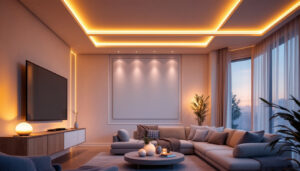
Additionally, LED lighting produces a higher quality of light, with improved color rendering and brightness. This can enhance the aesthetic appeal of a space while also providing better visibility and safety. The ability to choose from a wide range of color temperatures allows users to create the desired ambiance, whether it’s a warm, inviting glow for a home or a bright, energizing light for a workspace. Furthermore, LEDs are free from harmful substances like mercury, making them a safer choice for both the environment and human health. Their long lifespan and energy efficiency also contribute to a reduced carbon footprint, aligning with sustainability goals that many businesses and homeowners are increasingly prioritizing.
Key Considerations for Choosing LED Replacements
Compatibility with Existing Fixtures
Before selecting LED replacements, it is essential to assess the compatibility of the existing fluorescent fixtures. Some LED products are designed to work with existing ballasts, while others may require a complete fixture replacement. Understanding the specific requirements of each option can help avoid unnecessary complications during installation.
Contractors should also consider the physical dimensions of the LED replacements. Ensuring that the new LED fixtures fit seamlessly into the existing space will prevent potential issues with installation and aesthetics. Additionally, the weight of the new fixtures should be evaluated, as some LED options may be lighter or heavier than their fluorescent counterparts, which could affect the mounting and support structures.
Light Output and Color Temperature
When replacing fluorescent fixtures, contractors must pay close attention to the light output, measured in lumens. It is essential to choose LED replacements that provide a similar or improved lumen output compared to the original fluorescent bulbs. This ensures that the lighting remains effective and meets the needs of the space.
Color temperature is another critical factor to consider. Measured in Kelvin (K), color temperature affects the ambiance of a space. For instance, warmer temperatures (2700K-3000K) create a cozy atmosphere, while cooler temperatures (4000K-5000K) provide a more clinical or energetic feel. Choosing the right color temperature can significantly impact the overall experience of the occupants. Furthermore, it’s worth noting that some LED products offer adjustable color temperatures, allowing users to customize the lighting to suit different activities or times of day, enhancing versatility in various environments.
Another aspect to consider is the color rendering index (CRI), which measures how accurately a light source displays colors in comparison to natural light. A higher CRI value (above 80) is preferable for spaces where color accuracy is important, such as art studios or retail environments. This ensures that colors appear vibrant and true to life, which can be crucial for tasks requiring precise color differentiation.
Types of LED Replacement Options
Direct Replacement LED Bulbs
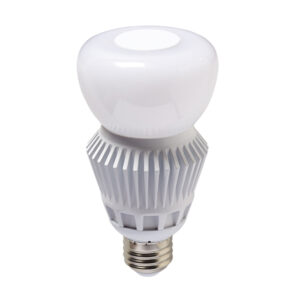
Direct replacement LED bulbs are designed to fit into existing fluorescent fixtures without requiring any modifications. These bulbs typically use the same base type as fluorescent bulbs (such as T8 or T12) and can be installed quickly and easily. This option is ideal for contractors seeking a straightforward solution that minimizes installation time.
However, it is essential to verify whether the existing ballast is compatible with the new LED bulbs. Some direct replacement options may still require the ballast to be functional, while others may operate as “ballast bypass” solutions, which eliminate the ballast altogether.
LED Retrofit Kits
For contractors looking to upgrade entire fixtures, LED retrofit kits offer a comprehensive solution. These kits typically include all necessary components, such as LED strips, drivers, and mounting hardware, allowing for a complete transformation of the existing fixture.
Retrofit kits can provide enhanced efficiency and performance compared to traditional fluorescent fixtures. They also allow for greater flexibility in design, enabling contractors to customize the lighting solution to better suit the specific needs of the space.
Integrated LED Fixtures
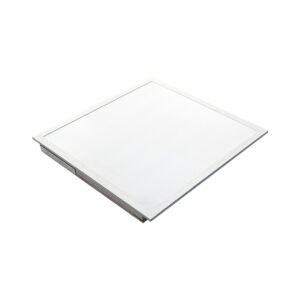
Integrated LED fixtures come with built-in LED technology, eliminating the need for separate bulbs. These fixtures are designed for optimal performance and energy efficiency, often providing better light distribution and quality than traditional fluorescent options.
While integrated fixtures may require a more significant upfront investment, their long-term benefits, including reduced maintenance and energy costs, can make them a worthwhile consideration for contractors and clients alike.
Evaluating Quality and Performance
Energy Efficiency Ratings
When selecting LED replacements, it is crucial to evaluate their energy efficiency ratings. Look for products that are ENERGY STAR certified, as this designation ensures that the fixtures meet strict efficiency and performance standards. ENERGY STAR products can help contractors and clients achieve significant energy savings over time.
Additionally, pay attention to the wattage of the LED replacements. A lower wattage generally indicates better energy efficiency, but it is essential to balance this with the desired lumen output to ensure adequate lighting levels.
Warranty and Lifespan
A reliable warranty is a strong indicator of product quality and manufacturer confidence. Many reputable LED manufacturers offer warranties ranging from 3 to 7 years, providing peace of mind for contractors and clients alike. A longer warranty often reflects a commitment to quality and durability.
Understanding the expected lifespan of the LED fixtures is also vital. While most LED products last significantly longer than fluorescent options, variations in quality can lead to discrepancies in performance. Selecting products from established manufacturers with a proven track record can help mitigate this risk.
Installation Considerations
Safety Protocols
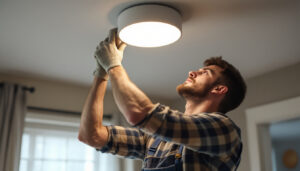
Safety should always be a top priority during installation. Contractors must adhere to local electrical codes and regulations when replacing fluorescent fixtures with LED options. This includes ensuring that all electrical connections are secure and that the fixtures are properly grounded.
Additionally, using appropriate personal protective equipment (PPE) is essential to safeguard against potential hazards during installation. This may include gloves, safety glasses, and hard hats, depending on the specific work environment.
Training and Support
As LED technology continues to evolve, ongoing training and support are crucial for lighting contractors. Staying informed about the latest advancements, installation techniques, and product offerings can enhance the quality of service provided to clients.
Many manufacturers offer training programs, webinars, and resources to help contractors stay up-to-date with the latest trends in LED technology. Taking advantage of these opportunities can lead to improved installation practices and customer satisfaction.
Cost Considerations
Initial Investment vs. Long-Term Savings
While the initial cost of LED replacements may be higher than that of traditional fluorescent fixtures, it is essential to consider the long-term savings associated with energy efficiency and reduced maintenance. Contractors should provide clients with a comprehensive cost analysis that outlines potential savings over time, including lower electricity bills and fewer replacements.
In many cases, the return on investment (ROI) for LED upgrades can be realized within a few years, making them a financially sound choice for clients looking to improve their lighting systems.
Incentives and Rebates
Many utility companies and government programs offer incentives and rebates for upgrading to energy-efficient lighting solutions. Contractors should be aware of these opportunities and inform clients about potential savings that may be available through local programs. This can further enhance the appeal of LED replacements and make the transition more financially accessible.
Conclusion
Transitioning from fluorescent fixtures to LED replacements presents an opportunity for lighting contractors to enhance energy efficiency, improve lighting quality, and provide clients with long-lasting solutions. By understanding the various types of LED options, evaluating quality and performance, and considering installation and cost factors, contractors can make informed decisions that benefit both their business and their clients.
As the lighting industry continues to evolve, staying informed about the latest advancements in LED technology will be crucial for contractors looking to remain competitive. By embracing these changes and providing clients with effective lighting solutions, contractors can contribute to a more sustainable and energy-efficient future.
Get Your LED Solutions at LumenWholesale
Ready to take the next step in upgrading your lighting projects with LED replacements? Look no further than LumenWholesale for all your lighting needs. Our commitment to quality and affordability ensures that you have access to the best spec-grade lighting products at wholesale prices. With LumenWholesale, you can confidently meet the highest industry standards while enjoying free shipping on bulk orders. Don’t let inflated markups affect your bottom line. Choose the smart way to shop for lighting—where quality meets convenience. Start experiencing the benefits of LED technology today by visiting Wholesale Lighting at the Best Value and elevate your lighting projects with LumenWholesale.