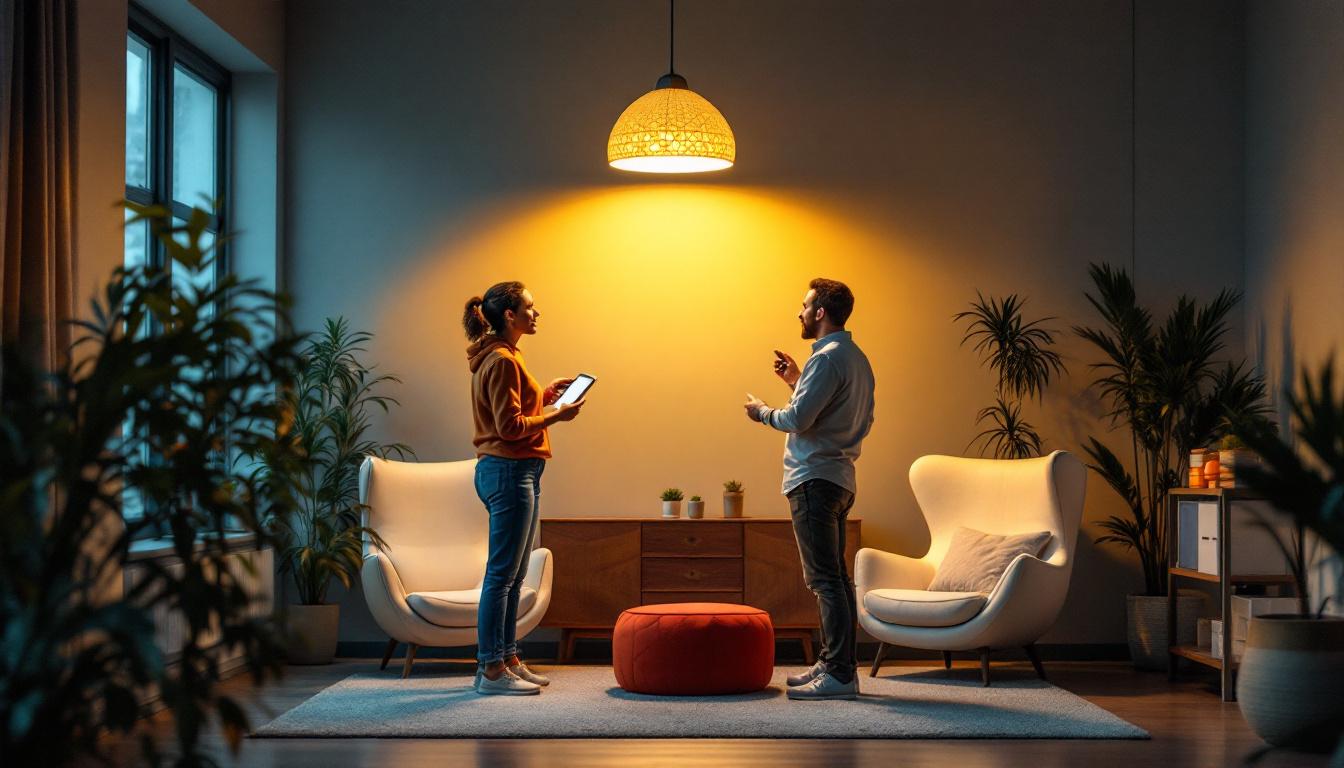
In the realm of interior lighting, LED lights have emerged as a transformative solution, particularly for small spaces. Their energy efficiency, longevity, and versatility make them a preferred choice among contractors. However, despite their advantages, many lighting contractors often fall into common pitfalls when designing and installing LED lighting in compact areas. Understanding these mistakes is crucial for optimizing both the aesthetic and functional qualities of a space.
Understanding the Unique Challenges of Small Spaces
Small spaces present a unique set of challenges when it comes to lighting design. The limited area requires careful consideration to ensure that the lighting enhances the environment without overwhelming it. Contractors must recognize that the approach to lighting in small areas differs significantly from larger spaces.
Proportionality in Design
One of the most frequent mistakes is failing to maintain proportionality in design. In small spaces, oversized fixtures can dominate the room, making it feel even more cramped. Conversely, using fixtures that are too small can lead to inadequate illumination. Striking the right balance is essential; fixtures should complement the space without overshadowing it.
To achieve proportionality, contractors should consider the scale of the fixtures in relation to the room’s dimensions. Using pendant lights or wall sconces that are appropriately sized can create a harmonious look while providing sufficient light. Additionally, the color and finish of the fixtures play a crucial role; lighter colors can help reflect light and create an illusion of space, while darker finishes may absorb light and make the area feel smaller.
Ignoring the Importance of Layered Lighting
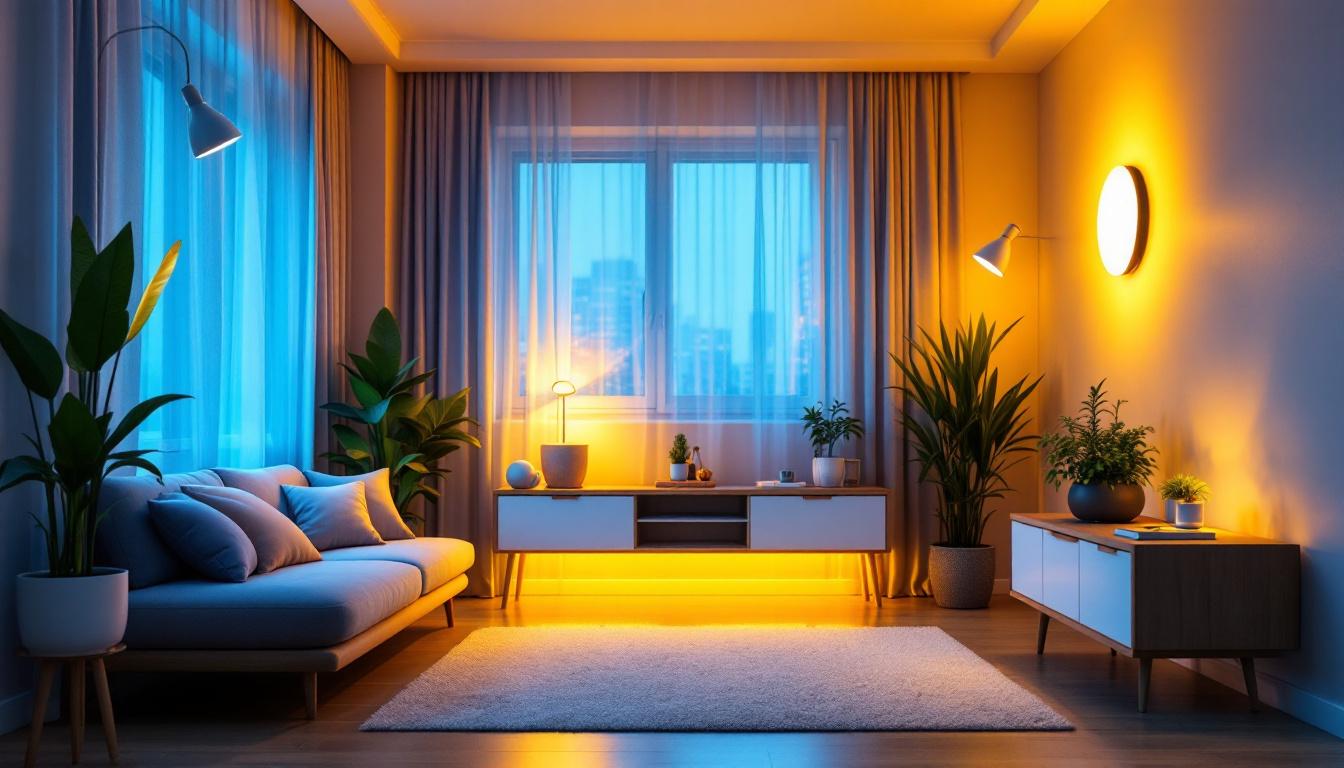
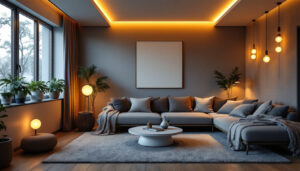
Another common oversight is neglecting the concept of layered lighting. In small spaces, relying solely on one type of lighting—such as overhead fixtures—can lead to harsh shadows and an uninviting atmosphere. Layered lighting involves combining ambient, task, and accent lighting to create a more dynamic and versatile environment.
Contractors should incorporate multiple sources of light, such as recessed lighting, under-cabinet lights, and decorative fixtures, to enhance the functionality and aesthetic appeal of the space. This approach not only improves visibility but also adds depth and dimension to small areas. Furthermore, using dimmers can provide flexibility, allowing occupants to adjust the lighting based on their activities or mood. For instance, bright lighting may be ideal for cooking or reading, while softer lighting can create a cozy ambiance for relaxation or entertaining guests. By thoughtfully layering light sources, even the smallest of spaces can feel inviting and well-designed.
Choosing the Right Color Temperature
The color temperature of LED lights plays a significant role in how a space feels. Many contractors mistakenly overlook this aspect, opting for a one-size-fits-all solution. The wrong color temperature can drastically alter the mood of a room, making it feel either too cold or too warm.
Understanding Color Temperature Ranges
Color temperature is measured in Kelvin (K) and typically ranges from 2700K (warm white) to 6500K (daylight). In small spaces, warmer tones (around 3000K) can create a cozy and inviting atmosphere, while cooler tones (above 4000K) may be more suitable for task-oriented areas like kitchens or home offices.
Contractors should assess the intended use of the space and select color temperatures accordingly. For example, a small living room may benefit from warm lighting to create a relaxing environment, while a compact workspace might require cooler tones for better focus and productivity. Additionally, understanding the psychological effects of color temperature can further enhance the design; warmer lights are often associated with comfort and relaxation, while cooler lights can stimulate alertness and concentration, making them ideal for areas where mental clarity is crucial.
Testing Before Installation
It’s advisable for contractors to test different color temperatures in the actual space before finalizing their choices. This can be done using temporary fixtures or color-changing bulbs. Observing how the light interacts with the room’s colors and furnishings can provide valuable insights that lead to a more informed decision.
Moreover, it’s essential to consider the natural light available in the space. A room that receives ample sunlight during the day may require a different approach than a dimly lit area. For instance, if a room has large windows that let in a lot of daylight, using a cooler color temperature can help balance the warm tones of the sunlight, creating a harmonious feel throughout the day. On the other hand, in spaces with limited natural light, warmer tones can help compensate for the lack of sunlight, making the environment feel more inviting and less stark.
Placement and Positioning of Fixtures
The placement and positioning of lighting fixtures can make or break the effectiveness of a lighting design in small spaces. Many contractors underestimate the impact of strategic placement, leading to poorly lit areas or excessive glare.
Height Considerations
One common mistake is installing fixtures at inappropriate heights. In small spaces, the height of the ceiling should dictate the type and placement of fixtures. For instance, low ceilings may require flush mounts or low-profile fixtures to avoid overwhelming the space, while higher ceilings can accommodate pendant lights or chandeliers.
Contractors should also consider the height of furniture and other elements in the room. Fixtures should be positioned to avoid obstruction and ensure that light reaches all areas effectively.
Avoiding Over-Illumination
Another frequent error is over-illumination. In small spaces, too much light can create a harsh environment, leading to discomfort. Contractors should aim for a balanced approach, using dimmers or adjustable fixtures to allow for flexibility in lighting levels.
By carefully assessing the needs of the space and its occupants, contractors can create a lighting scheme that is both functional and comfortable. This might involve using multiple light sources with varying intensities to achieve a well-rounded illumination.
Neglecting Natural Light Sources
Natural light is often an underutilized asset in small spaces. Contractors may overlook the importance of integrating artificial lighting with available natural light, leading to a disjointed lighting experience.
Maximizing Daylight
To enhance the overall ambiance, it is essential to consider how natural light enters the space throughout the day. This can influence the design and placement of artificial lighting. For instance, placing mirrors strategically can reflect natural light, making the space feel larger and brighter.
Contractors should also select window treatments that allow for maximum daylight while providing privacy when needed. Sheer curtains or blinds can help diffuse natural light without blocking it entirely, creating a more inviting atmosphere.
Adjusting Artificial Lighting Based on Natural Light
Additionally, contractors should be mindful of how artificial lighting interacts with natural light. The brightness of LED fixtures may need to be adjusted based on the time of day and the amount of natural light available. Utilizing smart lighting solutions that can adapt to changing conditions can greatly enhance the functionality of a small space.
Failing to Consider Energy Efficiency
While LED lights are inherently energy-efficient, contractors sometimes fail to maximize this advantage. Selecting the right fixtures and ensuring proper installation can significantly impact energy consumption.
Choosing the Right Fixtures
Contractors should prioritize high-quality LED fixtures that are designed for longevity and efficiency. Cheaper alternatives may save money upfront but can lead to higher energy costs and more frequent replacements in the long run. Investing in reputable brands and energy-efficient models can provide significant savings over time.
Moreover, it’s essential to consider the wattage and lumens of the fixtures. Selecting bulbs with the appropriate lumens for the intended use ensures that spaces are well-lit without unnecessary energy consumption.
Incorporating Smart Technology
Integrating smart technology into lighting design can further enhance energy efficiency. Smart bulbs and systems allow for remote control and scheduling, enabling users to turn lights off when not needed. This not only conserves energy but also extends the lifespan of the fixtures.
Contractors should explore options for smart lighting solutions that can be easily integrated into small spaces, providing convenience and efficiency for their clients.
Overlooking Aesthetic Considerations
While functionality is paramount, aesthetic considerations should not be overlooked. The visual appeal of lighting fixtures can greatly influence the overall ambiance of a small space.
Choosing the Right Style
Contractors must consider the style and decor of the space when selecting lighting fixtures. A cohesive design that aligns with the room’s theme can enhance its overall aesthetic. For instance, modern fixtures may clash with a traditional decor style, leading to a disjointed look.
Exploring various styles, materials, and finishes can help contractors find fixtures that not only provide adequate lighting but also serve as decorative elements in their own right. This attention to detail can elevate the overall design of the space.
Creating Focal Points
In small spaces, lighting can also be used to create focal points. Accent lighting can highlight artwork, architectural features, or other design elements, drawing attention to them and adding depth to the room. Contractors should consider how to use lighting to enhance these focal points, creating a more visually engaging environment.
Conclusion: Learning from Mistakes
Lighting contractors play a crucial role in creating inviting and functional spaces, particularly in small areas where every detail matters. By understanding and avoiding common mistakes, contractors can significantly enhance their designs and improve client satisfaction.
From proportionality and layered lighting to color temperature and fixture placement, each aspect of lighting design requires careful consideration. By prioritizing energy efficiency, maximizing natural light, and paying attention to aesthetics, contractors can create harmonious environments that meet the needs of their clients.
Ultimately, learning from past mistakes and continuously seeking improvement will lead to better outcomes in lighting design for small spaces. With the right approach, LED lights can transform even the tiniest areas into beautifully illuminated havens.
Illuminate Your Projects with LumenWholesale
Ready to elevate your lighting designs for small spaces while maximizing value and efficiency? LumenWholesale is your trusted partner, offering an extensive selection of top-quality, spec-grade LED lighting products at unbeatable wholesale prices. Say goodbye to inflated markups and hello to reliable, high-performance lighting that meets the highest industry standards. With our hassle-free bulk buying and free shipping, you can ensure your projects shine without compromising on quality or cost. Discover the perfect blend of quality, affordability, and convenience. Take the next step in transforming small spaces with superior lighting by visiting Wholesale Lighting at the Best Value today.