Understanding LED Canopy Lighting: What Contractors Need to Know
LED canopy lights are a staple in commercial and industrial settings, especially for outdoor applications like gas stations, parking garages, and walkways. Their energy efficiency, durability, and low maintenance requirements make them a preferred choice. However, not all LED canopy lights are created equal, and understanding the nuances is critical for lighting contractors aiming to deliver reliable, cost-effective installations.
First, it’s essential to recognize the difference between traditional canopy lighting and LED technology. LEDs provide instant illumination without the warm-up time associated with HID or fluorescent fixtures. This instant-on feature can be crucial for safety and security in commercial environments. Additionally, LEDs offer superior color rendering, which enhances visibility and the overall ambiance beneath the canopy.
Why LED Canopy Lighting Is a Smart Investment
Energy savings are the headline benefit of switching to LED canopy lighting. LEDs consume significantly less power than traditional lighting solutions, often reducing energy costs by 50% or more. For lighting contractors, this means clients will see a faster return on investment, which can be a strong selling point when proposing upgrades or new installations.
Durability is another key factor. LED canopy lights are built to withstand harsh outdoor conditions, including moisture, dust, and temperature extremes. Their solid-state construction means fewer failures and longer lifespans—often exceeding 50,000 hours. This reliability reduces maintenance calls and enhances client satisfaction.
Moreover, the versatility of LED canopy lights cannot be overlooked. Available in various wattages and designs, they can be tailored to meet the specific needs of different installations. For instance, adjustable mounting options and beam angles allow contractors to optimize lighting for unique spaces, ensuring that every corner is adequately illuminated. This flexibility not only improves safety but also enhances the aesthetic appeal of the area, making it more inviting for customers and visitors alike.
Additionally, many LED canopy lights come equipped with smart technology features, such as motion sensors and dimming capabilities. These advancements allow for further energy savings and can be integrated into existing building management systems. By utilizing smart controls, contractors can help clients reduce energy consumption during off-peak hours while still maintaining adequate lighting levels when needed. This not only contributes to lower utility bills but also supports sustainability goals, a growing concern for many businesses today.
Choosing the Right LED Canopy Fixtures for Your Projects
Not all LED canopy lights are suitable for every application. Contractors must consider several factors to select the right fixtures that meet client needs and comply with local codes.
Assessing Lumen Output and Wattage
Lumen output determines how bright the fixture will be. For canopy lighting, adequate brightness is crucial for safety and visibility. However, more lumens don’t always mean better lighting. Over-lighting can cause glare and waste energy, while under-lighting compromises security.
Contractors should calculate the required lumens based on canopy size, mounting height, and the purpose of the space. Typical LED canopy lights range from 3,000 to 10,000 lumens. Matching lumen output with wattage ensures energy efficiency without sacrificing illumination quality. Moreover, it’s essential to consider the specific activities that will take place under the canopy. For instance, areas with high foot traffic, such as gas stations or parking garages, may require higher lumen outputs to ensure safety, while less trafficked areas can be adequately illuminated with lower outputs.
Color Temperature and Color Rendering Index (CRI)
Color temperature impacts the mood and clarity of the lit area. LEDs for canopy lighting usually come in color temperatures between 4000K (neutral white) and 5000K (daylight). Neutral white is often preferred for commercial settings as it balances brightness with a natural look.
CRI measures how accurately a light source reveals colors compared to natural light. A CRI of 70 or above is generally acceptable for outdoor canopy lighting, but higher CRI values improve visibility and safety by making colors more distinguishable. This is particularly important in settings where color differentiation is critical, such as in retail environments or during nighttime operations. A higher CRI can enhance the shopping experience by making products appear more vibrant and true to life, ultimately influencing customer satisfaction and sales.
Fixture Design and IP Rating
Since canopy lights are exposed to the elements, fixture design must be robust. Look for fixtures with an IP65 rating or higher, ensuring protection against dust and water jets. Sealed designs prevent moisture ingress, which can cause electrical issues and reduce fixture lifespan.
Additionally, consider the fixture’s heat dissipation features. LEDs generate heat that must be managed to maintain performance and longevity. Good heat sinks and materials that conduct heat away from the LEDs are essential. Furthermore, the aesthetic design of the fixture should not be overlooked. A well-designed fixture can enhance the overall appearance of the canopy area, contributing to the architectural style of the building while ensuring functionality. Options that blend seamlessly with the environment can improve the visual appeal and make the space more inviting for users, which is particularly important in high-traffic commercial areas.
Installation Best Practices for LED Canopy Lighting
Proper installation is key to maximizing the benefits of LED canopy lights. Lighting contractors should follow these best practices to ensure safety, performance, and client satisfaction.
Pre-Installation Site Assessment
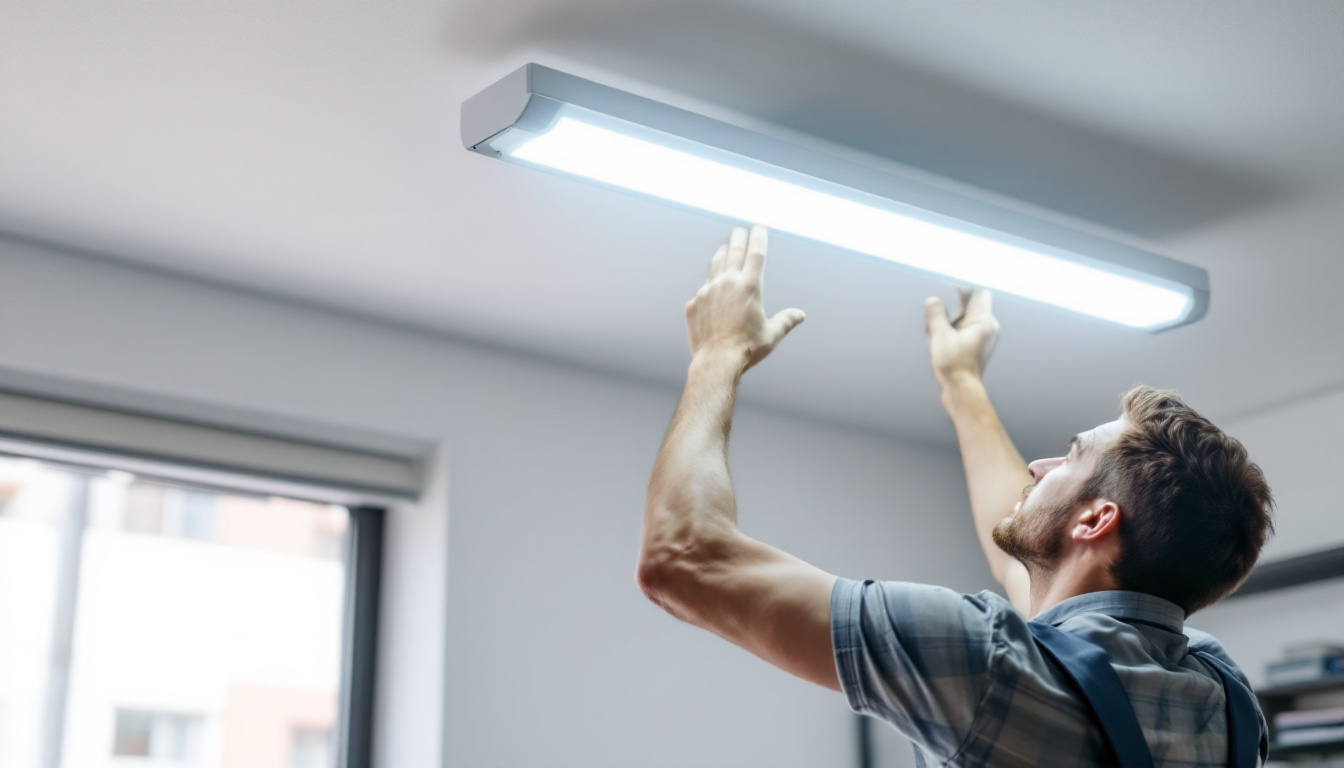
Before installation, conduct a thorough site survey. Measure canopy dimensions, check mounting points, and assess existing electrical infrastructure. Understanding the environment helps avoid surprises and ensures the right fixtures and mounting hardware are selected.
Also, verify local codes and utility requirements. Some jurisdictions have specific regulations regarding outdoor lighting, including brightness limits and energy efficiency standards. This pre-installation diligence not only ensures compliance but can also lead to potential cost savings by identifying any necessary upgrades or adjustments before work begins.
Furthermore, consider the surrounding environment during the assessment. Factors such as nearby buildings, trees, and other obstructions can affect light distribution and performance. By taking these elements into account, contractors can better position fixtures to achieve optimal illumination and enhance safety for pedestrians and vehicles alike.
Electrical Considerations and Wiring
LED canopy lights typically operate on low voltage DC or standard line voltage AC, depending on the fixture. Contractors must ensure compatibility with the existing electrical system and use appropriate wiring and connectors rated for outdoor use.
Grounding is critical for safety. Proper grounding prevents electrical shock hazards and protects the fixtures from power surges. Additionally, consider surge protection devices, especially in areas prone to lightning or power fluctuations. It is also advisable to use weather-resistant junction boxes and conduit to safeguard connections from moisture and corrosion, which can significantly extend the lifespan of the lighting system.
Moreover, when planning the electrical layout, think about future maintenance needs. Installing accessible disconnect switches and circuit breakers can simplify troubleshooting and repairs, minimizing downtime and ensuring that the lighting remains functional and effective throughout its lifespan.
Mounting and Alignment
Fixtures should be securely mounted to withstand wind and vibration. Use manufacturer-recommended hardware and follow torque specifications. Improper mounting can lead to fixture damage or safety hazards over time.
Alignment is equally important. Aim the lights to minimize glare and maximize coverage. For example, in gas stations, lights should illuminate fuel pumps evenly without creating dark spots or blinding drivers. Additionally, consider the color temperature of the LED lights; warmer tones can create a welcoming atmosphere, while cooler tones can enhance visibility and security.
It’s also beneficial to conduct a post-installation evaluation. Once the fixtures are installed, perform a lighting audit to ensure that the desired illumination levels are achieved. This can involve measuring light levels at various points and making adjustments as necessary to ensure that the lighting meets both aesthetic and functional requirements, providing a safe and inviting environment for all users.
Maintenance and Troubleshooting Tips for Lighting Contractors
Even with LED’s long lifespan, periodic maintenance ensures optimal performance and client satisfaction.
Routine Cleaning
Outdoor canopy lights accumulate dirt, dust, and grime, which can reduce light output. Schedule regular cleaning using non-abrasive materials and mild detergents. Avoid high-pressure washing that could damage seals or electrical components.
Inspecting for Damage and Wear
Check fixtures for signs of corrosion, cracked lenses, or loose connections. Early detection of issues prevents costly repairs and downtime. Replace damaged components promptly to maintain safety and lighting quality.
Addressing Flickering or Dim Lights
Flickering or dimming can indicate wiring issues, driver failures, or thermal problems. Inspect wiring connections and test the LED drivers. Overheating due to poor ventilation or faulty heat sinks can degrade LED performance, so ensure fixtures are not obstructed and heat dissipation features are intact.
Energy Efficiency and Sustainability Considerations
Energy efficiency is a primary reason clients choose LED canopy lighting. Contractors can further enhance sustainability by integrating smart controls and considering fixture recyclability.
Incorporating Controls and Sensors
Motion sensors, dimmers, and daylight harvesting controls can reduce energy consumption by adjusting light levels based on occupancy and ambient light. These features not only save energy but also extend fixture life by reducing operating hours.
Choosing Environmentally Friendly Products
Some LED canopy fixtures are designed with recyclable materials and contain no hazardous substances like mercury. Advising clients on these options aligns with green building standards and corporate sustainability goals.
Final Thoughts for Lighting Contractors
LED canopy lighting offers numerous advantages, but success depends on informed choices and meticulous execution. Contractors who understand fixture specifications, site requirements, and installation best practices position themselves as trusted experts in the field.
Clients appreciate contractors who can balance performance, energy efficiency, and longevity while navigating local codes and environmental considerations. By following these key tips, lighting contractors can deliver canopy lighting solutions that stand the test of time and meet the evolving demands of commercial and industrial spaces.
Illuminate Your Projects with LumenWholesale
Ready to elevate your lighting installations with the best in LED canopy lighting? At LumenWholesale, we provide lighting contractors like you with the highest quality, spec-grade lighting products at unbeatable wholesale prices. Say goodbye to local distributor markups and hello to superior lighting solutions that meet the highest industry standards. With our hassle-free bulk buying and free shipping, you can ensure your projects shine with reliability and high performance, all while keeping costs down. Don’t compromise on quality or value—discover wholesale lighting at the best value today and make LumenWholesale your go-to for all your lighting needs.