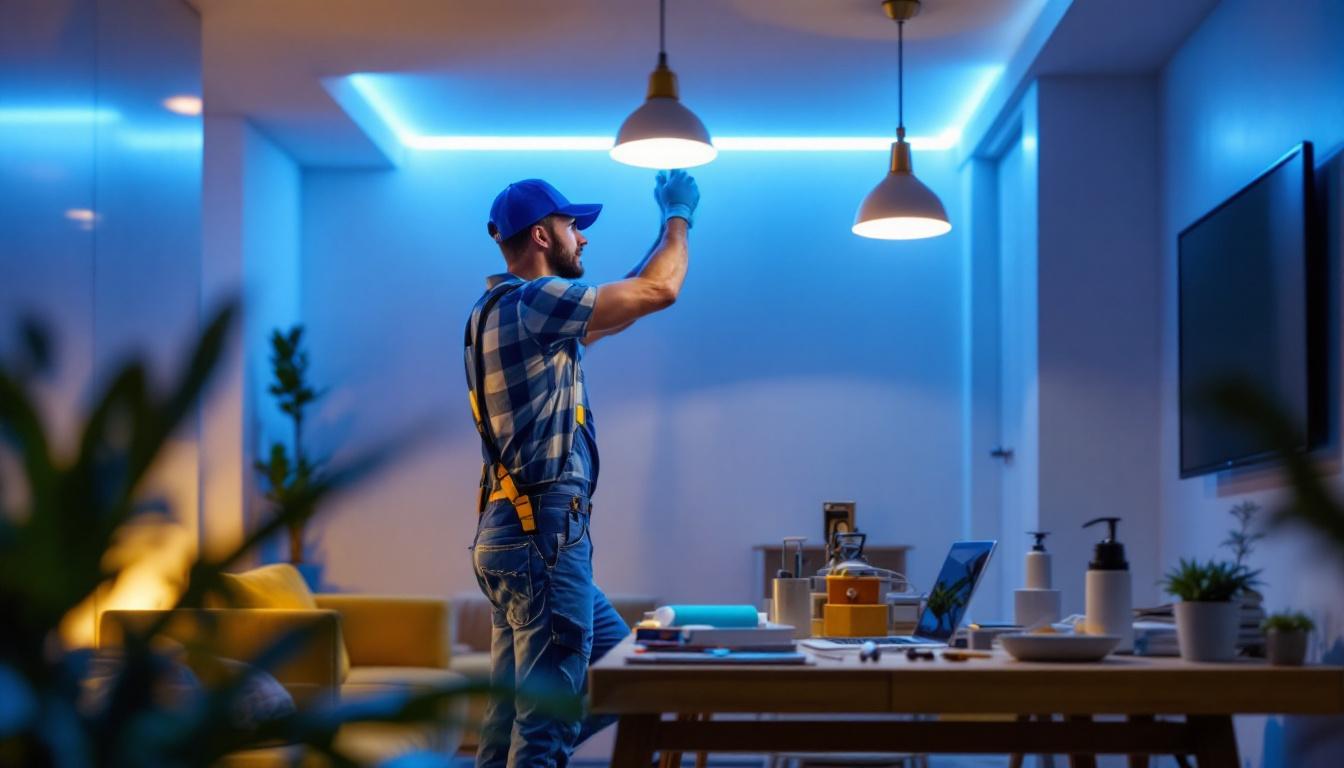
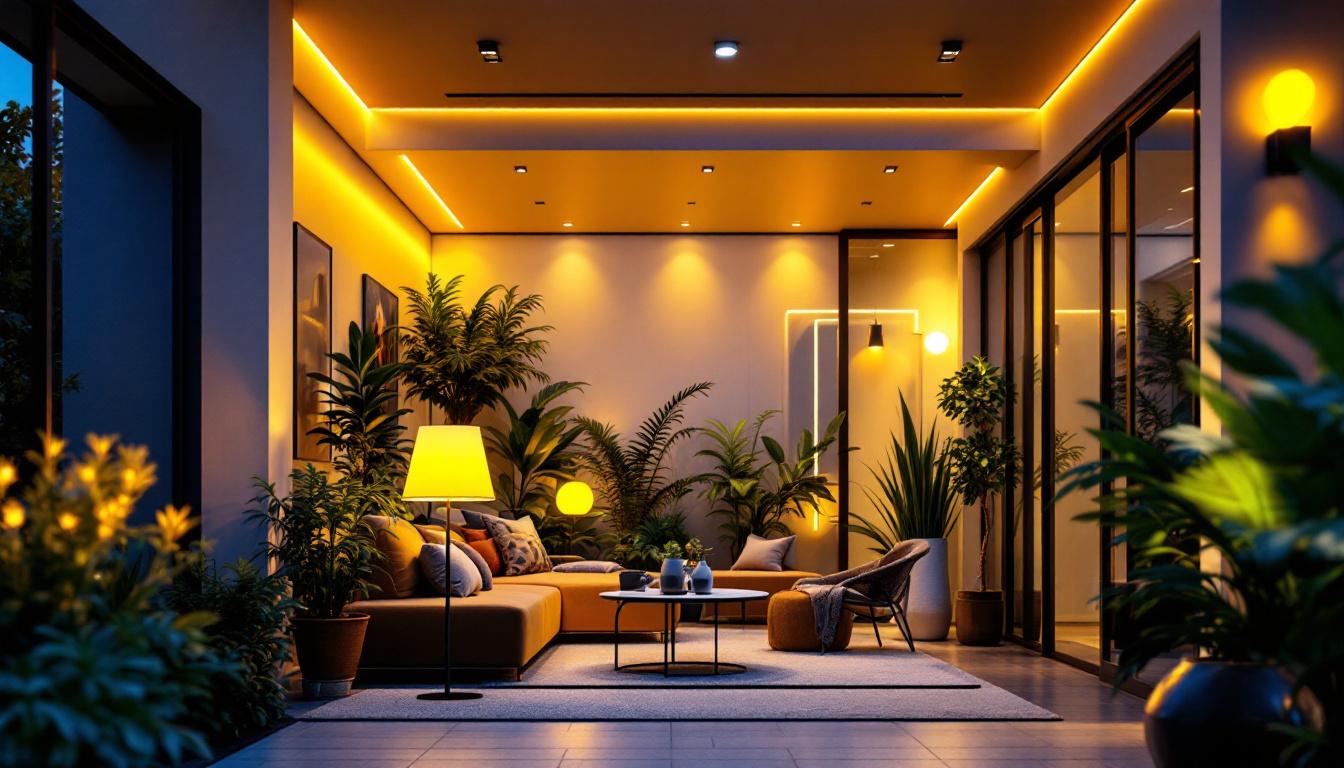
Understanding the Unique Demands of Residential LED Lighting
Transitioning homeowners to LED lighting is no longer just about swapping out bulbs. The modern home requires a nuanced approach that balances aesthetics, functionality, and energy efficiency. Lighting contractors face the challenge of meeting diverse client expectations while navigating technical constraints.
LED technology has evolved rapidly, offering a vast array of options in terms of color temperature, dimmability, and fixture compatibility. However, this variety can overwhelm both contractors and homeowners. Choosing the right LED solution means understanding the home’s architectural style, the purpose of each room, and the occupant’s lifestyle.
For example, a kitchen demands bright, cool white light for task efficiency, while a living room benefits from warmer tones that create a cozy atmosphere. Lighting contractors must guide clients through these choices, ensuring that the LED products selected enhance the home’s ambiance without compromising energy savings or longevity.
Moreover, the integration of smart home technology into residential lighting systems adds another layer of complexity. Homeowners are increasingly looking for solutions that allow them to control their lighting remotely or automate it based on their daily routines. This trend necessitates that contractors stay updated on the latest smart LED products and their compatibility with various home automation systems. By offering tailored solutions that incorporate smart technology, contractors can provide added value, making homes not only more energy-efficient but also more convenient and user-friendly.
Additionally, the environmental impact of lighting choices cannot be overlooked. As homeowners become more eco-conscious, they are more inclined to choose products that are not only energy-efficient but also sustainably sourced. This shift presents an opportunity for contractors to educate clients about the lifecycle of LED products, including their lower carbon footprint compared to traditional lighting options. By emphasizing the long-term benefits of LED lighting—such as reduced energy bills and less frequent replacements—contractors can help clients make informed decisions that align with their values and contribute to a more sustainable future.
Common Challenges Lighting Contractors Face with Residential LED Installations
Compatibility Issues with Existing Fixtures
One of the most frequent hurdles is ensuring that new LED bulbs or retrofit kits work seamlessly with pre-existing fixtures. Many older homes have lighting setups designed for incandescent or fluorescent bulbs, which may not be compatible with LED technology without modifications.
For instance, some dimmer switches designed for incandescent bulbs cause flickering or reduced bulb lifespan when paired with LEDs. Contractors must often recommend or install LED-specific dimmers to avoid these issues. Additionally, certain enclosed fixtures can cause LED bulbs to overheat, shortening their operational life. This necessitates a thorough assessment of the existing fixtures before installation, as well as a discussion with homeowners about the potential need for upgrades or replacements to ensure optimal performance.
Moreover, the physical dimensions of LED bulbs can differ from traditional bulbs, leading to fitment issues in fixtures that were designed with specific bulb shapes in mind. Contractors may need to provide alternative solutions, such as adapter bases or entirely new fixtures, to accommodate the new technology while maintaining the aesthetic appeal of the home.
Managing Client Expectations on Light Quality and Appearance
Despite LED advancements, some homeowners remain skeptical about the quality of LED lighting. Concerns about color rendering, brightness, and the “cold” look of LEDs persist. Lighting contractors need to educate clients on metrics like CRI (Color Rendering Index) and how modern LEDs can closely mimic natural light.
Demonstrations using sample bulbs or temporary installations can help clients visualize the difference. It’s also important to discuss how color temperature impacts mood and functionality, ensuring clients are confident in their lighting choices. For instance, warmer color temperatures can create a cozy atmosphere ideal for living spaces, while cooler tones are often preferred in work areas for increased focus and productivity.
Furthermore, contractors can highlight the energy efficiency and longevity of LEDs as significant advantages over traditional lighting. By presenting a comprehensive overview of the benefits, including potential cost savings on energy bills and reduced maintenance needs, contractors can help shift client perceptions and foster a more positive attitude towards LED installations.
Addressing Installation Complexities
LED lighting often requires different wiring or control systems compared to traditional lighting. Smart lighting solutions, which are increasingly popular, add layers of complexity with wireless controls, sensors, and integration with home automation systems.
Contractors must stay current with these technologies and be adept at troubleshooting connectivity issues or programming challenges. Proper planning and coordination with electricians and other tradespeople are essential to avoid delays and ensure a smooth installation process. This may involve conducting thorough site assessments to determine the best layout and technology for each specific project, as well as providing clients with clear timelines and expectations.
Additionally, the rapid evolution of smart home technology means that contractors must continually educate themselves on new products and software updates. This ongoing learning not only enhances their skill set but also positions them as trusted experts in the field, allowing them to offer tailored solutions that meet the unique needs of each homeowner. As the demand for integrated lighting systems continues to grow, contractors who embrace these complexities will be better equipped to deliver exceptional results and foster long-term client relationships.
Strategies to Overcome LED Lighting Challenges in Residential Projects
Thorough Pre-Installation Assessment
Before any installation, conducting a detailed site survey is crucial. This includes evaluating existing fixtures, wiring, and control systems. Understanding the home’s electrical infrastructure helps anticipate compatibility issues and plan necessary upgrades.
Taking measurements of room dimensions and noting natural light sources allows for precise lighting design. This step reduces guesswork and aligns the project with the homeowner’s expectations and budget. Furthermore, assessing the specific needs of each room—such as the requirements for task lighting in a kitchen versus ambient lighting in a living room—can lead to a more tailored and effective lighting solution. Engaging with the homeowner during this assessment can also uncover personal preferences and lifestyle considerations that may influence the final design.
Leveraging Advanced Lighting Design Tools
Modern lighting design software can simulate how different LED products will perform in a space. Contractors can create visualizations that show light distribution, intensity, and color temperature effects. This empowers clients to make informed decisions and reduces the risk of dissatisfaction post-installation.
Additionally, these tools can optimize fixture placement and quantity, ensuring energy efficiency without sacrificing illumination quality. Some advanced software even allows for real-time adjustments, enabling clients to see the impact of changes on the fly. By incorporating feedback during these simulations, contractors can refine their designs further, ensuring that the final outcome is not only aesthetically pleasing but also functional and energy-efficient, meeting the specific needs of the household.
Educating Clients Throughout the Process
Effective communication is key. Lighting contractors should explain the benefits and limitations of LED lighting clearly, using layman’s terms to avoid confusion. Discussing maintenance, expected lifespan, and energy savings builds trust and helps clients appreciate the value of their investment.
Providing written materials or digital resources can reinforce these points and serve as reference guides after project completion. Additionally, hosting workshops or informational sessions can empower clients with knowledge about energy-efficient practices and the latest trends in LED technology. This not only enhances their understanding but also fosters a sense of community and involvement in the project, making them more likely to advocate for the contractor’s services in the future.
Partnering with Reliable LED Manufacturers and Suppliers
Quality matters. Working with reputable manufacturers ensures access to LED products that meet industry standards for performance and safety. Contractors should prioritize suppliers who offer technical support and warranties, which can be invaluable when troubleshooting or addressing client concerns.
Staying informed about the latest product innovations helps contractors offer cutting-edge solutions that differentiate their services. Engaging in industry forums and trade shows can provide insights into emerging technologies and trends, allowing contractors to stay ahead of the curve. Additionally, building strong relationships with suppliers can lead to collaborative opportunities, such as exclusive product launches or promotional deals that can benefit both the contractor and their clients, ultimately enhancing the overall project experience.
Optimizing Energy Efficiency Without Sacrificing Comfort
Energy savings are a primary driver for homeowners choosing LED lighting, but efficiency should not come at the cost of comfort. Lighting contractors must find the sweet spot where energy consumption is minimized while maintaining appropriate brightness and color quality.
Integrating dimmers, motion sensors, and smart controls can enhance efficiency by adapting lighting levels to occupancy and natural light availability. These technologies also add convenience, which appeals to modern homeowners. For instance, smart lighting systems can be programmed to adjust automatically based on the time of day or specific activities, such as reading or watching television, ensuring that the lighting is always just right. This level of customization not only improves the user experience but also contributes to energy savings by reducing unnecessary usage.
Furthermore, selecting LEDs with high efficacy (lumens per watt) ensures maximum light output for the least energy input. This approach benefits both the environment and the homeowner’s utility bills. Additionally, the color temperature of LEDs can be tailored to create different atmospheres within a home. Warmer tones can evoke a cozy and inviting feel, perfect for living spaces, while cooler tones can enhance focus and productivity in work areas. By understanding the psychological effects of light, homeowners can create environments that not only save energy but also enhance their overall well-being.
Moreover, the placement of lighting fixtures plays a crucial role in optimizing energy efficiency. Strategic positioning can reduce the need for excessive lighting while highlighting architectural features or artwork, thus creating a visually appealing environment. Using layered lighting techniques, which combine ambient, task, and accent lighting, allows for a versatile approach that meets various needs throughout the day. This thoughtful design not only maximizes energy efficiency but also elevates the aesthetic quality of the home, making it a more enjoyable space for family and guests alike.
Maintaining Professional Growth and Staying Ahead
The LED lighting landscape continues to evolve, with new technologies and standards emerging regularly. Lighting contractors who invest in ongoing education and certification position themselves as trusted experts in the field.
Attending industry workshops, webinars, and trade shows provides exposure to new products and installation techniques. Networking with peers and manufacturers fosters knowledge exchange and can lead to collaborative opportunities.
Ultimately, staying informed enables contractors to offer innovative solutions that meet the changing demands of residential clients, ensuring long-term business success.
Get Your Spec-Grade Lighting Supplies at LumenWholesale
Ready to tackle the challenges of residential LED lighting installations with confidence? LumenWholesale is here to support you every step of the way. Our extensive selection of top-quality, spec-grade lighting products comes at unbeatable wholesale prices, giving you the edge you need to exceed client expectations. Say goodbye to inflated markups and hello to hassle-free bulk buying with free shipping. Elevate your lighting projects with the perfect blend of quality, affordability, and convenience. Discover the best value in wholesale lighting by visiting Wholesale Lighting at the Best Value today.