In the world of interior design and renovation, the basement often presents unique challenges and opportunities. With its potential for various uses—be it a cozy family room, a home office, or a recreational space—the lighting in this area plays a crucial role in setting the mood and functionality. Among the various lighting options available, LED lighting stands out as a superior choice for basement projects. This article explores the benefits of LED lighting in basements, practical applications, and tips for successful implementation.
The Advantages of LED Lighting in Basements
Energy Efficiency
One of the most compelling reasons to choose LED lighting for basements is its energy efficiency. LED lights consume significantly less energy compared to traditional incandescent or fluorescent bulbs. This characteristic not only reduces electricity bills but also contributes to a more sustainable environment. For contractors, recommending energy-efficient solutions can enhance their reputation and appeal to eco-conscious clients.
Moreover, LED fixtures have a longer lifespan, often lasting up to 25,000 hours or more. This longevity means less frequent replacements, reducing maintenance costs for homeowners and providing a reliable lighting solution that contractors can confidently install. In addition to these benefits, the reduced heat output of LEDs minimizes the risk of overheating, which can be particularly advantageous in basement environments where ventilation may be limited. This feature not only improves safety but also helps maintain a comfortable temperature in the space.
Versatility and Design Flexibility
LED lighting offers a wide range of options in terms of design and functionality. From recessed lighting to strip lights, the versatility of LED fixtures allows for creative and innovative lighting designs tailored to the unique characteristics of any basement space. Whether illuminating a dark corner or highlighting architectural features, LED lights can adapt to various styles and preferences.
Additionally, LED technology has advanced to include color-changing options and smart lighting capabilities. This flexibility allows homeowners to customize their lighting experience, making it easier for contractors to meet diverse client needs. For instance, smart LED systems can be programmed to adjust brightness and color based on the time of day or specific activities, such as movie nights or game days, enhancing the overall functionality of the basement. This adaptability not only elevates the aesthetic appeal but also transforms the basement into a versatile space that can serve multiple purposes.
Improved Quality of Light
Quality of light is essential in creating an inviting atmosphere in basements. LED lighting provides a bright, clear illumination that enhances visibility and reduces shadows, making spaces feel larger and more welcoming. Unlike traditional bulbs, which can emit harsh or flickering light, LEDs provide a consistent and pleasant glow that can be adjusted to suit different activities and moods.
Furthermore, LED lights are available in various color temperatures, allowing contractors to choose the perfect hue for each project. Warmer tones can create a cozy ambiance, while cooler tones can energize a space, making it suitable for various uses. The ability to dim LED lights also adds another layer of customization, enabling homeowners to create the ideal atmosphere for relaxation or entertainment. Additionally, many LED fixtures are designed to minimize glare, ensuring that the light is easy on the eyes, which is particularly important in spaces where people may spend extended periods of time, such as home theaters or recreational areas.
Practical Applications of LED Lighting in Basements
Recreational Spaces
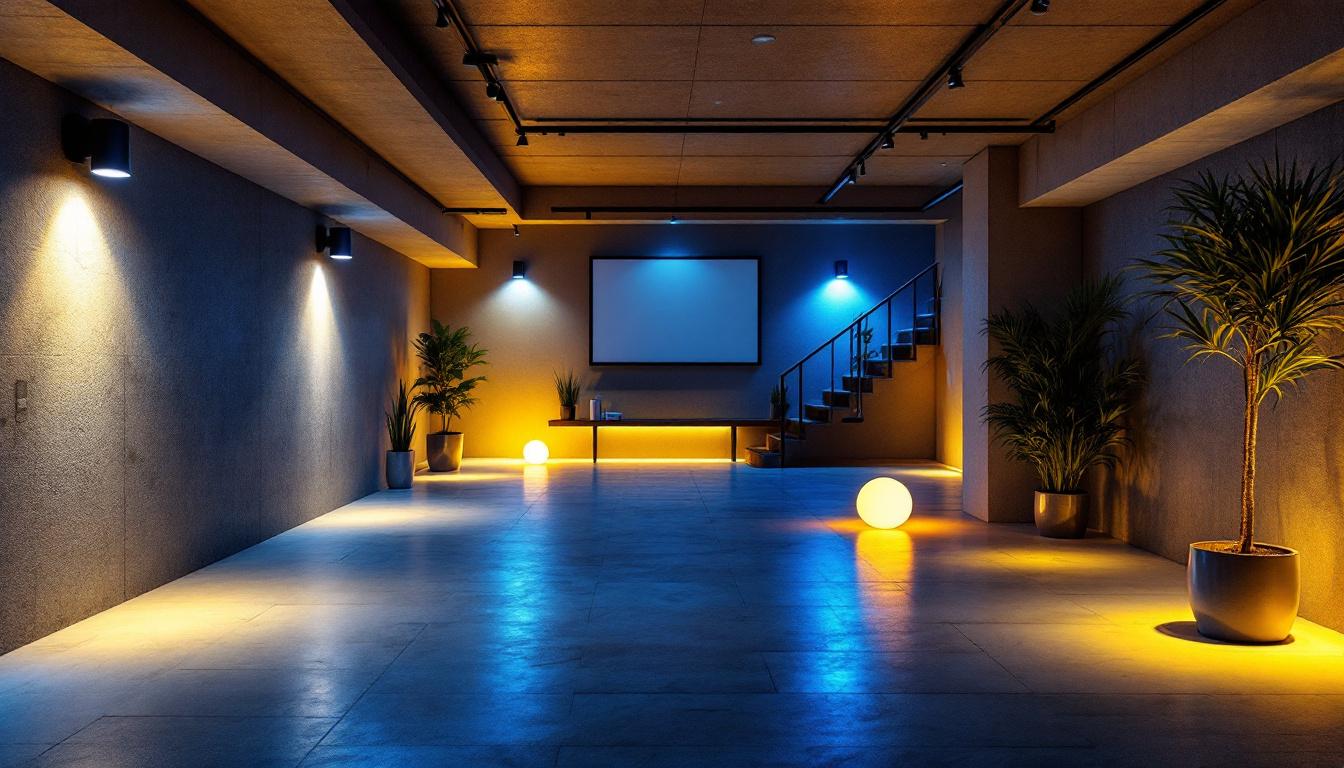
Many homeowners transform their basements into recreational areas, such as game rooms or home theaters. In these settings, LED lighting can enhance the experience significantly. For instance, dimmable LED fixtures allow for adjustable brightness, enabling users to create the perfect atmosphere for movie nights or gaming sessions.
Accent lighting, such as LED strip lights along shelves or behind screens, can add a modern touch while providing functional illumination. This creative use of LED technology not only enhances aesthetics but also ensures that the space remains practical and enjoyable. Additionally, color-changing LED lights can be programmed to match the mood or theme of an event, whether it’s a casual game night with friends or a more formal movie screening. This versatility allows homeowners to personalize their spaces, making them more inviting and engaging for guests.
Home Offices
With the rise of remote work, many basements are being converted into home offices. Proper lighting is essential for productivity and comfort in these environments. LED task lighting can be strategically placed to reduce eye strain and improve focus, while ambient lighting can create a welcoming atmosphere that fosters creativity.
Incorporating adjustable LED fixtures allows users to tailor their lighting setup based on the time of day or specific tasks. This adaptability is particularly beneficial in a home office setting, where lighting needs may change throughout the day. For instance, during bright daylight hours, a homeowner might prefer softer ambient lighting, while in the evening, they may opt for brighter task lighting to stay alert and focused. Furthermore, smart LED systems can be integrated to allow for remote control of lighting settings, enabling users to adjust their environment even when they are away from their desks.
Storage Areas
Basements often serve as storage spaces, and effective lighting is crucial for safety and accessibility. LED lights can illuminate dark corners and shelves, making it easier for homeowners to find and organize their belongings. Motion sensor LED lights can be particularly useful in storage areas, providing hands-free illumination that activates when someone enters the space.
By ensuring that storage areas are well-lit, contractors can help homeowners maximize the functionality of their basements while enhancing safety and convenience. Additionally, utilizing LED lights with a higher color rendering index (CRI) can help individuals accurately assess the colors and conditions of stored items, which is especially important for those who may be storing clothing, artwork, or other color-sensitive materials. This attention to detail not only improves the usability of the space but also contributes to a more organized and efficient storage solution.
Installation Tips for LED Lighting in Basements
Assessing the Space
Before beginning any installation, it is essential to assess the basement space thoroughly. Factors such as ceiling height, layout, and existing electrical infrastructure will influence the choice of LED fixtures and their placement. A well-thought-out plan will ensure optimal lighting coverage and effectiveness.
Consider the various activities that will take place in the basement and how lighting can enhance those experiences. For instance, areas designated for relaxation may benefit from softer, ambient lighting, while workspaces may require brighter, focused illumination.
Choosing the Right Fixtures
The selection of LED fixtures is critical for achieving the desired lighting effect. Recessed lights are an excellent choice for low ceilings, providing a clean and unobtrusive look. Pendant lights can add a stylish touch in areas with higher ceilings, while wall sconces can provide both functional and decorative lighting.
LED strip lights are another versatile option, perfect for highlighting architectural features or creating a modern aesthetic. When selecting fixtures, consider factors such as color temperature, brightness (measured in lumens), and energy efficiency ratings to ensure the best results.
Ensuring Proper Wiring and Safety
Safety is paramount when working with electrical installations, particularly in basements that may be prone to moisture. It is crucial to ensure that all wiring and fixtures are suitable for damp environments. Using LED lights with appropriate ratings for wet or damp locations will help prevent potential hazards.
Additionally, hiring a qualified electrician for installation can ensure that all electrical work meets local codes and regulations. This step not only enhances safety but also provides peace of mind for homeowners.
Common Challenges and Solutions
Dealing with Low Ceilings
Many basements feature low ceilings, which can pose challenges for effective lighting. In such cases, recessed lighting is often the best solution. These fixtures can be installed flush with the ceiling, providing ample illumination without taking up valuable headroom.
Another option is to use wall-mounted fixtures that direct light downward, creating a sense of height and openness. Additionally, choosing fixtures with a slim profile can help maintain an airy feel in the space.
Managing Moisture Levels
Basements are notorious for moisture issues, which can affect both the integrity of the space and the longevity of lighting fixtures. To combat this, it is essential to choose LED lights specifically designed for damp environments. These fixtures are built to withstand moisture and humidity, ensuring reliable performance over time.
Moreover, addressing any underlying moisture problems—such as leaks or inadequate ventilation—should be a priority. Proper drainage and humidity control systems can help create a healthier environment for both the basement and its lighting fixtures.
Balancing Brightness and Ambiance
Finding the right balance between brightness and ambiance can be a challenge in basement lighting projects. Homeowners often desire bright, functional lighting while also wanting to create a cozy atmosphere. This balance can be achieved through a layered lighting approach.
By combining ambient, task, and accent lighting, contractors can create a versatile lighting scheme that meets various needs. Dimmable LED fixtures can further enhance this flexibility, allowing homeowners to adjust the brightness based on their activities and preferences.
Conclusion: The Future of Basement Lighting
As the demand for functional and aesthetically pleasing basement spaces continues to grow, the importance of effective lighting solutions cannot be overstated. LED lighting, with its energy efficiency, versatility, and superior quality of light, is undoubtedly a must-have for successful basement lighting projects.
By understanding the advantages and practical applications of LED lighting, contractors can provide valuable insights and recommendations to their clients. With careful planning, thoughtful fixture selection, and attention to safety, any basement can be transformed into a well-lit, inviting space that meets the needs of its occupants.
In the ever-evolving world of lighting design, staying abreast of the latest trends and technologies will empower contractors to deliver exceptional results. Embracing LED lighting as a primary choice for basement projects will not only enhance the quality of the spaces but also position contractors as forward-thinking professionals in the industry.
Illuminate Your Projects with LumenWholesale
Ready to elevate your basement lighting projects with the efficiency and versatility of LED lighting? At LumenWholesale, we provide contractors with the highest quality, spec-grade LED lighting products at unbeatable wholesale prices. Say goodbye to local distributor markups and hello to a vast selection of lighting solutions that meet rigorous industry standards. With free shipping on bulk orders, you can stock up on premium lighting without any hidden fees. Transform your next project with the perfect blend of quality, affordability, and convenience. Discover Wholesale Lighting at the Best Value today and light up your basements with confidence.