Why Solar-Powered LED Light Strips Matter for Lighting Contractors
Lighting contractors often face unique challenges when working on projects in remote or off-grid locations. Running electrical wiring can be costly, time-consuming, or even impossible in some cases. Solar-powered LED light strips offer a practical and sustainable solution that can simplify installations and reduce ongoing energy costs.
These systems combine energy-efficient LED technology with solar panels and battery storage, enabling lighting without reliance on traditional power sources. For contractors, this means fewer logistical headaches, faster project completion, and the ability to offer clients eco-friendly lighting options that align with growing sustainability demands.
Moreover, solar-powered LED light strips are incredibly versatile, making them suitable for a wide range of applications, from illuminating garden pathways to enhancing security in outdoor spaces. Their flexibility allows contractors to design creative lighting solutions that can adapt to various environments and aesthetic preferences. Additionally, many of these systems come with features such as motion sensors and adjustable brightness settings, providing clients with customizable options that enhance both functionality and user experience.
Another significant advantage of solar-powered LED light strips is their low maintenance requirements. Unlike traditional lighting systems that may require frequent bulb replacements or extensive upkeep, solar LED lights are designed for durability and longevity. With no wiring to worry about and self-sustaining power sources, contractors can assure their clients of a hassle-free lighting solution that not only saves money in the long run but also contributes to a reduced carbon footprint. This aspect is increasingly appealing to environmentally conscious consumers who prioritize sustainable practices in their purchasing decisions.
Breaking Down the Components of Solar-Powered LED Light Strips
LED Light Strips
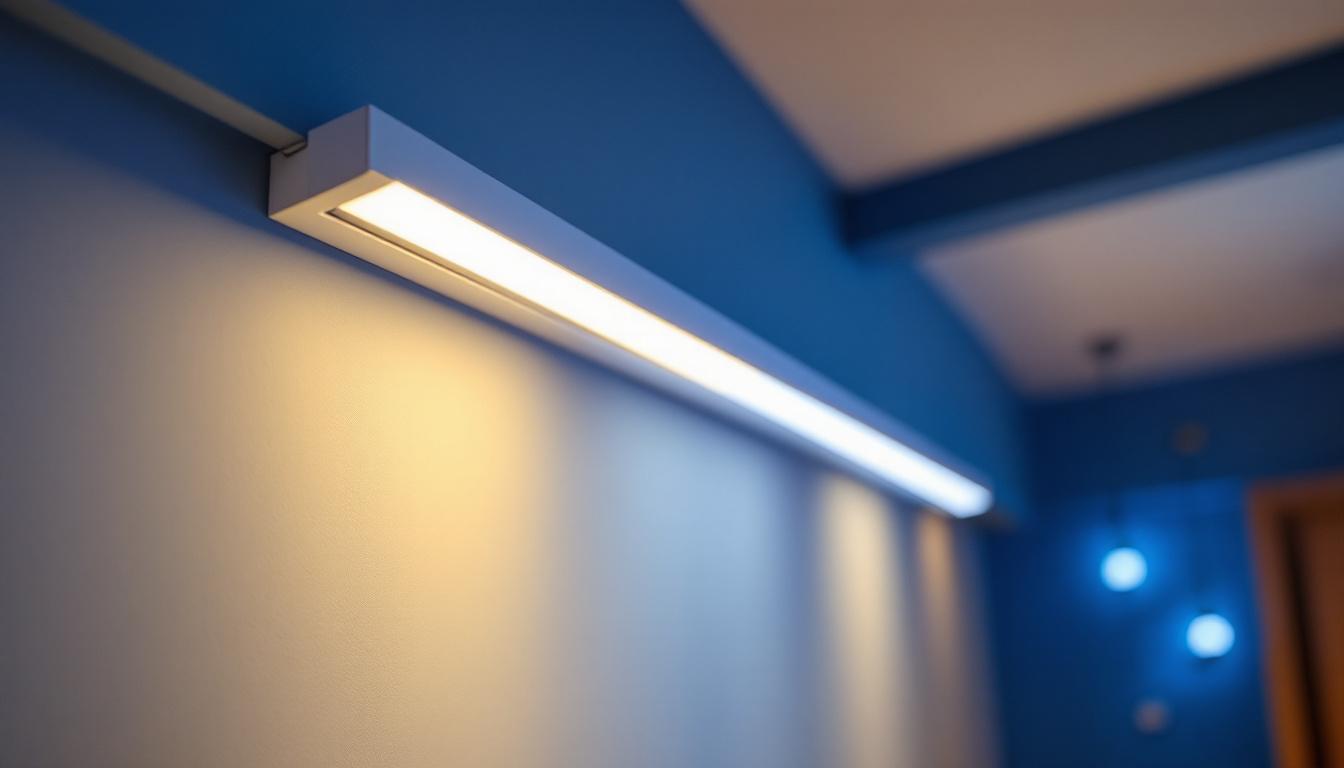
At the core are the LED light strips themselves. They are flexible circuit boards embedded with surface-mounted LEDs, designed for easy installation along edges, under cabinets, or in architectural features. LEDs are known for their low power consumption, long lifespan, and high brightness, making them ideal for solar applications where energy efficiency is critical.
Lighting contractors should look for strips with high lumen output per watt and good color rendering index (CRI) to ensure quality illumination. Waterproof or weather-resistant options are essential for outdoor or damp environments. Additionally, many LED strips come with customizable color options, allowing users to change the ambiance of a space with just a few taps on their smartphones. This feature has made LED strips not only functional but also a popular choice for decorative lighting in homes, events, and commercial spaces.
Solar Panels
Solar panels capture sunlight and convert it into electrical energy. The size and wattage of the panel must be matched to the power requirements of the LED strips and the expected sunlight availability at the installation site. Monocrystalline panels are generally more efficient and compact, which can be advantageous for tight spaces.
Contractors need to consider panel placement carefully to maximize sun exposure, avoiding shading from trees or buildings. Mounting hardware and wiring should be durable and weatherproof to withstand environmental conditions. Furthermore, advancements in solar technology have led to the development of bifacial panels, which can capture sunlight from both sides, increasing energy output. This innovation can be particularly beneficial in installations where space is limited or where reflective surfaces can enhance solar collection.
Battery Storage
Solar energy is intermittent, so batteries store excess energy generated during the day to power the LED strips at night or during cloudy periods. Lithium-ion batteries are common due to their energy density and longevity, but sealed lead-acid batteries are also used in cost-sensitive projects.
The battery capacity must be sufficient to run the lights for the desired duration. Lighting contractors should calculate the total watt-hours needed and select a battery accordingly, factoring in efficiency losses and reserve capacity for longer autonomy. In addition to traditional battery types, emerging technologies such as flow batteries and solid-state batteries are being explored for their potential to offer even greater efficiency and longer life cycles, which could revolutionize how solar-powered lighting systems are designed in the future.
Charge Controllers and Drivers
Charge controllers regulate the flow of electricity from the solar panel to the battery, preventing overcharging and extending battery life. LED drivers convert the battery voltage to the correct current and voltage for the LED strips, ensuring consistent brightness and protecting against damage.
Choosing reliable controllers and drivers with built-in protections is critical to system longevity and performance. Some advanced controllers also offer programmable settings and remote monitoring capabilities, which can be selling points for clients. These features allow users to adjust lighting schedules, monitor energy usage, and even receive alerts for maintenance needs, enhancing the overall user experience and ensuring that the solar-powered lighting system operates at peak efficiency throughout its lifespan.
Key Considerations When Specifying Solar-Powered LED Light Strips
Power Consumption and Brightness Requirements
Understanding the power consumption of the LED strips is fundamental. Contractors must match the solar panel and battery size to the wattage and expected daily usage hours. Overestimating power needs leads to unnecessary costs, while underestimating results in dim lighting or system failure.
Brightness requirements depend on the application—accent lighting demands less power than task or security lighting. Discussing these needs with clients upfront helps tailor the system appropriately. Additionally, it’s essential to consider the color temperature of the LED lights, as this can significantly affect the ambiance of the space. Warmer tones are often preferred for residential settings, creating a cozy atmosphere, while cooler tones may be more suitable for commercial or security applications, enhancing visibility and alertness.
Installation Environment
Outdoor installations require weatherproof components rated for exposure to moisture, dust, and temperature fluctuations. In contrast, indoor applications may prioritize aesthetics and ease of access for maintenance.
Solar panel placement is often the biggest challenge. Panels must face the sun unobstructed for maximum efficiency, which may require creative mounting solutions or client education on site limitations. Factors such as surrounding trees, buildings, or even seasonal changes in sunlight can impact performance, making it vital to conduct a thorough site assessment before installation. Additionally, considering the angle of the solar panels can optimize energy absorption, ensuring that the system operates effectively throughout the year.
System Maintenance and Longevity
Solar-powered lighting systems generally require minimal maintenance, but periodic cleaning of solar panels and battery health checks are necessary to maintain performance. Contractors should provide clients with clear maintenance guidelines and consider offering service contracts for ongoing support.
Using high-quality components upfront reduces the risk of premature failures and costly callbacks. Warranty terms and supplier reputation are important factors when selecting products. Furthermore, educating clients about the lifespan of various components can foster trust and ensure they understand the long-term value of their investment. For instance, while LED lights can last up to 25,000 hours, the batteries may need replacement every few years, depending on usage and environmental conditions. This knowledge empowers clients to make informed decisions about their solar lighting systems and encourages proactive maintenance practices.
Practical Applications and Benefits for Clients
Off-Grid and Remote Locations
Solar-powered LED strips excel in locations without easy access to electricity—garden lighting, signage illumination, pathway lighting, and temporary event setups. They eliminate the need for trenching or running long cables, saving time and money. These versatile lighting solutions can be easily installed in diverse environments, from rural farms to mountain cabins, providing a sustainable lighting option that enhances both functionality and aesthetics. Furthermore, their portability allows for easy relocation, making them ideal for seasonal events or changing outdoor layouts.
Energy Savings and Sustainability
Clients increasingly demand energy-efficient and environmentally friendly solutions. Solar-powered lighting reduces electricity bills and carbon footprints, aligning with green building certifications and corporate social responsibility goals. The use of solar energy not only contributes to significant cost savings over time but also promotes a sustainable lifestyle that resonates with a growing number of environmentally conscious consumers. Additionally, many solar-powered LED strips are designed with advanced technology that optimizes energy usage, ensuring maximum brightness with minimal power consumption. This innovation allows clients to enjoy high-quality lighting without compromising their commitment to sustainability.
Lighting contractors can leverage these benefits to differentiate their services and appeal to eco-conscious customers. By showcasing the long-term savings and environmental impact of solar lighting solutions, they can position themselves as leaders in the green technology space. Moreover, as more clients seek to enhance their properties with sustainable features, offering solar-powered options can be a compelling selling point that attracts a wider clientele.
Emergency and Backup Lighting
In areas prone to power outages, solar-powered LED strips provide reliable backup illumination. Battery storage ensures lighting remains functional during blackouts, enhancing safety and security. This feature is particularly beneficial for businesses that operate in regions with unstable power supplies, as it allows them to maintain operations without interruption. Moreover, the presence of reliable lighting in emergency situations can significantly reduce the risk of accidents and injuries, providing peace of mind for both property owners and their customers.
In addition to residential use, these solar lighting solutions can be integrated into public spaces, such as parks and community centers, where safety is a priority. By illuminating pathways and gathering areas, they not only improve visibility but also promote a sense of security among visitors, encouraging more outdoor activities even after sunset. The adaptability of solar-powered LED strips makes them an excellent choice for enhancing the safety and usability of various environments, from private homes to bustling urban centers.
Installation Tips for Lighting Contractors
Site Assessment
Conduct thorough site assessments to evaluate sunlight exposure, shading, and mounting options. Use tools like solar pathfinders or smartphone apps to measure solar potential accurately.
System Sizing and Design
Calculate total wattage and daily usage to size solar panels and batteries correctly. Consider future expansion possibilities to avoid undersizing the system.
Wiring and Connections
Use weatherproof connectors and cable management solutions to protect wiring from damage. Label components clearly for easier troubleshooting and maintenance.
Testing and Commissioning
Test the system thoroughly before handing over to the client. Verify battery charge levels, LED brightness, and controller settings. Provide a demonstration and user instructions to ensure client satisfaction.
Conclusion
Solar-powered LED light strips offer lighting contractors a versatile and sustainable option for a wide range of projects. Understanding the components, sizing requirements, and installation best practices enables contractors to deliver reliable, efficient lighting solutions that meet client expectations.
By integrating solar technology with LED lighting, contractors can expand their service offerings, reduce installation complexity, and contribute to greener, more resilient lighting infrastructures.
Get Your Solar-Powered LED Light Strips at LumenWholesale
Ready to elevate your lighting projects with the efficiency and sustainability of solar-powered LED light strips? At LumenWholesale, we provide lighting contractors with the highest quality, spec-grade lighting products at the most competitive wholesale prices. Say goodbye to local distributor markups and hello to a vast selection of reliable lighting solutions that meet rigorous industry standards. Plus, with free shipping on bulk orders, you can stock up on premium lighting without any hidden fees. Don’t compromise on quality or value—choose LumenWholesale for the perfect fusion of affordability and convenience. Wholesale Lighting at the Best Value is just a click away.