In the realm of modern lighting solutions, LED light strips have emerged as a versatile and efficient option for contractors looking to enhance their projects. These flexible, energy-efficient lighting solutions can be installed in various settings, from residential homes to commercial spaces. This article explores how LED light strips can significantly increase lighting project efficiency, offering insights into their benefits, installation techniques, and design possibilities.
Understanding LED Light Strips
LED light strips, often referred to as LED tape, are thin, flexible circuit boards that are embedded with light-emitting diodes. They can be cut to size and easily installed in various locations, making them a popular choice for both new constructions and renovations.
Benefits of LED Technology
One of the primary advantages of LED technology is its energy efficiency. Compared to traditional incandescent or fluorescent lights, LED strips consume significantly less power while providing the same or even greater illumination. This not only reduces electricity costs but also contributes to a lower carbon footprint.
Additionally, LED light strips have a longer lifespan. They can last up to 25,000 hours or more, which means fewer replacements and less waste over time. For contractors, this translates into lower maintenance costs and increased satisfaction for clients who appreciate the longevity of their lighting solutions. Furthermore, LED technology is known for its durability; these strips are often resistant to shock and vibration, making them suitable for both indoor and outdoor applications.
Versatility in Application
LED light strips are incredibly versatile. They can be used in a variety of applications, including accent lighting, task lighting, and ambient lighting. Whether it’s illuminating a kitchen countertop, highlighting architectural features, or creating a cozy atmosphere in a living room, the adaptability of LED strips allows for creative design solutions that can meet diverse client needs.
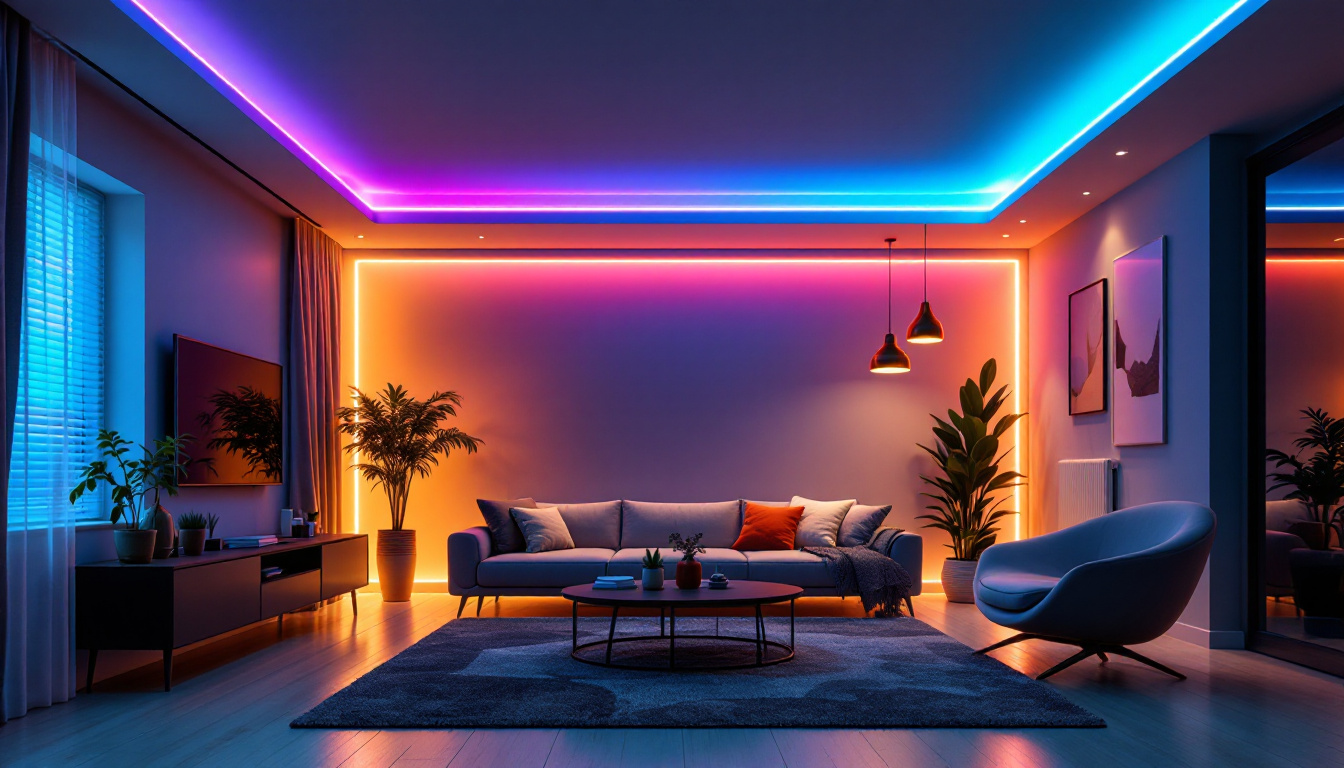
Moreover, their flexibility enables installation in hard-to-reach areas or unconventional spaces, such as under cabinets, along staircases, or within coves. This adaptability not only enhances the aesthetic appeal of a space but also maximizes the use of available light. In addition to their practical applications, many LED strips now come with features such as color-changing capabilities and remote control options, allowing users to customize their lighting experience to suit different moods or occasions. This level of personalization has made LED strips a favorite among interior designers and homeowners alike, as they can easily transform a room’s ambiance with just a click of a button.
Installation Techniques for Maximum Efficiency
Installing LED light strips may seem straightforward, but employing the right techniques can significantly enhance the efficiency and effectiveness of the lighting project. Proper installation ensures optimal performance and longevity of the product.
Planning the Layout
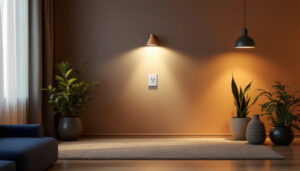
Before installation, it is crucial to plan the layout carefully. Consider the purpose of the lighting and the desired effect. For instance, if the goal is to create a warm ambiance in a living room, the strips should be placed in a way that softens shadows and highlights key features of the room.
Using design software or simple sketches can help visualize the final outcome. This planning phase allows contractors to determine the necessary length of LED strips, the number of power supplies required, and the best locations for switches and dimmers.
Adhesive and Mounting Options
Most LED light strips come with a self-adhesive backing, making installation easier. However, for areas with high heat or humidity, additional mounting options may be necessary. Using clips or channels can provide extra support and ensure the strips remain securely in place.
Additionally, ensuring that the surface is clean and dry before applying the strips will enhance adhesion and longevity. For more permanent installations, using silicone or mounting brackets can provide added security against peeling or falling.
Electrical Considerations
When installing LED light strips, it is essential to consider the electrical requirements. Ensure that the power supply matches the voltage and wattage of the LED strips to prevent overheating or damage. Using a power supply with a higher wattage capacity than needed can provide a buffer for future expansions or additional lighting needs.
Furthermore, integrating dimmers or smart controls can enhance the functionality of the lighting system. These features allow for greater control over brightness levels and can create dynamic lighting scenarios that adapt to the needs of the space.
Design Possibilities with LED Light Strips
The design potential with LED light strips is virtually limitless. Their ability to blend seamlessly into various environments allows contractors to implement innovative lighting solutions that can elevate any project.
Creating Ambiance
LED light strips can be used to create different moods and atmospheres within a space. By selecting warm or cool color temperatures, contractors can influence the perception of a room. For example, warm white light can create a cozy and inviting atmosphere, while cool white light can promote focus and productivity.
Additionally, color-changing LED strips can add a dynamic element to spaces, allowing clients to adjust the color based on their preferences or the occasion. This feature is particularly popular in entertainment areas, where lighting can enhance the overall experience.
Highlighting Architectural Features
Another effective use of LED light strips is to highlight architectural features. Whether it’s a textured wall, a piece of artwork, or unique furniture, strategically placed LED strips can draw attention to these elements and enhance their visibility.
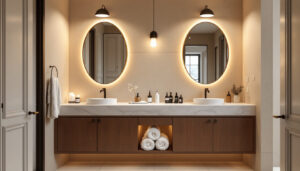
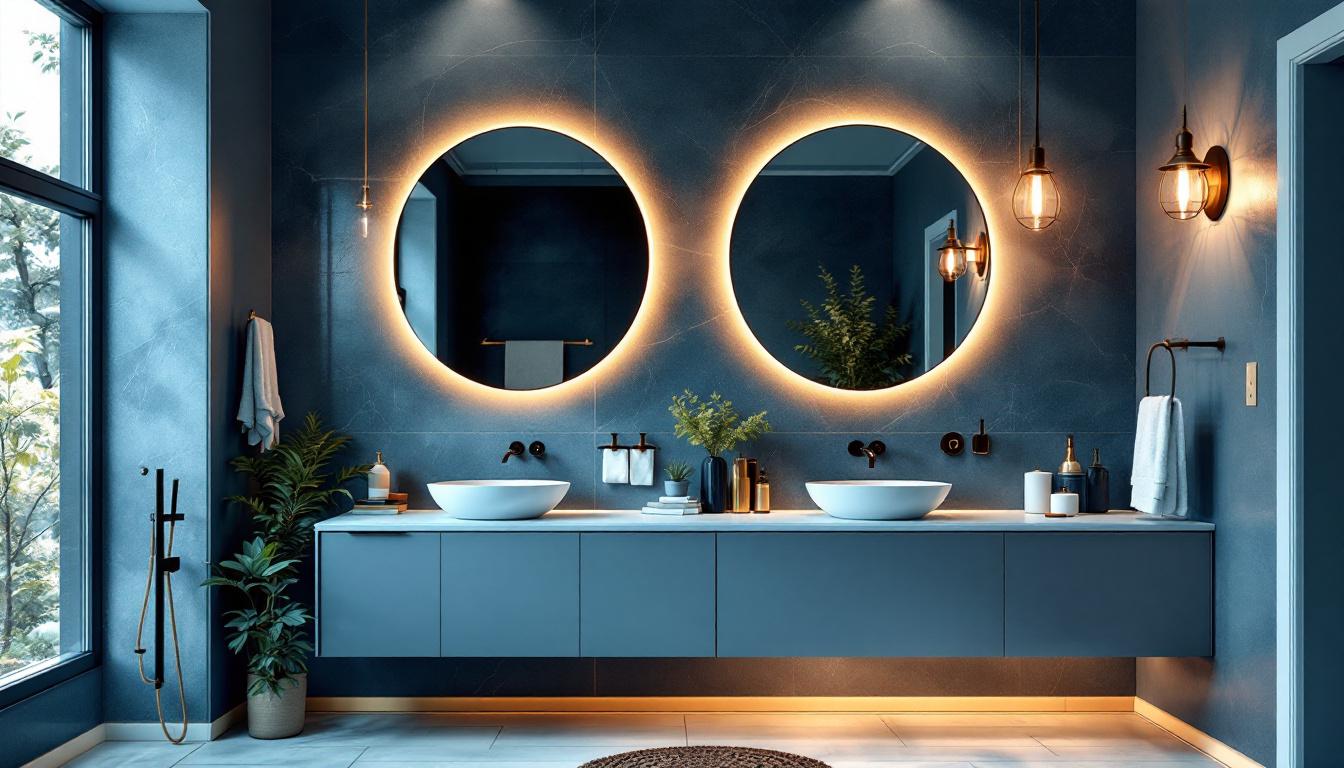
Backlighting shelves, mirrors, or artwork can create a stunning visual effect that transforms ordinary spaces into extraordinary ones. This not only adds value to the property but also showcases the contractor’s design capabilities.
Functional Lighting Solutions
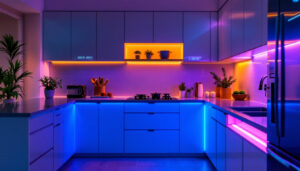
In addition to aesthetic applications, LED light strips can serve functional purposes. For instance, under-cabinet lighting in kitchens provides practical illumination for cooking and food preparation. Similarly, LED strips along staircases can improve safety by clearly marking steps in low-light conditions.
These functional applications not only enhance the usability of a space but also demonstrate the contractor’s commitment to providing solutions that meet the practical needs of clients.
Cost-Effectiveness of LED Light Strips
While the initial investment in LED light strips may be higher than traditional lighting options, the long-term cost savings are significant. The energy efficiency of LEDs leads to reduced electricity bills, while their longevity minimizes replacement costs.
Return on Investment
For contractors, presenting the return on investment (ROI) of LED light strips to clients can be a compelling selling point. By illustrating the potential savings on energy bills and maintenance costs over time, clients are more likely to appreciate the value of investing in LED technology.
Moreover, as energy efficiency becomes increasingly important to consumers, offering LED solutions can enhance a contractor’s reputation as a forward-thinking and environmentally conscious professional.
Incentives and Rebates
Many regions offer incentives or rebates for energy-efficient upgrades, including the installation of LED lighting. Contractors should stay informed about available programs that can benefit their clients. These incentives can further reduce the upfront costs associated with LED installations, making them an even more attractive option.
Challenges and Considerations
Despite the numerous advantages of LED light strips, there are challenges and considerations that contractors should keep in mind to ensure a successful installation.
Quality of Products
The market for LED lighting has grown rapidly, leading to a wide range of product quality. It is essential for contractors to source high-quality LED strips from reputable manufacturers. Poor-quality products can lead to issues such as color inconsistency, flickering, or premature failure.
Investing in reliable brands not only enhances the quality of the installation but also protects the contractor’s reputation. Clients will appreciate the durability and performance of the lighting solutions provided.
Heat Management
LEDs generate some heat, and while they are much cooler than traditional bulbs, proper heat management is crucial for maintaining their lifespan. Ensuring adequate ventilation and avoiding enclosed spaces can prevent overheating issues. Utilizing heat sinks or aluminum channels can also help dissipate heat effectively.
Future Trends in LED Lighting
The landscape of LED lighting continues to evolve, with advancements in technology and design shaping the future of lighting solutions. Staying abreast of these trends can help contractors remain competitive and offer cutting-edge solutions to clients.
Smart Lighting Integration
Smart lighting systems are gaining popularity, allowing users to control their lighting through smartphone apps or voice-activated devices. Integrating LED light strips into smart home systems can enhance convenience and provide clients with a modern, tech-savvy lighting solution.
As smart home technology continues to advance, the demand for integrated lighting solutions will likely increase, making it essential for contractors to familiarize themselves with these systems.
Environmental Considerations
With growing awareness of environmental issues, energy-efficient lighting solutions are becoming a priority for many consumers. Contractors who emphasize the sustainability of LED lighting and its positive impact on energy consumption will resonate with eco-conscious clients.
Furthermore, as manufacturers focus on creating more sustainable products, the availability of eco-friendly LED options is expected to rise, providing contractors with more choices to meet client demands.
Conclusion
Incorporating LED light strips into lighting projects can significantly enhance efficiency, aesthetics, and functionality. With their energy-saving benefits, versatility, and long lifespan, LED strips offer a compelling solution for contractors looking to elevate their work.
By understanding the installation techniques, design possibilities, and cost-effectiveness of LED light strips, contractors can provide clients with innovative lighting solutions that meet their needs and exceed their expectations. As the industry continues to evolve, embracing the latest trends and technologies will ensure that contractors remain at the forefront of the lighting market.
Ultimately, the integration of LED light strips into projects not only enhances the quality of lighting but also contributes to a more sustainable and efficient future in the lighting industry.
Illuminate Your Projects with LumenWholesale
Ready to take your lighting projects to the next level? At LumenWholesale, we provide contractors with the high-quality, spec-grade LED light strips you need to boost efficiency and dazzle your clients. Say goodbye to overpriced products and hello to our unbeatable wholesale prices, backed by the convenience of free shipping on bulk orders. Elevate your lighting solutions with the durability and performance that only LumenWholesale can offer. Don’t settle for less—Wholesale Lighting at the Best Value is just a click away.