As the demand for energy-efficient lighting solutions continues to rise, LED technology has become a cornerstone of modern home lighting design. For lighting contractors, understanding the intricacies of LED systems is essential not only for installation but also for providing clients with informed recommendations. This article delves into the various aspects of LED lighting in residential settings, offering insights that can enhance both service quality and customer satisfaction.
Understanding LED Technology
Light Emitting Diodes (LEDs) are semiconductor devices that emit light when an electric current passes through them. Unlike traditional incandescent or fluorescent bulbs, LEDs convert a higher percentage of energy into light rather than heat, making them significantly more efficient. This efficiency translates into lower energy bills for homeowners and a reduced carbon footprint, aligning with the growing trend towards sustainability. As energy conservation becomes increasingly important in our daily lives, the adoption of LED technology is not just a choice but a necessity for environmentally conscious consumers.
The Basics of LED Operation
LEDs operate on a principle known as electroluminescence, where electrons recombine with holes within the device, releasing energy in the form of photons. The color of the light emitted depends on the materials used in the semiconductor. This versatility allows for a wide range of color temperatures, from warm white to cool daylight, catering to various aesthetic preferences and functional needs in home lighting. Additionally, advancements in LED technology have led to the development of tunable white LEDs, which allow users to adjust the color temperature according to the time of day or specific activities, enhancing both mood and productivity.
Advantages of LEDs in Home Lighting
LEDs offer numerous advantages that make them an attractive choice for home lighting. Their long lifespan—often exceeding 25,000 hours—means fewer replacements and lower maintenance costs. Additionally, LEDs are durable and resistant to shock and vibration, making them suitable for various applications, including outdoor settings. This robustness is particularly beneficial for households with children or pets, where traditional bulbs might be more susceptible to breakage.
Moreover, LEDs emit less heat compared to traditional bulbs, reducing the risk of overheating and fire hazards. This characteristic not only enhances safety but also contributes to a more comfortable indoor environment, especially during warmer months. Furthermore, the directional nature of LED lighting allows for more efficient illumination of spaces, as they can be focused in specific directions without the need for reflectors, making them ideal for task lighting in kitchens or reading areas. With the ability to integrate smart technology, many LED systems now offer features such as dimming, color changing, and remote control, providing homeowners with unprecedented flexibility and control over their lighting environments.
Types of LED Lighting Solutions
For lighting contractors, familiarity with the different types of LED lighting solutions available is crucial. Each type serves distinct purposes and can be tailored to meet specific client needs.
Recessed Lighting
Recessed LED lighting is a popular choice for modern homes, providing a sleek and unobtrusive lighting solution. These fixtures are installed into the ceiling, creating a clean look while maximizing space. They are ideal for general illumination, accent lighting, or task lighting in areas like kitchens and living rooms.
When installing recessed LEDs, it’s essential to consider the beam angle and lumen output to ensure adequate lighting levels in the intended area. Dimming capabilities should also be discussed with clients, as they allow for customizable ambiance. Furthermore, the choice of trim style can significantly influence the overall aesthetic; options range from baffle trims that reduce glare to reflector trims that enhance brightness. This versatility makes recessed lighting a favorite among homeowners looking to achieve a polished and contemporary look.
LED Strip Lights
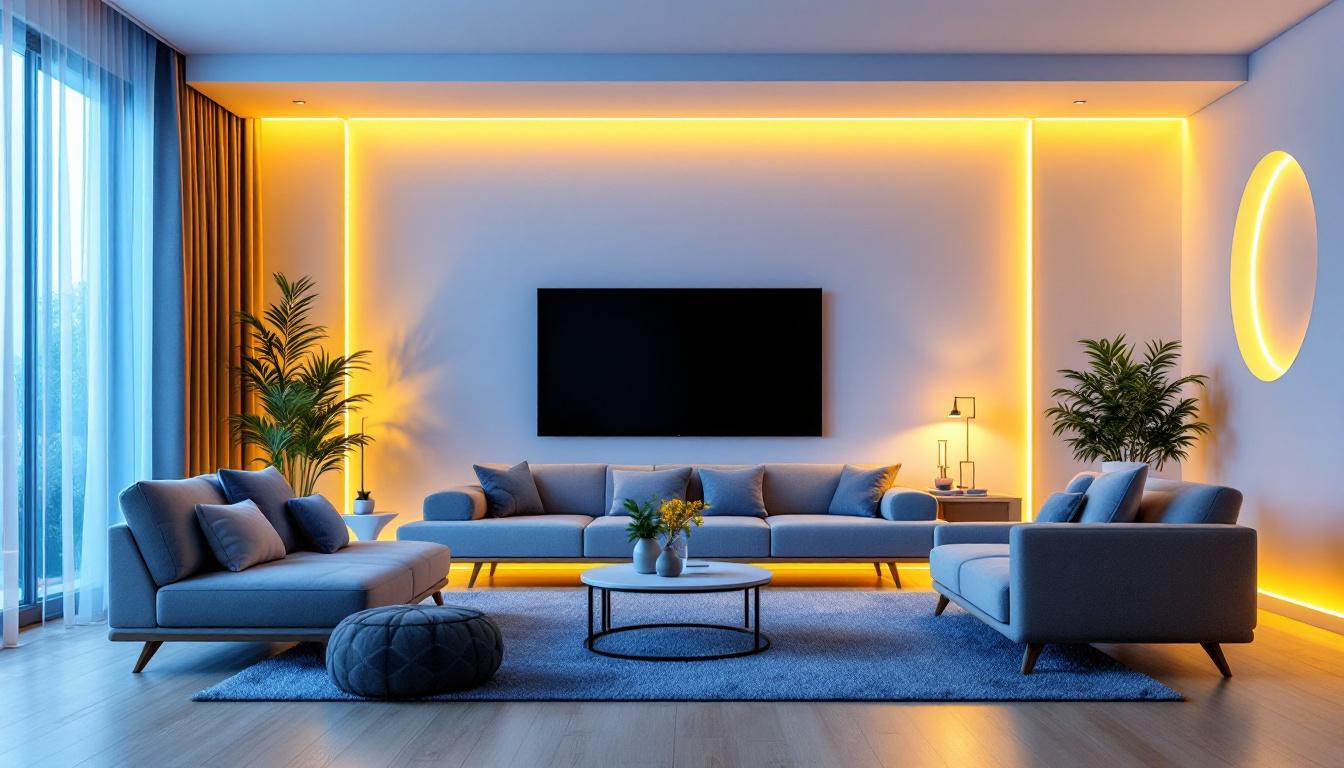
LED strip lights are versatile and can be used in various applications, from under-cabinet lighting to accentuating architectural features. These flexible strips can be cut to length, making them easy to install in both large and small spaces.
Contractors should educate clients on the different color temperatures and brightness levels available, as well as the importance of proper installation techniques to avoid issues such as overheating or inadequate adhesion. Incorporating smart controls can further enhance the functionality of LED strip lights, allowing for remote operation and scheduling. Additionally, the use of RGB (red, green, blue) LED strip lights can create dynamic lighting effects, perfect for setting the mood during gatherings or special occasions. Clients may appreciate the ability to customize colors and patterns, transforming their spaces into vibrant and engaging environments.
Smart LED Bulbs
Smart LED bulbs are revolutionizing home lighting by integrating technology with traditional lighting solutions. These bulbs can be controlled via smartphones or voice-activated devices, enabling users to adjust brightness, color, and scheduling from anywhere.
When recommending smart LED options, contractors should consider compatibility with existing home automation systems and ensure that clients understand the setup process. Additionally, educating clients on the benefits of energy monitoring features can help them appreciate the long-term savings associated with these advanced lighting solutions. Beyond mere convenience, smart bulbs often come with features such as scene setting and automation, allowing users to create specific lighting scenarios for different activities, whether it’s a cozy movie night or an energizing morning routine. This level of customization not only enhances the user experience but also promotes energy efficiency by ensuring lights are only used when needed.
Installation Best Practices
Proper installation is vital for maximizing the performance and lifespan of LED lighting systems. Lighting contractors should adhere to best practices to ensure a successful installation that meets both safety standards and client expectations.
Electrical Considerations
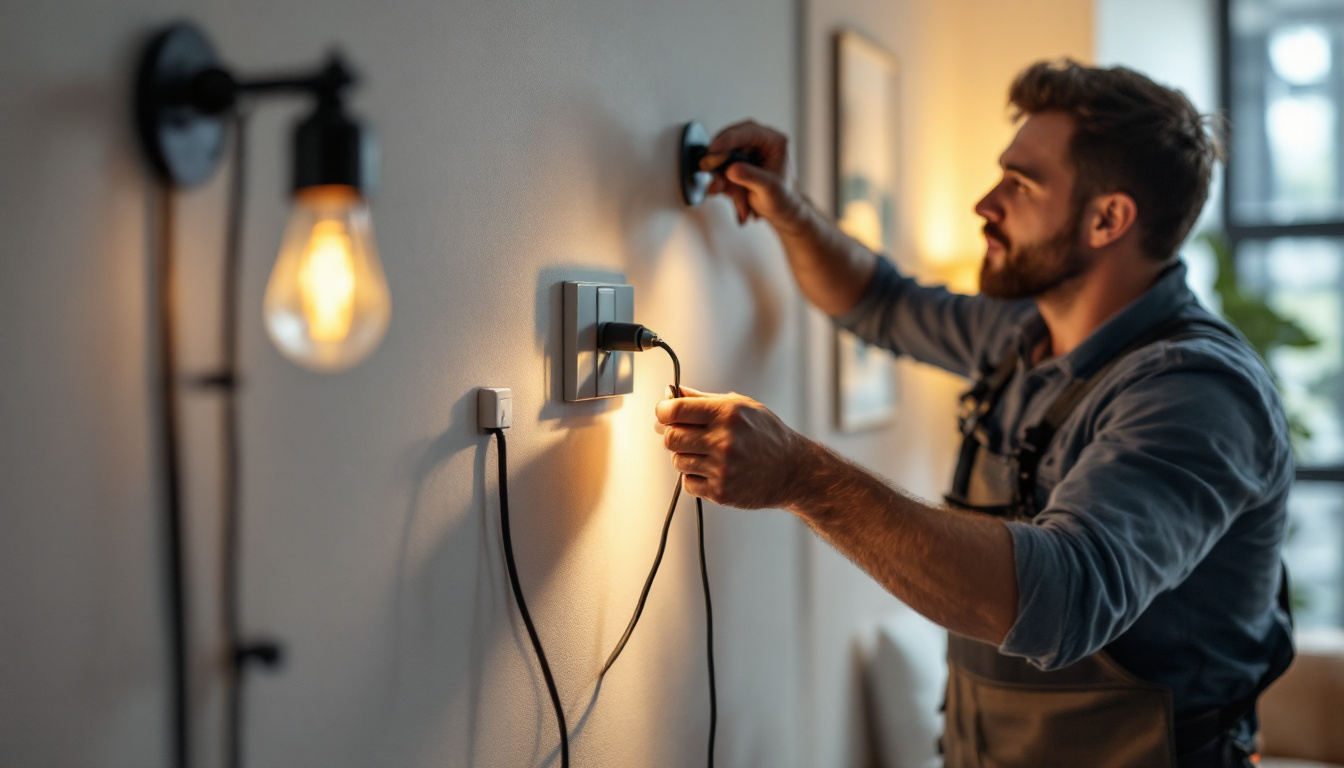
When installing LED lighting, it is crucial to assess the existing electrical system. LEDs typically require less wattage than traditional bulbs, but it is essential to ensure that the circuit can handle the load. Additionally, using compatible dimmers designed for LED technology can prevent flickering and extend the lifespan of the bulbs.
Contractors should also be aware of the potential for voltage drop in long runs of LED fixtures. Utilizing appropriate gauge wiring and minimizing the distance between the power source and the fixtures can mitigate this issue, ensuring consistent performance.
Placement and Design
Effective placement of LED fixtures can significantly impact the overall lighting design of a space. Contractors should consider the function of each room and the desired mood when determining fixture placement. For instance, layering different types of lighting—ambient, task, and accent—can create a dynamic and inviting atmosphere.
Additionally, the use of lighting design software can assist in visualizing the final outcome, allowing contractors to present clients with detailed plans and options before installation. This approach not only enhances client satisfaction but also helps in avoiding costly changes during the installation process.
Energy Efficiency and Sustainability
As energy efficiency becomes increasingly important in home design, LED lighting plays a pivotal role in promoting sustainability. Lighting contractors can position themselves as experts in this area, helping clients understand the long-term benefits of choosing LED solutions.
Energy Savings
LEDs consume significantly less energy than traditional incandescent or fluorescent bulbs. By switching to LED lighting, homeowners can expect to see a reduction in their energy bills, often by as much as 75%. This substantial savings not only benefits the homeowner but also contributes to a reduction in overall energy consumption, aligning with broader environmental goals.
Contractors can provide clients with detailed comparisons of energy consumption between different lighting options, emphasizing the financial and environmental advantages of LED technology. This information can be a persuasive factor in the decision-making process.
Recycling and Disposal
While LEDs are more environmentally friendly than traditional lighting options, proper disposal and recycling are still essential. Many LEDs contain small amounts of hazardous materials, such as lead and arsenic, which can be harmful if not disposed of correctly. Contractors should educate clients on local recycling programs and disposal guidelines to ensure that old bulbs are handled responsibly.
By promoting sustainable practices, contractors can enhance their reputation as environmentally conscious professionals, appealing to a growing segment of clients who prioritize sustainability in their home improvement projects.
Client Education and Support
Educating clients about LED technology and its benefits is a crucial aspect of a lighting contractor’s role. Providing comprehensive information not only helps clients make informed decisions but also fosters trust and satisfaction in the contractor-client relationship.
Product Knowledge
Contractors should stay updated on the latest advancements in LED technology, including new products and innovations. This knowledge enables them to offer clients the best options available, tailored to their specific needs. Regular training sessions and industry seminars can be valuable resources for keeping abreast of these developments.
Additionally, creating informative materials, such as brochures or online resources, can help clients understand the advantages of LED lighting and the various options available. This proactive approach can lead to more informed discussions during consultations.
After-Sales Support
Providing after-sales support is essential for maintaining client satisfaction and loyalty. Contractors should be available to address any questions or concerns that arise post-installation, ensuring that clients feel supported throughout their experience. This can include follow-up calls, maintenance tips, or troubleshooting assistance.
By establishing a reputation for excellent customer service, contractors can differentiate themselves in a competitive market and encourage repeat business and referrals.
Conclusion
LED lighting has transformed the landscape of home illumination, offering energy efficiency, versatility, and aesthetic appeal. For lighting contractors, mastering the nuances of LED technology is essential for delivering high-quality service and meeting the evolving needs of clients. By understanding the various types of LED solutions, adhering to best installation practices, promoting sustainability, and providing exceptional client education and support, contractors can position themselves as trusted experts in the field.
As the industry continues to evolve, staying informed and adaptable will be key to thriving in the competitive world of residential lighting. Embracing LED technology not only benefits contractors and their clients but also contributes to a more sustainable future for all.
Illuminate Your Projects with LumenWholesale
Ready to elevate your lighting installations with the efficiency and sustainability of LED technology? Look no further than LumenWholesale for all your lighting needs. We provide lighting contractors with the highest quality, spec-grade LED products at unbeatable wholesale prices. Say goodbye to local distributor markups and hello to superior lighting solutions that fit your budget. With our hassle-free bulk buying and free shipping, you’ll enjoy premium lighting at the best value — all without hidden fees or compromises. Don’t miss out on the perfect combination of quality, affordability, and convenience. Visit LumenWholesale today and discover the difference for yourself!