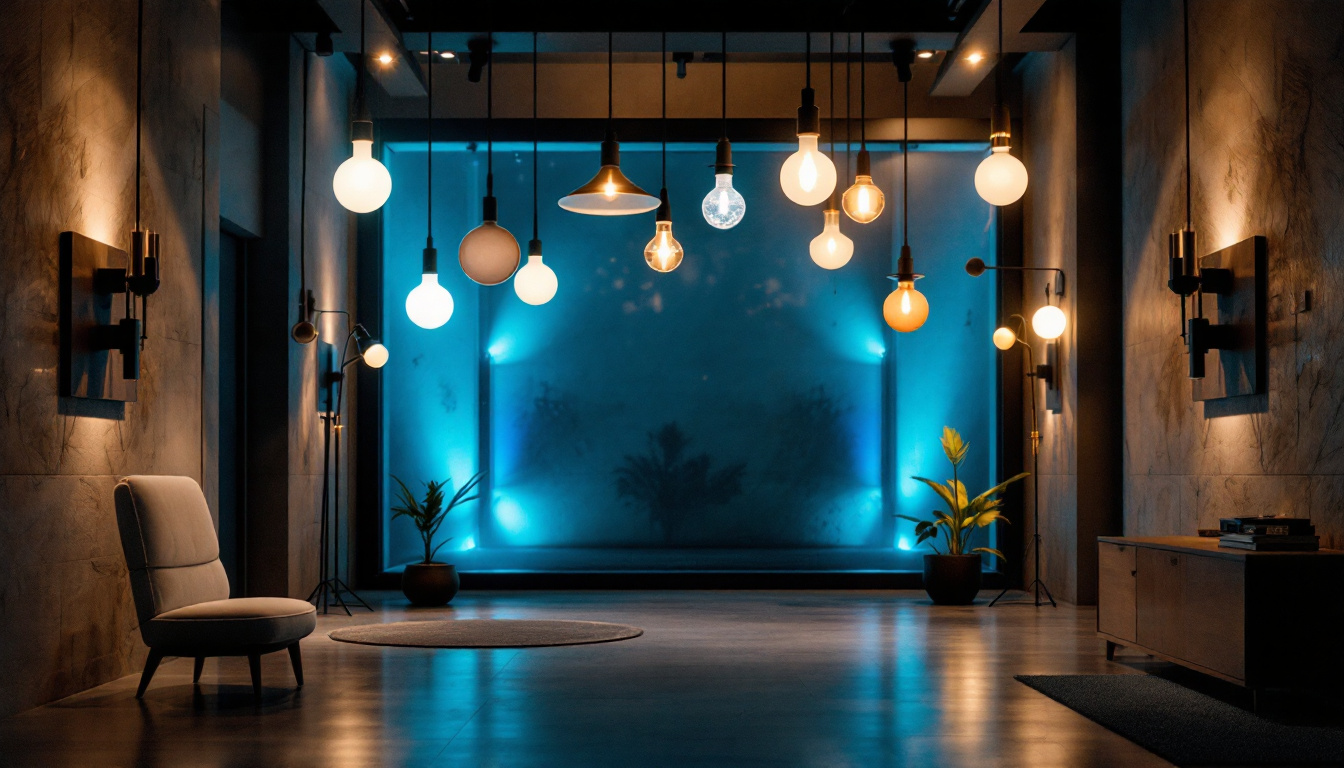
Understanding the Unique Challenges of Hallway Lighting
Hallways are often overlooked spaces when it comes to lighting design, yet they play a critical role in the overall functionality and ambiance of a building. For lighting contractors, mastering hallway lighting means addressing several unique challenges. Hallways are typically narrow, long, and lack natural light, which makes it essential to choose fixtures that provide adequate illumination without overwhelming the space.
One of the biggest challenges is achieving uniform light distribution. Uneven lighting can create shadows and dark spots, which not only detract from the aesthetic but can also pose safety risks. Additionally, hallways serve as transitional spaces, so the lighting must be comfortable enough to guide people through without causing glare or harsh contrasts. Contractors must balance brightness, color temperature, and fixture placement carefully to create a seamless lighting experience.
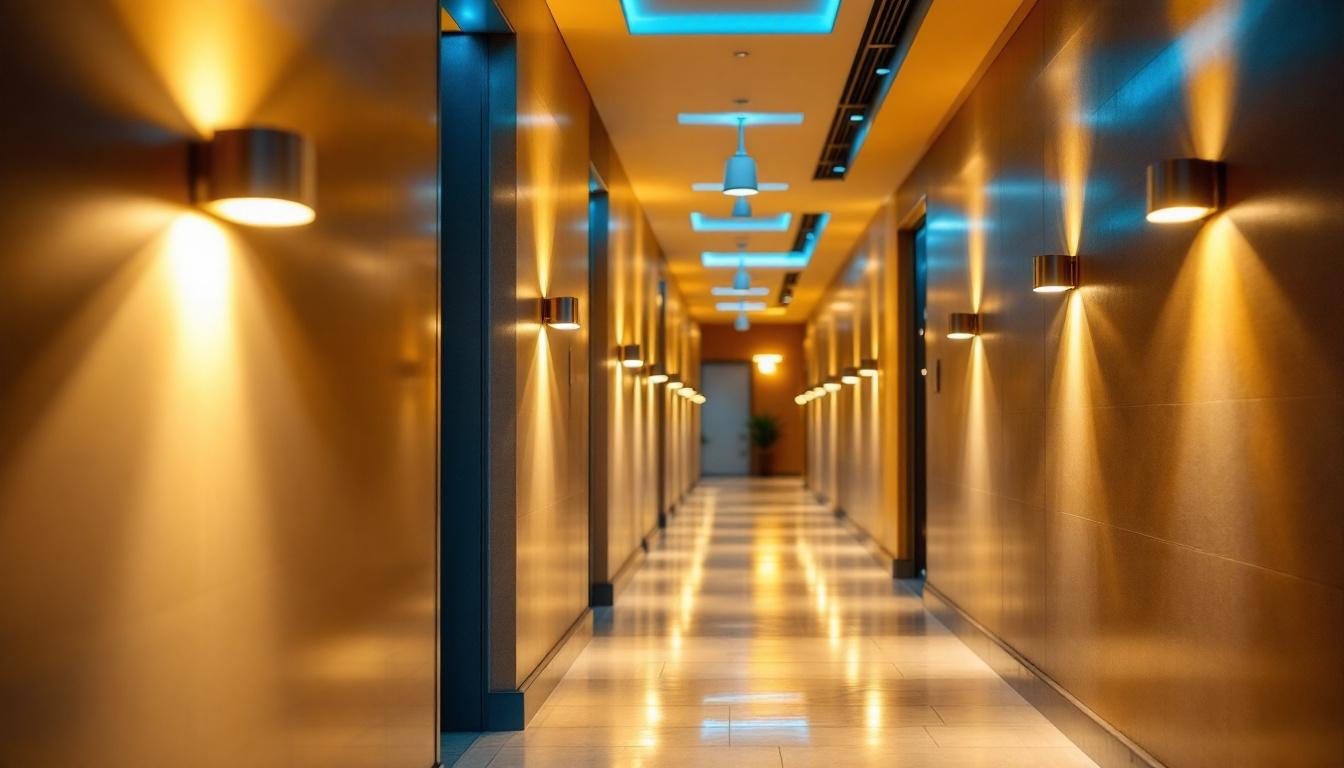
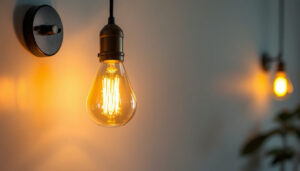
Moreover, the choice of lighting fixtures can greatly influence the mood and functionality of a hallway. For instance, recessed lighting can provide a sleek and modern look, while wall sconces can add a touch of warmth and character. The materials and finishes of these fixtures also play a significant role; polished metals can reflect light and enhance brightness, while matte finishes can help diffuse light more softly. It’s essential for contractors to consider the architectural style of the building and the intended use of the hallway when selecting fixtures, ensuring that the lighting complements the overall design.
Another important aspect to consider is energy efficiency. With the increasing emphasis on sustainability, lighting contractors are now tasked with integrating energy-efficient solutions that not only reduce electricity consumption but also lower maintenance costs. LED lighting has become a popular choice due to its longevity and lower heat output, making it ideal for hallways where fixtures may be left on for extended periods. Additionally, incorporating smart lighting controls, such as motion sensors or dimmers, can further enhance energy savings while providing flexibility in lighting levels based on the time of day or occupancy.
Why LED Fixtures Are the Best Choice for Hallways
LED technology has revolutionized lighting in commercial and residential spaces, and hallways are no exception. LEDs offer several advantages that make them ideal for hallway lighting projects. First and foremost, LEDs are highly energy-efficient. Hallways often require lights to be on for extended periods, so reducing energy consumption directly impacts operational costs.
Another significant benefit is the long lifespan of LED fixtures. Unlike traditional incandescent or fluorescent bulbs, LEDs can last tens of thousands of hours, reducing maintenance frequency and costs. This is especially important in commercial buildings where downtime for bulb replacement can disrupt operations.
LEDs also provide superior control over color temperature and brightness levels. This flexibility allows contractors to tailor the lighting to the specific needs of the hallway, whether it’s a warm, inviting tone for residential corridors or a bright, daylight-like quality for office environments. Additionally, LEDs produce minimal heat, which contributes to a safer and more comfortable environment.
Furthermore, the design versatility of LED fixtures enables them to seamlessly blend into various architectural styles. From sleek, modern designs to more traditional aesthetics, there are LED options available that can enhance the visual appeal of any hallway. This adaptability not only improves the overall ambiance but also allows for creative lighting solutions, such as accent lighting that highlights artwork or architectural features along the corridor.
Moreover, LED technology is inherently more environmentally friendly than traditional lighting options. With a lower carbon footprint and reduced hazardous waste, such as mercury found in fluorescent bulbs, LEDs contribute to a greener planet. Many municipalities are now incentivizing the use of LED lighting in public spaces, recognizing its role in sustainable development. This shift not only benefits the environment but also aligns with the growing consumer preference for eco-friendly products, making LED fixtures a socially responsible choice for hallway lighting.
Choosing the Right LED Hallway Light Fixtures
Fixture Types and Their Applications
Lighting contractors have a variety of LED fixture options to choose from when designing hallway lighting. Recessed downlights are a popular choice for modern hallways because they offer a clean, unobtrusive look while providing focused illumination. These fixtures are ideal for ceilings with limited space or where a minimalist aesthetic is desired. Their design allows them to blend seamlessly into the architecture, making them an excellent choice for contemporary spaces that prioritize sleek lines and simplicity.
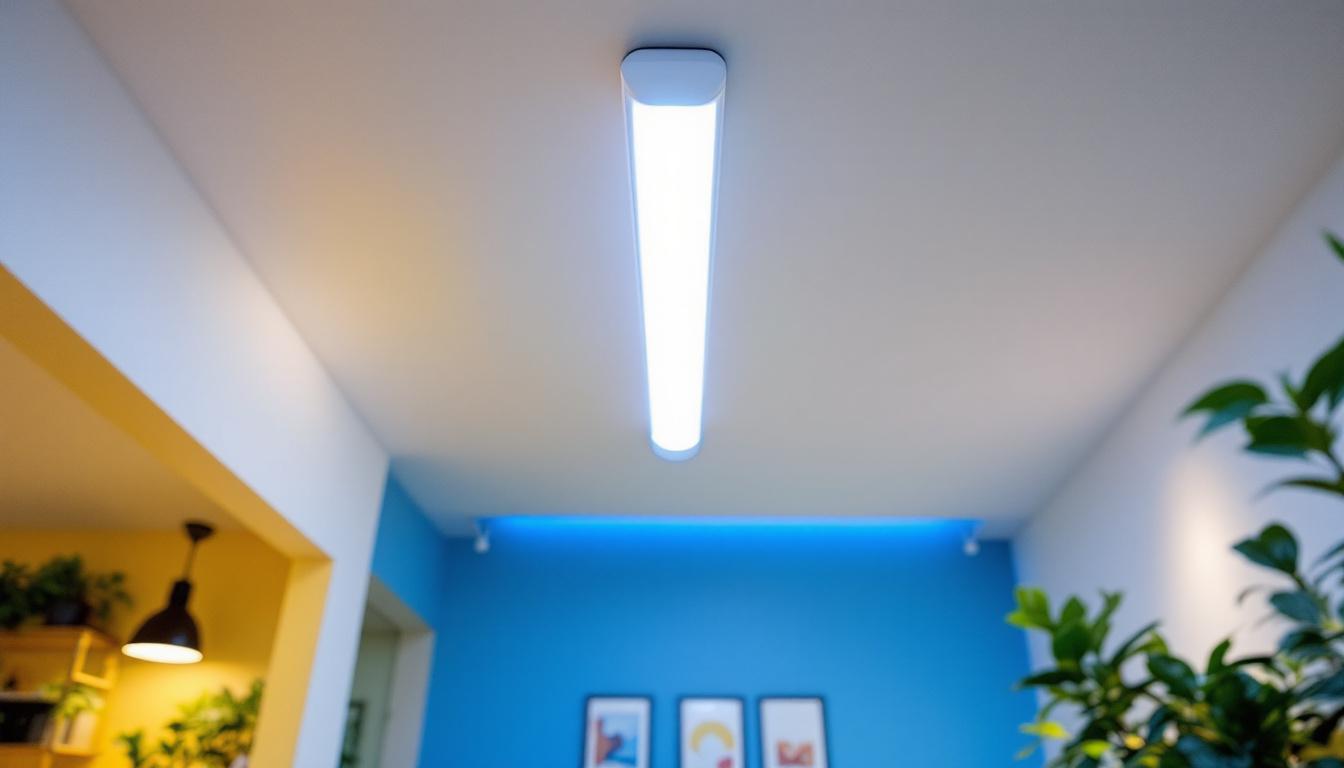
Surface-mounted LED fixtures are another common option. They are easier to install in existing structures without extensive ceiling modifications and come in a wide range of styles, from sleek and contemporary to more decorative designs. Surface-mounted fixtures can also be used to highlight architectural features or artwork in the hallway. For instance, a decorative surface-mounted fixture can serve as a statement piece, drawing the eye and adding character to an otherwise plain corridor. Additionally, these fixtures can be strategically placed to create focal points, enhancing the overall design and functionality of the space.
Wall sconces equipped with LED technology add both functional and decorative lighting. These fixtures can create layers of light that enhance depth and texture, making the hallway feel more inviting. For longer hallways, a combination of ceiling and wall-mounted LEDs can provide balanced illumination and reduce monotony. The placement of wall sconces can also influence the perception of space; for example, installing them at varying heights can create a dynamic visual effect that guides the eye along the corridor. Furthermore, many modern wall sconces offer adjustable brightness settings, allowing for versatility in mood and ambiance depending on the time of day or occasion.
Color Temperature and CRI Considerations
Color temperature plays a crucial role in setting the mood and functionality of hallway lighting. LEDs are available in a range of color temperatures, typically from warm white (2700K) to cool white (5000K). Warm white tones create a cozy, welcoming atmosphere, which is often preferred in residential or hospitality settings. Cooler temperatures, on the other hand, offer a crisp, clean look that enhances alertness and visibility, making them suitable for office or healthcare environments. The choice of color temperature can significantly impact how people perceive the space; for example, warmer tones may encourage relaxation, while cooler tones can stimulate activity and focus.
Color Rendering Index (CRI) is another important factor. A high CRI (above 80) ensures that colors appear natural and vibrant under the light. This is especially important in hallways where artwork, signage, or finishes need to be accurately represented. Lighting contractors should prioritize LED fixtures with high CRI ratings to enhance visual clarity and aesthetic appeal. In addition to CRI, the overall lumens output of the fixtures should be considered to ensure adequate brightness without creating harsh shadows or overly bright spots. Balancing these elements can lead to a well-lit hallway that not only serves its functional purpose but also enhances the overall experience of those who traverse it.
Installation Best Practices for LED Hallway Lighting
Planning Fixture Placement for Optimal Coverage
Effective hallway lighting depends heavily on strategic fixture placement. Lighting contractors should start by measuring the hallway dimensions and calculating the required lumens to achieve the desired brightness level. A general guideline is to aim for 100 to 150 lumens per square meter, but this can vary based on the hallway’s purpose and ambient light conditions.
Spacing between fixtures should be consistent to avoid dark patches. For recessed downlights, a common rule is to space them at a distance equal to half the ceiling height. For example, in a hallway with an 8-foot ceiling, fixtures should be spaced about 4 feet apart. This approach helps create uniform light distribution and reduces shadows.
Wiring and Electrical Considerations
LED fixtures often operate on low voltage or require specific drivers, so contractors must ensure compatibility with the existing electrical system. Proper wiring techniques and adherence to local electrical codes are essential to guarantee safety and performance. Using dimmable LED drivers can add flexibility, allowing occupants to adjust lighting levels according to their needs.
Contractors should also consider integrating occupancy sensors or timers in hallway lighting systems. These controls can significantly reduce energy waste by ensuring lights are only on when the hallway is in use. Modern LED fixtures often come with built-in sensor compatibility, simplifying installation and enhancing energy efficiency.
Maintenance and Troubleshooting Tips
Although LEDs require less maintenance than traditional lighting, regular inspections are still necessary to ensure optimal performance. Contractors should advise clients to check for flickering, dimming, or color shifts, which may indicate driver issues or fixture degradation. Promptly addressing these problems can extend fixture life and maintain lighting quality.
Cleaning LED fixtures is straightforward but important. Dust and dirt can accumulate on lenses and diffusers, reducing light output. Using a soft cloth and mild cleaning solutions will keep fixtures bright without damaging sensitive components. For recessed fixtures, ensuring the housing is sealed properly prevents dust ingress and potential electrical hazards.
Emerging Trends Lighting Contractors Should Watch
Advancements in smart lighting technology are transforming hallway lighting. LED fixtures now often come with wireless controls, allowing for remote dimming, color tuning, and scheduling through smartphone apps or building management systems. These features enable customized lighting scenes that can enhance security, comfort, and energy savings.
Human-centric lighting is another trend gaining traction. By adjusting color temperature and intensity throughout the day, lighting can support circadian rhythms, improving occupant well-being. Lighting contractors who incorporate these technologies into hallway projects can offer clients innovative solutions that go beyond basic illumination.
Finally, sustainable design remains a priority. Specifying LED fixtures with eco-friendly certifications and recyclable materials aligns with green building standards and client expectations. Contractors who stay informed about these developments position themselves as leaders in the industry.
Conclusion: Mastering LED Hallway Lighting
Hallway lighting may seem straightforward, but it demands careful consideration and expertise. Lighting contractors who understand the nuances of LED technology, fixture selection, installation, and maintenance can deliver exceptional results that enhance safety, aesthetics, and energy efficiency. By staying current with emerging trends and best practices, contractors can confidently master LED hallway light fixtures and provide lasting value to their clients.
Illuminate Your Projects with LumenWholesale
Ready to elevate your LED hallway lighting projects? At LumenWholesale, we provide lighting contractors with the highest quality, spec-grade LED fixtures at unbeatable wholesale prices. Say goodbye to inflated markups and hello to a vast selection of reliable, high-performance lighting that meets the most stringent industry standards. With the convenience of free shipping and bulk buying, you can ensure your projects shine with excellence without breaking the bank. Discover the ideal fusion of quality, affordability, and convenience. Take the next step in mastering LED hallway lighting by visiting Wholesale Lighting at the Best Value today.