Understanding the Importance of LED Front Porch Lighting
Front porch lighting serves as both a functional and aesthetic element in residential and commercial properties. For lighting contractors, selecting and installing the right LED front porch lights is crucial to ensuring safety, enhancing curb appeal, and meeting client expectations. LEDs have revolutionized porch lighting by offering superior energy efficiency, longevity, and design flexibility compared to traditional incandescent or halogen bulbs.
According to industry data, LED lighting can reduce energy consumption by up to 80% compared to conventional lighting solutions. This significant reduction not only benefits homeowners with lower utility bills but also aligns with growing environmental regulations and sustainability goals. For contractors, understanding these benefits is essential when advising clients and specifying products.
Why LED Over Traditional Lighting?
LEDs provide immediate full brightness without warm-up time, are more resistant to shock and vibration, and have a longer lifespan—often exceeding 25,000 hours. This durability minimizes maintenance calls, a key consideration for contractors aiming to provide reliable solutions. Additionally, LEDs generate less heat, reducing fire risks and improving safety on front porches, which often feature flammable materials like wood.
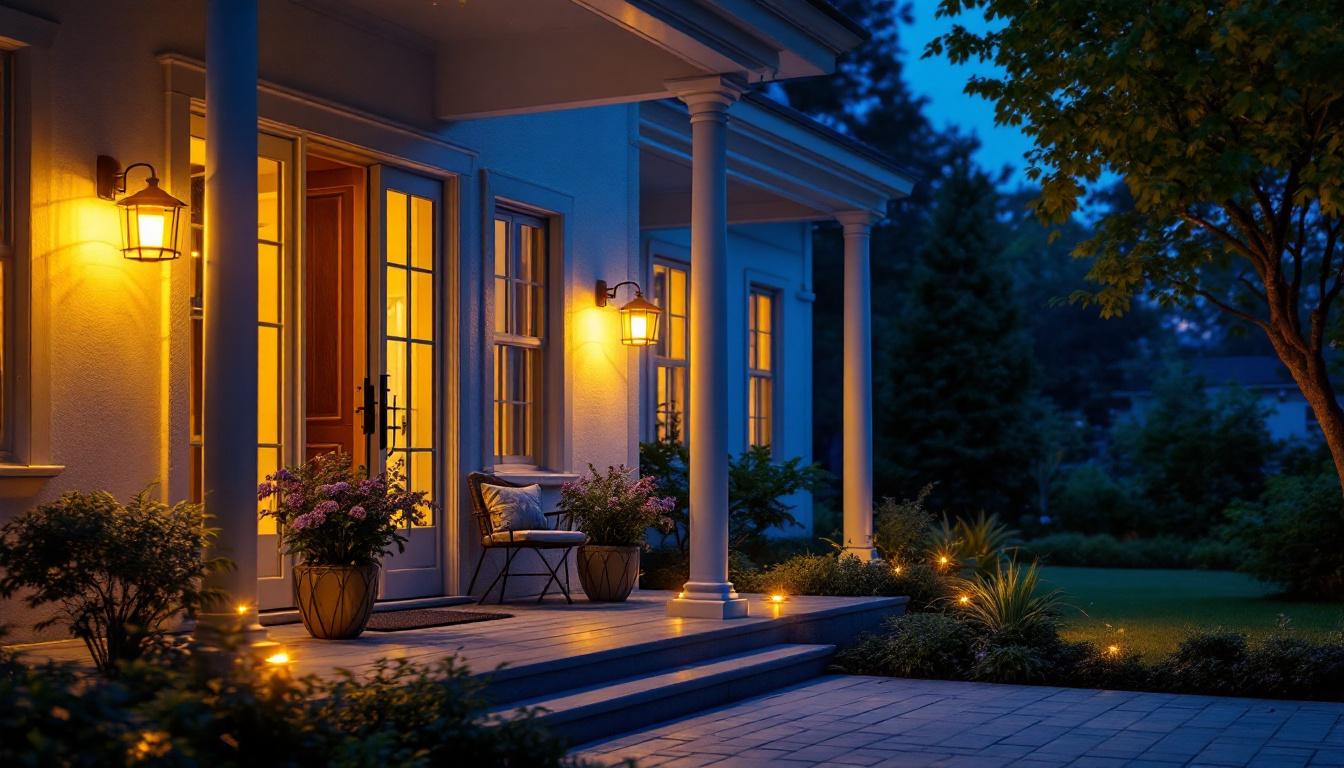
Moreover, the versatility of LED lighting allows for creative design possibilities that can complement various architectural styles. From sleek, modern fixtures to vintage-inspired lanterns, the range of available designs means that contractors can cater to diverse client aesthetics. This adaptability not only enhances the visual appeal of a home but can also increase its market value. Furthermore, with advancements in smart lighting technology, homeowners can now control their porch lights remotely, set schedules, and even integrate them with home security systems, adding an extra layer of convenience and safety.
In addition to their aesthetic and practical benefits, LED lights also contribute to a more sustainable future. By choosing energy-efficient lighting solutions, homeowners can significantly reduce their carbon footprint. This is particularly relevant as more consumers prioritize eco-friendly options in their purchasing decisions. For contractors, being knowledgeable about the environmental impact of lighting choices can position them as experts in sustainability, potentially attracting more clients who value green building practices. As the trend towards energy-efficient homes continues to grow, incorporating LED front porch lighting into projects will not only meet current demands but also set the stage for future innovations in outdoor lighting design.
Key Factors When Selecting LED Front Porch Lights
Choosing the right LED fixtures for a front porch involves multiple considerations beyond simply picking an energy-efficient bulb. Lighting contractors must evaluate the environment, client preferences, and technical specifications to ensure optimal performance and satisfaction.
1. Lumens and Brightness Levels
Brightness is measured in lumens, and front porch lighting typically requires between 400 to 1,000 lumens depending on the size of the porch and the desired ambiance. Contractors should guide clients on selecting fixtures that provide adequate illumination for safety without causing glare or light pollution.
For example, a small porch might only need a fixture emitting 400-600 lumens, while a larger or multi-level porch may require multiple fixtures or higher lumen outputs. Dimmable LED options offer additional flexibility, allowing residents to adjust lighting according to time of day or activity. This adaptability not only enhances the usability of the space but also contributes to energy savings, as lower light levels can be employed during evenings or when the porch is not in use.
2. Color Temperature and Mood
Color temperature, measured in Kelvins (K), influences the mood and appearance of the porch. Warm white light (2700K-3000K) creates a welcoming, cozy atmosphere, ideal for residential settings. Cooler white light (3500K-4100K) offers a more neutral tone, suitable for modern designs or commercial properties.
Contractors should consider the architectural style of the home and client preferences when recommending color temperatures. Offering samples or demonstrating fixtures in situ can help clients visualize the effect before installation. Additionally, the choice of color temperature can affect how colors and textures are perceived; for instance, warm light can enhance the natural hues of wooden finishes and plants, while cooler light can emphasize sleek, contemporary designs.
3. Fixture Style and Material Durability
The design of the light fixture should complement the home’s exterior while withstanding outdoor conditions. Materials such as aluminum, stainless steel, and weather-resistant plastics are common choices for their corrosion resistance and durability.
Contractors must ensure fixtures have appropriate Ingress Protection (IP) ratings—typically IP44 or higher—to resist dust and water ingress. This is critical for front porch lights exposed to rain, snow, and temperature fluctuations. Furthermore, aesthetic considerations should not be overlooked; fixtures can serve as decorative elements that enhance curb appeal. Options ranging from vintage lantern styles to sleek modern designs allow homeowners to express their personal style while ensuring functionality and resilience against the elements.
Installation Best Practices for LED Front Porch Lights
Proper installation is essential to maximize the benefits of LED porch lighting. Lighting contractors should follow industry standards and manufacturer guidelines to ensure safety, functionality, and longevity.
1. Electrical Safety and Compliance
Before installation, verify that the electrical circuit can support the new LED fixtures. Although LEDs consume less power, outdated wiring or overloaded circuits can pose hazards. Contractors should adhere to local electrical codes and obtain any necessary permits.
Using weatherproof junction boxes and connectors designed for outdoor use is vital. Additionally, grounding the fixtures properly reduces the risk of electrical shock and enhances system reliability. It is also advisable to consider installing a dedicated circuit for the porch lights, especially if multiple fixtures are being added. This can help prevent circuit overload and ensure that the lights operate efficiently without affecting other appliances in the home.
2. Positioning and Mounting Techniques
The placement of front porch lights affects both illumination quality and aesthetic appeal. Fixtures should be mounted at a height that evenly lights the entryway without casting harsh shadows or creating glare for passersby.
Common mounting heights range from 6 to 8 feet above the porch floor. Contractors should also consider the angle of light distribution, selecting fixtures with adjustable heads or diffusers to direct light where needed. Additionally, the style of the porch and the surrounding landscape should influence fixture selection; for example, sleek, modern designs might better suit contemporary homes, while vintage-style lanterns could enhance the charm of traditional architecture. Thoughtful placement can also highlight architectural features or landscaping elements, creating a welcoming atmosphere.
3. Wiring and Energy Efficiency Considerations
LED fixtures often integrate with smart home systems or motion sensors to further enhance energy savings. Contractors should discuss these options with clients, highlighting benefits such as automated lighting schedules, remote control, and increased security.
Using low-voltage LED systems can simplify wiring and reduce energy consumption, but requires compatible transformers and careful planning. Ensuring that all components are compatible and installed correctly prevents premature failures and costly callbacks. Furthermore, contractors should educate homeowners on the importance of regular maintenance, such as cleaning fixtures and checking connections, to prolong the lifespan of the lighting system. This proactive approach not only enhances performance but also ensures that the porch remains a safe and inviting space throughout the year.
Maintenance and Troubleshooting Tips for Contractors
Though LED lights require less maintenance than traditional bulbs, periodic inspection and upkeep ensure continued performance and client satisfaction.
1. Routine Cleaning and Inspection
Dirt, dust, and insect debris can accumulate on fixtures, diminishing light output and potentially causing overheating. Contractors should advise clients to clean fixtures periodically with non-abrasive cloths and mild detergents.
Inspecting seals and gaskets during routine maintenance helps prevent moisture ingress, which can damage LED components and wiring.
2. Identifying and Resolving Common Issues
Common problems include flickering lights, dimming, or complete failure. Flickering may indicate loose wiring connections or incompatible dimmers, while dimming could signal voltage drops or aging drivers.
Contractors should carry diagnostic tools such as multimeters and voltage testers to quickly identify electrical issues. Replacing faulty drivers or upgrading dimmer switches to LED-compatible models often resolves these problems.
3. Warranty and Replacement Strategies
Most quality LED fixtures come with warranties ranging from 3 to 10 years. Contractors should familiarize themselves with warranty terms to assist clients in claims and replacements.
Maintaining detailed records of installed products, including model numbers and installation dates, streamlines service calls and enhances professionalism.
Emerging Trends and Technologies in LED Porch Lighting
Lighting contractors must stay informed about innovations shaping the industry to offer cutting-edge solutions and maintain competitive advantage.
1. Smart Lighting Integration
Smart LED porch lights enable homeowners to control lighting remotely via smartphones or voice assistants. Features include programmable schedules, color-changing capabilities, and integration with security systems.
Contractors should evaluate compatibility with existing smart home ecosystems and educate clients on installation and usage benefits.
2. Solar-Powered LED Fixtures
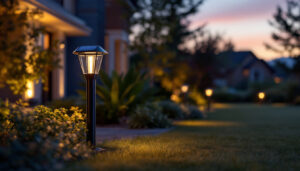
Solar LED porch lights are gaining popularity due to their independence from electrical wiring and zero operating costs. Modern solar fixtures incorporate efficient photovoltaic cells and long-lasting batteries, providing reliable illumination even in low-light conditions.
While installation is simpler, contractors must assess site-specific factors such as sunlight exposure and shading to ensure optimal performance.
3. Advanced Materials and Designs
Innovations in materials science have led to more durable, weather-resistant fixtures with sleek, contemporary designs. Some models feature integrated sensors for ambient light adjustment or motion detection, enhancing both convenience and security.
Contractors should keep abreast of these developments through manufacturer training and industry events to offer clients the latest options.
Conclusion: Delivering Excellence in LED Front Porch Lighting
LED front porch lighting represents a critical element in modern exterior lighting projects. For lighting contractors, a thorough understanding of LED technology, careful product selection, meticulous installation, and proactive maintenance are key to delivering superior results.
By following this comprehensive checklist—covering technical specifications, installation best practices, troubleshooting, and emerging trends—contractors can enhance client satisfaction, reduce callbacks, and position themselves as trusted experts in the lighting industry.
Illuminate Your Projects with LumenWholesale
Ready to elevate your LED front porch lighting installations with the finest selection of spec-grade products? Look no further than LumenWholesale, where we offer contractors the best in quality and value. Our extensive range of top-quality lighting solutions is designed to meet the highest industry standards, ensuring every project shines with reliability and performance. Say goodbye to inflated markups and hello to unbeatable wholesale prices, complemented by the convenience of free shipping on bulk orders. Don’t compromise on quality or cost—choose LumenWholesale for your lighting needs and make your next project a glowing success. Discover our premium lighting options at the best value by visiting Wholesale Lighting at the Best Value.