In recent years, the demand for energy-efficient lighting solutions has surged, leading to the widespread adoption of LED technology. Among the various options available, LED flexible strip lights have emerged as a popular choice for both residential and commercial applications. This article explores the impact of LED flexible strip lights on energy efficiency, delving into their benefits, applications, and the future of lighting technology.
Understanding LED Flexible Strip Lights
LED flexible strip lights are versatile lighting solutions that consist of a series of light-emitting diodes mounted on a flexible circuit board. These strips can be easily cut to length, allowing for customization in various settings. Their flexibility enables installation in tight spaces, around corners, or in creative designs, making them an ideal choice for a wide range of applications.
Key Features of LED Flexible Strip Lights
One of the standout features of LED flexible strip lights is their energy efficiency. Unlike traditional incandescent or fluorescent lights, LEDs consume significantly less power while providing the same, if not greater, brightness. This efficiency translates to lower energy bills and reduced carbon footprints, making them an environmentally friendly option.
Moreover, LED flexible strip lights have a long lifespan, often lasting up to 25 times longer than traditional lighting solutions. This longevity not only reduces the frequency of replacements but also minimizes waste, contributing to a more sustainable approach to lighting. Additionally, many LED strips are available in various color temperatures, ranging from warm white to cool daylight, allowing users to select the perfect ambiance for their space.
Applications in Various Settings
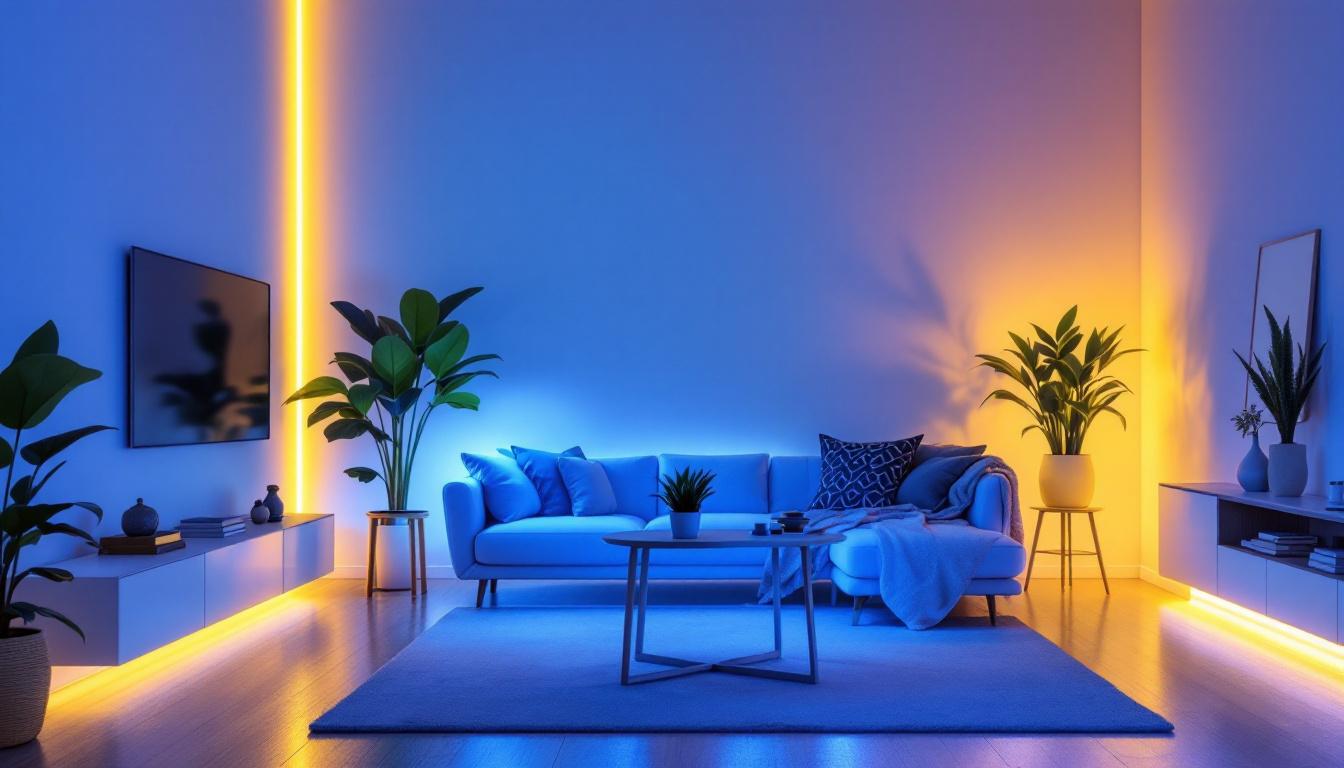
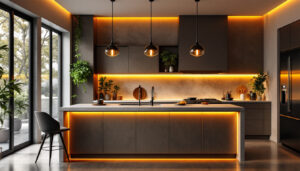
LED flexible strip lights are incredibly versatile, finding applications in numerous settings. In residential spaces, they can be used for accent lighting, under-cabinet illumination, or even as part of decorative installations. Their ability to create ambient lighting enhances the aesthetic appeal of homes, making them a favorite among homeowners and interior designers alike. For instance, they can be strategically placed behind furniture or along architectural features to create a soft glow that highlights the design elements without overwhelming the space.
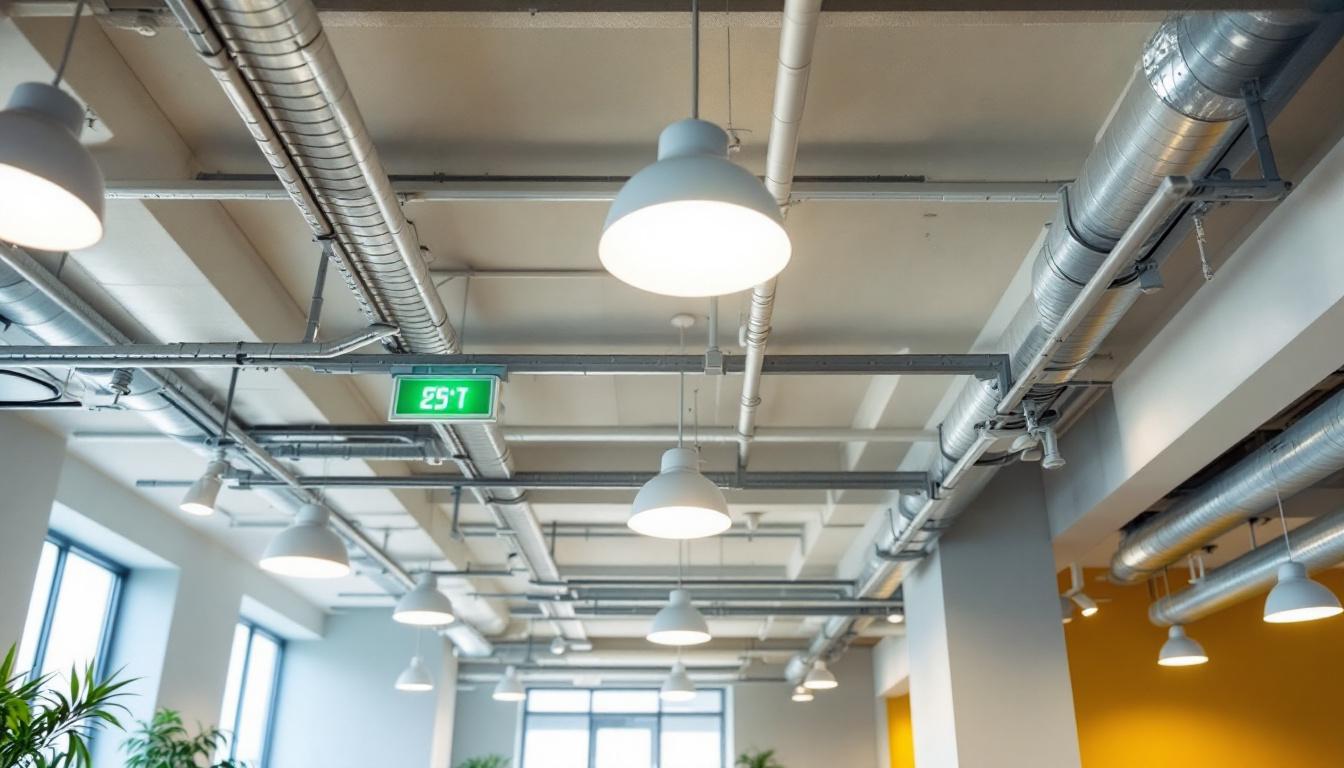
In commercial environments, these lights are often utilized for signage, display lighting, and architectural features. Retail stores, restaurants, and offices benefit from the customizable nature of LED strips, allowing businesses to create inviting atmospheres that attract customers and enhance productivity. Furthermore, the ability to control brightness and color through smart technology means that businesses can adapt their lighting to suit different times of day or special events, ensuring that the environment remains dynamic and engaging.
Beyond homes and businesses, LED flexible strip lights are also gaining popularity in the automotive industry. Car enthusiasts use them for interior lighting, underbody glow, and even as part of custom lighting setups for shows. The ease of installation and the wide range of colors available make these strips a favorite for personalizing vehicles, allowing owners to express their style and creativity on the road.
The Energy Efficiency of LED Technology
Energy efficiency is a critical factor in modern lighting solutions, and LED technology excels in this regard. Traditional lighting options, such as incandescent bulbs, convert a significant portion of energy into heat rather than light. In contrast, LEDs convert nearly 100% of their energy into light, resulting in minimal waste and lower energy consumption. This remarkable efficiency not only benefits consumers by lowering electricity bills but also supports broader initiatives aimed at reducing energy consumption on a global scale.
Comparative Analysis with Traditional Lighting
When comparing LED flexible strip lights to traditional lighting options, the differences in energy consumption are striking. For instance, an LED strip that produces the same amount of light as a standard incandescent bulb typically uses only a fraction of the power. This efficiency not only leads to cost savings for consumers but also plays a vital role in reducing overall energy demand. Moreover, the longevity of LED lights—often lasting up to 25,000 hours or more—means that consumers spend less time and money on replacements, further enhancing their economic appeal.
Furthermore, the lower heat output of LED lights contributes to energy savings in cooling costs, particularly in commercial settings where lighting can significantly impact indoor temperatures. By using LED flexible strip lights, businesses can reduce their reliance on air conditioning systems, leading to further energy efficiency gains. This is especially important in regions with hot climates, where cooling costs can be a substantial part of operational expenses. The ability of LEDs to maintain a cooler environment not only enhances comfort but also improves the overall efficiency of HVAC systems, creating a more sustainable and cost-effective solution for businesses.
Environmental Impact
The environmental benefits of LED flexible strip lights extend beyond energy savings. By consuming less power, these lights contribute to a decrease in greenhouse gas emissions associated with electricity generation. As more individuals and businesses adopt energy-efficient lighting solutions, the cumulative effect can lead to a significant reduction in overall carbon footprints. This shift is critical in the fight against climate change, as reducing energy consumption directly correlates with lower emissions from fossil fuel power plants, which are major contributors to global warming.
Additionally, the long lifespan of LED technology means fewer bulbs end up in landfills, reducing waste and promoting sustainability. Unlike traditional bulbs, which often contain hazardous materials like mercury, LEDs are generally free from such substances, making them a safer choice for both users and the environment. As society becomes increasingly aware of environmental issues, the shift toward LED lighting solutions represents a positive step in the right direction. Furthermore, the recyclability of LED components encourages responsible disposal practices, allowing consumers to contribute to a circular economy where materials are reused and repurposed rather than discarded. This holistic approach to lighting not only enhances energy efficiency but also fosters a culture of sustainability that resonates with eco-conscious consumers and businesses alike.
Cost-Effectiveness of LED Flexible Strip Lights
While the initial investment in LED flexible strip lights may be higher than traditional lighting options, the long-term cost savings make them an attractive choice for both residential and commercial applications. The combination of lower energy consumption, longer lifespans, and reduced maintenance costs contributes to a favorable return on investment.
Long-Term Savings
Calculating the total cost of ownership for lighting solutions reveals that LED flexible strip lights often outperform traditional options. Over time, the savings on energy bills can significantly offset the initial purchase price. For businesses, this translates to improved bottom lines and the ability to allocate resources to other areas of operation.
Moreover, the reduced frequency of replacements means less labor and material costs associated with maintenance. This is particularly beneficial in commercial settings where lighting maintenance can be disruptive and costly.
Incentives and Rebates
Many governments and utility companies offer incentives and rebates for the adoption of energy-efficient lighting solutions, including LED flexible strip lights. These programs can further reduce the upfront costs, making it easier for consumers and businesses to transition to more sustainable lighting options.
Contractors and lighting professionals should stay informed about available incentives in their regions to provide clients with comprehensive options for financing their lighting upgrades. This knowledge can enhance the value of services offered and promote the adoption of energy-efficient technologies.
Installation Considerations
When it comes to installing LED flexible strip lights, several factors must be considered to maximize their effectiveness and energy efficiency. Proper installation ensures that the lights perform optimally and deliver the desired aesthetic and functional benefits.
Choosing the Right Power Supply
LED flexible strip lights require a compatible power supply to operate effectively. Selecting the appropriate voltage and wattage is crucial to ensure that the strips function correctly without overheating or failing prematurely. Contractors should assess the total length of the strip lights and the power requirements to choose a suitable power supply.
Additionally, using a dimmer switch can enhance the energy efficiency of LED strips by allowing users to adjust the brightness according to their needs. This not only saves energy but also extends the lifespan of the lights by reducing the amount of power they consume.
Placement and Design
Strategic placement of LED flexible strip lights can significantly impact their energy efficiency and overall effectiveness. Properly positioning the lights can enhance the desired ambiance while minimizing the need for additional lighting sources. For instance, placing lights in areas where they can reflect off surfaces can amplify brightness and reduce energy consumption.
Moreover, considering the color temperature of the LEDs is essential for achieving the desired atmosphere. Warmer tones create a cozy environment, while cooler tones are ideal for task-oriented spaces. Understanding the specific needs of each area will guide the design and placement of the lighting.
The Future of LED Flexible Strip Lights
The evolution of LED technology continues to shape the future of lighting solutions. As advancements in technology emerge, LED flexible strip lights are expected to become even more energy-efficient and versatile. Innovations in smart lighting, connectivity, and integration with home automation systems are on the horizon, promising to enhance user experience and energy management.
Smart Lighting Integration
Smart lighting systems allow users to control their lighting remotely, adjust brightness, and set schedules for when lights should be on or off. Integrating LED flexible strip lights into smart home systems provides users with the flexibility to optimize energy usage based on their routines and preferences.
By leveraging smart technology, homeowners and businesses can further reduce energy consumption, contributing to sustainability goals while enjoying the convenience of modern lighting solutions.
Continued Innovation in Design
As the demand for aesthetically pleasing and functional lighting grows, manufacturers are continually innovating in the design of LED flexible strip lights. New colors, styles, and features are being developed to meet the diverse needs of consumers and contractors alike.
This ongoing innovation ensures that LED flexible strip lights remain a relevant and appealing choice for various applications, further solidifying their role in the energy-efficient lighting landscape.
Conclusion
LED flexible strip lights represent a significant advancement in energy-efficient lighting technology. Their versatility, long lifespan, and low energy consumption make them an ideal choice for both residential and commercial applications. As the world continues to prioritize sustainability, the adoption of LED lighting solutions will play a crucial role in reducing energy demand and minimizing environmental impact.
For lighting contractors, understanding the benefits and applications of LED flexible strip lights is essential in providing clients with effective and sustainable lighting solutions. By staying informed about the latest trends and innovations in LED technology, contractors can enhance their services and contribute to a more energy-efficient future.
Illuminate Your Projects with LumenWholesale
Ready to elevate your lighting solutions and embrace the energy-efficient future with LED flexible strip lights? LumenWholesale is here to support your journey. Our commitment to providing contractors with high-quality, specification-grade lighting products at unbeatable wholesale prices ensures that you can deliver exceptional value to your clients. With our extensive selection of reliable and high-performance lighting, you’ll find exactly what you need for any project—big or small. Say goodbye to inflated markups and hello to hassle-free bulk buying with free shipping. Don’t compromise on quality or cost; choose LumenWholesale for the perfect blend of quality, affordability, and convenience. Explore our collection now and secure Wholesale Lighting at the Best Value.