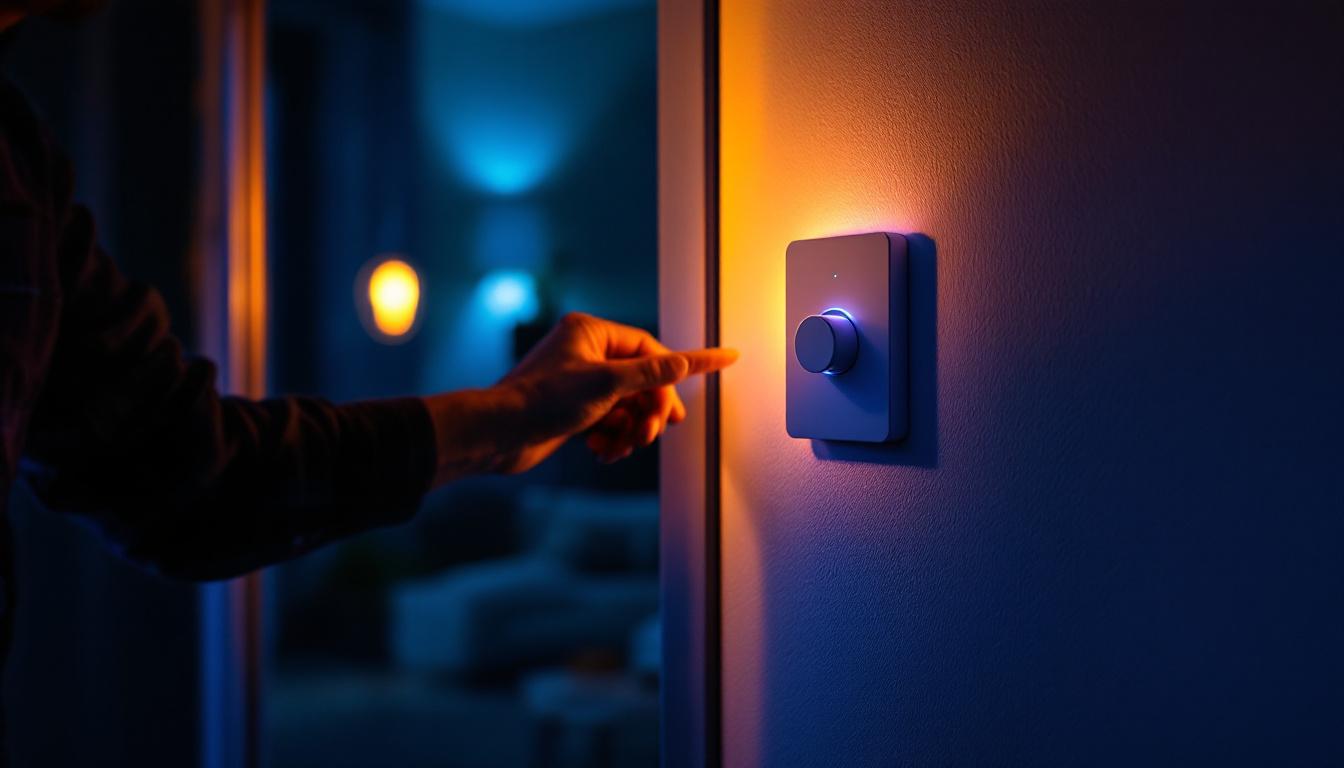
Introduction to LED Dimmer Lights
LED dimmer lights have revolutionized the way lighting contractors approach their projects. With the growing demand for energy efficiency and customizable lighting solutions, understanding the nuances of LED dimming technology is essential for professionals in the field. This article addresses common questions that lighting contractors encounter regarding LED dimmer lights, providing insights that can enhance both their knowledge and service offerings.
One of the key advantages of LED dimmers is their ability to provide precise control over light levels, allowing for a tailored ambiance in various settings, from residential homes to commercial spaces. This flexibility not only enhances the aesthetic appeal of a room but also contributes to energy savings, as dimming lights can significantly reduce power consumption. Moreover, modern LED dimmers are designed to work seamlessly with smart home systems, enabling users to adjust lighting remotely or through voice commands, which adds an extra layer of convenience and sophistication to lighting design.
Additionally, it is crucial for lighting contractors to be aware of the compatibility issues that can arise when integrating LED dimmers with different types of LED bulbs. Not all dimmers are created equal; some may not be compatible with certain LED models, leading to flickering or buzzing sounds. Therefore, staying informed about the latest advancements in LED technology and dimmer specifications is vital. By doing so, contractors can ensure that they recommend the right products to their clients, ultimately enhancing customer satisfaction and trust in their expertise.
Understanding LED Dimming Technology
LED dimming technology differs significantly from traditional incandescent dimming. This section explores the fundamental aspects of how LED dimmers work and the types available in the market.
How Do LED Dimmers Function?
LED dimmers operate by adjusting the amount of power supplied to the LED fixture. Unlike incandescent bulbs, which can be dimmed by reducing voltage, LEDs require a more sophisticated approach. The dimming process often involves pulse-width modulation (PWM) or constant current reduction, which ensures that the LED maintains a consistent color temperature while dimmed. PWM works by rapidly turning the LED on and off at a speed that is imperceptible to the human eye, effectively controlling the perceived brightness without altering the color quality. This method is particularly beneficial in applications where color accuracy is paramount, such as in photography or art galleries.
Types of LED Dimmers
There are primarily two types of LED dimmers: trailing edge and leading edge. Trailing edge dimmers are generally more compatible with LED technology, providing smoother dimming and reducing flicker. Leading edge dimmers, while commonly used with incandescent bulbs, can cause issues with LED fixtures, such as flickering or buzzing. Understanding these differences is crucial for lighting contractors when recommending products to clients. Additionally, some advanced dimmers offer features like smart technology integration, allowing users to control lighting through mobile apps or voice commands. These smart dimmers can adjust brightness based on the time of day or occupancy, enhancing energy efficiency and convenience in modern homes.
Common Issues with LED Dimmers
Despite their advantages, LED dimmers can present unique challenges. Lighting contractors often encounter specific issues that can complicate installations or lead to customer dissatisfaction. This section outlines some of the most common problems and their solutions.
Flickering Lights
Flickering is one of the most frequently reported issues with LED dimmers. This can occur due to incompatible dimmers, poor-quality LED bulbs, or incorrect wiring. To mitigate flickering, contractors should ensure that the dimmer is rated for LED use and that it matches the wattage of the connected fixtures. Additionally, using high-quality LED bulbs designed for dimming can significantly reduce flicker.
Buzzing or Humming Sounds
Another common complaint is the buzzing or humming noise emitted by dimmers. This issue often arises from the dimmer’s electronic components, which may not be compatible with certain LED fixtures. To address this, lighting contractors should recommend dimmers specifically designed for LED applications, as these typically have better circuitry to minimize noise.
Inconsistent Dimming Performance
Inconsistent dimming can frustrate both contractors and clients. This inconsistency may stem from using a dimmer that is not compatible with the specific LED fixture or from overloading the dimmer with too many bulbs. Contractors should carefully calculate the total wattage of the fixtures and ensure it does not exceed the dimmer’s capacity, thereby ensuring smooth and reliable performance.
Installation Best Practices
Proper installation is key to maximizing the performance of LED dimmers. This section provides essential best practices that lighting contractors should follow during installation.
Choosing the Right Dimmer
Selecting the appropriate dimmer is crucial for optimal performance. Contractors should consider factors such as the total wattage of the LED fixtures, compatibility with the specific LED technology, and the desired dimming range. It is advisable to consult manufacturer specifications and guidelines to ensure compatibility and performance.
Wiring Considerations
Correct wiring is fundamental to the successful operation of LED dimmers. Contractors should follow local electrical codes and manufacturer instructions to ensure safe and effective installations. Additionally, it is important to use quality wiring and connectors to prevent issues such as voltage drop, which can affect dimming performance.
Testing and Adjustments
After installation, thorough testing is essential. Contractors should dim the lights to various levels to ensure smooth operation and check for any flickering or buzzing. If issues arise, adjustments may be necessary, such as changing the dimmer or re-evaluating the wiring setup. Taking the time to test and adjust can lead to higher customer satisfaction and fewer callbacks.
Energy Efficiency and Cost Savings
One of the primary benefits of LED dimmers is their contribution to energy efficiency. This section explores how LED dimmers can lead to significant cost savings for both contractors and their clients.
Reducing Energy Consumption
LED dimmers allow users to control the brightness of their lighting, which directly impacts energy consumption. By dimming lights when full brightness is not needed, users can reduce their electricity bills. For contractors, promoting this energy-saving feature can be a strong selling point when discussing projects with clients.
Longer Lifespan of LED Bulbs
Dimming LED lights can also extend their lifespan. Operating at lower levels reduces heat buildup, which is a significant factor in the degradation of LED components. By educating clients about the longevity benefits of using dimmers, contractors can enhance the value of their services and promote sustainable practices.
Incentives and Rebates
Many utility companies offer incentives or rebates for energy-efficient lighting upgrades, including the installation of LED dimmers. Contractors should stay informed about available programs in their area and communicate these opportunities to clients. This can not only make projects more affordable but also encourage clients to invest in energy-efficient solutions.
Client Education and Communication
Effective communication and education are vital components of a successful lighting project. This section discusses how contractors can better inform their clients about LED dimmers.
Explaining the Benefits
Clients may be unfamiliar with the advantages of LED dimmers. Lighting contractors should take the time to explain how these devices can enhance their lighting experience, from energy savings to improved ambiance. Providing real-life examples or case studies can help clients visualize the benefits, making them more likely to opt for dimming solutions.
Demonstrating Functionality
Whenever possible, demonstrating the functionality of LED dimmers can be highly effective. Whether through in-person demonstrations or video tutorials, showing clients how dimmers work and the difference they can make in a space can lead to increased interest and acceptance. This hands-on approach can also alleviate concerns regarding installation and usability.
Addressing Concerns
Clients may have reservations about transitioning to LED dimmers, especially if they have experienced issues in the past. Lighting contractors should be prepared to address these concerns with clear information and solutions. By providing reassurance and support, contractors can build trust and foster long-term relationships with their clients.
Future Trends in LED Dimming Technology
The landscape of LED dimming technology is continually evolving. This section highlights emerging trends that lighting contractors should be aware of to stay ahead in the industry.
Smart Dimming Solutions
Smart home technology is becoming increasingly popular, and smart dimmers are at the forefront of this trend. These devices allow users to control their lighting remotely via smartphone apps or voice commands. Contractors should familiarize themselves with smart dimming options to offer clients cutting-edge solutions that enhance convenience and energy management.
Integration with Home Automation Systems
As home automation systems gain traction, the integration of LED dimmers with these systems is becoming more common. Lighting contractors should explore how to seamlessly incorporate dimmers into existing home automation setups, providing clients with a cohesive and user-friendly experience. This integration can also lead to enhanced energy efficiency and customizable lighting scenarios.
Advancements in LED Technology
Ongoing advancements in LED technology are likely to yield more efficient and versatile dimming options. Contractors should stay informed about new developments, such as improved color rendering and enhanced dimming capabilities, to provide clients with the best possible solutions. Keeping abreast of industry trends can also position contractors as knowledgeable experts in the field.
Conclusion
LED dimmer lights offer numerous advantages for both lighting contractors and their clients, from energy efficiency to enhanced control over lighting environments. By understanding the technology, addressing common issues, and staying informed about industry trends, contractors can provide exceptional service and solutions. As the demand for LED dimming solutions continues to grow, equipping oneself with knowledge and expertise will ensure success in the ever-evolving lighting landscape.
Illuminate Your Projects with LumenWholesale
Ready to elevate your lighting projects with the best LED dimmer lights on the market? Look no further than LumenWholesale, where we provide lighting contractors with top-quality, spec-grade lighting products at unbeatable wholesale prices. Our extensive selection is designed to meet the highest industry standards, ensuring you get reliable, high-performance lighting for every project. Plus, with free shipping on bulk orders, you can enjoy premium lighting solutions at the best value — without hidden fees or compromises. Don’t miss out on the perfect blend of quality, affordability, and convenience. Visit LumenWholesale today for Wholesale Lighting at the Best Value and make your next project shine.