Understanding LED Canopy Fixtures and Their Applications
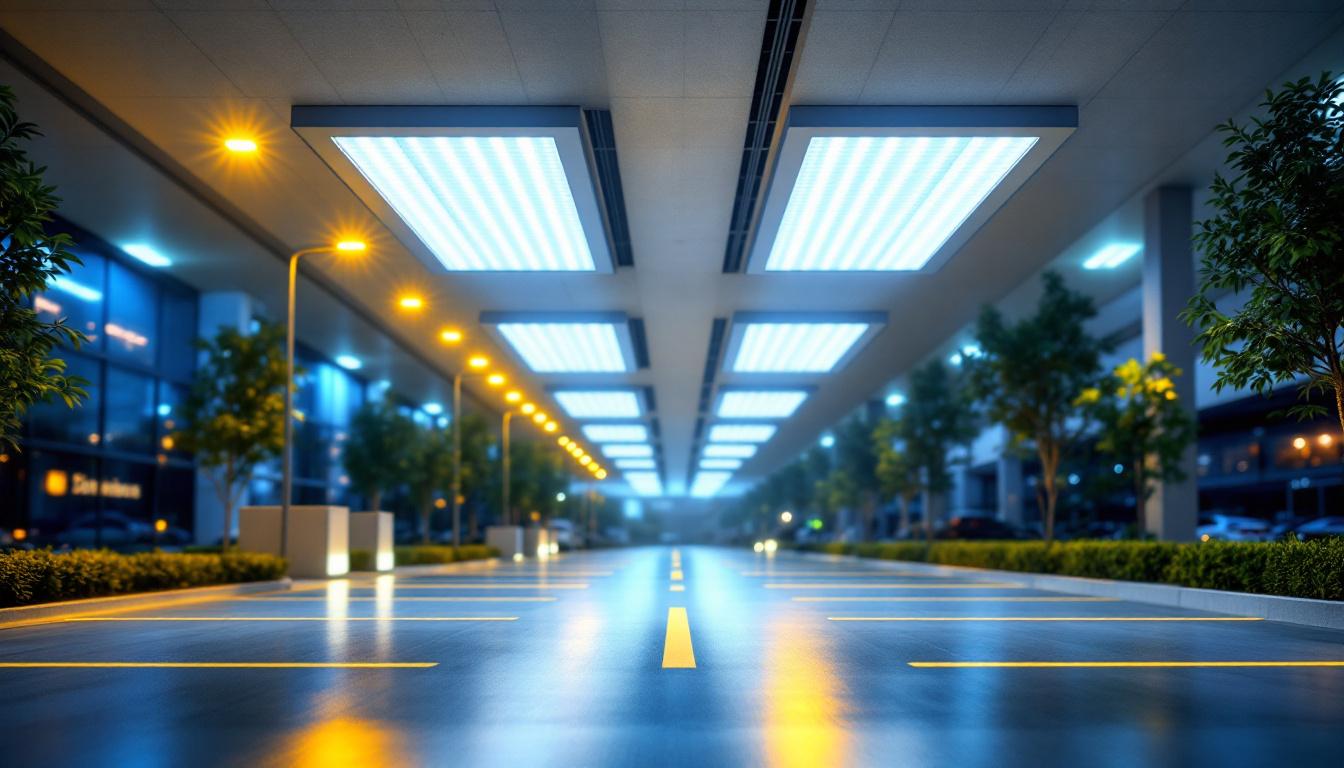
LED canopy fixtures have become a staple in commercial and industrial lighting, especially in environments such as gas stations, parking garages, walkways, and building entrances. Their design focuses on providing broad, uniform illumination while being energy-efficient and durable. For lighting contractors, mastering the nuances of LED canopy fixtures is essential to delivering solutions that meet client expectations for brightness, longevity, and cost-effectiveness.
Unlike traditional lighting options such as metal halide or fluorescent fixtures, LED canopy lights offer superior energy savings and reduced maintenance needs. Their compact form factor and directional light output allow for precise control over illumination patterns, minimizing light pollution and enhancing safety. Understanding the specific use cases and environmental demands of canopy lighting is the first step toward optimizing these fixtures for maximum efficiency.
Key Features of LED Canopy Fixtures
LED canopy fixtures typically feature high lumen output, excellent color rendering index (CRI), and long operational life. Many models come with integrated drivers and heat dissipation mechanisms to maintain performance over time. Additionally, they often include options for dimming, motion sensors, and photocells, which contribute to further energy savings and operational flexibility.
For contractors, selecting fixtures with these features ensures that installations not only meet lighting standards but also provide clients with a future-proof investment. The ability to customize light levels and schedules can significantly reduce energy consumption during off-peak hours. Furthermore, the robust construction of LED canopy fixtures makes them particularly suited for harsh environments, where exposure to moisture, dust, and temperature fluctuations is common. This durability not only extends the lifespan of the fixtures but also minimizes the frequency of replacements, leading to lower long-term costs for clients.
In addition to their practical benefits, LED canopy fixtures can also enhance the aesthetic appeal of a space. With options for varying color temperatures, contractors can create inviting atmospheres that align with the branding and ambiance of a business. For instance, warmer tones can be used in hospitality settings to create a welcoming environment, while cooler tones might be more appropriate for high-traffic areas like parking garages, where visibility and safety are paramount. By understanding the interplay between light quality and user experience, contractors can leverage LED canopy fixtures to not only illuminate but also elevate the overall environment.
Optimizing LED Canopy Fixture Performance Through Proper Design
Efficiency in lighting goes beyond just the fixture itself; it involves a holistic approach that includes fixture selection, placement, and control strategies. Lighting contractors must consider these factors carefully to maximize the benefits of LED canopy fixtures.
Choosing the Right Lumen Output and Color Temperature
Determining the correct lumen output is critical to avoid over- or under-lighting an area. Over-lighting wastes energy and can cause glare, while under-lighting compromises safety and visibility. Industry guidelines and client requirements should guide lumen selection, with typical canopy lighting ranging from 3,000 to 15,000 lumens depending on the application.
Color temperature also influences the quality and perception of light. Neutral white (around 4000K) is often preferred for canopy lighting because it balances visibility and comfort, enhancing color recognition and reducing eye strain. Cooler temperatures can appear harsh, while warmer tones may not provide sufficient clarity for safety-critical environments. Additionally, understanding the specific needs of the environment—such as whether it is a parking lot, gas station, or commercial entryway—can further refine the choice of color temperature, ensuring that the lighting not only meets functional requirements but also creates an inviting atmosphere.
Strategic Fixture Placement and Mounting Height
The positioning of LED canopy fixtures directly affects their efficiency and effectiveness. Fixtures should be mounted at heights recommended by manufacturers, commonly between 10 to 20 feet, to ensure optimal light distribution. Proper spacing prevents dark spots and overlapping beams, which can cause uneven illumination and wasted energy.
Using photometric studies or lighting design software can aid contractors in planning fixture layouts that maximize coverage while minimizing the number of fixtures required. This approach reduces installation costs and ongoing energy consumption. Furthermore, considering the surrounding environment, such as nearby structures or trees, can influence placement strategies. For instance, fixtures may need to be adjusted to counteract shadows cast by obstacles, ensuring that light reaches all intended areas effectively. This attention to detail not only enhances safety but also improves the overall aesthetic of the space.
Incorporating Reflective Surfaces and Shielding
Reflective surfaces around the canopy area, such as light-colored ceilings or walls, can enhance fixture efficiency by directing more light toward the target zones. Conversely, shielding and louvers help control light spill and glare, focusing illumination where it is needed most. These design elements contribute to both energy savings and improved user experience.
Moreover, the integration of smart lighting controls can further elevate the performance of LED canopy fixtures. By incorporating sensors that adjust light levels based on occupancy or ambient light conditions, contractors can ensure that energy is used efficiently without compromising safety. For example, dimming lights during low-traffic periods not only conserves energy but also extends the lifespan of the fixtures. As technology continues to evolve, exploring advanced control options, such as app-based management systems, can provide additional layers of customization and efficiency, allowing for real-time adjustments and monitoring of lighting performance.
Leveraging Advanced Controls for Energy Savings
Modern LED canopy fixtures often come equipped with or support integration with advanced lighting controls. These technologies are pivotal in optimizing energy use without compromising lighting quality. By harnessing the latest innovations in lighting technology, facility managers can achieve significant reductions in energy consumption while simultaneously enhancing the safety and visibility of outdoor spaces.
Photocells and Daylight Harvesting
Photocells automatically adjust fixture operation based on ambient light levels. During daylight hours, fixtures can dim or turn off, conserving energy. Daylight harvesting systems take this a step further by modulating light output to maintain consistent illumination levels, adapting to changing natural light conditions. This not only helps in reducing energy costs but also contributes to creating a more comfortable environment for users, as lighting levels are optimized to match the natural light available.
Implementing these controls in canopy lighting is particularly valuable in outdoor or semi-outdoor environments where daylight varies throughout the day and seasons. This dynamic adjustment reduces unnecessary energy consumption and extends fixture lifespan. Moreover, the integration of daylight harvesting can lead to improved aesthetic appeal, as the lighting transitions smoothly with the natural light, creating a more inviting atmosphere for pedestrians and visitors alike.
Motion Sensors and Occupancy Controls
In areas with intermittent activity, such as parking garages or walkways, motion sensors can significantly enhance efficiency. Fixtures remain at a low dimmed level or off when no movement is detected, ramping up to full brightness only when needed. This targeted lighting approach aligns energy use with actual occupancy patterns, ensuring that energy is not wasted in unoccupied spaces. Additionally, the use of motion sensors can enhance safety by ensuring that areas are well-lit when individuals are present.
For contractors, specifying and installing reliable sensor technology ensures client satisfaction and compliance with energy codes that increasingly mandate such controls. By choosing high-quality sensors, contractors can minimize false triggers and maximize the effectiveness of the lighting system, ultimately leading to happier clients and lower operational costs. Furthermore, the adaptability of these systems allows for easy upgrades and modifications as building usage patterns evolve over time.
Networked Lighting Systems and Smart Controls
Networked lighting systems enable centralized management of multiple fixtures, allowing for scheduling, remote monitoring, and adaptive control. These smart systems can integrate with building management platforms, providing data on energy usage, fixture health, and environmental conditions. This level of integration not only streamlines operations but also empowers facility managers with actionable insights that can lead to further energy savings and improved maintenance practices.
While the initial investment may be higher, the long-term benefits of reduced energy costs, predictive maintenance, and enhanced operational flexibility make smart controls an attractive option for large-scale canopy lighting projects. Additionally, as more municipalities and organizations commit to sustainability goals, the ability to showcase energy-efficient lighting solutions can enhance a project’s appeal and align with broader environmental initiatives. The integration of smart technology in lighting systems also supports the growing trend of smart cities, where interconnected systems work together to optimize resources and improve urban living conditions.
Ensuring Installation Best Practices and Maintenance
The efficiency gains promised by LED canopy fixtures can only be realized through proper installation and ongoing maintenance. Lighting contractors play a crucial role in ensuring these standards are met.
Proper Electrical and Mechanical Installation
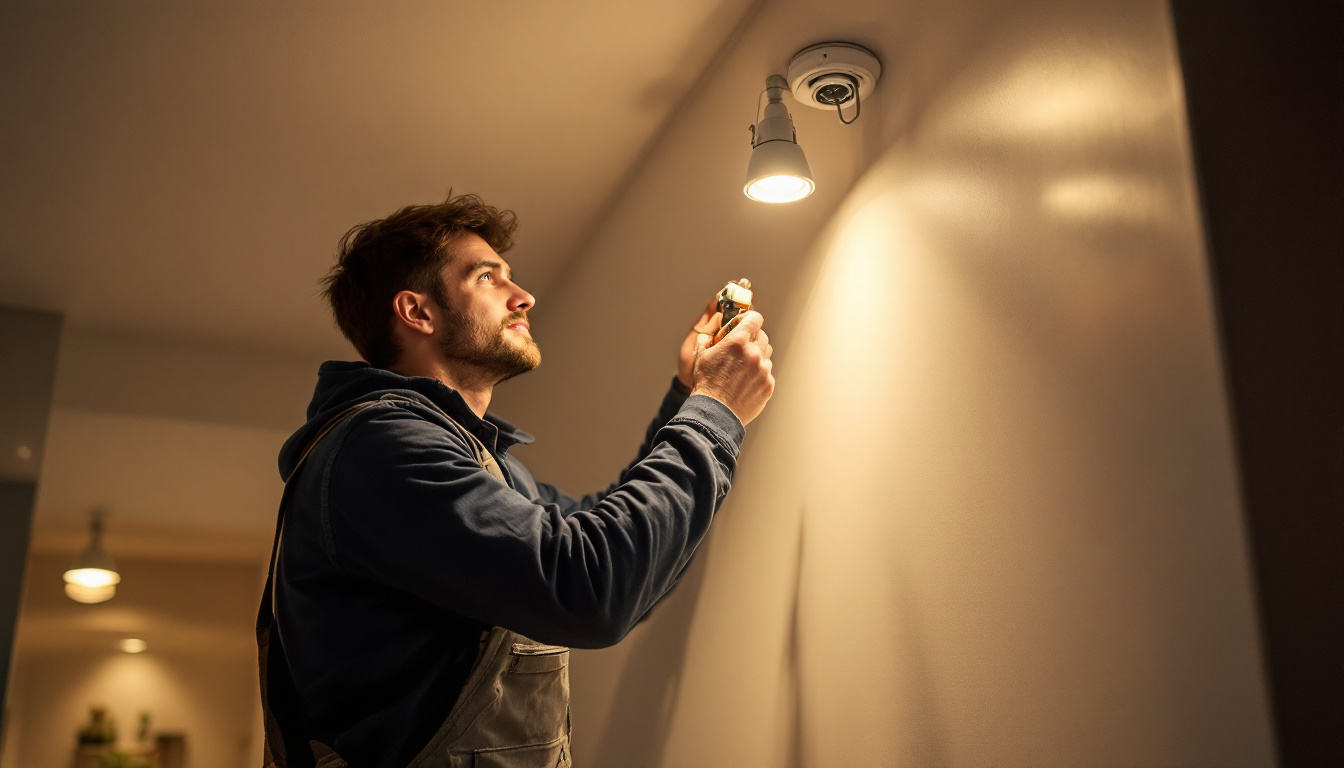
Accurate wiring, secure mounting, and adherence to manufacturer specifications are fundamental to fixture performance. Improper installation can lead to reduced lifespan, safety hazards, and diminished light output. Contractors should verify compatibility with existing electrical systems and ensure that fixtures are adequately sealed against environmental factors such as moisture and dust.
Using the correct tools and following local electrical codes is essential to avoid costly rework and ensure client confidence.
Routine Inspection and Cleaning
Canopy fixtures exposed to outdoor elements accumulate dirt, dust, and debris, which can degrade light output over time. Scheduled cleaning of lenses and housings helps maintain optimal lumen levels and fixture efficiency. Additionally, inspections can identify early signs of wear or damage, allowing for timely repairs or replacements.
Contractors can offer maintenance plans to clients, ensuring sustained performance and extending the life of the lighting system.
Upgrading and Retrofits for Enhanced Efficiency
For existing installations using older technologies, retrofitting with LED canopy fixtures is a proven strategy to improve efficiency and reduce operating costs. Contractors should assess current lighting conditions, energy consumption, and client goals to recommend appropriate upgrade paths.
Retrofitting may involve replacing lamps, ballasts, or entire fixtures, with attention to maintaining or improving light quality and distribution. Incentives and rebates for energy-efficient upgrades can further enhance project value.
Conclusion: Maximizing Value Through Expertise and Innovation
Optimizing LED canopy fixtures for maximum efficiency requires a comprehensive approach that combines technical knowledge, design acumen, and awareness of emerging technologies. Lighting contractors who invest in understanding fixture characteristics, control systems, and installation best practices position themselves as trusted partners in delivering sustainable, cost-effective lighting solutions.
By prioritizing proper lumen selection, strategic placement, advanced controls, and diligent maintenance, contractors can help clients achieve superior lighting performance while reducing energy consumption and environmental impact. The evolving landscape of LED technology and smart controls offers ongoing opportunities to enhance canopy lighting efficiency, making expertise in this area a valuable asset in the competitive lighting market.
Illuminate Your Projects with LumenWholesale
Ready to elevate your lighting projects with the efficiency and innovation of LED canopy fixtures? At LumenWholesale, we provide lighting contractors with the highest quality, spec-grade lighting products at the most competitive wholesale prices. Say goodbye to local distributor markups and hello to a vast selection of reliable, high-performance lighting that meets rigorous industry standards. With the convenience of free shipping on bulk orders, you can access premium lighting solutions that promise quality, affordability, and hassle-free service. Don’t settle for less—choose LumenWholesale for Wholesale Lighting at the Best Value and light up your projects with confidence.