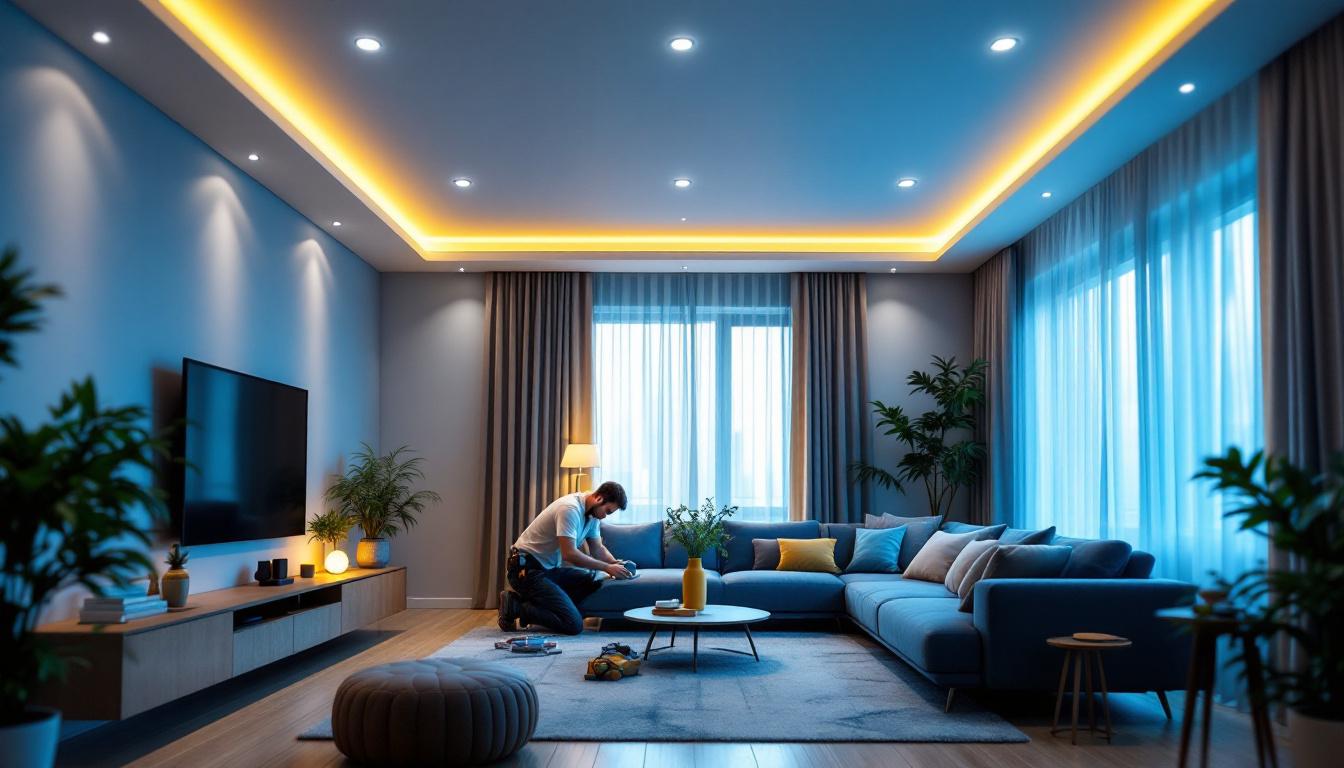
Understanding the Importance of Proper LED Can Light Replacement
LED can lights have become a staple in modern lighting projects due to their energy efficiency, longevity, and sleek design. For lighting contractors, replacing traditional incandescent or halogen can lights with LED alternatives offers an opportunity to enhance client satisfaction while reducing long-term operational costs. However, the process is not without its pitfalls. Missteps during selection, installation, or compatibility assessment can lead to costly mistakes, including premature fixture failure, poor lighting quality, and increased maintenance expenses.
Properly executed LED can light replacements not only improve the aesthetic and functional aspects of a space but also contribute significantly to energy savings. According to industry data, LED lighting can reduce energy consumption by up to 75% compared to traditional lighting sources. This presents a compelling value proposition for clients, but only if the replacement is done correctly.
Moreover, the versatility of LED can lights allows for a wide range of applications, from residential to commercial settings. In homes, they can be used to create ambient lighting in living rooms, task lighting in kitchens, or accent lighting to highlight artwork. In commercial spaces, the ability to dim LED lights can enhance the atmosphere of restaurants or retail environments, making them more inviting to customers. This adaptability not only meets the diverse needs of clients but also opens up new avenues for contractors to showcase their expertise in lighting design.
Another critical aspect to consider is the environmental impact of LED lighting. Unlike traditional bulbs, LEDs contain no hazardous materials such as mercury, making them a safer choice for both installation and disposal. Additionally, their long lifespan means fewer bulbs are manufactured and disposed of, further reducing waste. As sustainability becomes an increasingly important factor in consumer decision-making, highlighting the eco-friendly benefits of LED can light replacements can set contractors apart in a competitive market. By emphasizing these advantages, contractors can appeal to environmentally conscious clients and position themselves as leaders in sustainable lighting solutions.
Common Challenges in LED Can Light Replacement Projects
Compatibility Issues with Existing Fixtures
One of the most frequent challenges contractors face is ensuring that the new LED can lights are compatible with existing housings and electrical systems. Many older can light housings were designed for incandescent or halogen bulbs and may not accommodate the size, heat dissipation requirements, or electrical characteristics of LED modules.
For instance, some LED retrofit kits require a minimum housing depth or specific mounting configurations. Ignoring these details can lead to improper installation, overheating, or even fire hazards. Additionally, dimmer switches that worked well with incandescent bulbs may not be compatible with LED lights, causing flickering or reduced lifespan. It’s also important to consider the wattage limitations of existing fixtures, as exceeding these can lead to circuit overloads. Contractors must carefully evaluate the electrical load and ensure that the wiring can handle the new LED fixtures’ demands without compromising safety.
Inaccurate Lighting Specifications
Another common mistake is failing to accurately assess the lighting needs of the space before selecting replacement fixtures. LED can lights come in various lumen outputs, color temperatures, and beam angles. Selecting a fixture with insufficient brightness or an inappropriate color temperature can negatively impact the ambiance and functionality of the room.
For example, using a cool white LED (5000K or above) in a residential living room may create an uninviting atmosphere, whereas a warm white (2700K to 3000K) would be more suitable. Similarly, the beam angle must align with the intended lighting effect, whether it’s general illumination or accent lighting. Furthermore, it’s essential to consider the purpose of the space; for instance, task-oriented areas like kitchens or workspaces benefit from brighter, more focused lighting, while relaxation areas like bedrooms may require softer, diffused light to create a calming environment. This nuanced understanding of lighting specifications can significantly enhance the overall aesthetic and functionality of a space, ensuring that the new LED can lights serve their intended purpose effectively.
Key Considerations for Successful LED Can Light Replacement
Assessing Existing Infrastructure
Before beginning any replacement project, conduct a thorough assessment of the existing can light housings, wiring, and controls. Verify the housing size, type (IC-rated or non-IC-rated), and condition to determine if it can support the new LED fixture or if a complete housing replacement is necessary.
Additionally, evaluate the electrical system, including the type of dimmers and switches in place. Many older dimmers are incompatible with LED lights, which can cause performance issues. Upgrading to LED-compatible dimmers is often a worthwhile investment to ensure optimal functionality. Furthermore, consider the overall layout of the lighting; the distribution of light can significantly impact the ambiance and functionality of a space. For instance, in a kitchen, focused lighting over work areas can enhance visibility and safety, while softer lighting in living areas can create a warm and inviting atmosphere.
Choosing the Right LED Can Light Replacement
Selecting the right LED can light involves balancing several factors: lumen output, color temperature, beam angle, energy efficiency, and certification standards. Look for ENERGY STAR® certified products, which have been tested for quality and performance. Certifications also provide assurance regarding safety and longevity. When considering lumen output, it’s essential to match the brightness of the new LEDs with the existing lighting to maintain a consistent look and feel throughout the space. For example, a higher lumen output may be necessary in areas with high ceilings or large open spaces to ensure adequate illumination.
Contractors should prioritize LED fixtures with high Color Rendering Index (CRI) values—ideally above 80—to ensure colors appear natural and vibrant. This is especially important in retail, hospitality, and residential applications where visual appeal is critical. Additionally, consider the color temperature of the LEDs; warmer tones (2700K-3000K) are often preferred in living spaces for their cozy feel, while cooler tones (4000K-5000K) can be more suitable for work environments, enhancing focus and productivity. The choice of beam angle also plays a vital role in achieving the desired lighting effect, as narrow beams can highlight specific areas, while wider beams can provide general illumination.
Installation Best Practices
Proper installation is crucial to avoid common pitfalls such as overheating, poor electrical connections, and fixture instability. Follow manufacturer guidelines meticulously, paying close attention to wiring methods, fixture orientation, and securing mechanisms. It is also advisable to use a voltage tester to ensure that the power is off before beginning any installation work, which can prevent electrical accidents and ensure a safer working environment.
Ensure that the LED can light is rated for the specific application environment, such as damp or wet locations. Using fixtures not designed for these conditions can lead to premature failure or safety hazards. Moreover, consider the thermal management of the fixtures; adequate ventilation is essential to prevent overheating, which can shorten the lifespan of the LEDs. Installing fixtures with built-in heat sinks can help dissipate heat effectively, maintaining optimal performance over time. Finally, after installation, take the time to test each fixture to confirm that they operate correctly and meet the desired lighting specifications, as this step can save time and resources in the long run.
Mitigating Risks and Avoiding Costly Mistakes
Conducting Pilot Tests
Before replacing all can lights in a project, consider conducting a pilot test with a small number of fixtures. This allows for evaluation of light quality, compatibility, and client feedback. Adjustments can be made without incurring large-scale costs or delays.
Documenting and Communicating Specifications
Clear documentation of the chosen LED can light specifications, installation procedures, and maintenance requirements is essential. Communicate these details to clients and team members to ensure everyone understands the scope and expectations. This transparency helps prevent misunderstandings and facilitates smoother project execution.
Training and Staying Updated
The LED lighting industry is rapidly evolving, with new technologies and standards emerging regularly. Lighting contractors should invest in ongoing training to stay current with best practices, product innovations, and regulatory changes. This knowledge empowers contractors to make informed recommendations and avoid outdated or incompatible solutions.
Case Studies: Lessons Learned from Real-World Projects
Case Study 1: Residential Retrofit with Incompatible Dimmers
A lighting contractor undertook a residential retrofit replacing halogen can lights with LED modules. However, the existing dimmer switches were incompatible with the LED fixtures, resulting in noticeable flickering and premature LED failure. The contractor had to return to the site to replace the dimmers with LED-compatible models, incurring additional labor and material costs.
This case highlights the importance of verifying control system compatibility before installation, a step that can save time and money.
Case Study 2: Commercial Space with Incorrect Color Temperature
In a commercial office renovation, the contractor selected LED can lights with a cool white color temperature (5000K) without consulting the client. The harsh lighting led to employee discomfort and complaints, prompting a costly reinstallation with warmer color temperature fixtures.
This example underscores the need for precise lighting specifications aligned with the space’s purpose and occupant preferences.
Conclusion: Delivering Value Through Thoughtful LED Can Light Replacement
LED can light replacements offer significant benefits in terms of energy savings, aesthetics, and maintenance reduction. However, avoiding costly mistakes requires a comprehensive approach encompassing thorough assessment, careful product selection, meticulous installation, and ongoing education.
By understanding common challenges and implementing best practices, lighting contractors can ensure successful projects that meet client expectations and stand the test of time. Ultimately, the key to maximizing the value of LED can light replacements lies in attention to detail and a commitment to quality at every stage of the process.
Get Your LED Can Light Solutions at LumenWholesale
Ready to elevate your lighting projects with the best LED can light replacements? Look no further than LumenWholesale. We provide contractors with exceptional, spec-grade lighting products at unbeatable wholesale prices. With our direct-to-contractor approach, you avoid unnecessary markups and enjoy superior lighting products that meet the highest industry standards. Plus, with free shipping on bulk orders, you can stock up on premium lighting solutions without worrying about hidden fees. Make your next lighting project a success and experience the ultimate in quality, affordability, and convenience. Visit LumenWholesale now for Wholesale Lighting at the Best Value.