Introduction to Lantern Lights in Modern Lighting Projects
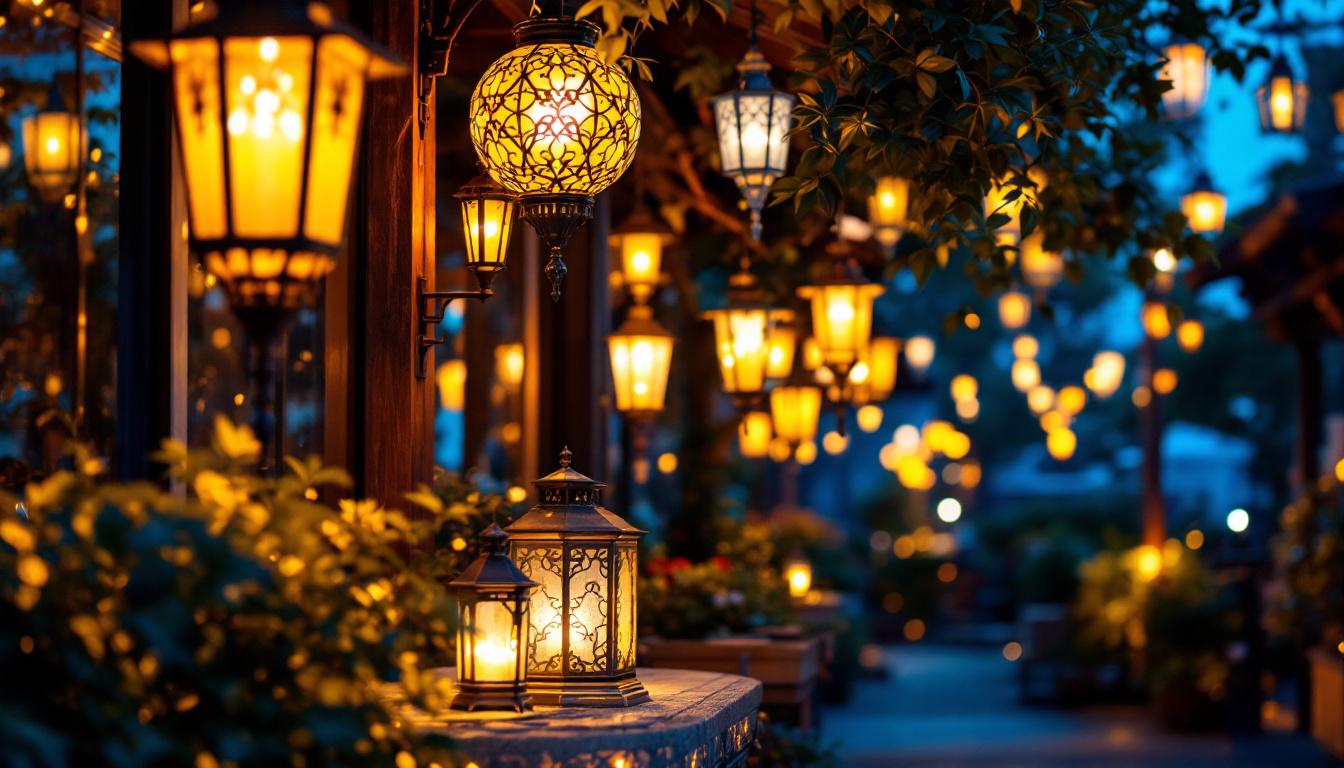
Lantern lights have evolved significantly from their traditional roots, becoming a versatile and stylish option in contemporary lighting design. For lighting contractors, understanding the nuances of lantern lights is essential to delivering projects that balance aesthetic appeal, functionality, and energy efficiency.
Historically, lanterns were simple oil or candle holders used for illumination. Today, they come in a variety of forms, incorporating advanced technologies and materials that cater to both indoor and outdoor applications. Their adaptability makes them a favored choice in residential, commercial, and public spaces.
Modern lantern lights often utilize LED technology, which not only enhances energy efficiency but also extends the lifespan of the fixtures. This innovation allows designers to create stunning light displays while minimizing environmental impact. Additionally, many lanterns now feature smart technology, enabling users to control brightness and color temperature through mobile apps or voice commands, further integrating them into the smart home ecosystem. This blend of tradition and innovation ensures that lantern lights can meet the diverse needs of today’s consumers.
Moreover, the design of lantern lights has expanded to include various styles, from rustic and vintage to sleek and modern. This wide range allows them to complement different architectural styles and interior designs seamlessly. In outdoor settings, lanterns can serve as focal points in gardens or patios, providing both ambient and task lighting. Their ability to create a warm and inviting atmosphere makes them particularly popular for outdoor gatherings and events, enhancing the overall experience while providing practical illumination. As lighting trends continue to evolve, lantern lights remain a timeless choice that marries form and function beautifully.
Types of Lantern Lights and Their Applications
Traditional Lanterns
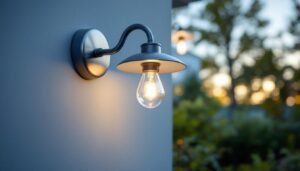
Traditional lanterns typically feature classic designs with metal frames and glass panels. They often use incandescent or halogen bulbs, providing a warm, inviting glow. These are ideal for heritage properties, period-style homes, and spaces where a vintage aesthetic is desired.
Lighting contractors should note that while traditional lanterns offer charm, they may not always meet modern energy codes unless retrofitted with LED bulbs. This retrofit can maintain the visual appeal while improving energy efficiency and reducing maintenance. Additionally, traditional lanterns can be enhanced with decorative elements such as stained glass or intricate metalwork, which can further elevate their aesthetic appeal and make them focal points in gardens or patios.
Modern LED Lanterns
LED lanterns represent the forefront of lighting technology. These fixtures offer superior energy efficiency, longer lifespan, and a wide range of color temperatures. Their designs vary from minimalist and sleek to ornate and decorative, making them suitable for diverse architectural styles.
For outdoor applications, LED lanterns often include features such as weather-resistant coatings, integrated photocells for automatic dusk-to-dawn operation, and smart controls compatible with home automation systems. These features enhance functionality and reduce operational costs. Furthermore, many modern LED lanterns come with adjustable brightness settings and color-changing capabilities, allowing users to customize the ambiance for different occasions, from festive gatherings to quiet evenings at home.
Solar-Powered Lanterns
Solar lanterns are gaining popularity, especially in areas where running electrical wiring is challenging or costly. They harness solar energy during the day and provide illumination at night, making them an eco-friendly and cost-effective solution.
Lighting contractors should assess the solar exposure of the installation site and the lantern’s battery capacity to ensure consistent performance. Solar lanterns are particularly useful for garden pathways, remote outdoor areas, and temporary installations. Moreover, many solar lanterns now come equipped with motion sensors, which can enhance security by illuminating pathways or entryways when movement is detected. This feature not only adds a layer of safety but also conserves energy by ensuring that lights are only activated when needed, making them an excellent choice for both residential and commercial applications.
Key Considerations for Lighting Contractors When Specifying Lantern Lights
Material and Durability
The choice of materials directly impacts the lantern’s longevity and maintenance requirements. Common materials include aluminum, brass, stainless steel, and powder-coated metals. For outdoor use, corrosion resistance is critical, especially in coastal or humid environments. Aluminum is lightweight and resistant to rust, making it a popular choice for many contractors, while brass offers a classic aesthetic that can develop a beautiful patina over time. Stainless steel, known for its strength and resistance to tarnishing, is ideal for modern designs that require a sleek finish.
Glass panels should be tempered or laminated to withstand impacts and weather conditions. Some lanterns incorporate polycarbonate or acrylic panels for enhanced durability and safety. These materials not only provide clarity and protection but are also less prone to shattering compared to traditional glass. Additionally, the use of UV-resistant coatings can prevent discoloration and degradation from prolonged sun exposure, ensuring that the lanterns maintain their visual appeal throughout the years.
Light Output and Distribution
Understanding the lumen output and beam spread is essential to achieve the desired lighting effect. Lanterns can provide ambient, task, or accent lighting depending on their design and placement. The color temperature of the light emitted, measured in Kelvin, also plays a significant role in setting the mood of a space. Warmer tones (around 2700K) create a cozy atmosphere, perfect for residential settings, while cooler tones (above 4000K) are often preferred in commercial or task-oriented environments where clarity and focus are paramount.
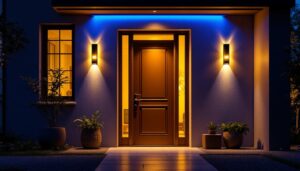
Lighting contractors must consider the fixture’s lumen rating in relation to the space’s size and function. For example, pathway lanterns typically require lower lumen output for subtle guidance, while entryway lanterns may need brighter illumination for security and visibility. Moreover, the angle of the light distribution can affect how shadows are cast and how space is perceived, making it crucial to evaluate the placement of each lantern to ensure optimal performance and aesthetic appeal.
Energy Efficiency and Compliance
Energy codes and regulations increasingly favor LED and other energy-efficient lighting solutions. Selecting lantern lights that comply with these standards helps contractors avoid costly retrofits and ensures client satisfaction. Furthermore, the lifespan of LED bulbs significantly exceeds that of traditional incandescent or halogen bulbs, reducing the frequency of replacements and contributing to lower long-term maintenance costs.
Additionally, specifying fixtures with dimmable capabilities or smart controls can contribute to energy savings and enhance user convenience. The integration of smart technology allows users to customize their lighting experience, adjusting brightness and color temperature based on the time of day or specific activities. Lighting contractors should stay updated on local and national lighting codes to ensure compliance, as well as emerging trends in energy efficiency that can benefit their projects and clients alike. This proactive approach not only ensures adherence to regulations but also positions contractors as knowledgeable professionals in a rapidly evolving industry.
Installation Best Practices for Lantern Lights
Site Assessment and Preparation
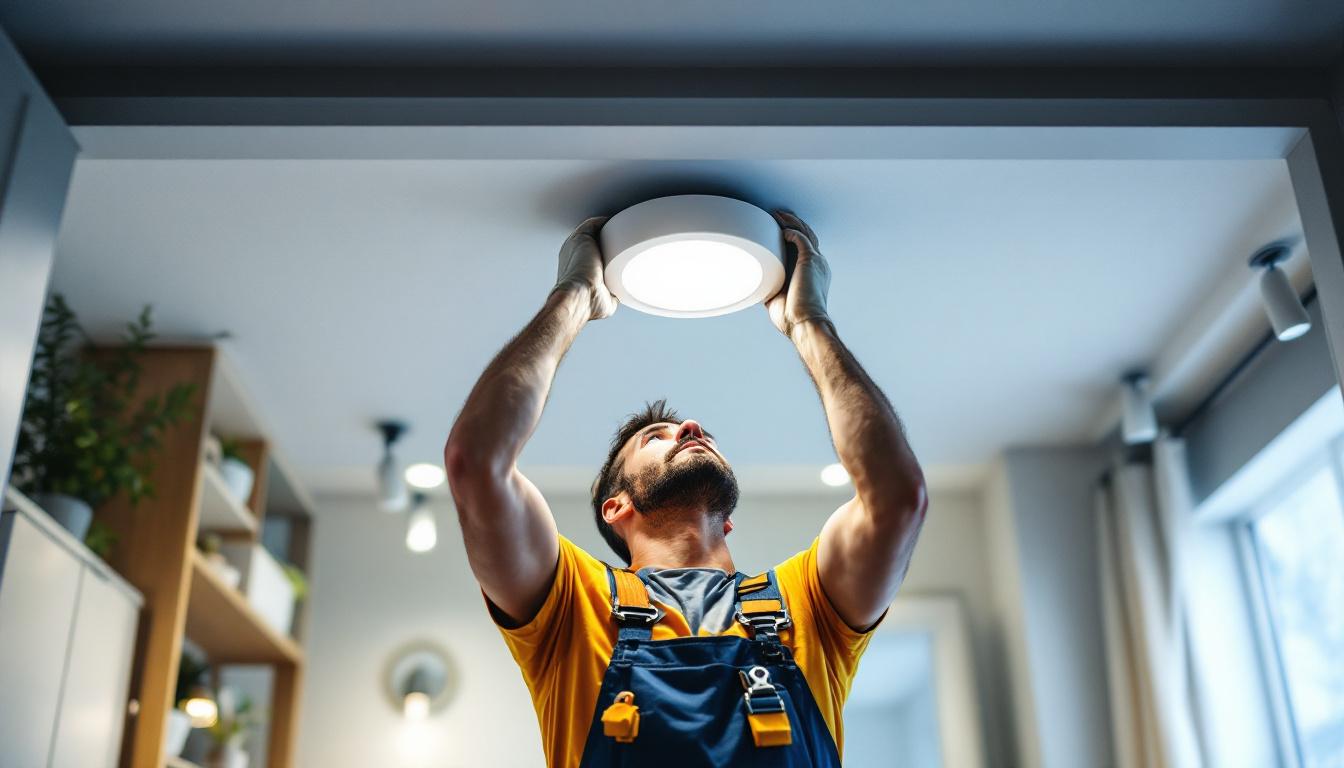
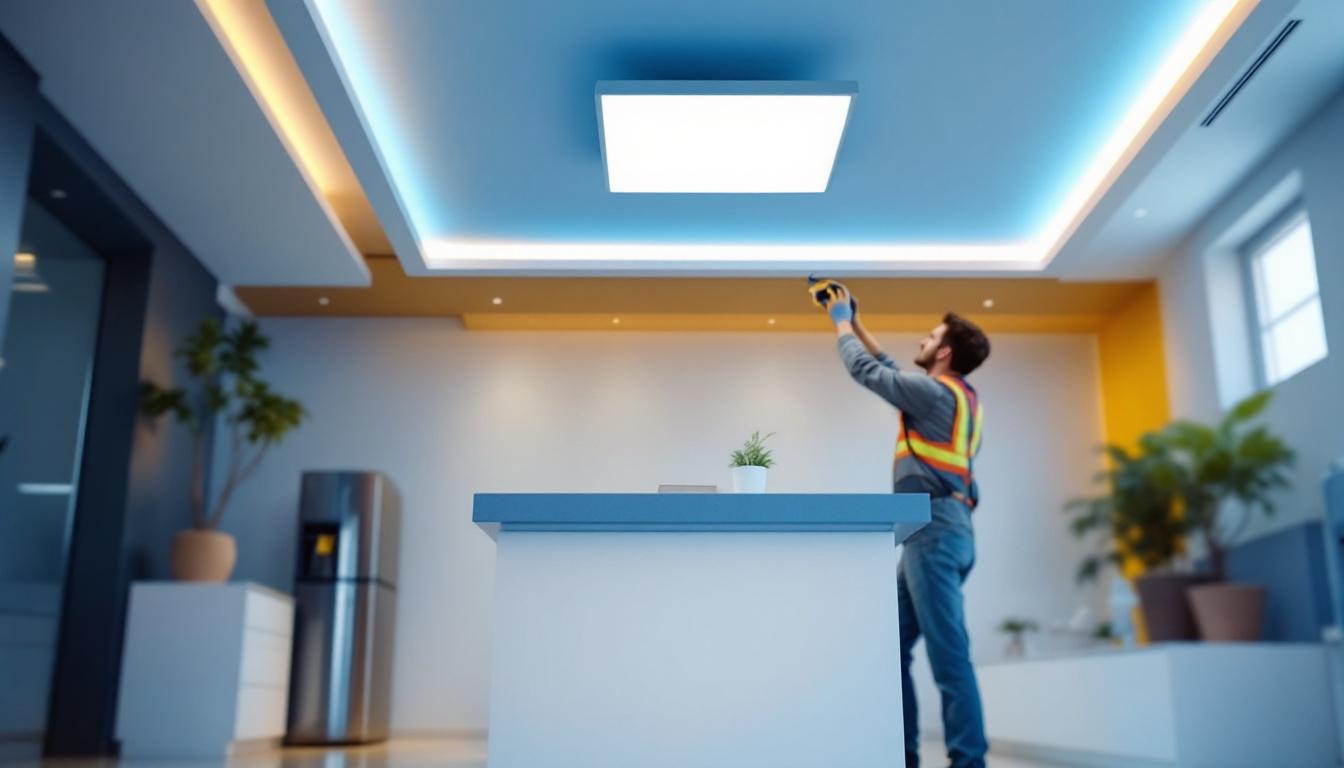
Proper site assessment is the foundation of a successful lantern light installation. Contractors should evaluate mounting surfaces, electrical supply availability, and environmental factors such as wind, moisture, and exposure to sunlight.
Ensuring the mounting location supports the fixture’s weight and design is crucial. For example, wall-mounted lanterns require secure anchors and weatherproof junction boxes to prevent water ingress and ensure safety.
Wiring and Electrical Considerations
Adhering to electrical codes during wiring is paramount. Lighting contractors should use weatherproof connectors and conduit for outdoor installations to protect against moisture and physical damage.
For solar lanterns, proper positioning of the solar panel is vital to maximize energy capture. Wiring should be discreet and protected to maintain aesthetics and prevent damage.
Testing and Commissioning
After installation, thorough testing ensures the lanterns operate correctly. This includes verifying light output, checking for flickering or dimming issues, and confirming that any automated controls function as intended.
Contractors should also educate clients on maintenance requirements and any smart system controls to maximize the lifespan and performance of the lantern lights.
Trends and Innovations in Lantern Lighting
Smart Lanterns and IoT Integration
The integration of Internet of Things (IoT) technology into lantern lighting is transforming how spaces are illuminated. Smart lanterns can be controlled remotely via smartphones or integrated into building management systems.
This technology allows for scheduling, dimming, color tuning, and energy monitoring, providing enhanced control and customization. Lighting contractors can offer these advanced options as value-added services to clients seeking modern, connected lighting solutions.
Adaptive Lighting and Human-Centric Design
Human-centric lighting focuses on adjusting light quality to support human health and well-being. Lanterns with tunable white LEDs can shift color temperature throughout the day, mimicking natural daylight cycles.
For lighting contractors, specifying adaptive lantern lighting can differentiate their offerings, especially in residential and hospitality projects where occupant comfort is a priority.
Sustainable Materials and Manufacturing
Environmental considerations are increasingly influencing material selection and manufacturing processes. Lanterns made from recycled metals, sustainably sourced glass, and low-impact finishes appeal to eco-conscious clients.
Contractors should seek out manufacturers with transparent sustainability practices and certifications, aligning their projects with green building standards such as LEED or WELL.
Common Challenges and Solutions in Lantern Lighting Projects
Balancing Aesthetics and Performance
One frequent challenge is achieving the desired aesthetic without compromising lighting quality or energy efficiency. Some decorative lanterns may have limited space for high-performance LED modules or heat dissipation.
Lighting contractors can collaborate with manufacturers or utilize retrofit kits to upgrade traditional lanterns with modern LED components, preserving design integrity while enhancing performance.
Weatherproofing and Maintenance
Outdoor lanterns are exposed to elements that can degrade materials and electrical components. Inadequate sealing can lead to moisture ingress, causing corrosion and electrical failures.
Selecting fixtures with high Ingress Protection (IP) ratings and using proper installation techniques mitigates these risks. Regular maintenance schedules, including cleaning and inspection, prolong fixture life.
Compatibility with Existing Systems
Integrating new lantern lights into existing electrical or smart home systems may pose compatibility issues. Voltage mismatches, incompatible control protocols, or physical mounting constraints can complicate installations.
Lighting contractors should conduct thorough system assessments and coordinate with electrical engineers or IT specialists when necessary to ensure seamless integration.
Conclusion: Maximizing the Potential of Lantern Lights
Lantern lights offer a unique blend of tradition and innovation, making them a valuable asset in a lighting contractor’s portfolio. By understanding the various types, materials, technologies, and installation considerations, contractors can design and implement lighting solutions that meet client expectations and regulatory requirements.
Staying informed about emerging trends such as smart controls, human-centric lighting, and sustainable practices enables contractors to provide cutting-edge solutions that enhance both the functionality and ambiance of any space.
Ultimately, the successful application of lantern lights hinges on careful specification, precise installation, and ongoing maintenance — areas where skilled lighting contractors excel, ensuring projects shine brightly for years to come.
Illuminate Your Projects with LumenWholesale
Ready to elevate your lighting projects with the perfect fusion of tradition and innovation? LumenWholesale is your go-to source for premium lantern lights and more. Our extensive selection of spec-grade lighting products is available at unbeatable wholesale prices, ensuring you get the best value for every installation. Say goodbye to inflated markups and hello to high-performance lighting that meets the highest industry standards. Plus, enjoy the convenience of free shipping on bulk orders. Don’t compromise on quality or cost. Wholesale Lighting at the Best Value is just a click away. Partner with LumenWholesale today and light up your projects with confidence.