Understanding the Challenges of Lighting Tall Ceilings
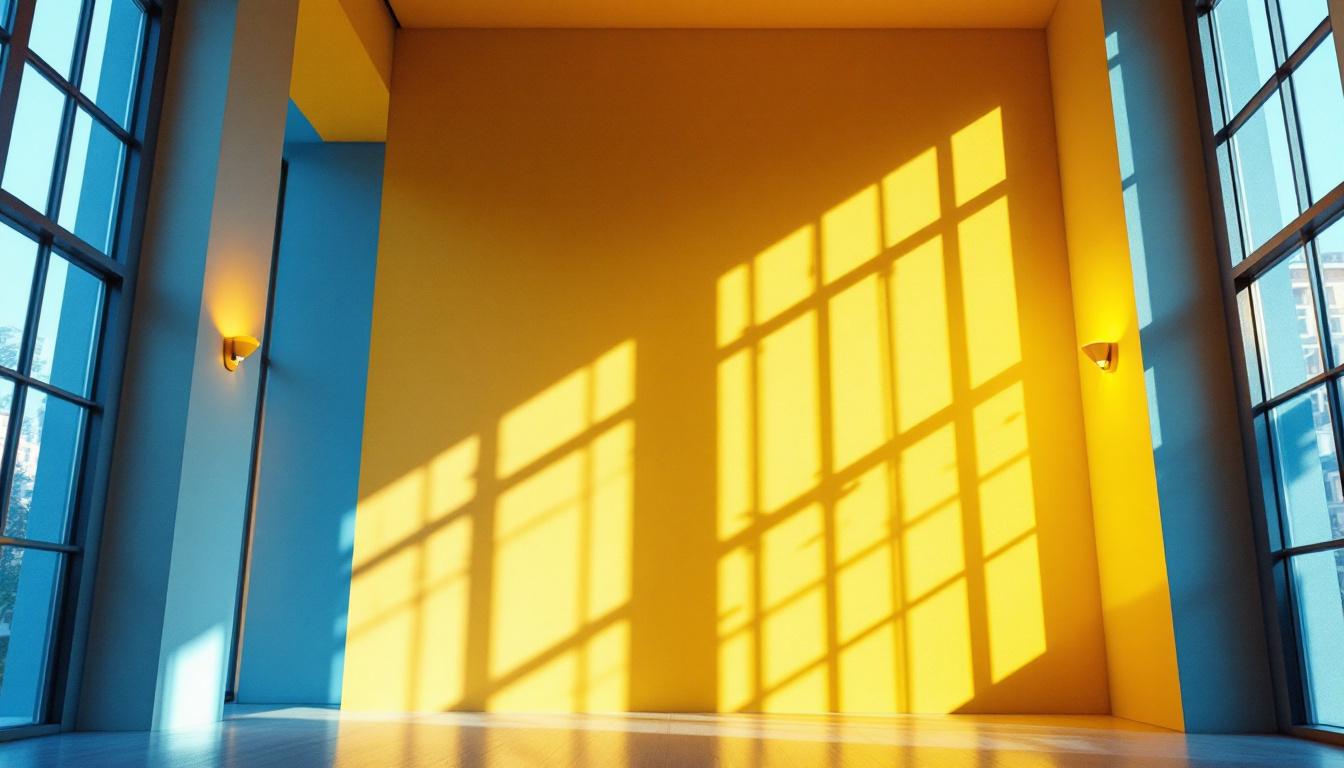
Tall ceilings create a dramatic architectural statement, but they also present unique lighting challenges. For lighting contractors, the height means standard fixtures often fail to deliver adequate illumination or aesthetic balance. Light has to travel farther, which can reduce intensity and create uneven distribution. Shadows become more pronounced, and maintenance becomes more complicated due to the height.
Choosing the right lamps and fixtures for tall ceilings requires a nuanced approach. It’s not just about picking something bright enough; it’s about understanding how light behaves in large vertical spaces and how to optimize fixture placement, beam angles, and lamp types to achieve both functional and visual goals.
One of the key considerations in lighting tall ceilings is the use of layered lighting techniques. By combining ambient, task, and accent lighting, designers can create a more balanced and inviting atmosphere. Ambient lighting provides the overall illumination needed for the space, while task lighting focuses on specific areas where activities occur, such as reading nooks or workspaces. Accent lighting, on the other hand, highlights architectural features or artwork, adding depth and interest to the room. This thoughtful layering not only enhances the aesthetic appeal but also ensures that the space is practical and comfortable for its occupants.
Another important factor is the choice of fixture styles. Pendant lights, chandeliers, and wall sconces can all contribute to the overall design while addressing the height of the ceiling. For instance, a large chandelier can serve as a stunning focal point, drawing the eye upward and emphasizing the verticality of the space. Additionally, adjustable fixtures, such as track lighting, allow for flexibility in directing light where it is needed most, which is particularly useful in rooms with varying functions. By carefully selecting and positioning these elements, lighting designers can transform the challenges of tall ceilings into opportunities for creativity and innovation.
Selecting the Right Lamp Types for High Ceilings
High-Intensity Discharge (HID) and LED Options
High ceilings demand lamps with strong output. HID lamps have long been favored for commercial and industrial spaces with tall ceilings because of their intense brightness and efficiency. However, LED technology has advanced significantly, offering comparable or superior lumen output with better energy efficiency and longer lifespan. This shift towards LEDs not only reduces energy costs but also minimizes maintenance efforts, as these lamps can last up to 25 times longer than traditional HID options.
LEDs also provide more control over color temperature and beam spread, which is crucial for tailoring light to the space’s purpose. For example, cooler white LEDs enhance visibility in workspaces, while warmer tones create inviting atmospheres in hospitality settings. Additionally, many LED fixtures now come with smart technology features, allowing users to adjust brightness and color temperature remotely, which can be particularly beneficial in environments that require flexibility, such as galleries or event spaces where lighting needs may change frequently.
Consider Beam Angle and Distribution
Beam angle plays a critical role in how light disperses from a fixture mounted high above. Narrow beam angles concentrate light in a smaller area, ideal for spotlighting or accent lighting. Wider beam angles offer broader coverage but may reduce intensity on the floor. Understanding the nuances of beam angle can significantly impact the overall effectiveness of the lighting design, especially in large open spaces where even distribution is essential.
Lighting contractors should assess the room’s function and layout to determine the optimal beam spread. Adjustable fixtures or a combination of beam angles can help achieve balanced illumination, avoiding dark spots and glare. Furthermore, incorporating dimmable options allows for greater adaptability to different activities or times of day, enhancing both the functionality and ambiance of the space. For instance, in a high-ceilinged retail environment, strategically placed fixtures with varied beam angles can draw attention to specific products while maintaining an inviting atmosphere throughout the store.
Fixture Design and Installation Techniques
Choosing Fixtures That Complement Ceiling Height
Fixtures for tall ceilings need to be proportionate to the space. Oversized chandeliers or pendant lamps can fill the vertical void and add architectural interest. Conversely, sleek, linear fixtures or recessed lighting can offer a minimalist look while providing ample light.
Materials and finishes also matter. Reflective surfaces can enhance light output, while matte finishes reduce glare. Lighting contractors should consider the overall design theme and select fixtures that harmonize with the space’s style. For instance, a rustic setting may benefit from wrought iron fixtures that echo the natural elements of wood and stone, while a modern space might call for polished chrome or glass to create a clean, airy feel. Additionally, color temperature plays a crucial role in setting the mood; warm whites can create a cozy atmosphere, while cooler tones lend a more energetic vibe, making it essential to choose wisely based on the intended use of the space.
Mounting Height and Accessibility
Installation at great heights requires careful planning. Suspended fixtures often need custom-length rods or chains to position lamps at the right height for optimal light distribution. Contractors must also factor in ease of maintenance, ensuring fixtures can be safely accessed for bulb changes or cleaning.
Using motorized hoists or pulley systems can facilitate maintenance in commercial or industrial settings. Planning for accessibility upfront saves time and reduces long-term costs. Moreover, it’s essential to consider the potential for future upgrades or changes in lighting technology. By installing fixtures with adjustable mounting options or modular designs, contractors can ensure that the lighting system remains flexible and adaptable to evolving needs. Furthermore, integrating smart lighting solutions can enhance functionality, allowing users to control brightness and color temperature remotely, thus maximizing the utility of the installed fixtures while minimizing the need for frequent physical adjustments.
Optimizing Lighting Layouts for Tall Spaces
Layered Lighting Strategies
Relying on a single type of lighting rarely works well in tall-ceilinged rooms. Layered lighting-combining ambient, task, and accent lighting-creates depth and flexibility. Ambient lighting provides general illumination, task lighting focuses on specific activities, and accent lighting highlights architectural features or artwork.
Lighting contractors should design layouts that integrate these layers seamlessly. For example, recessed downlights can supply ambient light, while adjustable track lighting adds task and accent capabilities.
Spacing and Fixture Quantity
Determining the number and spacing of fixtures is critical. Too few lamps lead to dark zones; too many cause glare and energy waste. A common rule of thumb is to space fixtures at about half the ceiling height, but this varies based on lamp output and beam angle.
Using lighting simulation software can help contractors visualize how light spreads in the space and adjust fixture placement accordingly. This technology reduces guesswork and ensures the final installation meets client expectations.
Energy Efficiency and Sustainability Considerations
Choosing Energy-Efficient Lamps
Energy costs can escalate quickly in spaces with tall ceilings due to the need for powerful lighting. LEDs stand out for their low wattage and high lumen output, often reducing energy consumption by 50% or more compared to traditional lamps.
Contractors should advise clients on the long-term savings and environmental benefits of LED upgrades. Many regions offer incentives or rebates for installing energy-efficient lighting, which can offset initial costs.
Smart Controls and Dimming Solutions
Integrating smart lighting controls enhances energy savings and user comfort. Dimming systems allow adjusting light levels based on natural daylight availability or occupancy, reducing unnecessary energy use.
Motion sensors and programmable timers are especially useful in commercial spaces with tall ceilings, where lights might otherwise remain on in unoccupied areas. Lighting contractors should consider these technologies as part of a comprehensive lighting solution.
Maintenance and Safety Best Practices
Planning for Easy Maintenance
Maintenance is often overlooked during the design phase but is crucial for tall ceilings. Selecting lamps with long lifespans reduces the frequency of replacements. Fixtures designed for easy bulb access or equipped with lowering mechanisms save time and reduce safety risks.
Contractors should provide clients with maintenance plans and recommend appropriate equipment for safe access, such as scaffolding or lifts.
Ensuring Compliance and Safety
Lighting installations must comply with local electrical codes and safety standards. Proper grounding, secure mounting, and appropriate wiring are essential to prevent hazards. For tall ceilings, additional precautions might include seismic bracing or impact-resistant fixtures in certain environments.
Contractors should stay updated on regulations and best practices, ensuring installations are both safe and reliable over the long term.
Case Studies: Successful Lighting Solutions for Tall Ceilings
Commercial Office Space
A recent project involved lighting a corporate office with 20-foot ceilings. The contractor used a combination of high-output LED recessed downlights spaced strategically for ambient light, supplemented by adjustable pendant lamps over workstations. This layered approach enhanced visual comfort and reduced energy use by nearly 40% compared to the previous setup.
Hospitality Venue
In a restaurant with vaulted ceilings, oversized chandeliers with dimmable LED bulbs created a warm, inviting atmosphere. Accent lighting highlighted architectural details, while track lighting provided flexibility for different event setups. The contractor incorporated smart controls to adjust lighting scenes throughout the day.
Industrial Warehouse
For a warehouse with ceilings exceeding 30 feet, high bay LED fixtures with wide beam angles ensured uniform illumination across the floor. Motion sensors and daylight harvesting controls optimized energy efficiency, while custom pulley systems simplified maintenance.
Final Thoughts for Lighting Contractors
Lighting tall ceilings demands more than just powerful lamps. It requires a comprehensive understanding of how light interacts with large vertical spaces, careful fixture selection, strategic layout planning, and attention to maintenance and energy efficiency. By applying these principles, lighting contractors can deliver solutions that are both functional and visually compelling, meeting client needs while optimizing performance and cost.
Staying informed about the latest technologies and best practices is essential. Every project offers an opportunity to innovate and refine approaches, ultimately enhancing the quality and impact of lighting in spaces with tall ceilings.
Illuminate Your Tall Ceiling Projects with LumenWholesale
Ready to elevate your lighting solutions for tall ceilings? Look no further than LumenWholesale for all your lighting needs. Our extensive range of spec-grade lighting products is designed to meet the unique challenges of high vertical spaces. With unbeatable wholesale prices and free shipping on bulk orders, you can ensure your projects shine with quality and value. Don’t let middlemen markups dim your vision. Choose LumenWholesale for the best in performance, affordability, and convenience. Discover wholesale lighting at the best value today and light up your next project with confidence.