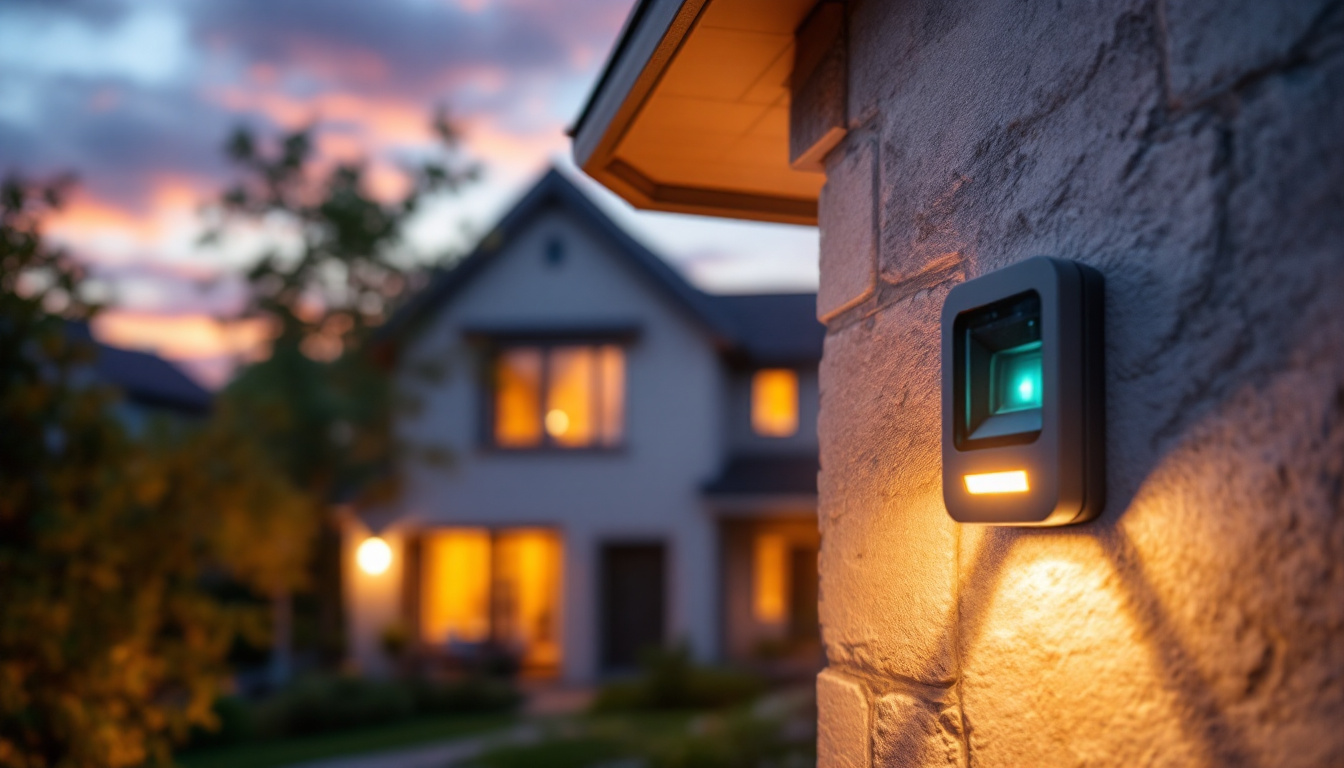
In the evolving landscape of lighting technology, lamp sensor motion systems have emerged as a pivotal innovation for enhancing efficiency and user experience. For lighting contractors, understanding these systems is essential not only for installation but also for providing clients with optimized lighting solutions that meet their needs. This guide delves into the intricacies of lamp sensor motion technology, offering insights that can help contractors stay ahead in a competitive market.
Understanding Lamp Sensor Motion Technology
Lamp sensor motion technology refers to systems that automatically control lighting based on the presence or absence of movement within a designated area. These systems utilize various types of sensors, including passive infrared (PIR), ultrasonic, and dual-technology sensors, each with its unique advantages and applications.
Types of Motion Sensors
There are several types of motion sensors available, each designed for specific environments and use cases. Understanding these types is crucial for lighting contractors to recommend the most suitable options for their clients.
- Passive Infrared (PIR) Sensors: These sensors detect changes in infrared radiation, which is emitted by warm bodies. They are ideal for outdoor applications and areas with clear lines of sight.
- Ultrasonic Sensors: Utilizing sound waves, these sensors can detect movement even in complex environments. They are effective in spaces where PIR sensors might struggle, such as rooms with obstacles.
- Dual-Technology Sensors: Combining both PIR and ultrasonic technologies, these sensors offer enhanced reliability and reduce false triggers, making them suitable for high-traffic areas.
How Motion Sensors Work
Motion sensors work by detecting movement within their field of view. When a person enters the area, the sensor triggers the lighting system, illuminating the space. This not only enhances safety but also contributes to energy savings by ensuring lights are only on when needed.
For contractors, understanding the operational mechanics of these sensors is vital. Factors such as sensor placement, sensitivity settings, and the environment can significantly influence performance. Proper configuration can maximize efficiency and minimize energy waste.
Benefits of Lamp Sensor Motion Systems
Implementing lamp sensor motion technology offers numerous advantages, making it an attractive option for both contractors and clients. These benefits extend beyond mere convenience, encompassing energy efficiency, cost savings, and enhanced security.
Energy Efficiency
One of the primary benefits of motion sensor systems is their ability to conserve energy. By automatically turning lights off when no movement is detected, these systems reduce unnecessary energy consumption. This not only lowers utility bills for clients but also supports sustainability initiatives.
Lighting contractors can leverage this feature to promote energy-efficient solutions to their clients, aligning with growing trends in environmental responsibility. Highlighting the potential for reduced energy costs can be a compelling selling point when discussing options with clients.
Cost Savings
In addition to energy savings, lamp sensor motion systems can lead to significant cost reductions over time. With lights operating only when necessary, clients can expect lower maintenance costs and extended lamp life. This is particularly relevant in commercial settings, where lighting can account for a substantial portion of operational expenses.
Contractors can enhance their value proposition by emphasizing the long-term financial benefits of installing motion sensor systems. Providing case studies or examples of previous installations can further illustrate potential savings.
Enhanced Security
Motion sensor lighting systems also play a crucial role in enhancing security. By illuminating areas when movement is detected, they deter potential intruders and provide safety for individuals in dark or secluded spaces. This feature is particularly beneficial for outdoor applications, such as parking lots or building entrances.
For contractors, offering motion sensor lighting as a security solution can differentiate their services. Clients are often willing to invest in systems that improve safety and peace of mind, making this an attractive selling point.
Installation Considerations
While the benefits of lamp sensor motion systems are clear, successful installation requires careful planning and consideration. Lighting contractors must account for various factors to ensure optimal performance and client satisfaction.
Sensor Placement
Proper sensor placement is critical for maximizing the effectiveness of motion sensor systems. Sensors should be positioned to cover the desired area without obstructions, such as furniture or walls. Additionally, contractors must consider the height at which sensors are installed, as this can impact their detection range.
Conducting a thorough site assessment before installation can help identify the best locations for sensors. This proactive approach not only enhances performance but also demonstrates professionalism and expertise to clients.
Environmental Factors
Environmental conditions can significantly influence the performance of motion sensors. Factors such as temperature, humidity, and the presence of pets or other moving objects can lead to false triggers or missed detections. Understanding these variables is essential for contractors to configure the systems correctly.
Contractors should educate clients about potential environmental impacts and recommend solutions, such as adjusting sensitivity settings or choosing specific sensor types based on the location’s characteristics. This guidance can enhance client trust and satisfaction.
Wiring and Power Supply
Ensuring proper wiring and power supply is another critical aspect of installation. Contractors must adhere to local electrical codes and standards when installing motion sensor systems. This includes selecting appropriate wiring methods and ensuring that the power supply meets the requirements of the sensors and lighting fixtures.
Providing clients with a clear understanding of the installation process, including any necessary electrical work, can help manage expectations and foster a positive working relationship.
Maintenance and Troubleshooting
Once installed, motion sensor lighting systems require regular maintenance to ensure optimal performance. Contractors should advise clients on best practices for upkeep and troubleshooting common issues that may arise.
Regular Maintenance Tips
Regular maintenance is essential for keeping motion sensor systems functioning effectively. This includes cleaning the sensors to remove dust or debris that may obstruct their detection capabilities. Additionally, contractors should recommend periodic checks of the wiring and connections to prevent any potential issues.
Educating clients about the importance of maintenance can empower them to take an active role in preserving their lighting systems. Providing a simple maintenance checklist can serve as a helpful resource for clients.
Troubleshooting Common Issues
Despite proper installation and maintenance, issues may occasionally arise with motion sensor systems. Common problems include false triggers, sensors not activating, or lights remaining on indefinitely. Contractors should be prepared to troubleshoot these issues effectively.
For example, if a sensor is triggering falsely, it may be due to environmental factors, such as moving trees or animals. Adjusting sensitivity settings or relocating the sensor may resolve the issue. Providing clients with troubleshooting tips can enhance their confidence in the system and reduce the need for service calls.
Integrating Lamp Sensor Motion with Smart Technology
The integration of lamp sensor motion systems with smart technology is an exciting development in the lighting industry. As smart homes and buildings become increasingly popular, contractors must be equipped to offer solutions that incorporate these advanced technologies.
Smart Home Compatibility
Many modern motion sensor systems are designed to be compatible with smart home platforms, allowing users to control their lighting remotely via smartphone apps or voice commands. This integration enhances convenience and offers users greater control over their lighting environments.
Contractors should stay informed about the latest smart home technologies and ensure that the motion sensor systems they install can seamlessly integrate with these platforms. This knowledge can position contractors as forward-thinking professionals in the eyes of their clients.
Energy Management Systems
In addition to smart home compatibility, motion sensor systems can be integrated into broader energy management systems. These systems allow users to monitor and manage their energy consumption, providing insights that can lead to further energy savings.
Contractors can enhance their service offerings by promoting the benefits of energy management systems alongside motion sensor technology. This holistic approach can appeal to environmentally conscious clients looking to optimize their energy usage.
Case Studies: Successful Implementations
Examining real-world examples of successful lamp sensor motion system implementations can provide valuable insights for lighting contractors. These case studies illustrate the diverse applications and benefits of these systems across various settings.
Commercial Applications
In commercial settings, lamp sensor motion systems have been successfully implemented in offices, warehouses, and retail spaces. For instance, a large retail store installed motion sensor lighting in their aisles and changing rooms, resulting in a significant reduction in energy costs and improved customer satisfaction.
This case highlights the importance of tailored solutions. The store’s management team worked closely with lighting contractors to identify the best sensor types and placements, demonstrating the value of collaboration in achieving optimal results.
Residential Applications
In residential applications, homeowners have embraced motion sensor lighting for both convenience and security. A family installed motion sensor lights in their driveway and backyard, enhancing safety while providing peace of mind during nighttime hours.
This example underscores the growing demand for smart and efficient lighting solutions in residential settings. Contractors can leverage such success stories to inspire potential clients and showcase the versatility of lamp sensor motion technology.
Future Trends in Lamp Sensor Motion Technology
As technology continues to evolve, so too will lamp sensor motion systems. Staying informed about emerging trends is crucial for lighting contractors looking to maintain a competitive edge in the industry.
Advancements in Sensor Technology
Advancements in sensor technology are expected to enhance the accuracy and reliability of motion detection. Innovations such as machine learning algorithms may allow sensors to adapt to their environments, reducing false triggers and improving performance over time.
Contractors should keep an eye on these developments and consider how they can incorporate the latest technologies into their offerings. Staying ahead of the curve can position contractors as industry leaders and trusted advisors to their clients.
Sustainability Initiatives
With increasing emphasis on sustainability, the demand for energy-efficient lighting solutions will continue to grow. Motion sensor systems that integrate renewable energy sources, such as solar power, are likely to gain popularity in both commercial and residential markets.
Contractors can capitalize on this trend by promoting eco-friendly solutions and educating clients about the benefits of sustainable lighting options. This approach aligns with broader societal goals and can enhance the contractor’s reputation as a responsible business.
Conclusion
As the lighting industry evolves, lamp sensor motion technology stands out as a key innovation for enhancing efficiency, security, and user experience. For lighting contractors, understanding the intricacies of these systems is essential for providing clients with optimal solutions that meet their needs.
By staying informed about the latest technologies, installation best practices, and emerging trends, contractors can position themselves as knowledgeable professionals in a competitive market. Emphasizing the benefits of motion sensor systems, such as energy efficiency, cost savings, and enhanced security, can help contractors build strong relationships with clients and drive business success.
Ultimately, embracing lamp sensor motion technology not only enhances the contractor’s service offerings but also contributes to a more sustainable and efficient future in lighting. As the demand for smart and efficient solutions continues to grow, contractors who adapt and innovate will thrive in this dynamic industry.
Get Your Premium Lighting Supplies at LumenWholesale
Ready to elevate your lighting projects with the latest lamp sensor motion technology? Look no further than LumenWholesale for all your lighting needs. We provide contractors with high-quality, specification-grade lighting products at unbeatable wholesale prices. Our extensive selection is designed to meet the highest industry standards, ensuring you have access to reliable and high-performance lighting solutions for every project. Plus, with the convenience of free shipping on bulk orders, you can enjoy premium lighting at the best value — without any hidden fees or compromises. Don’t miss out on the perfect combination of quality, affordability, and convenience. Visit LumenWholesale today and experience Wholesale Lighting at the Best Value for your next installation.