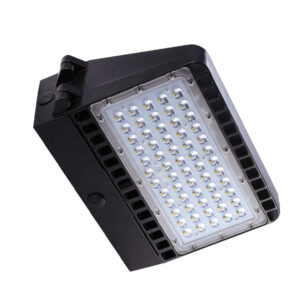
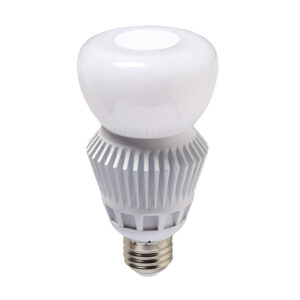
Lighting contractors play a crucial role in enhancing outdoor spaces, and one of the most effective tools at their disposal is the lamp post sensor. These sensors not only improve energy efficiency but also contribute to safety and convenience. Understanding best practices for utilizing lamp post sensors can significantly elevate the quality of lighting installations. This article outlines essential considerations and strategies for lighting contractors to optimize their use of lamp post sensors.
Understanding Lamp Post Sensors
Lamp post sensors are devices designed to automatically control the operation of outdoor lighting based on environmental conditions. They typically function by detecting ambient light levels, allowing lights to turn on or off accordingly. This automation not only saves energy but also extends the lifespan of lighting fixtures. By utilizing these sensors, municipalities and homeowners alike can ensure that their outdoor spaces are well-lit when necessary, without the constant need for manual adjustments.
Types of Lamp Post Sensors
There are several types of lamp post sensors available in the market, each with unique features. Photocells, for instance, are the most common type, responding to natural light levels. Motion sensors, on the other hand, activate lights when movement is detected, providing an added layer of security. Additionally, smart sensors can be integrated with home automation systems, offering remote control and monitoring capabilities. These smart sensors often come equipped with features such as dimming capabilities and scheduling options, allowing users to customize their lighting based on specific needs or preferences.
Selecting the right type of sensor is crucial for meeting the specific needs of a project. For instance, in areas with high foot traffic, motion sensors may be more appropriate, while residential areas may benefit from simple photocells. Furthermore, some advanced models combine both photocell and motion detection technologies, ensuring that lights are activated not only by the absence of daylight but also by the presence of individuals nearby, thereby maximizing efficiency and safety.
Benefits of Using Lamp Post Sensors
The advantages of incorporating lamp post sensors into lighting projects are manifold. Firstly, they significantly reduce energy consumption, as lights only operate when needed. This not only lowers electricity bills but also contributes to a more sustainable environment. In fact, studies have shown that areas equipped with lamp post sensors can reduce energy usage by up to 30%, making them an attractive option for eco-conscious consumers and businesses.
Moreover, lamp post sensors enhance safety and security. Automated lighting can deter potential intruders and provide illumination in dark areas, making public spaces safer for pedestrians. Additionally, the convenience of automated lighting can improve the overall user experience in residential and commercial areas. For example, in parks or recreational areas, well-lit paths encourage evening use, fostering community engagement and promoting outdoor activities. Furthermore, the integration of smart technology allows for real-time data collection, enabling city planners to analyze usage patterns and optimize lighting strategies for even greater efficiency and effectiveness.
Installation Best Practices
Proper installation of lamp post sensors is vital to ensure optimal performance. Lighting contractors must adhere to specific guidelines to maximize the effectiveness of these devices.
Site Assessment
Before installation, a thorough site assessment is essential. Understanding the layout of the area, the typical foot traffic patterns, and the natural light conditions will help in selecting the appropriate sensor type and placement. For instance, sensors should be installed in locations where they can accurately detect ambient light without interference from nearby structures or foliage. This not only ensures that the sensors function as intended but also enhances the overall safety and security of the area by providing adequate lighting when needed.
In addition to physical layout considerations, assessing the local climate can also influence sensor performance. For instance, areas prone to heavy rainfall or snow may require more robust sensors that can withstand harsh weather conditions. By considering these environmental factors during the site assessment, contractors can choose sensors that are not only effective but also durable, thus reducing the need for frequent maintenance or replacements.
Correct Placement and Orientation
Placement and orientation of lamp post sensors are critical for their functionality. Sensors should be positioned at a height that allows them to effectively monitor light levels without being obstructed. Additionally, they should face the direction that receives the most sunlight during the day to ensure accurate readings. Proper orientation can significantly enhance the sensor’s ability to differentiate between day and night, allowing for more efficient energy usage.
For motion sensors, it is important to consider the detection range. They should be placed where they can cover the desired area without false triggers from passing vehicles or animals. This careful planning can prevent unnecessary energy consumption and ensure that the lighting system operates efficiently. Furthermore, integrating the sensors with smart technology can offer additional benefits, such as remote monitoring and adjustments via mobile apps, allowing for real-time responsiveness to changing conditions or usage patterns.
Moreover, it is advisable to conduct a post-installation review to evaluate the performance of the sensors. This involves monitoring their responsiveness and making any necessary adjustments to placement or settings. Such proactive measures can lead to improved reliability and longevity of the lighting system, ensuring that it meets the needs of the community effectively.
Integration with Existing Systems
In many cases, lighting contractors will need to integrate lamp post sensors with existing lighting systems. This process requires careful consideration to ensure compatibility and functionality.
Compatibility with Lighting Fixtures
Before integrating sensors, it is crucial to assess whether the existing lighting fixtures are compatible with the chosen sensor type. Some sensors may require specific voltage levels or types of bulbs, such as LED or incandescent. Ensuring compatibility can prevent operational issues and enhance the overall efficiency of the lighting system.
Smart Technology Integration
As smart home technology becomes increasingly popular, many contractors are incorporating smart lamp post sensors into their projects. These sensors can connect to Wi-Fi networks, allowing for remote control via smartphones or smart home systems. This integration not only offers convenience but also enables contractors to provide clients with advanced features such as scheduling and energy monitoring.
When integrating smart sensors, contractors should ensure that the installation process is straightforward for clients to understand. Providing clear instructions on how to operate and manage the system will enhance customer satisfaction and encourage the adoption of smart technology.
Maintenance and Troubleshooting
Regular maintenance of lamp post sensors is essential to ensure their longevity and optimal performance. Lighting contractors should educate clients on the importance of routine checks and provide guidance on troubleshooting common issues.
Routine Inspections
Conducting routine inspections is vital for identifying any potential issues before they escalate. Contractors should recommend that clients check the sensors periodically for dirt, debris, or obstructions that may affect their performance. Cleaning the sensor lens can significantly improve accuracy and responsiveness.
Troubleshooting Common Issues
Even with proper installation and maintenance, issues may arise. Common problems include sensors failing to activate or lights staying on longer than necessary. Contractors should be prepared to assist clients in troubleshooting these issues.
For instance, if a sensor is not activating, it may be due to incorrect placement or a malfunction. In such cases, contractors may need to revisit the site to reassess the sensor’s positioning or replace the unit altogether. Providing clients with a troubleshooting guide can empower them to address minor issues independently.
Educating Clients on Usage
Providing Clear Instructions
Contractors should offer clear, concise instructions on how to operate the sensors. This includes explaining how to adjust settings, such as sensitivity levels for motion sensors or the time delay for lights to turn off. Providing written instructions or digital resources can be beneficial for clients who may need to refer back to the information later.
Highlighting Benefits and Features
Clients may not fully understand the advantages of lamp post sensors unless they are explicitly informed. Contractors should take the time to explain the energy-saving benefits, safety features, and convenience of automated lighting. By highlighting these aspects, clients are more likely to appreciate and utilize the technology effectively.
Future Trends in Lamp Post Sensors
The field of outdoor lighting is continuously evolving, and staying informed about future trends can give lighting contractors a competitive edge. Emerging technologies and innovations are shaping the way lamp post sensors are designed and utilized.
Advancements in Sensor Technology
As technology advances, lamp post sensors are becoming more sophisticated. Newer models may incorporate features such as adaptive learning, where sensors adjust their sensitivity based on historical data. This can lead to even greater energy efficiency and enhanced performance.
Integration with Smart City Initiatives
Many cities are adopting smart city initiatives that incorporate advanced lighting solutions. Lamp post sensors can play a significant role in these initiatives by providing real-time data on light levels, pedestrian traffic, and even environmental conditions. Contractors should be aware of these developments, as they may present new opportunities for projects and collaborations.
Conclusion
Incorporating lamp post sensors into outdoor lighting projects can significantly enhance energy efficiency, safety, and user satisfaction. By understanding the types of sensors available, adhering to best installation practices, and educating clients on their usage, lighting contractors can maximize the benefits of these devices.
As the industry continues to evolve, staying informed about technological advancements and trends will enable contractors to remain competitive and provide clients with the most effective lighting solutions. Embracing these best practices will not only improve the quality of installations but also contribute to a more sustainable future in outdoor lighting.
Upgrade Your Lighting Projects with LumenWholesale
Ready to take your outdoor lighting projects to the next level? At LumenWholesale, we provide lighting contractors like you with the highest quality lamp post sensors and lighting solutions. Our spec-grade products come at unbeatable wholesale prices, ensuring you get the best value for your investment. Say goodbye to local distributor markups and hello to our extensive selection that meets rigorous industry standards. Plus, with free shipping on bulk orders, you can stock up on premium lighting without worrying about hidden fees. Don’t compromise on quality or cost. Elevate your installations today and make a sustainable impact with the efficiency and reliability of LumenWholesale. Wholesale Lighting at the Best Value.