Understanding the Importance of LED Under Cabinet Lighting in Kitchens
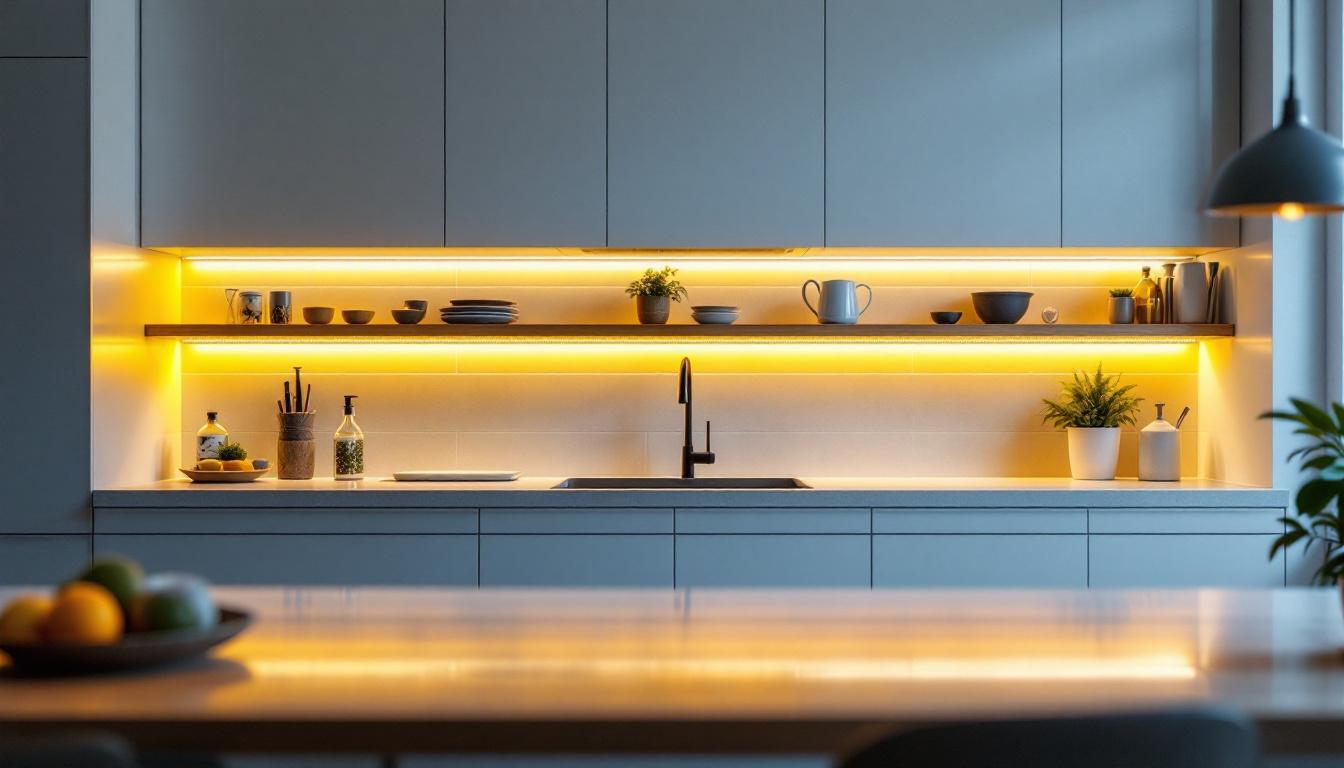
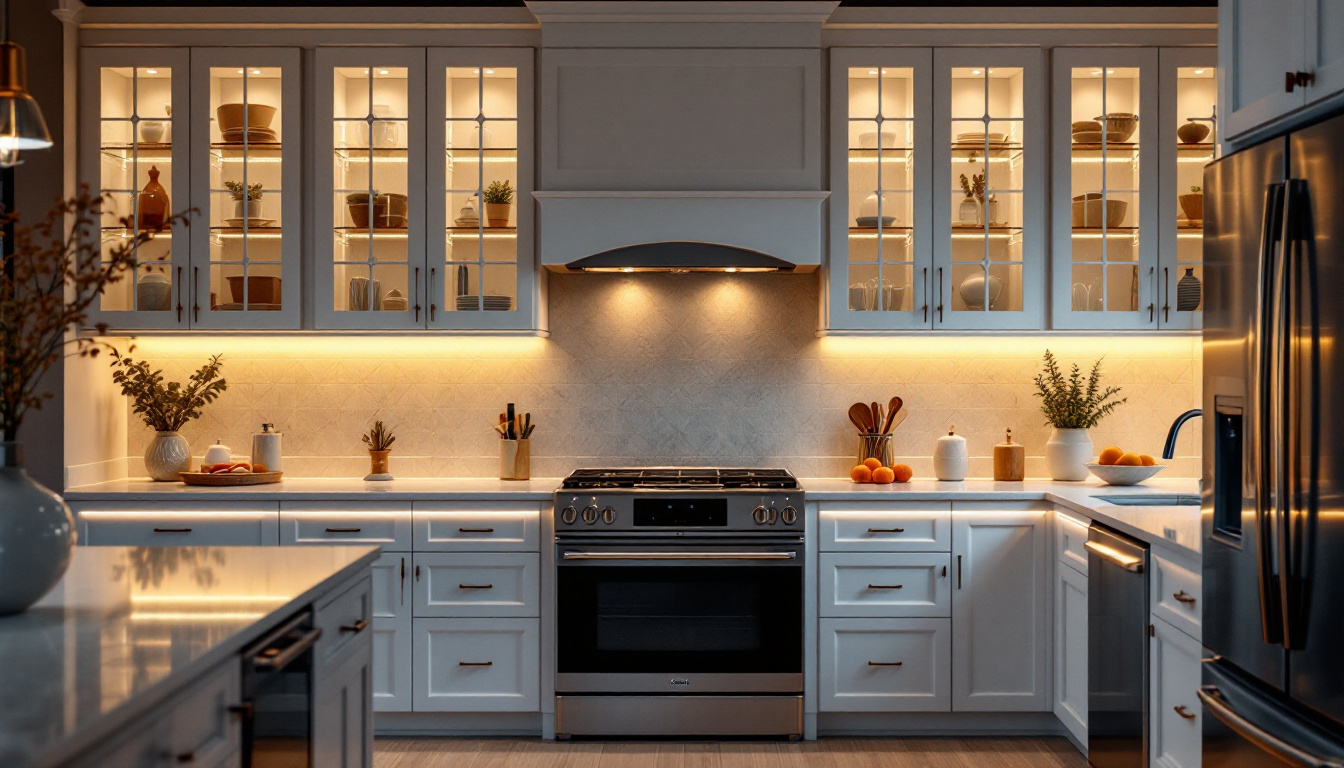
Under cabinet lighting in kitchens is more than just an aesthetic enhancement; it serves a critical functional role by illuminating work surfaces where food preparation and cooking take place. For lighting contractors, mastering the installation and design of LED under cabinet lighting is essential to delivering both beauty and utility to clients.
LED technology has revolutionized under cabinet lighting with its energy efficiency, longevity, and versatility. Compared to traditional incandescent or halogen options, LEDs consume significantly less power—often up to 80% less—while providing consistent, high-quality illumination. This makes them an ideal choice for kitchen environments where lighting is used extensively throughout the day.
Moreover, LED under cabinet lighting enhances safety by reducing shadows and glare on countertops, allowing for precise food preparation. It also adds value to the kitchen space, appealing to homeowners who seek modern, efficient, and stylish lighting solutions. For contractors, understanding these benefits is the foundation for recommending the right products and installation methods.
In addition to their practical advantages, LED under cabinet lights come in a variety of color temperatures, allowing homeowners to customize the ambiance of their kitchens. From warm whites that create a cozy atmosphere to cooler tones that promote a clean, modern feel, the choice of color temperature can significantly influence the overall mood of the kitchen. This flexibility enables homeowners to tailor their lighting to suit different occasions, whether it’s an intimate dinner or a bustling family breakfast.
Furthermore, the design of LED under cabinet lighting has evolved to include innovative features such as dimming capabilities and smart technology integration. With dimmable options, users can adjust the brightness according to their needs, enhancing the functionality of the space. Smart lighting systems can be controlled via mobile devices or voice commands, providing convenience and efficiency. These advancements not only elevate the user experience but also position contractors to offer cutting-edge solutions that meet the demands of today’s tech-savvy homeowners.
Choosing the Right LED Fixtures for Under Cabinet Lighting
Types of LED Fixtures
Lighting contractors must be familiar with the various LED fixture types available for under cabinet applications. The most common include LED strips, puck lights, and linear bars. Each type offers distinct advantages depending on the kitchen layout and client preferences.
LED strips are flexible and can be cut to size, making them ideal for continuous, uniform lighting along the length of cabinets. They are typically low-profile and can be installed discreetly, which appeals to clients seeking a minimalist look. Additionally, LED strips often come with adhesive backing, allowing for a straightforward installation process that can be completed without the need for professional help, making them a popular choice for DIY enthusiasts.
Puck lights provide focused pools of light and are often used to highlight specific areas or create accent lighting. They are generally easier to install in retrofit situations but may require more fixtures to achieve even illumination. These fixtures can be strategically placed above work areas like countertops or sinks to enhance visibility, and they can also be used to create a dramatic effect by illuminating decorative items or artwork displayed on shelves.
Linear LED bars combine the benefits of strips and puck lights by offering a slim, rigid form factor that delivers consistent light output. They are well-suited for kitchens with longer cabinet runs and where a clean, modern aesthetic is desired. Moreover, many linear bars come with dimming capabilities, allowing homeowners to adjust the brightness according to their needs, whether for cooking tasks or creating a cozy atmosphere during dinner parties.
Color Temperature and CRI Considerations
Choosing the correct color temperature and Color Rendering Index (CRI) is critical to achieving the desired ambiance and functionality. Most kitchen under cabinet lighting benefits from a color temperature between 2700K and 3500K, which offers a warm to neutral white light that complements typical kitchen finishes and skin tones. This range not only enhances the visual appeal of the kitchen but also makes it a more inviting space for family and guests alike.
High CRI values, ideally above 90, ensure that colors appear natural and vibrant. This is particularly important in kitchens where food presentation and color accuracy are essential. Lighting contractors should educate clients on how these factors influence the overall kitchen experience and select fixtures accordingly. Furthermore, it is worth noting that different tasks may require different lighting conditions; for example, a higher color temperature may be preferred for food preparation, while a warmer light can create a relaxed atmosphere during meals. By understanding these nuances, contractors can provide tailored solutions that enhance both functionality and aesthetic appeal in the kitchen.
Proven Installation Techniques for Optimal Performance
Planning and Layout
Successful under cabinet lighting installations begin with meticulous planning. Contractors should assess the kitchen layout, cabinet dimensions, and electrical access points to determine the best fixture placement. Ensuring even light distribution with minimal shadows requires careful measurement and alignment.
It is advisable to position LED fixtures toward the front edge of the cabinet underside to maximize countertop illumination. Additionally, spacing between fixtures should be calculated to avoid dark spots or overly bright areas. Using a lighting design software can aid in visualizing the final effect and optimizing fixture placement.
Wiring and Power Supply Considerations
Wiring under cabinet LED lighting demands attention to safety and code compliance. Lighting contractors must ensure that power supplies are appropriately rated for the total wattage of the LED fixtures and that wiring is concealed to maintain a clean installation.
Low-voltage LED systems are common in under cabinet lighting, requiring transformers or drivers to convert line voltage to the appropriate level. Selecting high-quality drivers with built-in protections against voltage fluctuations can extend the lifespan of the installation and prevent flickering.
Contractors should also plan for accessibility in case maintenance or future upgrades are necessary. Using connectors and junction boxes that allow for easy disconnection without damaging the cabinetry is a best practice.
Mounting and Securing Fixtures
Proper mounting techniques are essential to ensure the longevity and safety of under cabinet LED lighting. Fixtures should be securely fastened using manufacturer-recommended clips, brackets, or adhesive tapes designed for the kitchen environment.
When using LED strips, surface preparation is critical. Cleaning the mounting surface to remove dust, grease, and moisture improves adhesive performance and prevents premature detachment. For puck lights and linear bars, pre-drilling holes and using screws or mounting brackets ensures a stable installation.
Contractors should also consider heat dissipation. Although LEDs generate less heat than traditional bulbs, inadequate ventilation can reduce their lifespan. Allowing space around the fixtures or using aluminum channels can help dissipate heat effectively.
Advanced Features and Controls to Enhance Client Satisfaction
Dimming and Smart Controls
Modern LED under cabinet lighting systems often include dimming capabilities, allowing users to adjust brightness to suit different tasks and moods. Lighting contractors should be proficient in installing compatible dimmers that work seamlessly with LED drivers to avoid flickering or buzzing.
Smart lighting controls, including wireless and app-based systems, offer additional convenience and customization. These technologies enable clients to program schedules, change color temperatures, and integrate lighting with other smart home devices. Offering these options can differentiate a contractor’s services and meet the growing demand for connected home solutions.
Color Changing and Tunable White LEDs
For clients seeking versatility, color-changing RGB LEDs or tunable white LEDs provide dynamic lighting options. Tunable white LEDs allow adjustment between warm and cool white light, adapting the kitchen ambiance throughout the day. This feature can improve circadian rhythm alignment and enhance the overall kitchen experience.
While these advanced fixtures may require more complex installation and programming, lighting contractors who master these technologies can offer premium solutions that command higher project value.
Common Challenges and How to Overcome Them
Addressing Glare and Shadows
One of the most frequent challenges in under cabinet lighting is managing glare and shadows, which can reduce comfort and visibility. Contractors can mitigate glare by selecting fixtures with diffusers or frosted lenses that soften the light output.
To minimize shadows, it is essential to position fixtures correctly and consider layering lighting with overhead or recessed lights. Combining multiple light sources ensures balanced illumination and enhances the kitchen’s functionality.
Dealing with Limited Space and Retrofit Constraints
In many renovation projects, limited space beneath cabinets or the presence of existing wiring can complicate installation. Lighting contractors should be adept at customizing solutions, such as using ultra-thin LED strips or flexible fixtures that conform to tight spaces.
Retrofit installations may also require creative wiring solutions, including surface-mounted raceways or wireless power options. Thorough site assessment and client communication are vital to managing expectations and delivering effective results.
Maintenance Best Practices for Long-Term Success
Ensuring the longevity of under cabinet LED lighting involves both proper installation and ongoing maintenance. Contractors should advise clients on routine cleaning to prevent dust and grease buildup, which can diminish light output.
Additionally, recommending periodic inspections to check for loose connections or damaged components can prevent failures. Providing clients with clear documentation on the lighting system, including warranty information and troubleshooting tips, enhances customer satisfaction and reduces service calls.
Conclusion: Elevating Kitchen Lighting Through Expertise
For lighting contractors, mastering kitchen LED under cabinet lighting is a valuable skill that combines technical knowledge with design sensibility. By selecting the right fixtures, employing proven installation techniques, and embracing advanced controls, contractors can deliver lighting solutions that enhance kitchen functionality, safety, and aesthetics.
Staying informed about the latest LED technologies and installation best practices enables contractors to meet client expectations and stand out in a competitive market. Ultimately, well-executed under cabinet lighting projects contribute to beautiful, efficient kitchens that homeowners enjoy for years to come.
Get Your Premium LED Under Cabinet Lighting at LumenWholesale
Ready to elevate your kitchen lighting projects with the best LED under cabinet solutions? Look no further than LumenWholesale, where we provide lighting contractors with high-quality, spec-grade lighting products at unbeatable wholesale prices. Our extensive selection is designed to meet the highest industry standards, ensuring you deliver reliable and high-performance lighting to every kitchen. Plus, with free shipping on bulk orders, you can enjoy premium lighting at the best value — all without hidden fees or compromises. Don’t miss out on the perfect blend of quality, affordability, and convenience. Visit LumenWholesale today and experience Wholesale Lighting at the Best Value for your next project.