Lighting is an essential aspect of any construction or renovation project, and for lighting contractors, understanding how to optimize lighting solutions can significantly enhance efficiency and productivity. This article delves into the nuances of ideal lighting, exploring how contractors can leverage various strategies and technologies to improve their service offerings and ultimately boost their business performance.
Understanding Lighting Needs
Before diving into the specifics of lighting solutions, it’s crucial for contractors to assess the unique lighting needs of each project. This involves a comprehensive evaluation of the space, its purpose, and the desired ambiance. Whether it’s a residential home, commercial office, or outdoor area, each environment has distinct requirements that must be addressed. Understanding these nuances not only ensures that the lighting design is functional but also that it aligns with the aesthetic vision of the client, creating a harmonious balance between form and function.
Assessing Space Requirements
Different spaces require different types of lighting. For instance, a retail store may benefit from bright, focused lighting to highlight products, while a restaurant might opt for softer, ambient lighting to create a cozy atmosphere. Contractors should conduct thorough assessments to determine the appropriate lighting types, intensities, and placements. This not only enhances the functionality of the space but also ensures that clients are satisfied with the final outcome. Furthermore, considerations such as the color temperature of the light can significantly impact the mood of the environment; warmer tones can evoke comfort, while cooler tones can promote alertness and productivity. By taking these factors into account, contractors can create tailored lighting solutions that resonate with the intended use of the space.
Client Consultation
Engaging with clients to understand their preferences and expectations is a vital step in the lighting design process. By discussing their vision, contractors can tailor their solutions to meet specific needs. This dialogue can also uncover additional opportunities for upselling or recommending complementary services, thus increasing overall project value. During these consultations, it is beneficial for contractors to present various lighting options, including energy-efficient LED solutions or smart lighting systems that can be controlled via mobile devices. Educating clients about the long-term benefits of these technologies not only enhances their experience but also positions the contractor as a knowledgeable partner in the project. Additionally, gathering feedback on initial design concepts allows for adjustments early in the process, ultimately leading to a more satisfying outcome for both the contractor and the client.
Choosing the Right Lighting Solutions
Once the lighting needs have been assessed, the next step is to select the appropriate lighting solutions. The market is flooded with options, ranging from traditional incandescent bulbs to advanced LED systems. Each type has its pros and cons, and understanding these can help contractors make informed decisions. A thorough evaluation of the space, including its purpose, size, and existing electrical infrastructure, is crucial in determining the most suitable lighting approach. For instance, a cozy living room may benefit from warm, ambient lighting, while a kitchen might require brighter, task-oriented fixtures.
LED Technology
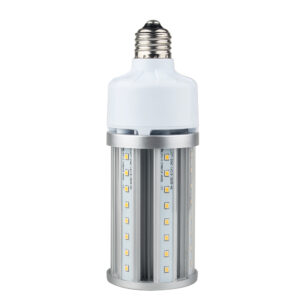
LED lighting has gained immense popularity due to its energy efficiency and longevity. Unlike traditional bulbs, LEDs consume significantly less power, which translates to lower electricity bills for clients. Additionally, they have a longer lifespan, reducing the frequency of replacements. For contractors, recommending LED solutions not only benefits clients but also positions them as knowledgeable professionals in the industry. Moreover, LEDs are available in a variety of color temperatures, allowing for customization that can enhance the mood of any space. This versatility makes them ideal for both residential and commercial applications, where the right ambiance can significantly impact user experience.
Smart Lighting Systems
Incorporating smart lighting technologies can further enhance the efficiency of lighting installations. Smart systems allow for remote control, scheduling, and automation, providing users with flexibility and convenience. Contractors who stay updated on the latest smart lighting trends can offer innovative solutions that appeal to tech-savvy clients, setting themselves apart from competitors. These systems can integrate with other smart home devices, creating a cohesive ecosystem that enhances security and energy management. For example, smart lighting can be programmed to simulate occupancy when homeowners are away, deterring potential intruders while also allowing for energy savings through automated dimming and turning off lights during daylight hours.
Furthermore, the rise of voice-activated assistants has made controlling lighting even more intuitive. Clients can adjust their lighting with simple voice commands, adding an extra layer of convenience to their daily routines. This trend not only appeals to younger generations who value technology but also to older adults who may benefit from the ease of use. As such, contractors who embrace smart lighting solutions can tap into a growing market segment, ensuring their services remain relevant and in demand as consumer preferences evolve.
Designing for Efficiency
Designing an efficient lighting layout is crucial for maximizing both functionality and aesthetics. Contractors should consider factors such as light distribution, fixture placement, and energy consumption when creating their designs.
Light Distribution
Effective light distribution ensures that spaces are evenly illuminated, reducing shadows and dark spots. This can be achieved through a combination of ambient, task, and accent lighting. By strategically placing fixtures, contractors can create a balanced lighting scheme that enhances the overall environment. Additionally, using dimmers and adjustable fixtures can provide clients with control over their lighting, further enhancing the user experience.
Energy Efficiency
In today’s environmentally conscious market, energy efficiency is a significant selling point. Contractors should prioritize designs that minimize energy consumption while still meeting the lighting needs of the space. This includes selecting energy-efficient fixtures, utilizing natural light sources, and incorporating controls that allow for adjustments based on occupancy or time of day. By promoting energy-efficient designs, contractors can appeal to clients looking to reduce their carbon footprint.
Implementing Lighting Controls
Lighting controls play a pivotal role in enhancing the efficiency of lighting systems. By integrating various control options, contractors can provide clients with greater flexibility and energy savings.
Dimmer Switches
Dimmer switches are a simple yet effective way to enhance lighting control. They allow users to adjust the brightness of their lighting, creating the desired ambiance for different occasions. By installing dimmers, contractors can help clients save energy and extend the life of their lighting fixtures. Furthermore, the ability to customize lighting levels can lead to increased satisfaction and comfort for users.
Occupancy Sensors
Incorporating occupancy sensors into lighting designs can significantly reduce energy waste. These sensors automatically turn lights on when a space is occupied and off when it is empty. This technology is particularly beneficial in commercial settings, where lights may otherwise remain on during non-business hours. By recommending occupancy sensors, contractors can demonstrate their commitment to energy efficiency and sustainability.
Staying Updated with Industry Trends
The lighting industry is constantly evolving, with new technologies and trends emerging regularly. For lighting contractors, staying informed about these changes is essential for maintaining a competitive edge.
Continuing Education
Investing in continuing education and training can provide contractors with the knowledge and skills needed to implement the latest lighting solutions effectively. Workshops, webinars, and industry conferences offer valuable insights into new products, technologies, and design strategies. By staying current, contractors can enhance their expertise and offer clients cutting-edge solutions.
Networking Opportunities
Networking with other professionals in the lighting industry can also lead to valuable partnerships and collaborations. By connecting with manufacturers, suppliers, and fellow contractors, professionals can share knowledge, resources, and best practices. This collaborative approach can lead to improved project outcomes and increased referrals, ultimately benefiting all parties involved.
Enhancing Customer Experience
Providing an exceptional customer experience is essential for building long-term relationships and securing repeat business. Contractors should focus on communication, transparency, and follow-up to ensure client satisfaction throughout the project lifecycle.
Effective Communication
Clear and open communication is key to a successful contractor-client relationship. Keeping clients informed about project timelines, potential challenges, and progress updates fosters trust and confidence. Contractors should also encourage feedback and be responsive to client inquiries, demonstrating their commitment to customer service.
Post-Installation Support
After completing a lighting installation, contractors should offer ongoing support to clients. This can include guidance on how to use lighting controls, recommendations for maintenance, and addressing any issues that may arise. Providing this level of support not only enhances the customer experience but also positions contractors as reliable partners in their clients’ lighting journeys.
Marketing Strategies for Lighting Contractors
In a competitive market, effective marketing strategies are essential for attracting new clients and growing a lighting contracting business. Contractors should leverage various channels to showcase their expertise and services.
Online Presence
Establishing a strong online presence is crucial for reaching potential clients. A professional website that highlights services, showcases past projects, and includes client testimonials can significantly enhance credibility. Additionally, utilizing social media platforms to share project updates, industry insights, and engaging content can help contractors connect with a broader audience.
Local Networking and Referrals
Building relationships within the local community can lead to valuable referrals and partnerships. Contractors should consider joining local business organizations, attending community events, and collaborating with other professionals in related fields, such as interior designers and architects. These connections can lead to new opportunities and help contractors establish themselves as trusted experts in their area.
Conclusion
For lighting contractors, understanding the principles of ideal lighting and how to implement them effectively can lead to increased efficiency and client satisfaction. By assessing lighting needs, selecting appropriate solutions, and staying updated with industry trends, contractors can enhance their service offerings and position themselves as leaders in the field. Furthermore, prioritizing customer experience and employing effective marketing strategies can help build a successful and sustainable lighting contracting business.
Discover Unbeatable Lighting Solutions with LumenWholesale
Ready to elevate your lighting projects to new heights of efficiency and client satisfaction? Look no further than LumenWholesale, where we provide contractors with the highest quality, spec-grade lighting products at the best wholesale prices. Say goodbye to local distributor markups and hello to our extensive selection that meets rigorous industry standards. With free shipping on bulk orders, you’re guaranteed to get the premium lighting your projects deserve, at a value that can’t be beaten. Don’t compromise on quality or cost—explore our lighting solutions today and experience the LumenWholesale difference.