Hydroponic Lights LED: Common Mistakes Lighting Contractors Make
Understanding the Unique Demands of Hydroponic LED Lighting
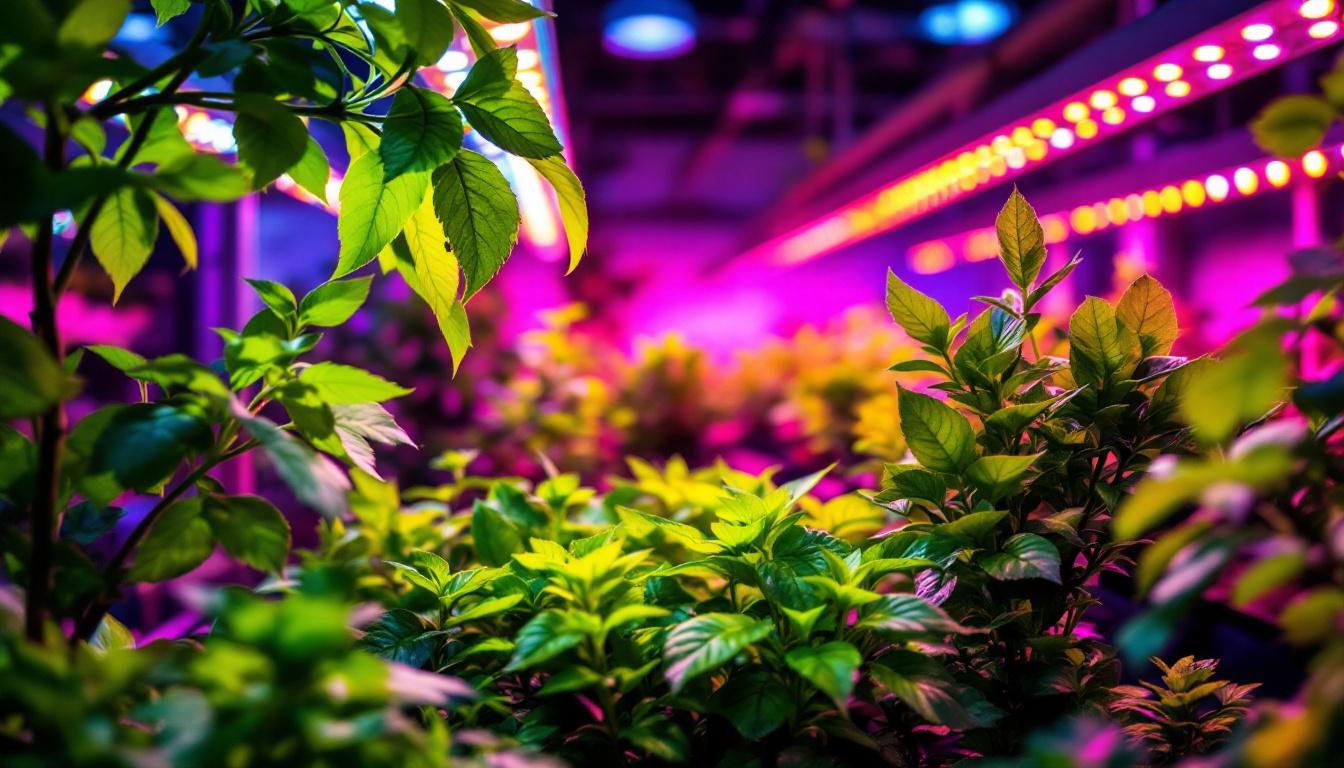
Hydroponic farming has surged in popularity due to its efficiency, sustainability, and ability to produce high yields in controlled environments. Central to the success of hydroponic systems is the lighting setup, particularly the use of LED grow lights. These specialized lights are designed to provide the precise spectrum and intensity of light plants need to thrive without soil.
For lighting contractors, hydroponic LED installations represent a distinct challenge. Unlike traditional residential or commercial lighting, hydroponic lighting must cater to biological processes, requiring a deep understanding of plant physiology, light spectra, and environmental factors. Missteps in design, installation, or maintenance can lead to suboptimal plant growth, increased operational costs, and dissatisfied clients.
Recognizing common pitfalls can help contractors deliver superior results and build a reputation in this niche market. One of the most critical aspects is understanding the specific light spectrum that different plants require at various growth stages. For instance, seedlings thrive under blue light, which promotes vegetative growth, while flowering plants benefit from red light, which encourages blooming. This nuanced approach to lighting not only enhances plant health but also maximizes yield, making it essential for contractors to stay informed about the latest research in plant-light interactions.
Moreover, the placement and intensity of LED lights play a crucial role in the overall success of a hydroponic setup. Proper spacing ensures that all plants receive adequate light without creating hotspots that could lead to overheating or light burn. Additionally, contractors must consider the use of timers and dimmers to simulate natural light cycles, which can further optimize plant growth. By integrating these advanced techniques into their installations, contractors can significantly improve the performance of hydroponic systems, ultimately leading to happier clients and more successful projects.
Common Mistakes Lighting Contractors Make with Hydroponic LED Installations
1. Inadequate Knowledge of Plant Light Requirements
One of the most frequent mistakes is treating hydroponic lighting like conventional lighting projects. Plants require specific light spectra—primarily blue and red wavelengths—to optimize photosynthesis. Blue light encourages vegetative growth, while red light supports flowering and fruiting stages.
Contractors unfamiliar with these nuances may select LEDs with inappropriate spectral outputs or rely on generic white LEDs, which do not efficiently support plant growth. This oversight can stunt plant development and reduce crop yields, undermining the client’s investment.
Lighting professionals should familiarize themselves with photosynthetically active radiation (PAR) and photosynthetic photon flux density (PPFD) metrics to ensure their installations deliver the right quality and quantity of light. Additionally, understanding the specific needs of different plant species can further enhance the effectiveness of the lighting setup. For instance, leafy greens may thrive under different light conditions compared to fruiting plants like tomatoes or peppers, necessitating a tailored approach to lighting design.
2. Overlooking Light Intensity and Distribution
Another common error involves improper calculation of light intensity and its distribution across the growing area. Hydroponic crops require uniform light coverage to avoid uneven growth patterns, such as leggy plants or shaded zones where photosynthesis is insufficient.
Contractors sometimes underestimate the number of fixtures needed or fail to position them optimally. This can result in hotspots with excessive light intensity that may damage plants or cause heat stress, as well as dim areas that slow growth.
Using light modeling software or conducting on-site light mapping can help contractors design layouts that maximize uniformity and efficiency. Moreover, understanding the growth stages of the plants can aid in adjusting light intensity accordingly; for example, seedlings may require less intense light compared to mature plants, which can handle higher intensities. This adaptability can lead to healthier plants and improved yields.
3. Neglecting Heat Management and Ventilation
LEDs are more energy-efficient and emit less heat than traditional grow lights, but they still generate heat that must be managed carefully. Poor heat dissipation can lead to elevated temperatures, negatively impacting plant health and potentially shortening the lifespan of the fixtures.
Contractors sometimes fail to integrate adequate cooling systems or ignore the effects of ambient temperature and airflow within the grow space. This oversight can cause hotspots, uneven temperature distribution, and increased energy consumption due to overcompensating with ventilation.
Proper heat management strategies, such as installing fans, heat sinks, or HVAC integration, are essential components of a successful hydroponic LED lighting system. Furthermore, the use of thermal imaging technology can help identify temperature anomalies within the grow space, allowing for proactive adjustments before any significant damage occurs. Regular maintenance checks on these systems can also ensure they operate at peak efficiency, preserving both plant health and equipment longevity.
4. Ignoring Electrical Load and Energy Efficiency Considerations
Hydroponic farms often operate continuously, making energy consumption a significant operational cost. Contractors may underestimate the electrical load of the lighting system or select fixtures without considering their energy efficiency ratings.
Failing to account for total power draw can lead to overloaded circuits, tripped breakers, or the need for costly electrical upgrades after installation. Additionally, inefficient lighting increases utility bills and reduces the sustainability of the operation.
Lighting contractors should perform thorough electrical assessments, select LEDs with high efficacy (measured in micromoles per joule), and recommend energy management solutions to optimize performance and cost-effectiveness. Moreover, implementing smart meters can provide real-time data on energy consumption, enabling growers to make informed decisions about their lighting usage and identify opportunities for further energy savings.
5. Overcomplicating Control Systems or Underutilizing Automation
Modern hydroponic LED systems often incorporate advanced controls for dimming, spectrum adjustment, and scheduling to mimic natural light cycles. However, contractors sometimes either overcomplicate these systems, making them difficult for clients to operate, or fail to leverage automation capabilities that enhance plant growth and energy savings.
Striking the right balance is crucial. Lighting professionals should design intuitive control interfaces and educate clients on best practices. Automation can reduce human error, optimize light cycles for different growth stages, and integrate with environmental sensors for holistic crop management. Additionally, incorporating user-friendly mobile applications can empower growers to monitor and adjust their systems remotely, ensuring optimal conditions are maintained even when they are not physically present in the growing area. This level of control can significantly enhance productivity and streamline operations, ultimately leading to a more successful hydroponic venture.
Strategies to Avoid These Mistakes and Excel in Hydroponic LED Lighting
Invest in Specialized Training and Research
Lighting contractors aiming to succeed in hydroponic projects must commit to ongoing education. This includes understanding plant biology, staying updated on LED technology advancements, and learning about hydroponic system integration.
Participating in workshops, certification programs, and industry conferences can provide valuable insights. Additionally, reviewing case studies and collaborating with horticulturists can deepen understanding and improve design decisions. Engaging with academic institutions can also yield significant benefits, as many universities conduct cutting-edge research in plant sciences and sustainable agriculture. By forming partnerships with these institutions, contractors can gain access to the latest findings and innovative practices that can be directly applied to their projects.
Utilize Advanced Design Tools and Simulations
Employing lighting design software tailored for horticultural applications allows contractors to simulate light distribution, intensity, and spectral output before installation. This proactive approach helps identify potential issues and optimize fixture placement.
Simulations can also aid in energy consumption forecasting and heat load calculations, supporting more informed decisions and client proposals. Furthermore, these tools can facilitate the visualization of different lighting scenarios, enabling contractors to present clients with multiple options that highlight the potential impacts on crop growth and yield. By demonstrating how variations in light spectrum and intensity can affect plant health, contractors can help clients make more informed decisions that align with their specific agricultural goals.
Prioritize Client Communication and Education
Clear communication about the capabilities and limitations of LED hydroponic lighting is essential. Contractors should set realistic expectations regarding installation timelines, maintenance requirements, and operational costs.
Providing clients with user-friendly manuals, training sessions, and ongoing support fosters trust and ensures the lighting system is used effectively to maximize crop yields. Additionally, creating a feedback loop where clients can share their experiences and challenges with the system can be invaluable. This not only helps contractors refine their services but also empowers clients by making them feel involved in the process. Regular updates on new technologies or techniques can also keep clients engaged and informed, ensuring they are always equipped to optimize their hydroponic systems.
Implement Rigorous Quality Control and Maintenance Plans
Post-installation follow-up is critical. Regular inspections, performance monitoring, and preventative maintenance help identify issues such as fixture degradation, electrical faults, or environmental changes that could impact plant growth.
Contractors should offer maintenance contracts or service agreements to maintain optimal system performance and extend equipment lifespan. Additionally, establishing a schedule for routine check-ups can prevent minor issues from escalating into costly repairs. Providing clients with detailed reports on system performance and maintenance activities can also enhance transparency and build confidence in the contractor’s expertise. Moreover, leveraging technology such as IoT sensors can enable real-time monitoring of lighting systems, allowing for immediate adjustments and interventions as needed, ultimately leading to better crop outcomes and client satisfaction.
Case Study: Avoiding Pitfalls in a Commercial Hydroponic Farm Installation
A lighting contractor tasked with outfitting a 10,000-square-foot hydroponic lettuce farm initially faced challenges related to uneven light distribution and heat buildup. Early installations used standard white LEDs, which led to slow growth and inconsistent crop quality.
After reassessing the project, the contractor collaborated with horticultural experts to select full-spectrum LEDs optimized for leafy greens. They redesigned the fixture layout using light simulation software to ensure uniform PPFD levels across the grow area.
Additionally, the contractor integrated a sophisticated cooling system and implemented automated lighting controls synchronized with the crop’s growth cycle. Post-installation monitoring showed a 20% increase in yield and a 15% reduction in energy costs, demonstrating the value of avoiding common mistakes and investing in specialized solutions.
Conclusion: Elevating Hydroponic LED Lighting Through Expertise and Precision
Hydroponic LED lighting presents unique challenges that demand specialized knowledge and meticulous planning from lighting contractors. Avoiding common mistakes—such as neglecting plant light requirements, improper fixture placement, inadequate heat management, electrical miscalculations, and poor control system design—can significantly impact the success of hydroponic operations.
By investing in education, leveraging advanced tools, maintaining open client communication, and committing to quality control, lighting contractors can deliver high-performance, energy-efficient lighting solutions that promote healthy plant growth and maximize client satisfaction.
As the hydroponic industry continues to expand, contractors who master these complexities will position themselves as trusted partners in sustainable agriculture and controlled environment farming.
Get the Best in Hydroponic LED Lighting with LumenWholesale
Ready to elevate your hydroponic lighting projects with precision and expertise? Look no further than LumenWholesale for all your lighting needs. Our extensive selection of top-quality, spec-grade lighting products comes at unbeatable wholesale prices, giving you the edge in sustainable agriculture and controlled environment farming. Say goodbye to inflated markups and hello to reliability and high performance in every fixture. Plus, with free shipping on bulk orders, you can stock up on premium lighting without any hidden fees. Don’t compromise on quality or value—choose Wholesale Lighting at the Best Value and make your next hydroponic installation a resounding success with LumenWholesale.