Understanding Track Lighting Systems
Track lighting has become an essential component in both residential and commercial lighting design due to its versatility and ability to highlight specific areas or objects. For lighting contractors, understanding the intricacies of track lighting systems is fundamental before undertaking fixture replacements. Track lighting typically consists of a track mounted to the ceiling or wall, which houses electrical conductors. Fixtures, or heads, are then attached to the track and can be repositioned along it to direct light where needed.
There are several types of track lighting systems, including H, J, and L types, each with different electrical configurations and physical connectors. Familiarity with these types is crucial because fixture compatibility depends on the track type. For instance, an H-type fixture will not fit or function properly on a J-type track. Additionally, understanding the voltage requirements—whether low voltage or line voltage—is vital to ensure safety and optimal performance.
Beyond basic compatibility, contractors must consider the style and functionality of fixtures. Options range from adjustable spotlights to linear fixtures and pendant lights. Each serves different purposes, from accent lighting to general illumination. A thorough grasp of these elements enables contractors to recommend and install fixtures that meet client needs effectively.
Moreover, the aesthetic appeal of track lighting cannot be overlooked. With an array of finishes available, such as brushed nickel, matte black, and antique bronze, contractors can help clients choose options that complement their interior design. The ability to customize the look of track lighting systems allows for seamless integration into various styles, from modern minimalist to rustic charm. Additionally, the use of LED technology in track lighting has revolutionized energy efficiency, providing longer lifespans and lower energy costs, which is a significant selling point for environmentally conscious clients.
Another important aspect to consider is the layout and positioning of the track lighting. Proper placement can dramatically affect the ambiance of a space. For example, in a gallery setting, track lighting can be strategically positioned to highlight artwork, creating a dramatic effect that draws the viewer’s eye. In contrast, in a kitchen, track lighting can be installed to illuminate workspaces, ensuring safety and functionality. Understanding the nuances of light placement and the impact of beam angles can empower contractors to create tailored lighting solutions that enhance both the practicality and beauty of a space.
Preparing for Fixture Replacement
Assessing the Existing Installation
Before beginning any replacement work, a comprehensive assessment of the existing track lighting installation is necessary. This includes checking the condition of the track itself, the electrical connections, and the current fixtures. Over time, tracks can accumulate dust, suffer from wear, or experience electrical issues such as loose connections or corrosion.
Contractors should also evaluate the lighting layout in relation to the space’s function. For example, a retail environment might require brighter, more focused lighting on merchandise, while a gallery might benefit from softer, adjustable accent lights. Understanding the client’s goals allows for a more tailored replacement strategy.
Gathering Tools and Materials
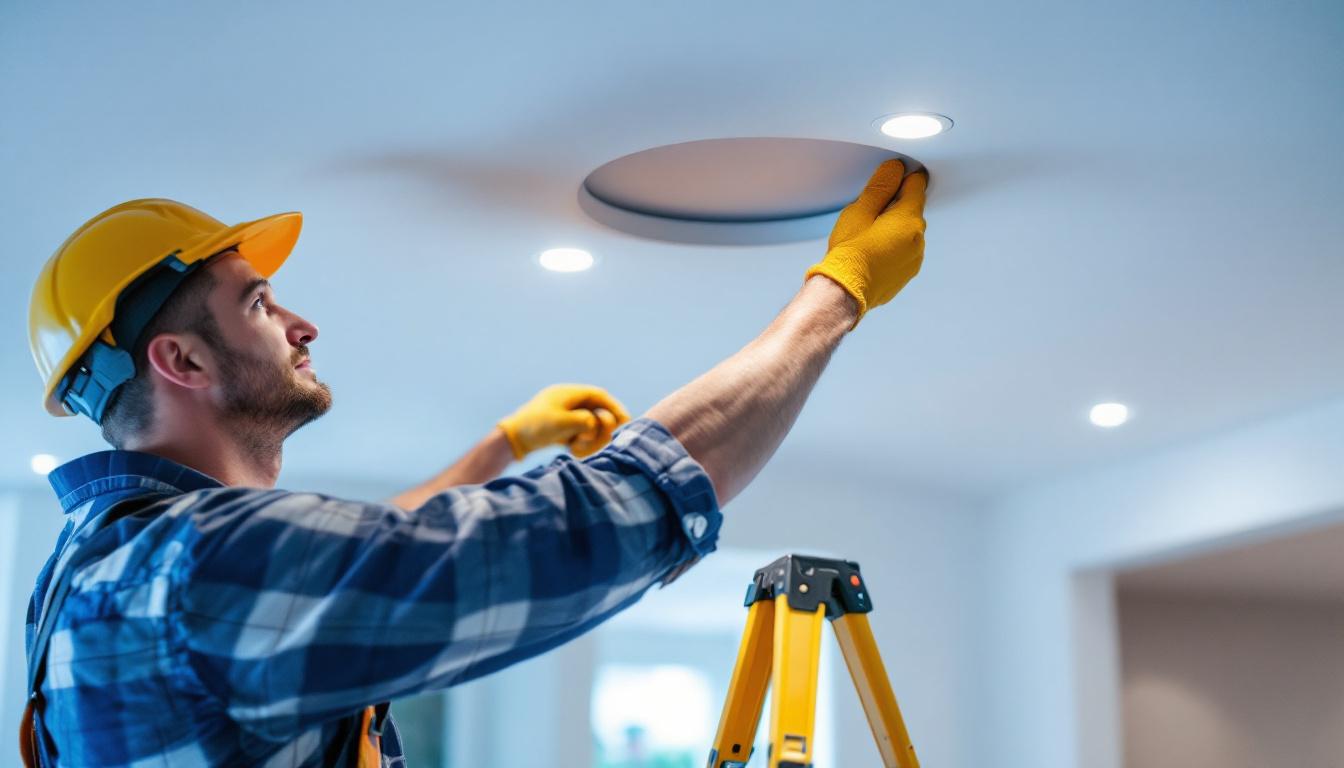
Replacing track lighting fixtures requires specific tools to ensure safety and efficiency. Essential tools include a voltage tester to verify power is off, screwdrivers, wire strippers, and possibly a ladder or scaffolding depending on fixture height. Additionally, having replacement fixtures that match the track type and electrical specifications is critical.
Contractors should also prepare safety equipment such as insulated gloves and safety glasses. Ensuring all materials and tools are on hand before starting the job minimizes downtime and prevents interruptions.
Step-by-Step Guide to Replacing Track Lighting Fixtures
Turning Off Power and Testing
Safety is paramount when working with electrical systems. The first step in replacing track lighting fixtures is to turn off the power at the circuit breaker. After switching off the power, use a voltage tester to confirm that the track and fixtures are not live. This precaution prevents electrical shocks and ensures a safe working environment.
Removing the Old Fixtures
Once power is confirmed off, carefully remove the existing fixtures. Most track lighting heads are secured by a locking mechanism or screws that hold them in place on the track. Gently unlock or unscrew the fixture and slide or lift it off the track. It is advisable to handle fixtures carefully to avoid damaging the track or the fixture itself, especially if it will be reused or recycled.
Inspecting and Cleaning the Track
With the fixtures removed, inspect the track for any damage or debris. Dust and dirt can interfere with electrical connections, so cleaning the track with a dry cloth or compressed air is recommended. If any damage is found, such as cracks or exposed wiring, these issues should be addressed before installing new fixtures.
Installing New Fixtures
To install new fixtures, align the fixture’s connector with the track’s electrical contacts. Depending on the system, this may involve sliding the fixture into the track and twisting it to lock or securing it with screws. Ensure that the fixture is firmly attached and that the electrical contacts are properly engaged to avoid flickering or loss of power.
For fixtures with adjustable heads, test their movement to confirm smooth operation. Additionally, double-check that the new fixtures are compatible with the track type and voltage to prevent electrical hazards.
Restoring Power and Testing Functionality
After all fixtures are installed, restore power at the circuit breaker. Test each fixture to verify it illuminates correctly and responds to any dimming or control systems in place. If any fixtures do not work, recheck the connections and fixture compatibility. Troubleshooting at this stage prevents future service calls and ensures client satisfaction.
Leveraging Track Lighting for Enhanced Lighting Solutions
Improving Energy Efficiency
One of the primary benefits of replacing track lighting fixtures is the opportunity to upgrade to more energy-efficient options. Modern LED track lighting fixtures consume significantly less power compared to traditional halogen or incandescent bulbs, reducing operational costs and environmental impact.
LED fixtures also generate less heat, which can improve comfort in commercial spaces and reduce cooling loads. For contractors, recommending LED upgrades not only adds value to the project but also aligns with growing client demand for sustainable solutions.
Enhancing Lighting Quality and Flexibility
New fixtures often come with improved optics and adjustable features that enhance lighting quality. For example, fixtures with beam angle options allow precise control over light spread, which is essential for highlighting artwork, merchandise, or architectural features. Color temperature options further enable customization to create the desired ambiance.
Track lighting’s inherent flexibility is amplified with modern fixtures that offer smart controls, including dimming, color tuning, and integration with building automation systems. Contractors can leverage these capabilities to design dynamic lighting environments that adapt to different activities or times of day, improving user experience and functionality.
Design Considerations and Aesthetic Impact
Replacing fixtures also presents an opportunity to refresh the visual appeal of a space. Contemporary track lighting fixtures come in a variety of finishes, shapes, and sizes, allowing contractors to complement or redefine interior design themes. Sleek, minimalistic fixtures suit modern aesthetics, while more decorative options can add character to traditional settings.
Strategic placement and selection of fixtures can transform a room’s atmosphere, making lighting a key element of interior design rather than just a functional necessity. Contractors who understand this can position themselves as valuable partners in creating holistic lighting solutions.
Common Challenges and Solutions in Fixture Replacement
Dealing with Incompatible Fixtures
One frequent challenge is encountering fixtures that are incompatible with the existing track system. This can occur when clients want to upgrade to newer styles or technologies that do not match the original track type or voltage. In such cases, contractors must either source compatible fixtures or consider replacing the entire track system.
Replacing the track can be more labor-intensive and costly but often results in a more future-proof installation. Clear communication with clients about the pros and cons of each option is essential to managing expectations and achieving satisfactory outcomes.
Addressing Electrical Issues
Older track lighting installations may have underlying electrical issues such as loose wiring, worn connectors, or insufficient power supply. These problems can cause flickering, intermittent operation, or complete failure of fixtures. During replacement, contractors should inspect and test the wiring and connections thoroughly.
When defects are found, repairing or upgrading the wiring may be necessary. This ensures safety and reliability, preventing potential hazards and costly callbacks. Staying updated on electrical codes and standards helps contractors perform compliant and safe installations.
Managing Client Expectations
Clients may have specific aesthetic or functional expectations that are challenging to meet within budget or existing infrastructure constraints. Effective communication about what is feasible, the benefits of different fixture options, and the implications of various choices helps align client goals with practical solutions.
Providing visual aids such as lighting simulations or sample fixtures can assist clients in making informed decisions. This collaborative approach enhances client satisfaction and project success.
Conclusion: Maximizing Value Through Expert Fixture Replacement
Replacing track lighting fixtures is more than a routine maintenance task; it is an opportunity for lighting contractors to leverage advanced technologies and design principles to deliver superior lighting solutions. By thoroughly understanding track systems, preparing meticulously, and executing replacements with attention to detail, contractors can enhance lighting quality, energy efficiency, and aesthetic appeal.
Moreover, by addressing common challenges proactively and engaging clients in the decision-making process, contractors build trust and demonstrate expertise. Ultimately, expert fixture replacement not only improves the immediate lighting environment but also positions contractors as leaders in delivering innovative, sustainable, and client-focused lighting solutions.
Upgrade Your Lighting Projects with LumenWholesale
Ready to take your lighting projects to the next level? At LumenWholesale, we provide contractors with the superior, spec-grade lighting products you need to outshine the competition. Enjoy unbeatable wholesale prices and an extensive selection that meets the highest industry standards. With free shipping on bulk orders, you can trust that you’re getting premium lighting solutions at the best value, without any hidden fees. Elevate your lighting installations today and experience the seamless blend of quality, affordability, and convenience that only LumenWholesale can offer. Wholesale Lighting at the Best Value.