Hardwire LED Strip Lights: Mastering Tips for Lighting Contractors
In the ever-evolving world of lighting design, LED strip lights have emerged as a versatile and efficient solution for various applications. For lighting contractors, understanding how to effectively hardwire these lights can significantly enhance the quality of installations and client satisfaction. This article delves into essential tips and techniques that can help contractors master the art of hardwiring LED strip lights.
Understanding LED Strip Lights
Before diving into the intricacies of hardwiring, it is crucial to grasp what LED strip lights are and how they function. These flexible circuit boards, embedded with light-emitting diodes (LEDs), come in various lengths and colors, making them suitable for diverse lighting applications. Their versatility allows them to be used in residential settings, commercial spaces, and even in automotive lighting, showcasing their adaptability to different environments and design needs.
LED strip lights are typically powered by low voltage, which means they require a transformer or driver to convert standard line voltage to a usable level. This characteristic not only enhances safety but also allows for greater energy efficiency, making them a popular choice among contractors and clients alike. In fact, LED technology can consume up to 75% less energy than traditional incandescent bulbs, leading to significant cost savings on electricity bills over time. Additionally, their long lifespan—often exceeding 50,000 hours—means less frequent replacements, further contributing to their appeal.
Types of LED Strip Lights
There are several types of LED strip lights available on the market, each designed for specific applications. Some of the most common types include:
- Single Color: These strips emit a single hue, ideal for creating a consistent lighting effect. They are often used for accent lighting in homes, providing a warm glow in living rooms or a calming ambiance in bedrooms.
- RGB: RGB strips can produce a wide range of colors, allowing for dynamic lighting effects. They are particularly popular for entertainment spaces, such as home theaters or gaming setups, where users can change colors to match their mood or the theme of a movie.
- RGBW: These strips include white LEDs in addition to RGB, providing a true white light option along with color versatility. This feature makes them perfect for spaces that require both vibrant colors and functional white light, such as kitchens or workspaces.
Understanding the differences between these types is essential for selecting the right product for each project, ensuring that the final result meets the client’s expectations. Furthermore, many LED strip lights come with additional features such as dimming capabilities, remote control options, and even smart technology integration, allowing users to customize their lighting experience even further. As the demand for innovative lighting solutions grows, manufacturers continue to develop advanced LED strip lights that cater to a wide array of preferences and requirements, making it an exciting time for both consumers and designers alike.
Planning Your Installation
Effective planning is a cornerstone of any successful lighting installation. For hardwiring LED strip lights, this involves considering the layout, power requirements, and the specific needs of the space.
Start by assessing the area where the LED strips will be installed. Measure the lengths needed, and consider how the strips will be mounted. Will they be placed under cabinets, along staircases, or in coves? Each application may require different mounting techniques and power considerations. Additionally, think about the desired ambiance and functionality of the lighting. For instance, under-cabinet lighting can enhance task visibility in kitchens, while cove lighting can create a soft, indirect glow that adds warmth to living spaces.
Calculating Power Requirements
When hardwiring LED strip lights, it is essential to calculate the total power requirements accurately. Each strip has a specified wattage per foot, and knowing the total length will help determine the appropriate power supply. Overloading a power supply can lead to failure, while underutilizing it may not provide sufficient brightness.
As a rule of thumb, always choose a power supply that can handle at least 20% more than the calculated load. This buffer ensures the longevity of the power supply and maintains optimal performance of the LED strips. Additionally, consider the voltage drop over longer runs of LED strips. If your installation spans a significant distance, using thicker gauge wire can help mitigate this issue, ensuring that the brightness remains consistent throughout the entire length of the strip.
Choosing the Right Components
Selecting the right components is vital for a successful installation. This includes not only the LED strips but also connectors, power supplies, and any necessary controllers for RGB or RGBW strips. Ensure that all components are compatible with each other to avoid issues during installation.
For hardwiring, consider using high-quality connectors and wiring that can handle the current load. Poor-quality components can lead to voltage drops, flickering lights, or even damage to the LED strips. Furthermore, if you’re opting for smart LED strips, ensure that your controller is compatible with your home automation system. This will allow for seamless integration and the ability to control your lighting through mobile apps or voice commands, adding an extra layer of convenience and sophistication to your lighting design.
Installation Techniques
Once planning and component selection are complete, it’s time to move on to the installation process. Proper techniques can make a significant difference in the overall outcome of the project.
Mounting the LED Strips
Mounting LED strips can be done in various ways, depending on the application. For instance, adhesive backing is common for straightforward installations, but for more permanent setups, consider using mounting brackets or channels. These methods provide additional support and can enhance the overall appearance of the installation.
When mounting, ensure that the surface is clean and dry to promote adhesion. For installations in areas with high humidity, such as bathrooms or kitchens, using a silicone sealant can help protect the strips from moisture damage.
Wiring Considerations
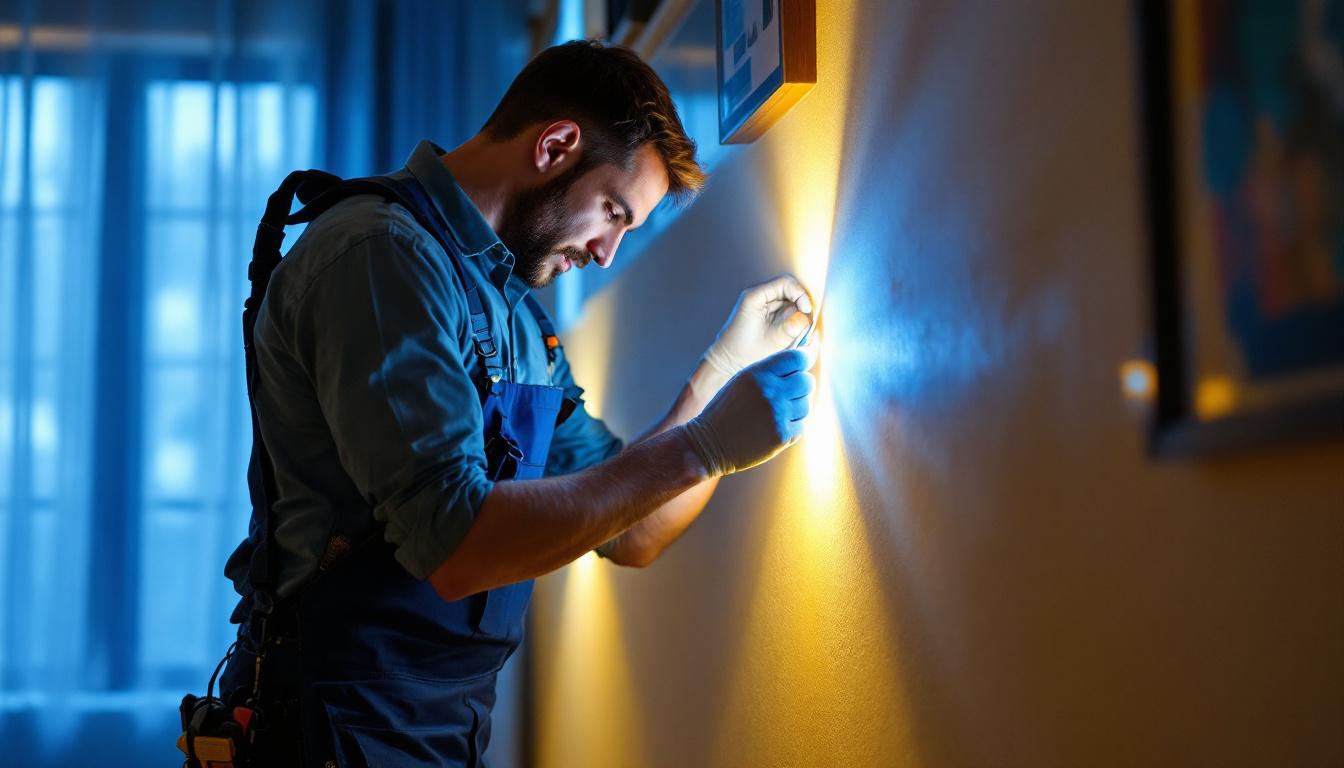
Hardwiring LED strip lights involves connecting them directly to the power supply. This process requires careful attention to detail to ensure safety and functionality. Start by turning off the power to the circuit you will be working on. This step is crucial to prevent electrical shocks.
Using the appropriate gauge wire is essential for maintaining safety and performance. Thicker wires can handle more current and reduce the risk of overheating. Always refer to the specifications of the LED strips and power supply to determine the correct wire gauge.
Testing and Troubleshooting
After installation, testing the system is a critical step that should never be overlooked. This phase ensures that everything is functioning correctly and that there are no issues that could lead to future problems.
Conducting Initial Tests
Once the LED strips are connected, turn on the power supply and check for proper operation. Look for any flickering, dimming, or color inconsistencies, especially in RGB or RGBW setups. If issues arise, it may be necessary to check connections and ensure that all components are functioning properly.
Additionally, testing should include verifying that the strips are securely mounted and that there are no exposed wires that could pose safety hazards.
Troubleshooting Common Issues
Even with careful planning and installation, issues may still occur. Some common problems include:
- Flickering Lights: This can be caused by poor connections or an inadequate power supply. Check all connections and ensure the power supply is sufficient for the load.
- Uneven Brightness: This issue may arise from voltage drops over long runs. In such cases, consider using thicker wires or shorter runs of LED strips.
- Color Inconsistencies: For RGB installations, ensure that the controller is functioning correctly and that all connections are secure.
Maintenance and Client Education
Once the installation is complete, educating clients about the maintenance of their new LED strip lights can enhance their experience and satisfaction. Proper care can prolong the life of the installation and maintain optimal performance.
Routine Maintenance Tips
Encourage clients to regularly check the LED strips for dust or debris that may accumulate over time. A simple wipe with a soft cloth can help maintain brightness and appearance. Additionally, remind them to avoid using harsh chemicals that could damage the strips.
For installations in high-traffic areas, such as hallways or kitchens, recommend periodic inspections to ensure that the mounting remains secure and that there are no visible signs of wear or damage.
Providing Client Education
Take the time to explain the features and benefits of the installed LED strip lights to clients. Discuss the energy efficiency, longevity, and versatility of LED lighting, helping them understand the value of their investment. Providing a user manual or a quick reference guide can also be beneficial.
Consider offering a brief tutorial on how to operate any controllers or dimmers associated with the installation, ensuring clients feel confident in using their new lighting system.
Conclusion
Hardwiring LED strip lights presents an exciting opportunity for lighting contractors to deliver innovative and efficient lighting solutions. By understanding the fundamentals of LED technology, planning meticulously, employing effective installation techniques, and educating clients, contractors can ensure successful projects that meet and exceed client expectations.
As the demand for energy-efficient and aesthetically pleasing lighting continues to grow, mastering the art of hardwiring LED strip lights will undoubtedly set contractors apart in a competitive industry. With the right approach, the possibilities are endless, and the results can be truly transformative.
Get Your Premium LED Strip Lights at LumenWholesale
Ready to elevate your lighting projects with the highest quality LED strip lights? Look no further than LumenWholesale. Our spec-grade lighting products are designed to meet the rigorous demands of contractors like you, offering unparalleled performance without the premium price tag. Say goodbye to local distributor markups and hello to our extensive selection, backed by the convenience of free shipping on bulk orders. Don’t compromise on quality or value—choose LumenWholesale for your lighting needs and make your next project shine. Visit us now at Wholesale Lighting at the Best Value and experience the difference that true wholesale pricing and quality can make.