Lighting contractors play a vital role in enhancing the aesthetics and functionality of residential and commercial spaces. Among the various lighting fixtures available, hanging entry lights stand out for their ability to create a welcoming atmosphere while providing necessary illumination. This article delves into essential insights about hanging entry lights that every lighting contractor should consider to ensure successful installations and satisfied clients.
Understanding the Importance of Entry Lighting
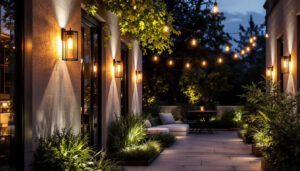
Entry lighting serves more than just a decorative purpose; it plays a critical role in safety, security, and first impressions. A well-lit entryway can significantly enhance the curb appeal of a property, making it more inviting for guests and potential buyers. The right lighting can also highlight architectural features and landscaping, drawing attention to the unique aspects of the property that might otherwise go unnoticed in the shadows.
Safety and Security
One of the primary functions of entry lighting is to ensure safety. A well-lit entryway reduces the risk of accidents, such as trips and falls, especially during nighttime. Moreover, adequate lighting can deter potential intruders, as dark areas often attract unwanted attention. Lighting contractors must emphasize the importance of strategic placement and the use of sufficient lumens to create a safe environment. Additionally, incorporating motion sensor lights can enhance security further by illuminating the area when movement is detected, providing both safety and peace of mind for homeowners.
Creating an Inviting Atmosphere
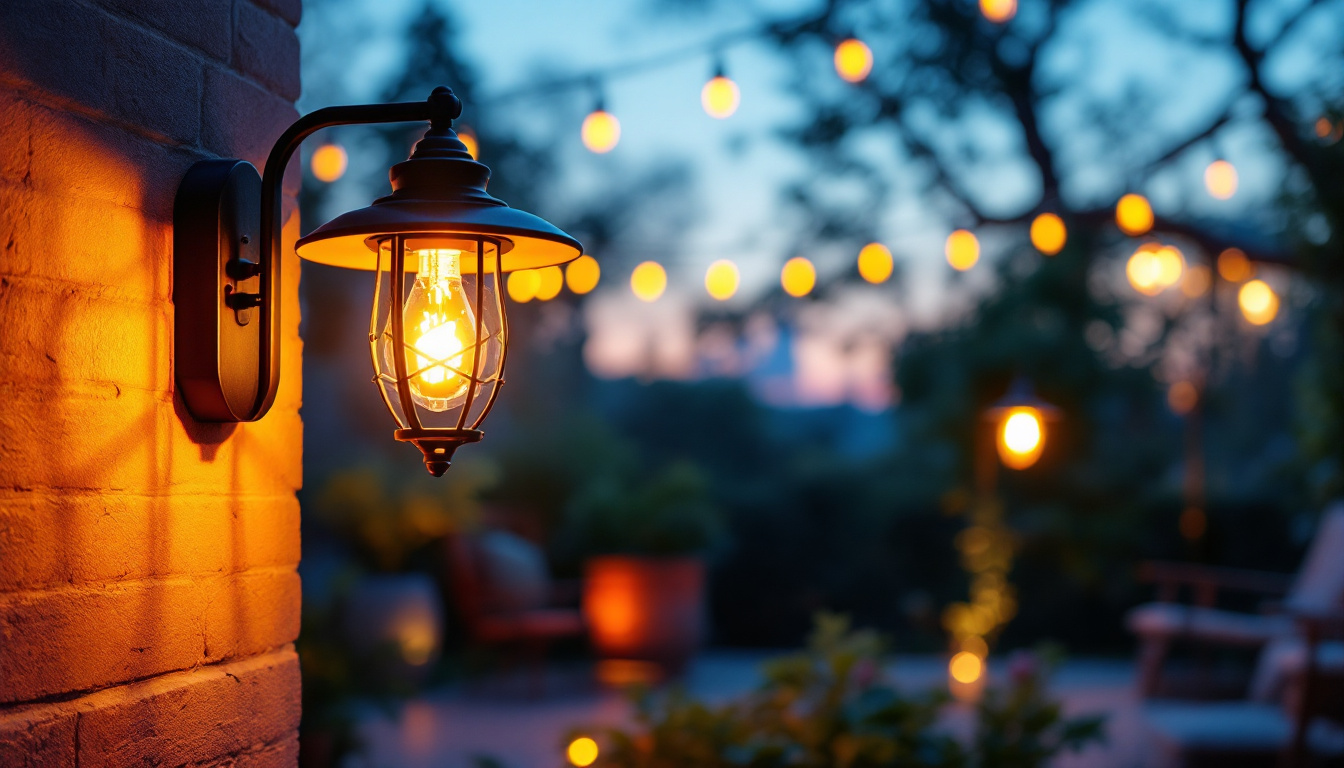
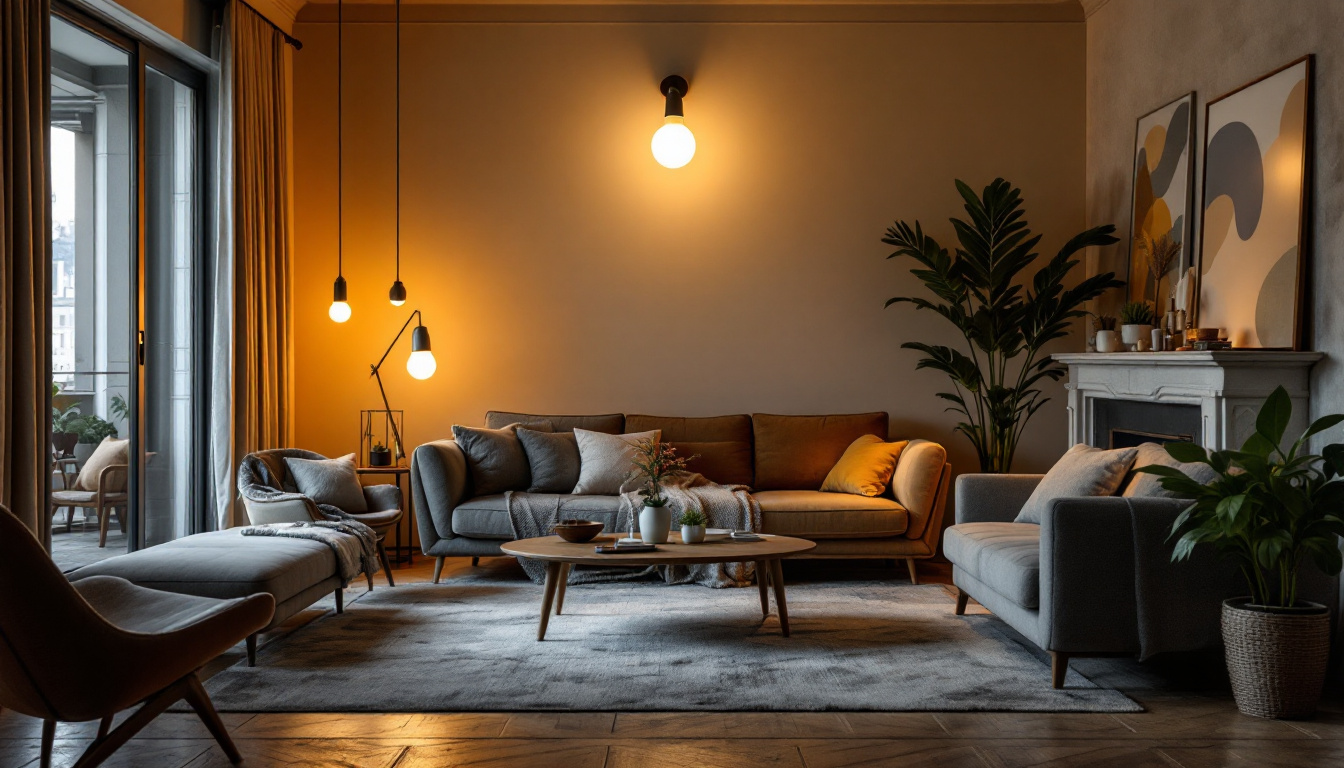
Beyond safety, entry lighting contributes to the overall ambiance of a home or building. A warm, inviting glow can set the tone for the entire property. When selecting hanging entry lights, consider the style and color temperature of the bulbs. Warm white light (around 2700K) tends to create a cozy atmosphere, while cooler tones can lend a more modern feel. Furthermore, layering different types of lighting, such as wall sconces, pendant lights, and even decorative lanterns, can add depth and interest to the entryway. This layered approach not only enhances the aesthetic appeal but also allows for flexibility in lighting intensity, catering to various occasions and moods.
Choosing the Right Style of Hanging Entry Lights
The style of hanging entry lights can vary significantly, and choosing the right one is crucial for complementing the architecture of the space. Lighting contractors should be familiar with various styles to provide clients with tailored recommendations.
Traditional vs. Modern Designs
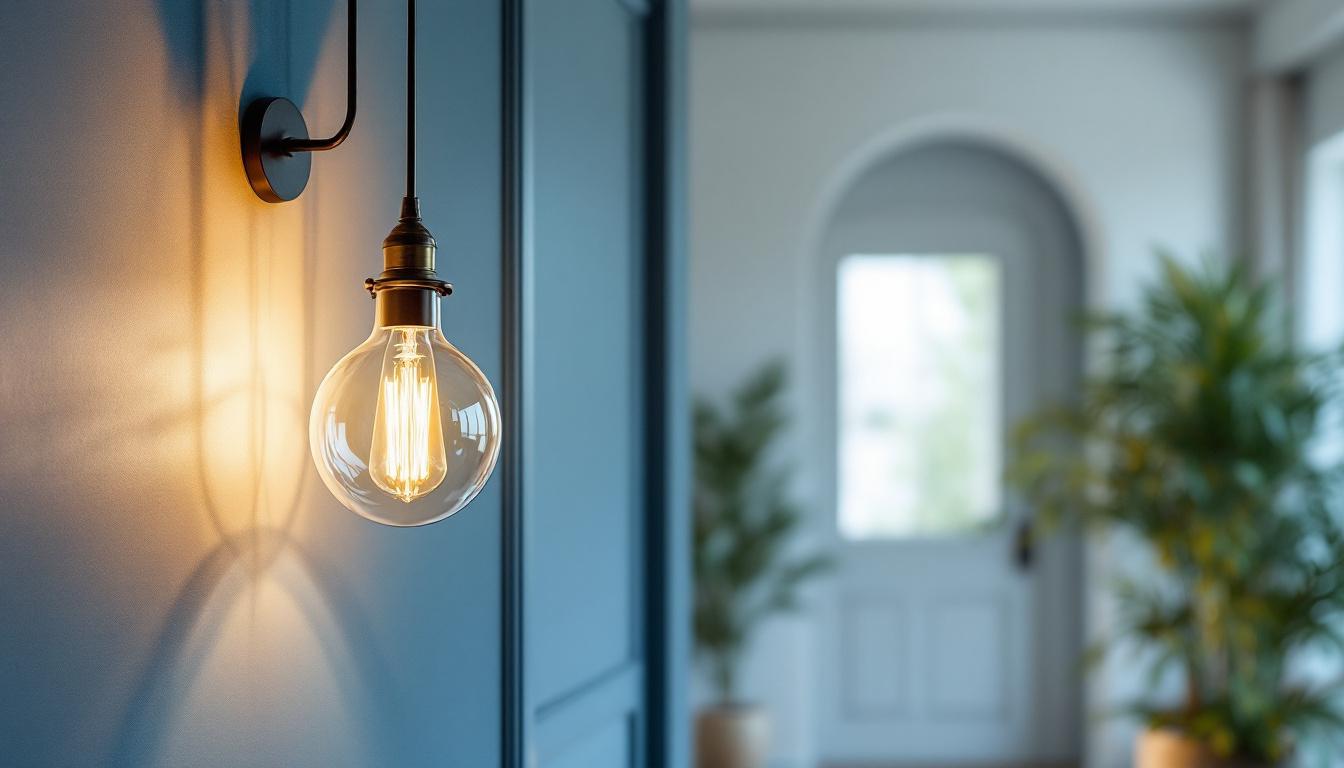
Traditional hanging lights often feature ornate designs, intricate details, and materials such as wrought iron or brass. These fixtures can enhance classic architectural styles, making them ideal for historic homes or traditional neighborhoods. On the other hand, modern designs tend to focus on minimalism, clean lines, and innovative materials like glass and metal. Understanding the client’s preferences and the property’s architectural style will guide the selection process. Additionally, the choice between traditional and modern can also reflect the personality of the homeowner; for instance, a love for vintage aesthetics may lead to selecting a classic lantern-style fixture, while a preference for contemporary art could steer one towards a sleek, geometric pendant light.
Size and Scale Considerations
Another critical factor is the size and scale of the hanging entry light. A fixture that is too small may get lost in a grand entryway, while one that is excessively large can overwhelm the space. Lighting contractors should consider the height of the ceiling, the width of the entry, and the overall proportions of the surrounding elements. As a general guideline, the bottom of the hanging light should be positioned 7 to 8 feet above the ground to ensure adequate clearance for guests. Furthermore, the scale of the light should harmonize with other design elements, such as furniture and decor, to create a cohesive look. For example, in a spacious foyer with high ceilings, a large chandelier can serve as a stunning focal point, while in a more intimate setting, a cluster of smaller pendant lights might create a warm and inviting atmosphere.
Material and Finish Choices
The choice of materials and finishes for hanging entry lights also plays a significant role in the overall aesthetic. Fixtures made from natural materials like wood or rattan can add warmth and texture, making them suitable for rustic or farmhouse-style homes. In contrast, polished metals or sleek glass can provide a sophisticated touch, aligning well with urban or industrial designs. Lighting contractors should also consider the durability of materials, especially for entryways that may be exposed to the elements. For instance, outdoor-rated fixtures with weather-resistant finishes are essential for exterior entries, ensuring longevity and maintaining appearance over time.
Technical Specifications to Consider
Beyond aesthetics, several technical specifications must be taken into account when selecting and installing hanging entry lights. These details can significantly impact the functionality and efficiency of the lighting solution.
Wattage and Lumens
Understanding wattage and lumens is essential for lighting contractors. Wattage indicates the energy consumption of the light fixture, while lumens measure the amount of light produced. For entryways, a brightness level of 100 to 300 lumens is typically recommended, depending on the size of the space and the desired ambiance. Contractors should educate clients about energy-efficient options, such as LED bulbs, which provide high lumens with lower wattage.
Color Rendering Index (CRI)
The Color Rendering Index (CRI) is another important specification to consider. It measures a light source’s ability to accurately render colors compared to natural light. A CRI of 80 or above is generally recommended for residential spaces to ensure that colors appear vibrant and true. This is particularly important in entryways, where first impressions are made.
Installation Best Practices
Proper installation is crucial for the performance and longevity of hanging entry lights. Lighting contractors must adhere to best practices to ensure that fixtures are safely and effectively installed.
Electrical Considerations
Before installation, contractors should assess the existing electrical system to ensure it can support the new lighting fixture. This includes checking for adequate wiring, circuit capacity, and compatibility with the chosen light source. It may also be necessary to install a dimmer switch to allow clients to adjust the brightness according to their preferences.
Height and Placement
As mentioned earlier, the height and placement of hanging entry lights are critical for both aesthetics and functionality. In addition to the general guideline of 7 to 8 feet above the ground, contractors should consider the layout of the entryway. For example, if there are stairs, the light should be positioned to illuminate the steps effectively. Furthermore, the fixture should be centered over the entryway for a balanced look.
Maintenance and Upkeep
Regular maintenance is essential to keep hanging entry lights looking their best and functioning efficiently. Lighting contractors should provide clients with guidance on proper care and maintenance practices.
Cleaning and Dusting
Over time, dust and grime can accumulate on light fixtures, diminishing their brightness and overall appearance. Contractors should recommend that clients clean their hanging entry lights regularly, using a soft cloth and mild cleaning solution. For fixtures with intricate designs, a soft brush may be necessary to reach crevices.
Bulb Replacement
Educating clients about bulb replacement is also vital. Depending on the type of bulbs used, the lifespan can vary significantly. LED bulbs, for instance, can last for years, while incandescent bulbs may need to be replaced more frequently. Contractors should advise clients to keep spare bulbs on hand to ensure that the entryway remains well-lit at all times.
Enhancing Functionality with Smart Technology
As technology advances, integrating smart features into lighting solutions has become increasingly popular. Lighting contractors should stay informed about smart technology options that can enhance the functionality of hanging entry lights.
Smart Bulbs and Controls
Smart bulbs allow users to control their lighting remotely via smartphones or voice-activated devices. This feature can be particularly beneficial for entryways, as it enables homeowners to adjust lighting levels or turn lights on and off from anywhere. Additionally, smart controls can be programmed to create schedules, ensuring that the entryway is always well-lit when needed.
Motion Sensors and Timers
Incorporating motion sensors or timers can further enhance the functionality of hanging entry lights. Motion sensors automatically turn on the lights when someone approaches, providing convenience and security. Timers can be set to ensure lights are on at specific times, adding an extra layer of safety and energy efficiency.
Common Challenges and Solutions
Lighting contractors may encounter various challenges when working with hanging entry lights. Understanding these potential issues and having solutions ready can lead to smoother installations and happier clients.
Dealing with Low Ceilings
Low ceilings can pose a challenge when installing hanging entry lights, as traditional fixtures may not fit well. In such cases, contractors should consider flush-mount or semi-flush mount fixtures that provide adequate lighting without hanging too low. Additionally, using wall sconces can be an effective alternative to provide illumination without compromising headroom.
Electrical Issues
Electrical issues can arise during installation, such as outdated wiring or insufficient power supply. Contractors should conduct thorough inspections before installation to identify and address these issues. In some cases, it may be necessary to upgrade the electrical system to accommodate new fixtures. Providing clients with clear explanations about any required upgrades can help manage expectations and ensure a smooth installation process.
Final Thoughts
Hanging entry lights are a crucial element in creating welcoming and functional entryways. By understanding the importance of entry lighting, choosing the right styles, considering technical specifications, and adhering to best installation practices, lighting contractors can ensure successful projects that meet client needs.
As technology continues to evolve, staying informed about smart lighting solutions and addressing common challenges will further enhance the contractor’s expertise. By providing clients with valuable insights and recommendations, lighting contractors can elevate their services and contribute to the overall satisfaction of their clients.
In conclusion, the world of hanging entry lights is rich with opportunities for lighting contractors. By embracing these insights and continually expanding their knowledge, contractors can not only improve their craft but also create lasting relationships with their clients, ensuring that every entryway shines brightly.
Illuminate Your Projects with LumenWholesale
Ready to elevate your lighting projects with the finest hanging entry lights? Look no further than LumenWholesale, where we provide lighting contractors with the highest quality, spec-grade lighting products at unparalleled wholesale prices. Our commitment to cutting out the middleman means you enjoy superior products without the premium markups. With our vast selection that meets rigorous industry standards, you can trust that your installations will shine with reliability and performance. Plus, with free shipping on bulk orders, you can stock up on premium lighting at the best value — all without hidden fees or compromises. Don’t miss out on the perfect combination of quality, affordability, and convenience. Visit LumenWholesale today and make your next project a beacon of excellence.