As the world of lighting technology evolves, contractors face the challenge of ensuring that their projects remain relevant and efficient for years to come. Timed lighting solutions offer a compelling approach to future-proofing lighting installations. This article explores the benefits of timed lighting, the technologies available, and best practices for integrating them into projects.
The Importance of Future-Proofing in Lighting Projects
Future-proofing lighting projects is essential for several reasons. With rapid advancements in technology and growing concerns about energy efficiency, lighting contractors must consider how their designs will hold up over time.
By investing in adaptable and scalable solutions now, contractors can save clients from costly retrofits and upgrades in the future. This proactive approach not only enhances client satisfaction but also positions contractors as forward-thinking professionals in a competitive market. Furthermore, as sustainability becomes a priority in building design, future-proofing can also contribute to a project’s overall environmental impact, aligning with global efforts to reduce carbon footprints.
Understanding Client Needs
One of the first steps in future-proofing lighting projects is understanding the specific needs of clients. Each project is unique, and clients may have different priorities, such as energy savings, aesthetics, or smart technology integration.
Engaging in thorough discussions with clients can provide valuable insights into their long-term goals. For instance, a client may express interest in a lighting system that can adapt to different uses over time, such as transitioning from residential use to commercial space. Additionally, understanding the lifestyle and operational patterns of the client can lead to more tailored solutions. For example, a family with young children may prioritize safety features, while a business may focus on creating an inviting atmosphere that enhances productivity. By taking the time to grasp these nuances, contractors can deliver solutions that truly resonate with their clients’ visions.
Adapting to Technological Advances
The rapid pace of technological advancements in the lighting industry means that what is cutting-edge today may become obsolete tomorrow. Future-proofing involves selecting components and systems that can accommodate new technologies without requiring a complete overhaul.
For example, lighting fixtures that support LED technology are a wise choice, as they are not only energy-efficient but also compatible with various control systems. This adaptability allows for seamless upgrades as new technologies emerge. Moreover, integrating smart lighting solutions that can be controlled remotely or programmed for specific scenarios can significantly enhance user experience. As the Internet of Things (IoT) continues to evolve, lighting systems that can communicate with other smart devices in a home or office will become increasingly valuable. By anticipating these trends, contractors can ensure that their designs remain relevant and functional for years to come, ultimately benefiting both their clients and their own reputations in the industry.
Timed Lighting Solutions: An Overview
Timed lighting solutions are designed to optimize energy usage and enhance user experience. By automating lighting schedules, these systems can significantly reduce energy consumption while providing convenience and flexibility.
These solutions can be particularly beneficial in commercial settings, where lighting needs may vary throughout the day. Timed lighting can help ensure that spaces are well-lit during operational hours while minimizing energy use during off-peak times. Moreover, the implementation of timed lighting can foster a more productive work environment, as employees are less likely to experience eye strain or fatigue when lighting is appropriately adjusted to suit the time of day.
Types of Timed Lighting Systems
There are several types of timed lighting systems available, each with its own set of features and benefits. Understanding these options can help contractors choose the right solution for their projects.
- Programmable Timers: These devices allow users to set specific on/off schedules for lighting fixtures. They are simple to install and can be a cost-effective solution for residential and small commercial projects. Additionally, many programmable timers now come with features that allow users to override settings easily, making them versatile for unexpected changes in schedule.
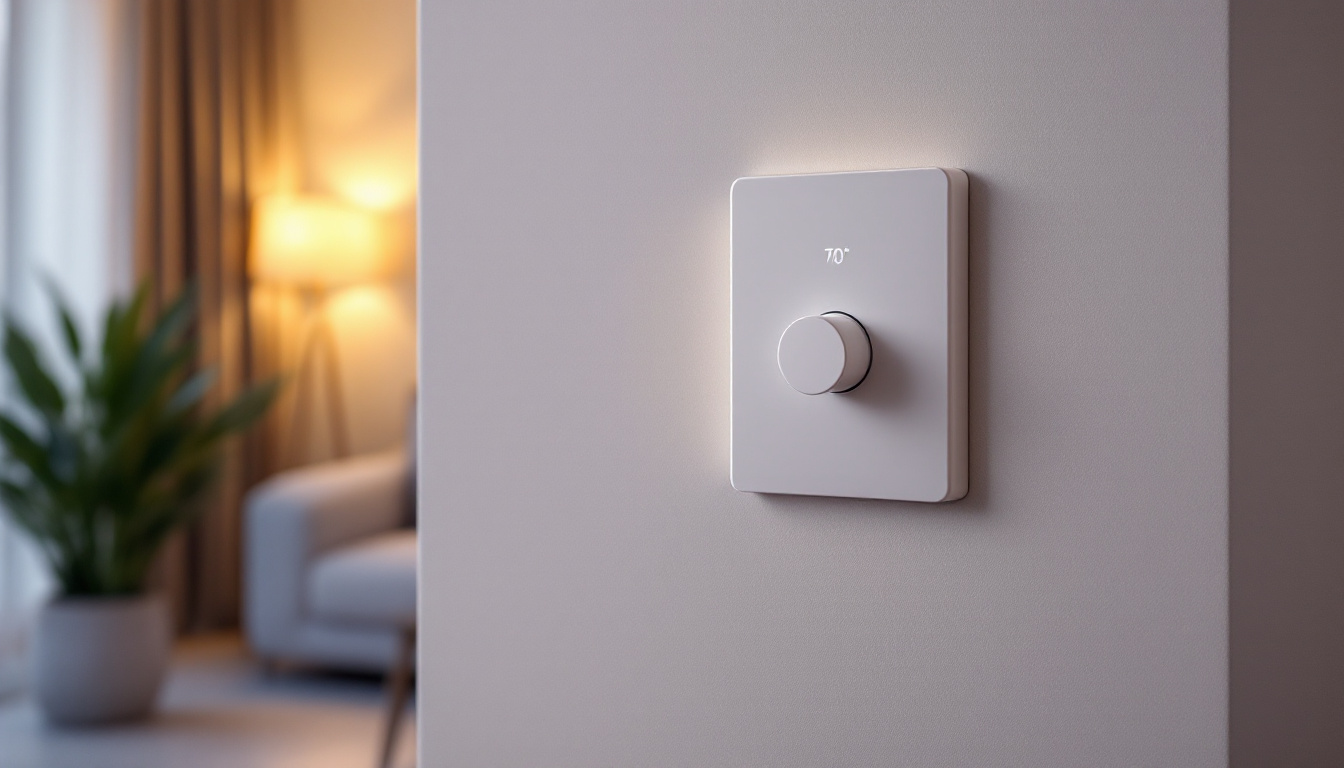
- Smart Lighting Controls: Smart systems offer advanced features such as remote access, integration with mobile devices, and compatibility with voice assistants. These systems can be programmed to adjust lighting based on occupancy, time of day, or even ambient light levels. This adaptability not only enhances user comfort but also contributes to energy savings by ensuring lights are only on when needed.
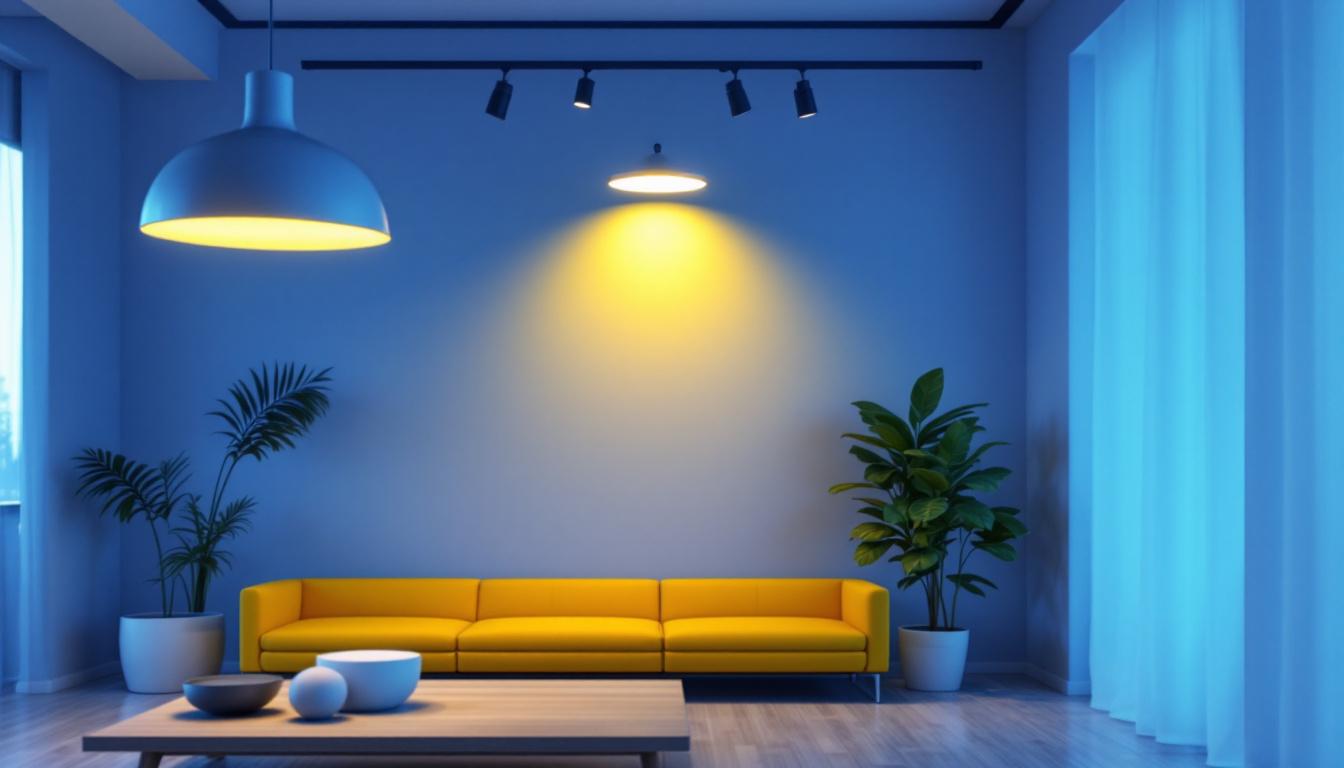
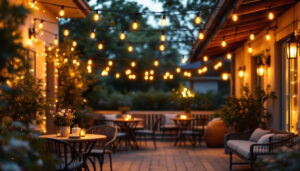
- Scene Control Systems: These systems enable users to create specific lighting scenes for various activities. For example, a dining area may have a dimmed, warm light setting for dinner and a bright, cool setting for reading. Timers can be integrated to automatically switch between these scenes at designated times. This feature is particularly useful in multi-purpose spaces, allowing for seamless transitions between different functions throughout the day.
Energy Efficiency and Sustainability
Energy efficiency is a critical consideration for modern lighting projects. Timed lighting solutions can contribute significantly to sustainability goals by reducing energy consumption during non-peak hours.
For instance, in commercial settings, lights can be programmed to turn off automatically after business hours or dim during periods of inactivity. This not only lowers energy bills but also aligns with growing environmental regulations and standards. Furthermore, the integration of LED technology with timed lighting systems enhances these benefits, as LEDs consume significantly less energy than traditional lighting sources and have a longer lifespan, reducing waste and the need for frequent replacements.
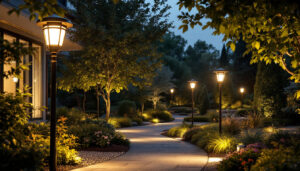
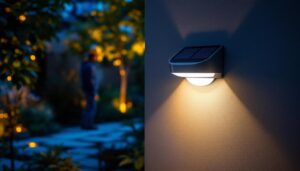
In addition to energy savings, timed lighting solutions can also play a role in improving safety and security. By programming outdoor lights to turn on at dusk and off at dawn, businesses can deter potential intruders and ensure that pathways are well-lit for employees arriving or leaving after dark. This proactive approach to lighting not only enhances the safety of the premises but also contributes to a sense of well-being among staff and visitors alike.
Integrating Timed Lighting into Projects
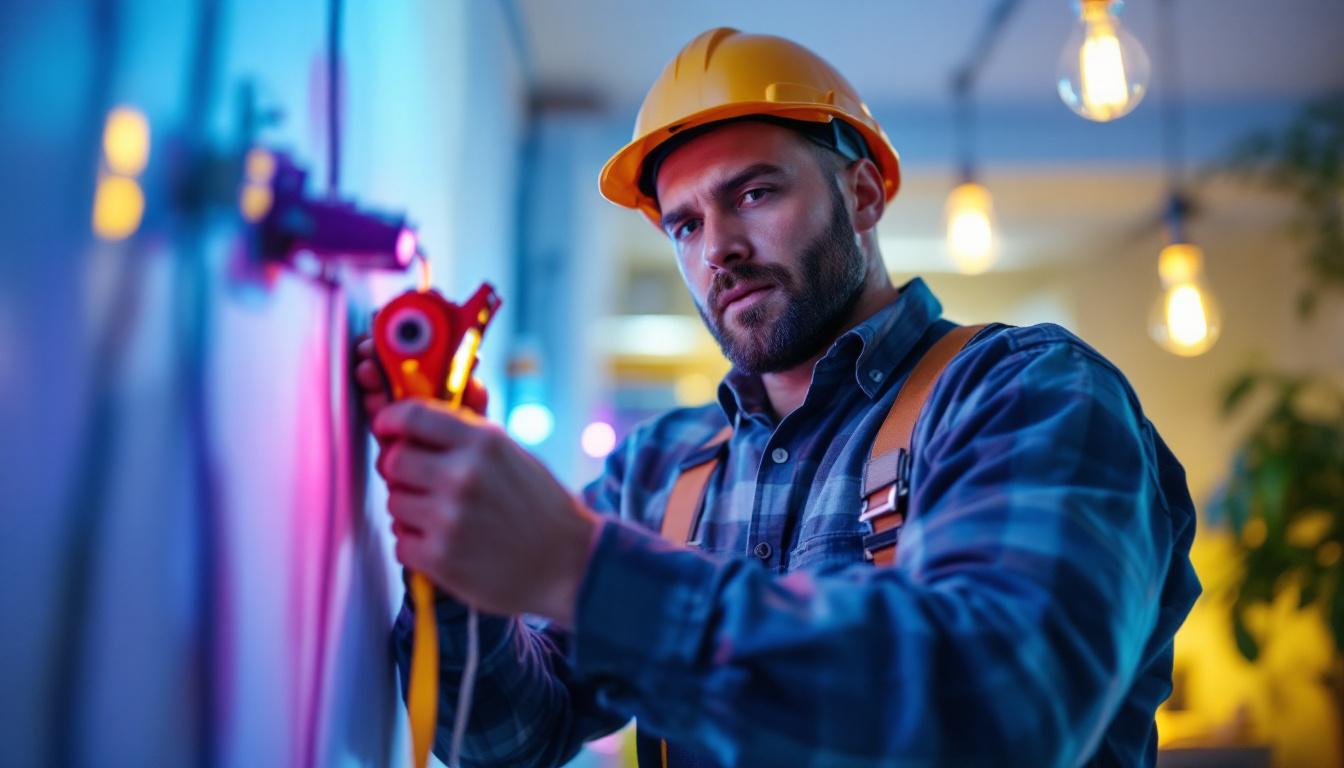
Successfully integrating timed lighting solutions into projects requires careful planning and execution. Contractors must consider various factors, including design, installation, and ongoing maintenance.
Collaboration with clients, architects, and electrical engineers is essential to ensure that the lighting design aligns with the overall vision of the space. This collaborative approach can help identify potential challenges early on and streamline the installation process.
Design Considerations
When designing a lighting system, it’s crucial to consider the specific needs of the space. Factors such as room size, purpose, and natural light availability will influence the type and placement of fixtures.
Incorporating timed lighting solutions into the design phase allows for a more cohesive approach. For example, placing sensors in strategic locations can enhance the effectiveness of automated lighting controls, ensuring that lights are only activated when needed.
Installation Best Practices
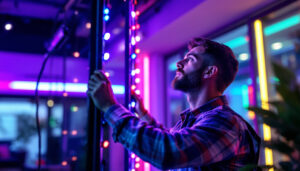
Proper installation is vital for the success of timed lighting systems. Contractors should ensure that all components are compatible and that the system is configured correctly for optimal performance.
Testing the system before finalizing the installation is also essential. This step allows contractors to identify any issues and make necessary adjustments, ensuring that the lighting operates as intended.
Challenges and Solutions in Timed Lighting Implementation
While the benefits of timed lighting solutions are clear, contractors may encounter challenges during implementation. Understanding these potential hurdles and their solutions can lead to smoother project execution.
Technical Limitations
One common challenge is the technical limitations of existing infrastructure. Older buildings may not be equipped to support advanced lighting control systems, necessitating upgrades or modifications.
In such cases, contractors can explore hybrid solutions that combine traditional lighting with modern controls. This approach allows for gradual upgrades without overwhelming the existing electrical system.
User Acceptance and Training
Another challenge is ensuring that end-users are comfortable with the new technology. Some clients may be hesitant to adopt automated systems due to a lack of familiarity.
Providing comprehensive training and support can help alleviate these concerns. Demonstrating how to use the system effectively and highlighting its benefits can encourage clients to embrace the technology fully.
Case Studies: Successful Timed Lighting Projects
Examining successful case studies can provide valuable insights into the effective implementation of timed lighting solutions. These examples showcase how contractors have navigated challenges and delivered exceptional results.
Commercial Office Space
In a recent project for a commercial office space, a contractor was tasked with upgrading the lighting system to improve energy efficiency. By integrating smart lighting controls with timed scheduling, the office was able to reduce energy consumption by 30%.
The system was programmed to adjust lighting based on occupancy and time of day, ensuring that lights were only on when needed. Employee satisfaction also improved, as the lighting adapted to their preferences throughout the day.
Residential Renovation
In a residential renovation project, a contractor implemented a timed lighting solution that allowed the homeowners to create customized lighting scenes for various activities. The system included programmable timers and smart controls, enabling the family to adjust the ambiance with ease.
This flexibility not only enhanced the functionality of the space but also showcased the potential of modern lighting technology, making the home more appealing to future buyers.
The Future of Timed Lighting
As technology continues to advance, the future of timed lighting looks promising. Innovations such as artificial intelligence and machine learning are set to revolutionize how lighting systems operate.
These technologies can analyze usage patterns and adjust lighting settings automatically, creating an even more efficient and user-friendly experience. Contractors who stay informed about these trends will be better equipped to offer cutting-edge solutions to their clients.
Embracing Change
For contractors, embracing change is essential for success in a rapidly evolving industry. By staying updated on the latest technologies and trends, contractors can position themselves as leaders in the field.
Attending industry conferences, participating in training programs, and engaging with professional networks can provide valuable insights and foster innovation. This commitment to continuous learning will ultimately benefit both contractors and their clients.
Conclusion
Future-proofing lighting projects through timed solutions is not just a trend; it is a necessity in today’s fast-paced world. By understanding client needs, integrating advanced technologies, and following best practices, contractors can create lighting systems that are efficient, adaptable, and sustainable.
As the industry continues to evolve, those who embrace timed lighting solutions will not only enhance their project outcomes but also ensure long-term satisfaction for their clients. The future of lighting is bright, and contractors have the opportunity to lead the way.
Illuminate Your Projects with LumenWholesale
Ready to elevate your lighting projects with the efficiency and adaptability of timed lighting solutions? Look no further than LumenWholesale, where we provide contractors with the highest quality, spec-grade lighting products at unbeatable wholesale prices. Say goodbye to inflated markups and hello to a vast selection of industry-standard lighting that ensures your projects shine. With the added convenience of free shipping on bulk orders, you can secure premium lighting at the best value — all without hidden fees or compromises. Don’t miss out on the perfect blend of quality, affordability, and convenience. Explore our collection now and take the first step towards future-proofing your lighting projects.