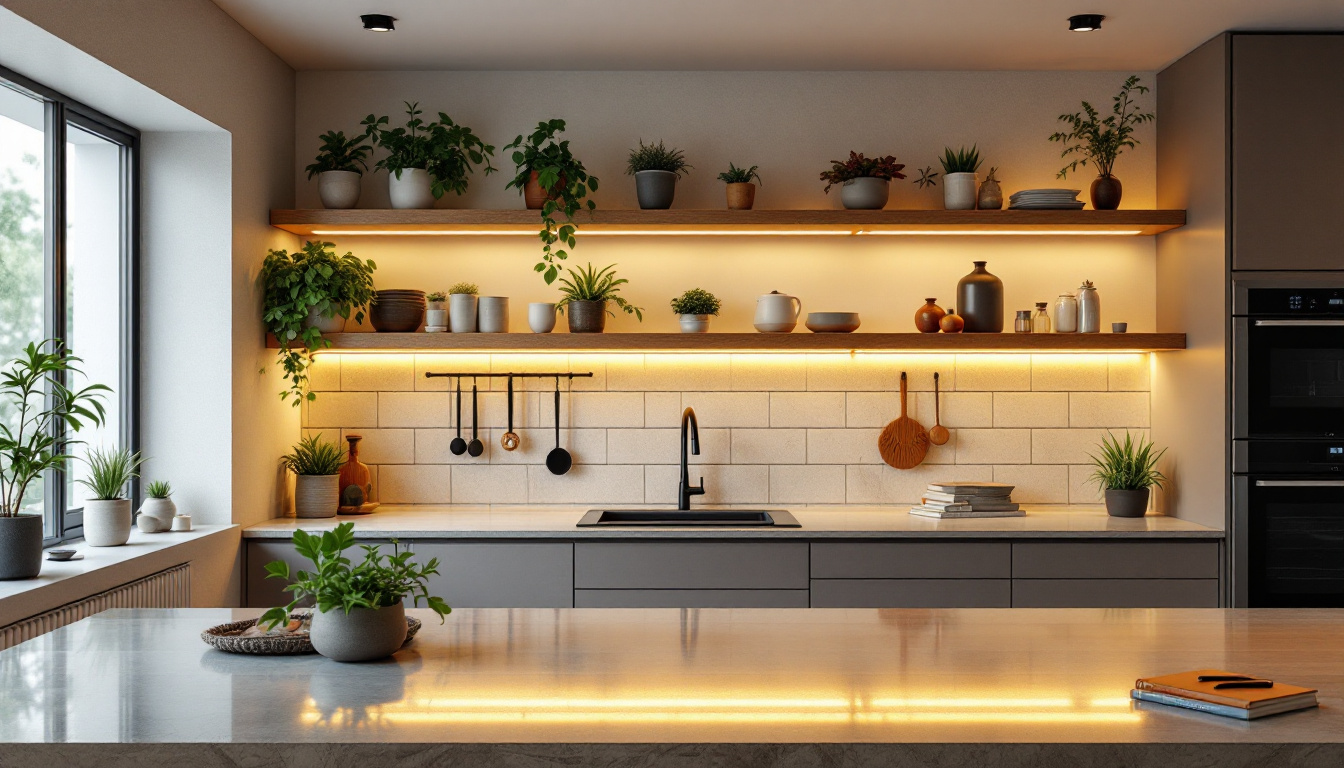
Understanding Fluorescent Light T12 Fixtures
Fluorescent lighting has long been a staple in commercial and industrial environments due to its efficiency and cost-effectiveness. Among the various types of fluorescent tubes, the T12 fixture stands out historically as one of the most common. The “T” in T12 refers to the tubular shape of the bulb, and the number “12” indicates the diameter of the tube in eighths of an inch—making T12 bulbs 1.5 inches in diameter.
Despite being widely used for decades, T12 fixtures are gradually being phased out in favor of more energy-efficient alternatives. However, understanding their design, operation, and energy profile remains crucial for lighting contractors tasked with upgrading or maintaining existing systems. The transition away from T12 fixtures is not just about energy savings; it also reflects a broader trend towards sustainability and reducing the environmental impact of lighting solutions.
Design and Operation Basics
T12 fluorescent tubes operate by passing an electric current through mercury vapor, which produces ultraviolet light. This UV light then excites the phosphor coating inside the tube, emitting visible light. The size and ballast type of T12 fixtures influence their performance and energy consumption.
Traditional T12 fixtures typically use magnetic ballasts, which are less efficient and can cause flickering or humming. Modern replacements often involve electronic ballasts designed to improve efficiency and light quality. These electronic ballasts not only reduce energy consumption but also enhance the lifespan of the bulbs, providing a more stable light output and minimizing maintenance costs over time.
Moreover, the color temperature of T12 bulbs can vary, impacting the ambiance of a space. Common options range from warm white to cool white, allowing users to select the appropriate lighting for their specific needs. For instance, warm white is often preferred in retail settings to create an inviting atmosphere, while cooler temperatures are favored in workspaces to enhance focus and productivity. As businesses evaluate their lighting needs, understanding these nuances can lead to better choices that align with both functional requirements and aesthetic preferences.
Energy Efficiency Challenges with T12 Fixtures
While T12 fixtures were once considered energy-efficient compared to incandescent bulbs, they now lag behind newer lighting technologies. The energy consumption of T12 fixtures is generally higher, and their light output per watt is lower than that of T8 or LED alternatives. As energy costs continue to rise, the inefficiency of T12 fixtures becomes increasingly apparent, prompting many businesses and homeowners to seek out more sustainable lighting options.
Energy Consumption and Operating Costs
One of the primary concerns with T12 fixtures is their relatively high wattage. A standard 4-foot T12 tube consumes approximately 40 watts, whereas a comparable T8 tube uses about 32 watts, and LED tubes can use even less. Over time, this difference translates to substantial energy savings when upgrading to more efficient fixtures. For instance, in a commercial setting where lights are on for extended hours, the cumulative savings from switching to T8 or LED can reach thousands of dollars annually, making the initial investment in new fixtures worthwhile.
Additionally, magnetic ballasts used in many T12 fixtures contribute to energy loss. These ballasts can consume an extra 10-15% of the fixture’s rated wattage, further increasing operating costs. Electronic ballasts, which are compatible with T8 and some retrofit LED tubes, significantly reduce this energy loss. Furthermore, electronic ballasts can enhance the performance of the lighting system by providing better control over light output and reducing flicker, which is often a complaint with older T12 setups.
Lifespan and Maintenance Considerations
T12 bulbs typically have a shorter lifespan compared to T8 and LED alternatives. Frequent replacements not only increase maintenance costs but also cause operational disruptions, especially in commercial settings. Lighting contractors should factor in these costs when advising clients on fixture upgrades. The average lifespan of a T12 bulb is around 18,000 hours, while T8 bulbs can last up to 30,000 hours, and LED options can exceed 50,000 hours. This longevity not only reduces the frequency of replacements but also minimizes the labor costs associated with maintenance.
Moreover, T12 fixtures often require more frequent ballast replacements due to the wear and inefficiency of magnetic ballasts. This maintenance factor adds to the total cost of ownership and underscores the benefits of transitioning to modern lighting solutions. In addition to the financial implications, the environmental impact of disposing of spent T12 bulbs and ballasts should not be overlooked. Many T12 fixtures contain hazardous materials, such as mercury, which necessitates careful disposal procedures. By switching to T8 or LED options, businesses can not only improve their bottom line but also contribute to a more sustainable future by reducing waste and energy consumption.
Regulatory and Market Trends Impacting T12 Fixtures
Government regulations and market trends have increasingly favored energy-efficient lighting, impacting the availability and use of T12 fixtures.
Regulatory Phase-Outs and Standards
Many regions have implemented regulations that limit or phase out the manufacture and sale of T12 fluorescent tubes and magnetic ballasts. These measures aim to reduce energy consumption and environmental impact. Lighting contractors must stay informed about local regulations to ensure compliance and to guide clients effectively.
For example, minimum efficacy standards set by energy authorities often exclude T12 technology, encouraging the adoption of T8 and LED lighting. This shift not only promotes energy savings but also aligns with sustainability goals embraced by many organizations. Additionally, some regions have introduced incentive programs that provide financial support for businesses transitioning to more efficient lighting solutions, further accelerating the decline of T12 fixtures in favor of modern alternatives.
Market Availability and Retrofit Solutions
As T12 fixtures become less common, the market has responded with retrofit kits and replacement tubes that allow existing fixtures to be upgraded without complete replacement. Electronic ballast retrofit kits and LED tube replacements compatible with T12 fixtures offer practical pathways to improve energy efficiency while minimizing upfront costs.
Lighting contractors should evaluate these retrofit options carefully, considering factors such as compatibility, light quality, and long-term savings to recommend the best solutions for their clients. Furthermore, the growing trend towards smart lighting solutions presents an exciting opportunity for contractors to integrate advanced technologies into retrofitted systems. Smart controls can enhance energy management by allowing users to adjust lighting levels based on occupancy or natural light availability, ultimately leading to even greater energy savings and improved user experience.
Best Practices for Lighting Contractors Working with T12 Fixtures
For contractors, understanding how to manage T12 fixtures in the context of energy efficiency is essential. Whether maintaining existing installations or planning upgrades, several best practices can optimize outcomes.
Assessing Existing Installations
Begin with a thorough audit of the current lighting system. Identify the number of T12 fixtures, their operating hours, and the condition of ballasts and tubes. This data helps estimate energy consumption and potential savings from upgrades.
Consider the lighting needs of the space, including brightness, color temperature, and control options. This assessment ensures that any retrofit or replacement meets both efficiency and functional requirements.
Choosing Upgrade Paths
When upgrading T12 fixtures, contractors have several options:
- Retrofit with T8 Tubes and Electronic Ballasts: This option improves efficiency and light quality while reusing existing fixtures.
- LED Tube Retrofits: LED tubes compatible with T12 fixtures offer significant energy savings and longer lifespans, though compatibility and ballast bypass requirements must be considered.
- Complete Fixture Replacement: Installing new LED fixtures designed for energy efficiency and modern controls can offer the best performance and future-proofing.
Each option involves trade-offs between upfront costs, energy savings, and maintenance requirements. Contractors should tailor recommendations to client budgets and goals.
Implementing Controls and Optimization
Incorporating lighting controls such as occupancy sensors, daylight harvesting, and dimming can further enhance the efficiency of T12 fixture upgrades. These controls reduce energy waste by adjusting lighting based on actual usage and ambient light levels.
Lighting contractors should integrate control strategies into upgrade designs to maximize energy savings and improve user comfort.
The Future of Lighting: Moving Beyond T12 Fixtures
While T12 fixtures have played a significant role in lighting history, the future clearly favors more efficient and sustainable technologies. The transition away from T12 is driven by economic, regulatory, and environmental factors.
LED Technology as the New Standard
LED lighting offers superior energy efficiency, longer lifespans, and improved light quality compared to fluorescent technologies. LEDs also provide greater flexibility in design and control, supporting smart building initiatives and sustainability targets.
For lighting contractors, mastering LED installation and retrofit techniques is essential to meet evolving market demands and client expectations.
Environmental and Economic Benefits
Replacing T12 fixtures with energy-efficient alternatives reduces greenhouse gas emissions and lowers utility costs. These benefits align with corporate social responsibility goals and can enhance the marketability of commercial properties.
Furthermore, many utility companies and government programs offer incentives and rebates for upgrading lighting systems, making the transition financially attractive.
Conclusion
Fluorescent light T12 fixtures represent a foundational technology in commercial lighting but are increasingly outpaced by energy-efficient alternatives. For lighting contractors, understanding the characteristics, limitations, and upgrade pathways of T12 fixtures is critical to delivering value to clients.
By conducting thorough assessments, recommending appropriate retrofit or replacement solutions, and integrating modern controls, contractors can help clients achieve significant energy savings, reduce maintenance costs, and comply with regulatory requirements. Embracing the shift toward LED and advanced lighting technologies ensures a sustainable and profitable future in the lighting industry.
Upgrade Your Lighting with LumenWholesale
Ready to transition from T12 fixtures to the latest in energy-efficient lighting? LumenWholesale is here to support your journey. We provide contractors with high-quality, specification-grade lighting products at the best wholesale prices. With our extensive selection that meets the highest industry standards, you can trust that you’re installing reliable, high-performance lighting in every project. Plus, with free shipping on bulk orders, you can stock up on premium lighting solutions without worrying about hidden fees or compromises. Don’t let outdated lighting hold you back. Upgrade your lighting systems and enjoy the perfect blend of quality, affordability, and convenience at LumenWholesale – Wholesale Lighting at the Best Value.