Understanding Fluorescent Lighting in Kitchen Spaces
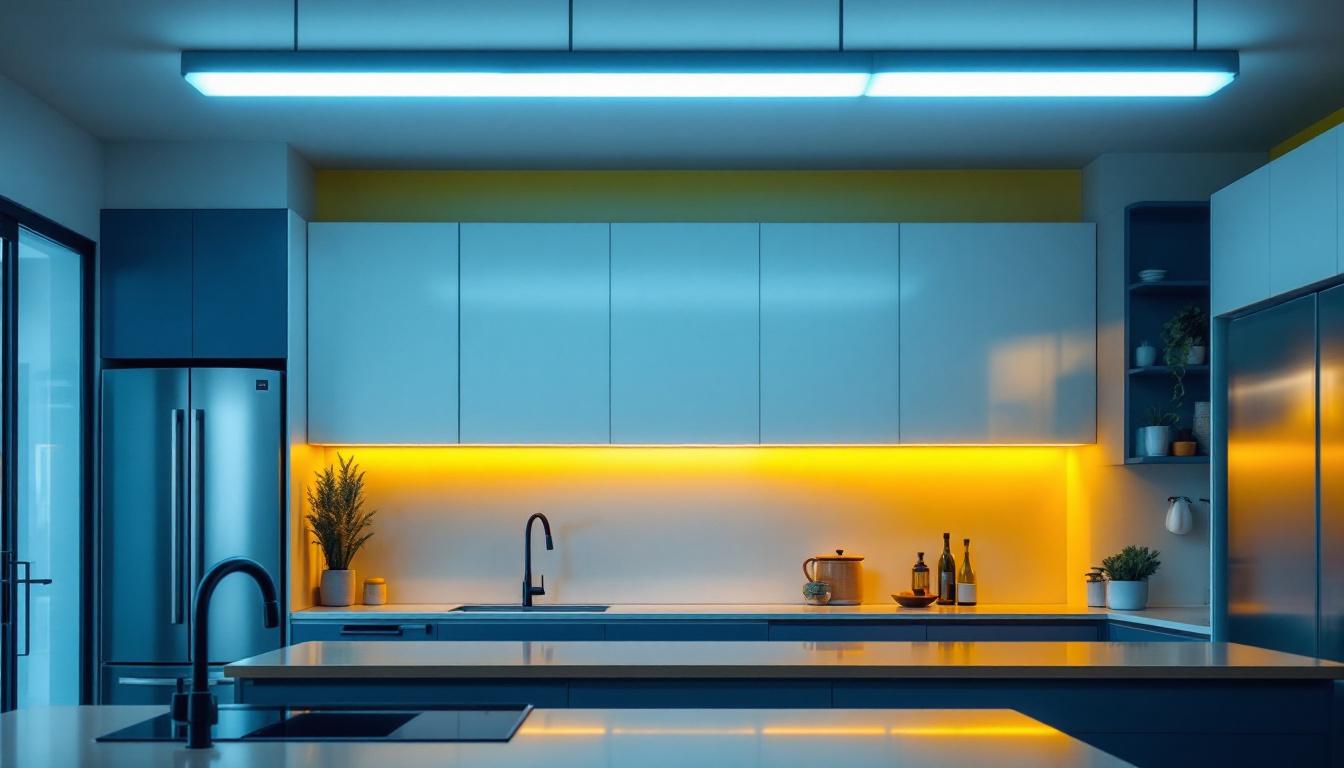
Fluorescent lighting has long been a staple in commercial and residential settings due to its energy efficiency and longevity compared to traditional incandescent bulbs. In kitchens, where bright and consistent illumination is crucial for safety and functionality, fluorescent ceiling lights often present an attractive option. However, the unique demands of kitchen environments require lighting contractors to approach fluorescent installations with a nuanced understanding.
Before diving into installation specifics, it’s important to recognize the characteristics that make fluorescent lighting both beneficial and challenging in kitchen applications. Fluorescent tubes provide broad, even light distribution, which helps eliminate shadows on work surfaces. This is essential for tasks such as food preparation and cooking. Additionally, fluorescent fixtures tend to consume less electricity and have a longer lifespan, reducing maintenance needs.
Despite these advantages, fluorescent lighting can present issues such as flickering, color rendering problems, and sensitivity to temperature changes. Kitchens, with their heat, moisture, and variable lighting needs, can exacerbate these challenges if the lighting system is not properly specified and installed.
Moreover, the aesthetic aspect of fluorescent lighting in kitchens has evolved significantly. Modern fluorescent fixtures come in various designs and styles that can complement contemporary kitchen decor while maintaining functionality. For instance, sleek, low-profile fixtures can be installed under cabinets to provide task lighting without overwhelming the space. Additionally, advancements in technology have led to the development of high-quality fluorescent bulbs that offer improved color rendering, making food appear more vibrant and appealing. This is particularly important in a kitchen setting, where the visual presentation of dishes can enhance the dining experience.
Furthermore, the integration of fluorescent lighting with smart home technology is becoming increasingly popular. Homeowners can now control their kitchen lighting through mobile apps or voice commands, allowing for customizable brightness levels and color temperatures. This flexibility can be particularly useful in a kitchen, where different tasks may require varying levels of light. For example, a warm, soft light might be ideal for a cozy family dinner, while bright, cool light is essential for detailed cooking tasks. As such, understanding the interplay between fluorescent lighting and smart technology can greatly enhance both the functionality and ambiance of kitchen spaces.
Common Pitfalls in Fluorescent Kitchen Ceiling Lighting
Inadequate Color Rendering and Its Impact
One of the most overlooked aspects when selecting fluorescent lighting is the Color Rendering Index (CRI). CRI measures a light source’s ability to reveal the true colors of objects compared to natural light. In kitchens, where color accuracy is vital for assessing food freshness and doneness, a low CRI can lead to misjudgments and safety concerns.
Many standard fluorescent tubes have a CRI in the range of 60 to 80, which may not be sufficient for kitchen environments. Lighting contractors should prioritize fixtures and tubes with a CRI of 80 or higher to ensure accurate color representation. This not only improves the visual appeal of the kitchen but also enhances functionality and safety. For instance, a higher CRI can help home cooks better distinguish between ripe and overripe fruits or vegetables, making meal preparation more efficient and enjoyable. Furthermore, in a space where aesthetics play an important role, such as an open-concept kitchen, the right lighting can make a significant difference in how the space feels and looks, contributing to an inviting atmosphere for family and guests alike.
Flickering and Its Causes
Flickering is a common complaint associated with fluorescent lighting and can cause discomfort or even headaches for occupants. The primary causes include incompatible dimmers, aging ballasts, or poor electrical connections. In kitchens, where lighting is often used for extended periods, flickering can become a significant nuisance.
Modern electronic ballasts have largely mitigated flickering issues, but older magnetic ballasts still exist in many installations. Lighting contractors should assess the existing ballast type and recommend upgrades to electronic ballasts when necessary. Additionally, ensuring that dimmers are compatible with fluorescent fixtures is crucial to prevent flicker when dimming is required. Beyond the immediate discomfort, flickering can also distract from the task at hand, making cooking or cleaning feel more cumbersome. Homeowners should be aware that investing in high-quality fixtures not only enhances their kitchen’s functionality but also contributes to a more pleasant and productive cooking environment, where focus and enjoyment can thrive without the annoyance of flickering lights.
Temperature Sensitivity and Performance
Fluorescent lights are sensitive to ambient temperature, which can affect their startup time and light output. Kitchens can experience temperature fluctuations due to cooking appliances, ventilation, and seasonal changes. In cooler environments, fluorescent tubes may take longer to reach full brightness, while excessive heat can shorten their lifespan.
To avoid these issues, contractors should select fluorescent tubes and ballasts rated for the expected temperature range of the kitchen. Installing fixtures away from direct heat sources and ensuring proper ventilation can also help maintain optimal operating conditions. Additionally, it’s worth noting that the positioning of lighting fixtures can greatly influence their performance; for example, placing lights too close to ovens or stovetops may not only lead to premature burnout but also create uneven lighting patterns that can hinder visibility during cooking. By carefully considering both the placement and type of fluorescent lighting used, homeowners can create a brighter, more efficient kitchen that stands up to the demands of daily use while also enhancing the overall cooking experience.
Best Practices for Installing Fluorescent Kitchen Ceiling Lights
Choosing the Right Fixture and Tube Type
When selecting fluorescent fixtures for kitchens, consider both the type of tube and the fixture design. T8 and T5 tubes are popular choices due to their efficiency and improved color rendering compared to older T12 tubes. T5 tubes, in particular, offer higher lumen output and better energy efficiency but require compatible fixtures.
Fixture design should complement the kitchen’s layout and ceiling type. Recessed troffers provide a clean, modern look and distribute light evenly, while surface-mounted fixtures may be easier to install in certain ceiling types. Additionally, fixtures with diffusers help reduce glare and soften the light, enhancing comfort and visibility.
Ensuring Proper Placement and Spacing
Even the best fluorescent fixtures will underperform if poorly placed. Lighting contractors should conduct a thorough assessment of the kitchen layout, identifying key work zones such as countertops, sinks, and cooking areas. Fixtures should be positioned to minimize shadows and provide uniform illumination across these zones.
Spacing between fixtures depends on the lumen output and the ceiling height. As a general guideline, fixtures should be spaced so that their light patterns overlap slightly, avoiding dark spots. Using lighting design software or photometric data can help contractors achieve optimal placement tailored to each kitchen’s unique dimensions.
Integration with Other Lighting Types
Fluorescent ceiling lights often serve as the primary source of ambient lighting, but integrating them with task and accent lighting can significantly enhance kitchen functionality and aesthetics. Under-cabinet LED strips, pendant lights over islands, and adjustable spotlights can complement fluorescent fixtures by providing focused illumination where needed.
Lighting contractors should coordinate these layers to create a balanced lighting scheme. Controls such as dimmers and smart lighting systems can further customize the environment, allowing homeowners to adjust brightness and color temperature according to their preferences and activities.
Maintenance and Troubleshooting Tips for Contractors
Routine Inspection and Replacement
Regular maintenance is essential to sustain the performance and longevity of fluorescent kitchen lights. Contractors should advise clients on inspecting fixtures periodically for signs of wear, such as flickering, dimming, or discoloration. Ballasts and tubes typically require replacement after several years, depending on usage and environmental conditions.
Maintaining clean fixtures and diffusers is also important, as dust and grease accumulation can diminish light output and affect color quality. Providing clients with simple cleaning guidelines can help preserve the lighting system’s effectiveness.
Addressing Common Issues Promptly
When troubleshooting fluorescent lighting problems, contractors should systematically check the ballast, tube condition, wiring, and compatibility with controls. Flickering often points to ballast or wiring issues, while color shifts may indicate tube degradation. Replacing faulty components promptly prevents further damage and ensures consistent lighting quality.
In kitchens with frequent power fluctuations, installing surge protectors can safeguard fluorescent fixtures from premature failure. Additionally, educating clients about the importance of using compatible replacement tubes and ballasts avoids common pitfalls associated with mismatched components.
Emerging Trends and Alternatives to Fluorescent Lighting
The Rise of LED Technology
While fluorescent lighting remains prevalent, LED technology has rapidly advanced and become a preferred choice for many kitchen lighting applications. LEDs offer superior energy efficiency, longer lifespan, instant startup, and excellent color rendering without the flicker associated with fluorescents.
For lighting contractors, understanding LED retrofit options for existing fluorescent fixtures is valuable. LED tubes designed to fit into fluorescent sockets allow for straightforward upgrades, reducing installation time and costs while improving lighting quality. However, it’s essential to verify compatibility with existing ballasts or opt for ballast bypass solutions.
Smart Lighting Integration
Smart lighting systems are increasingly popular in modern kitchens, enabling remote control, scheduling, and color temperature adjustments. Integrating fluorescent fixtures into these systems can be challenging due to ballast and dimmer compatibility issues. Contractors should evaluate the feasibility of smart controls with fluorescent setups or recommend transitioning to LED systems better suited for smart integration.
Environmental and Regulatory Considerations
Fluorescent lights contain small amounts of mercury, necessitating careful handling and disposal to comply with environmental regulations. Lighting contractors must stay informed about local laws regarding fluorescent waste and educate clients on proper recycling methods.
Additionally, energy codes and standards continue to evolve, often favoring LED solutions over fluorescent lighting. Staying current with these changes ensures contractors provide compliant and future-proof lighting designs for their clients.
Conclusion: Delivering Optimal Fluorescent Kitchen Lighting Solutions
Fluorescent kitchen ceiling lights offer numerous benefits, including energy efficiency and broad illumination, but they come with specific challenges that lighting contractors must navigate. By understanding the nuances of color rendering, flicker prevention, temperature effects, and fixture selection, contractors can avoid common pitfalls and deliver lighting solutions that meet the demanding needs of kitchen environments.
Incorporating best practices for installation, maintenance, and integration with other lighting types enhances both the functionality and aesthetic appeal of kitchen spaces. Moreover, staying informed about emerging technologies and regulatory trends positions contractors to offer modern, efficient, and environmentally responsible lighting options.
Ultimately, a well-executed fluorescent lighting installation not only improves kitchen usability but also contributes to occupant comfort and satisfaction, reinforcing the contractor’s reputation for quality and expertise.
Get Your Premium Fluorescent Lighting Supplies at LumenWholesale
Ready to elevate your lighting installations with the best fluorescent solutions on the market? Look no further than LumenWholesale for all your kitchen ceiling lighting needs. Our extensive selection of spec-grade lighting products ensures that you can tackle any project with confidence, knowing you’re equipped with reliable, high-performance lighting. Say goodbye to inflated markups and hello to unbeatable wholesale prices, complete with the convenience of free shipping on bulk orders. Don’t compromise on quality or value—choose LumenWholesale for the perfect blend of affordability and excellence. Wholesale Lighting at the Best Value is just a click away.