In the realm of lighting installation, fan light replacement is a task that often requires a blend of technical skill, aesthetic understanding, and safety awareness. For lighting contractors, mastering this process can enhance both their reputation and their clientele’s satisfaction. This article delves into the intricacies of fan light replacement, offering invaluable insights and tips that can elevate a contractor’s expertise.
Understanding Fan Light Fixtures
Before embarking on a fan light replacement project, it is essential to grasp the various types of fan light fixtures available in the market. Each type has its unique characteristics, benefits, and installation requirements that can significantly affect the replacement process.
Types of Fan Light Fixtures
Fan light fixtures can generally be categorized into several types, including integrated LED fixtures, traditional incandescent lights, and compact fluorescent options. Integrated LED fixtures are becoming increasingly popular due to their energy efficiency and longevity. They often come with adjustable brightness and color temperature, allowing for greater customization in lighting design. Additionally, many integrated LED fixtures are designed with sleek, modern aesthetics, making them a perfect fit for contemporary interiors.
On the other hand, traditional incandescent lights, while less energy-efficient, offer a warm glow that many homeowners still prefer. The nostalgic charm of incandescent bulbs can create a cozy atmosphere, particularly in living spaces and bedrooms. Compact fluorescent lights (CFLs) provide a middle ground, offering better energy efficiency than incandescent bulbs but not quite matching the longevity of LEDs. Understanding these types helps contractors recommend the best option for their clients’ needs, ensuring that both functionality and style are taken into account.
Components of a Fan Light Fixture
Each fan light fixture consists of several key components, including the light bulb, the shade, the mounting bracket, and the wiring. Familiarity with these parts is crucial for a successful replacement. The light bulb type will dictate the fixture’s brightness and energy consumption, while the shade can influence the overall aesthetic appeal. For instance, glass shades can diffuse light beautifully, while metal shades may provide a more industrial look. The mounting bracket is essential for secure installation, and understanding the wiring is vital for ensuring safety and functionality. Proper wiring not only ensures that the fixture operates correctly but also minimizes the risk of electrical hazards, making it imperative to follow local codes and regulations during installation.
Moreover, it’s worth noting that many modern fan light fixtures come equipped with additional features such as remote controls, dimmers, and smart technology compatibility. These innovations allow homeowners to adjust lighting settings with ease, enhancing the overall user experience. The integration of smart technology means that fixtures can be controlled via smartphones or voice-activated devices, adding a layer of convenience and modernity to traditional fan light fixtures. As you delve into the replacement process, considering these advanced options can lead to a more satisfying and functional lighting solution tailored to individual preferences.
Preparation for Replacement
Preparation is a critical step in any lighting project. For fan light replacement, this involves not only gathering the necessary tools and materials but also ensuring that safety protocols are in place.
Tools and Materials Needed
A well-prepared contractor will have a toolbox equipped with essential tools for fan light replacement. Common tools include a screwdriver set, wire cutters, electrical tape, a voltage tester, and a ladder. Additionally, having the correct replacement fixture on hand is crucial. Contractors should ensure that the new fixture is compatible with the existing fan and meets the homeowner’s aesthetic preferences.
Moreover, having a selection of bulbs ready, whether LED, incandescent, or CFL, can expedite the process. It’s also wise to keep extra wire connectors and mounting hardware available, as these can sometimes be overlooked during the initial assessment.
Safety Precautions
Safety should always be the top priority when working with electrical fixtures. Before starting any replacement, contractors must turn off the power at the circuit breaker and use a voltage tester to confirm that the power is indeed off. Wearing safety goggles and gloves can provide additional protection against debris and electrical hazards.
Furthermore, ensuring that the ladder is stable and positioned correctly is essential to prevent falls during installation. Contractors should also be aware of the weight of the fan light fixture, as some can be quite heavy and may require additional support during installation.
Steps for Fan Light Replacement
Once preparation is complete, the actual replacement process can begin. This section outlines the step-by-step procedure to ensure a smooth and efficient replacement.
Removing the Old Fixture
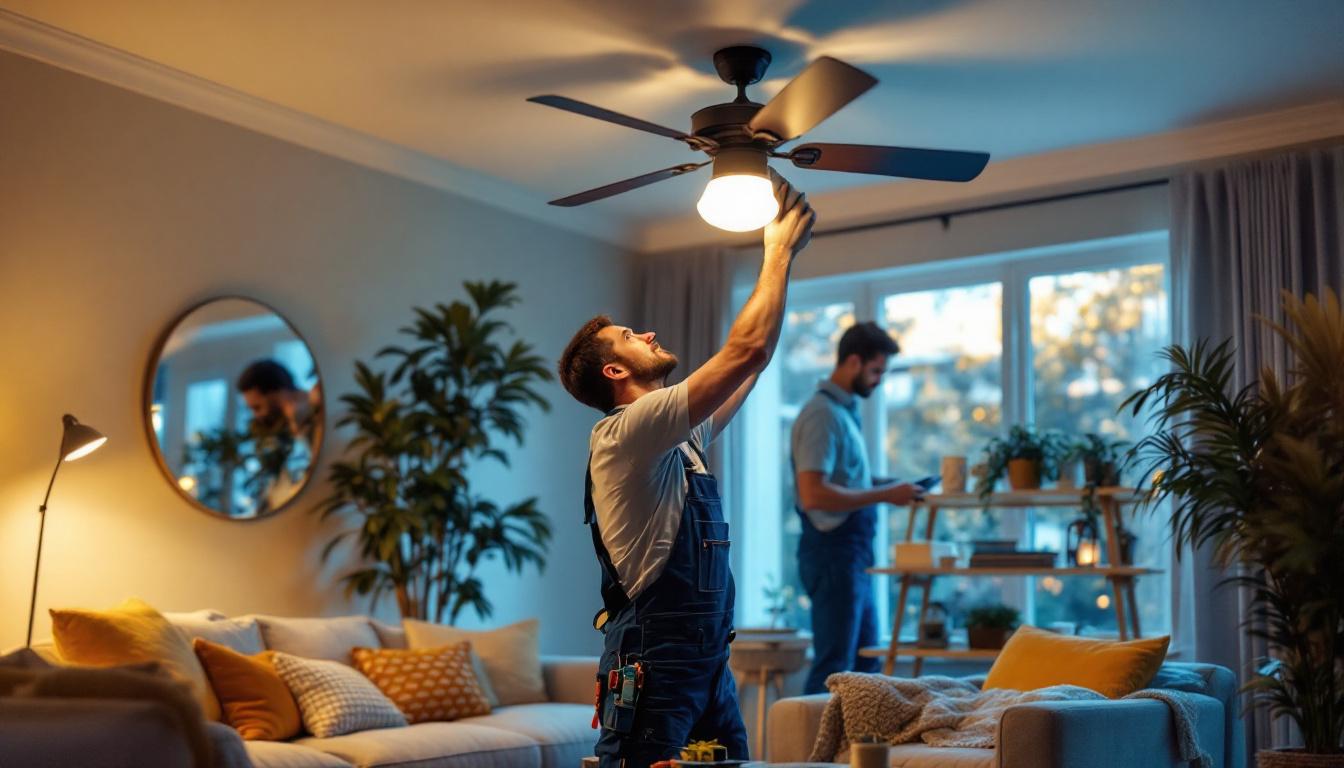
The first step in the replacement process is to carefully remove the old fan light fixture. This involves unscrewing the light bulbs and removing any shades or covers. Once these components are detached, the contractor can access the mounting bracket. It’s essential to support the fixture while unscrewing it from the ceiling to prevent it from falling.
After the fixture is free, the contractor should disconnect the wiring. This typically involves unscrewing wire nuts and separating the wires. It’s advisable to take note of how the old fixture was wired, as this will aid in the installation of the new fixture.
Installing the New Fixture
With the old fixture removed, the next step is to install the new fan light fixture. Begin by securing the mounting bracket to the ceiling, ensuring it is tightly fastened and can support the weight of the new fixture. Next, connect the wiring according to the notes taken during the removal of the old fixture. Typically, this involves matching the wires by color: black to black (or red), white to white, and grounding wires together.
Once the wiring is securely connected, the contractor can attach the new fixture to the mounting bracket. It’s important to follow the manufacturer’s instructions for securing the fixture properly. After this, the bulbs can be installed, and any shades or covers can be added to complete the look.
Testing the New Installation
After installation, it’s time to test the new fixture. Before turning the power back on, double-check all connections to ensure everything is secure and properly insulated. Once confident, restore power at the circuit breaker and test the fixture by turning it on. If the light operates correctly, the installation is a success.
In case of any issues, such as flickering lights or no power, it may be necessary to troubleshoot the wiring connections or check the circuit breaker for any tripped switches. Ensuring that everything is functioning properly before leaving the site is essential for customer satisfaction.
Common Challenges in Fan Light Replacement
Even seasoned contractors may encounter challenges during fan light replacement. Recognizing these potential issues can help in devising effective solutions.
Wiring Complications
One of the most common challenges is dealing with wiring complications. In older homes, wiring may not conform to modern standards, leading to potential safety hazards. Contractors should be prepared to identify and address any outdated wiring or connections that may not be compatible with newer fixtures.
In some cases, additional wiring may be required to accommodate new features, such as dimmers or smart lighting controls. Understanding local electrical codes is crucial to ensure that any modifications meet safety standards.
Weight and Balance Issues
Another challenge can arise from the weight and balance of the fan light fixture. If a fixture is too heavy for the existing mounting bracket, it can lead to sagging or even detachment over time. Contractors must assess the weight of the new fixture and ensure that the mounting hardware is rated to support it. If necessary, reinforcing the ceiling or using a more robust mounting system can prevent future issues.
Enhancing Aesthetic Appeal
Beyond functionality, the aesthetic appeal of a fan light fixture plays a significant role in a homeowner’s satisfaction. Contractors should consider various design elements that can enhance the overall look of the space.
Choosing the Right Style
When selecting a replacement fixture, style should align with the home’s interior design. Whether it’s a modern, minimalist look or a more traditional aesthetic, there are countless options available. Contractors should discuss style preferences with homeowners to ensure they choose a fixture that complements existing decor.
Additionally, color temperature can impact the ambiance of a room. Warmer tones create a cozy atmosphere, while cooler tones can make spaces feel more open and airy. Offering guidance on these choices can significantly enhance the homeowner’s experience.
Incorporating Smart Technology
With the rise of smart home technology, many homeowners are looking for fixtures that offer advanced features. Contractors should be knowledgeable about smart fan light options that allow for remote control, dimming capabilities, and color changing. Incorporating these technologies can not only improve functionality but also appeal to tech-savvy clients.
Conclusion
Mastering fan light replacement is an essential skill for lighting contractors. By understanding the types of fixtures, preparing adequately, following a systematic installation process, and addressing common challenges, contractors can ensure a successful replacement every time. Moreover, enhancing the aesthetic appeal and incorporating modern technology can further elevate the service provided to clients.
By applying these insights and techniques, lighting contractors can build a reputation for excellence in fan light replacement, leading to increased customer satisfaction and potential referrals. As the demand for quality lighting solutions continues to grow, being equipped with the right knowledge and skills will set contractors apart in a competitive market.
Get Your Premium Lighting Supplies at LumenWholesale
Ready to take your fan light replacement services to the next level? At LumenWholesale, we provide lighting contractors like you with the highest quality, spec-grade lighting products at prices that can’t be beaten. Say goodbye to local distributor markups and hello to a vast selection of reliable, high-performance lighting essentials. With our commitment to affordability and convenience, you can enjoy free shipping on bulk orders, ensuring you get the best value without any hidden costs. Elevate your lighting projects and delight your clients by choosing Wholesale Lighting at the Best Value with LumenWholesale.