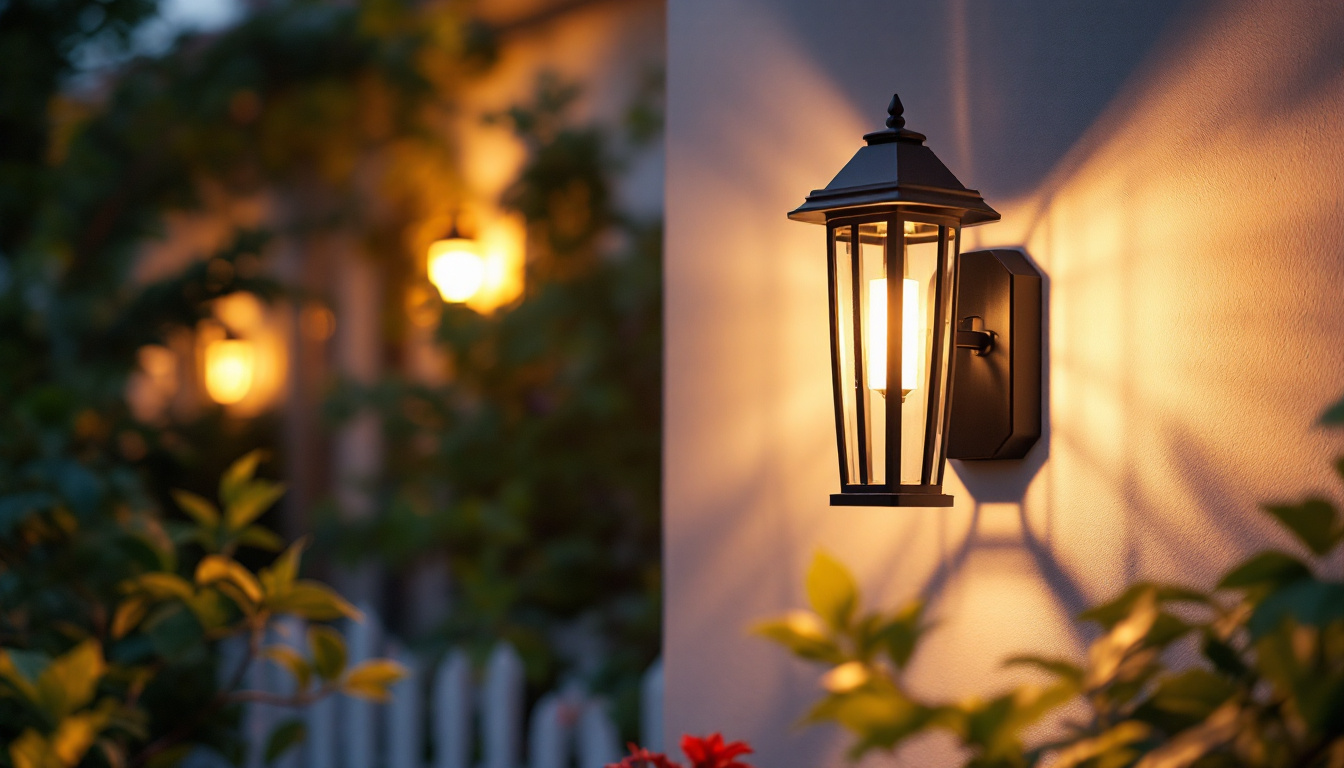
Understanding the Importance of Exterior Recessed Downlighting
Exterior recessed downlights have become a cornerstone in modern outdoor lighting design, offering both aesthetic appeal and functional illumination. For lighting contractors, mastering the installation and specification of these fixtures is essential to meet client expectations and industry standards.
Unlike traditional surface-mounted fixtures, recessed downlights are installed flush with the ceiling or soffit, creating a clean, unobtrusive look. This design not only enhances architectural features but also minimizes light pollution and glare, which is particularly important in residential neighborhoods and commercial spaces seeking to comply with dark-sky regulations.
According to recent industry surveys, over 60% of outdoor lighting projects now incorporate recessed downlights due to their versatility and energy efficiency. This trend underscores the need for contractors to stay updated on best practices and emerging technologies in this niche.
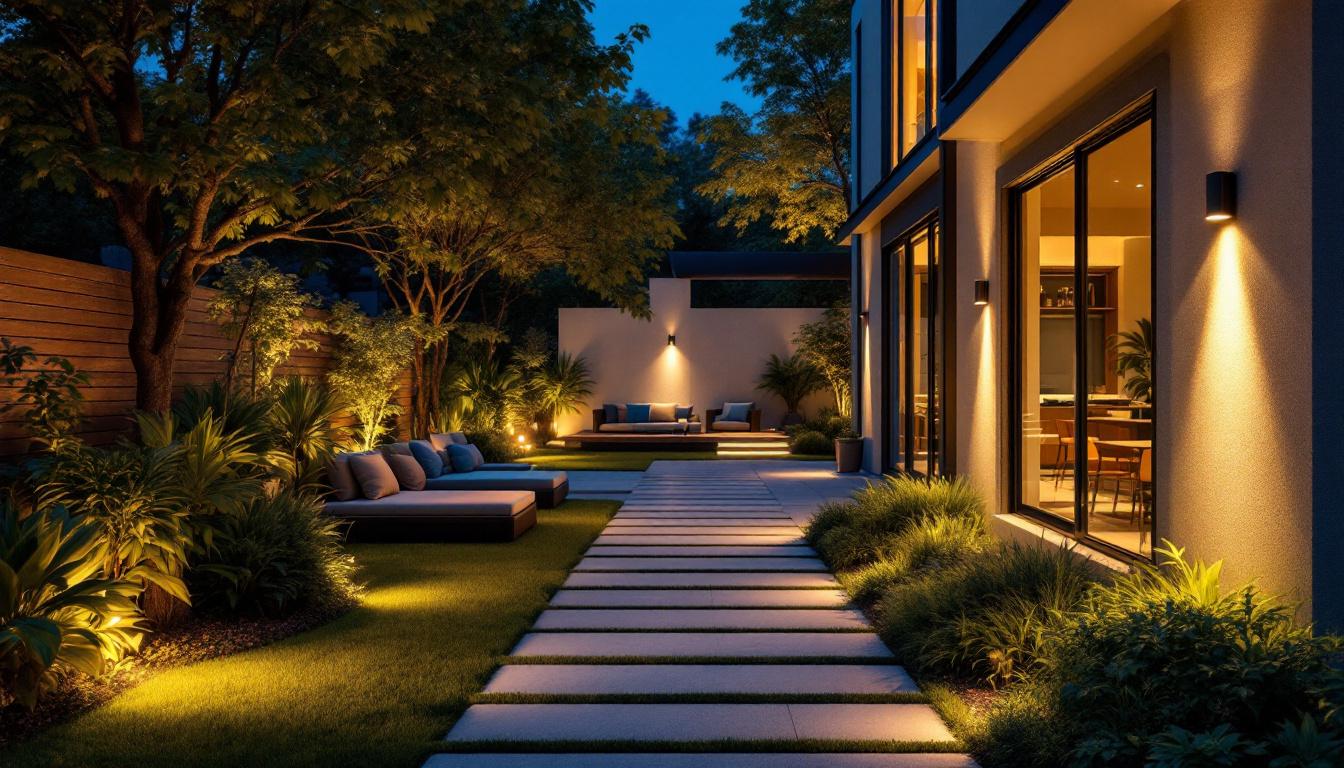
Moreover, the flexibility of recessed downlighting allows for creative design solutions that can transform outdoor spaces into inviting environments. Whether illuminating pathways, highlighting landscaping, or accentuating architectural elements, these fixtures can be strategically placed to enhance visibility and safety while creating a warm, welcoming atmosphere. The ability to adjust the direction and intensity of the light also means that contractors can tailor the lighting to suit the specific needs of each project, ensuring that every outdoor area is both functional and visually appealing.
In addition to their aesthetic benefits, energy efficiency is a significant factor driving the popularity of recessed downlights. Many modern fixtures utilize LED technology, which not only consumes less power but also has a longer lifespan compared to traditional incandescent bulbs. This shift not only reduces energy costs for homeowners and businesses but also contributes to a more sustainable approach to outdoor lighting. As energy regulations become stricter and environmental awareness grows, the demand for energy-efficient lighting solutions like recessed downlights is likely to continue rising, making it imperative for contractors to embrace these advancements in their designs and installations.
Key Considerations When Selecting Exterior Recessed Downlights
Weather Resistance and Durability
One of the primary challenges with exterior lighting is exposure to the elements. Lighting contractors must prioritize fixtures that are rated for wet or damp locations. Look for products with an IP (Ingress Protection) rating of at least IP65, which ensures protection against dust and water jets from any direction.
Materials also play a critical role. Fixtures made from corrosion-resistant metals such as stainless steel or aluminum with powder-coated finishes tend to offer longer lifespans in harsh environments. Additionally, contractors should verify that the fixture’s seals and gaskets are designed to prevent moisture ingress, which can cause electrical failures or safety hazards. Beyond just the materials, consider the impact of UV exposure on the fixture’s longevity. UV-resistant coatings can help maintain the aesthetic appeal of the lights over time, preventing fading and degradation that can occur with prolonged sun exposure.
Light Output and Beam Angle
Choosing the right lumen output and beam angle is crucial for achieving the desired lighting effect. Exterior recessed downlights are commonly used for accent lighting, pathway illumination, or security purposes, each requiring different specifications.
For accentuating architectural details or landscaping, a narrow beam angle (15°–30°) with moderate lumen output is ideal to create focused highlights. Conversely, for general pathway lighting or security, wider beam angles (60° or more) with higher lumens provide broader coverage and improved visibility. It’s also beneficial to consider the placement of these fixtures; strategic positioning can enhance the overall ambiance while ensuring safety. For instance, downlights installed along pathways should be spaced appropriately to eliminate dark spots, creating a seamless flow of light that guides visitors safely through outdoor spaces.
Contractors should also consider the color temperature of the LEDs. Warmer tones (2700K–3000K) create inviting atmospheres, while cooler temperatures (4000K–5000K) are better suited for security lighting due to their higher contrast and clarity. Additionally, the choice of color temperature can influence the perception of space; cooler lights can make areas appear larger and more open, while warmer tones can create a cozy, intimate setting.
Energy Efficiency and Control Options
Energy efficiency remains a top priority for clients and contractors alike. LED technology has revolutionized exterior lighting by providing high output with minimal power consumption. When selecting recessed downlights, look for fixtures with ENERGY STAR certification or similar endorsements to ensure optimal efficiency.
Incorporating smart controls such as motion sensors, photocells, or programmable timers can further enhance energy savings and functionality. For example, motion-activated downlights can deter intruders while reducing unnecessary energy use. Photocells enable lights to automatically turn on at dusk and off at dawn, simplifying operation and maintenance. Furthermore, integrating these controls with home automation systems can provide users with the ability to customize their lighting schedules remotely, ensuring that outdoor spaces are illuminated only when needed. This not only conserves energy but also adds a layer of convenience and security, allowing homeowners to manage their exterior lighting effortlessly from their smartphones or tablets.
Installation Best Practices for Exterior Recessed Downlights
Site Assessment and Planning
Before installation, a thorough site assessment is critical. Contractors should evaluate the mounting surface, electrical supply, and environmental factors. For example, soffits made of wood, vinyl, or fiber cement each require different mounting techniques and hardware to ensure secure and safe installation.
Additionally, contractors must consider the location of existing wiring and the feasibility of running new conduit or cables. Ensuring compliance with local electrical codes and safety standards is non-negotiable to avoid costly rework or legal issues.
Proper Sealing and Insulation
One common pitfall in exterior recessed lighting installations is inadequate sealing around the fixture. Gaps can allow water infiltration, leading to fixture damage or mold growth in building cavities. Use high-quality silicone sealants or foam gaskets specifically designed for outdoor lighting applications to create a watertight barrier.
Moreover, when installing downlights in insulated ceilings or soffits, select IC-rated fixtures that are designed to safely operate in contact with insulation. This prevents overheating and potential fire hazards.
Wiring and Electrical Safety
Exterior lighting wiring must be rated for outdoor use, typically requiring UF (underground feeder) cable or conduit to protect against moisture and physical damage. Ground-fault circuit interrupters (GFCIs) are essential for outdoor circuits to prevent electrical shock hazards.
Contractors should also ensure that all connections are made within weatherproof junction boxes and that fixtures are properly grounded. Following manufacturer instructions and local electrical codes is vital to guarantee safety and longevity.
Enhancing Aesthetics and Functionality Through Design
Layered Lighting Techniques
Exterior recessed downlights work best when integrated into a layered lighting design. Combining them with wall sconces, landscape lighting, and pathway lights creates depth and dimension, enhancing both safety and visual appeal.
For example, recessed downlights installed in soffits can wash walls with gentle illumination, while pathway lights guide visitors safely. This layered approach allows contractors to tailor lighting schemes to client preferences and site-specific needs.
Customizing Fixture Placement
Strategic placement is paramount. Lighting contractors should space downlights evenly to avoid dark spots or overly bright areas. A common guideline is to space fixtures at intervals equal to their mounting height above the ground or surface.
Additionally, angling fixtures slightly can help highlight architectural features or landscaping elements without causing glare or light trespass. Using adjustable trims or gimbals enhances flexibility during installation and future adjustments.
Incorporating Color and Dynamic Effects
Advancements in LED technology now allow for color-tunable and dynamic lighting options. Contractors can offer clients the ability to change color temperatures or create lighting scenes for different occasions, adding value and versatility.
While these features may increase upfront costs, they can differentiate a contractor’s offerings and appeal to clients seeking modern, customizable outdoor lighting solutions.
Maintenance and Troubleshooting Tips for Long-Term Success
Routine Inspection and Cleaning
Exterior recessed downlights are exposed to dirt, insects, and weathering, which can degrade performance over time. Regular inspection and cleaning of lenses and trims help maintain optimal light output and appearance.
Contractors should advise clients on appropriate cleaning methods, such as using mild detergents and soft cloths, avoiding abrasive materials that could scratch lenses or damage finishes.
Addressing Common Issues
Common problems include flickering lights, dimming, or complete failure. These symptoms often stem from loose wiring, moisture ingress, or LED driver malfunctions. Prompt diagnosis and repair prevent further damage and maintain client satisfaction.
Using high-quality fixtures and components from reputable manufacturers reduces the likelihood of such issues. Additionally, providing clients with warranties and maintenance plans can build trust and encourage repeat business.
Upgrading and Retrofitting Existing Installations
Lighting contractors often encounter older exterior recessed downlight installations that are inefficient or no longer meet client needs. Retrofitting with modern LED fixtures or adding smart controls can improve performance and energy savings without extensive rewiring.
Careful assessment of existing infrastructure and compatibility is essential to ensure a smooth upgrade process. Offering retrofit solutions can expand a contractor’s service portfolio and revenue opportunities.
Conclusion: Mastering Exterior Recessed Downlighting for Optimal Results
Exterior recessed downlights are a versatile and valuable component of outdoor lighting projects. For lighting contractors, understanding the nuances of product selection, installation techniques, and maintenance strategies is key to delivering superior results that satisfy clients and comply with industry standards.
By prioritizing weather resistance, energy efficiency, and thoughtful design integration, contractors can create outdoor lighting solutions that enhance safety, aesthetics, and sustainability. Staying informed about technological advancements and adopting best practices ensures that contractors remain competitive and trusted experts in exterior lighting.
Get Your Premium Exterior Recessed Downlights at LumenWholesale
Ready to elevate your outdoor lighting projects with the best exterior recessed downlights on the market? Look no further than LumenWholesale, where we provide lighting contractors with superior, spec-grade lighting products at unbeatable wholesale prices. Our extensive selection is designed to meet the highest industry standards, ensuring you deliver safety, aesthetics, and sustainability in every installation. Plus, with free shipping on bulk orders, you can enjoy premium lighting solutions at the best value — without hidden fees or compromises. Don’t settle for less; choose LumenWholesale for quality, affordability, and convenience. Wholesale Lighting at the Best Value is just a click away.