In the realm of outdoor spaces, effective lighting is crucial for both functionality and aesthetics. As a lighting contractor, understanding the various types of exterior lighting can significantly enhance your project outcomes and client satisfaction. This article delves into the different types of exterior lighting, their applications, and considerations for installation.
Understanding Exterior Lighting Types
Exterior lighting encompasses a wide range of fixtures and systems designed to illuminate outdoor areas. These can include residential gardens, commercial properties, and public spaces. The right choice of lighting not only enhances safety and security but also adds to the visual appeal of the environment.
1. Pathway Lighting
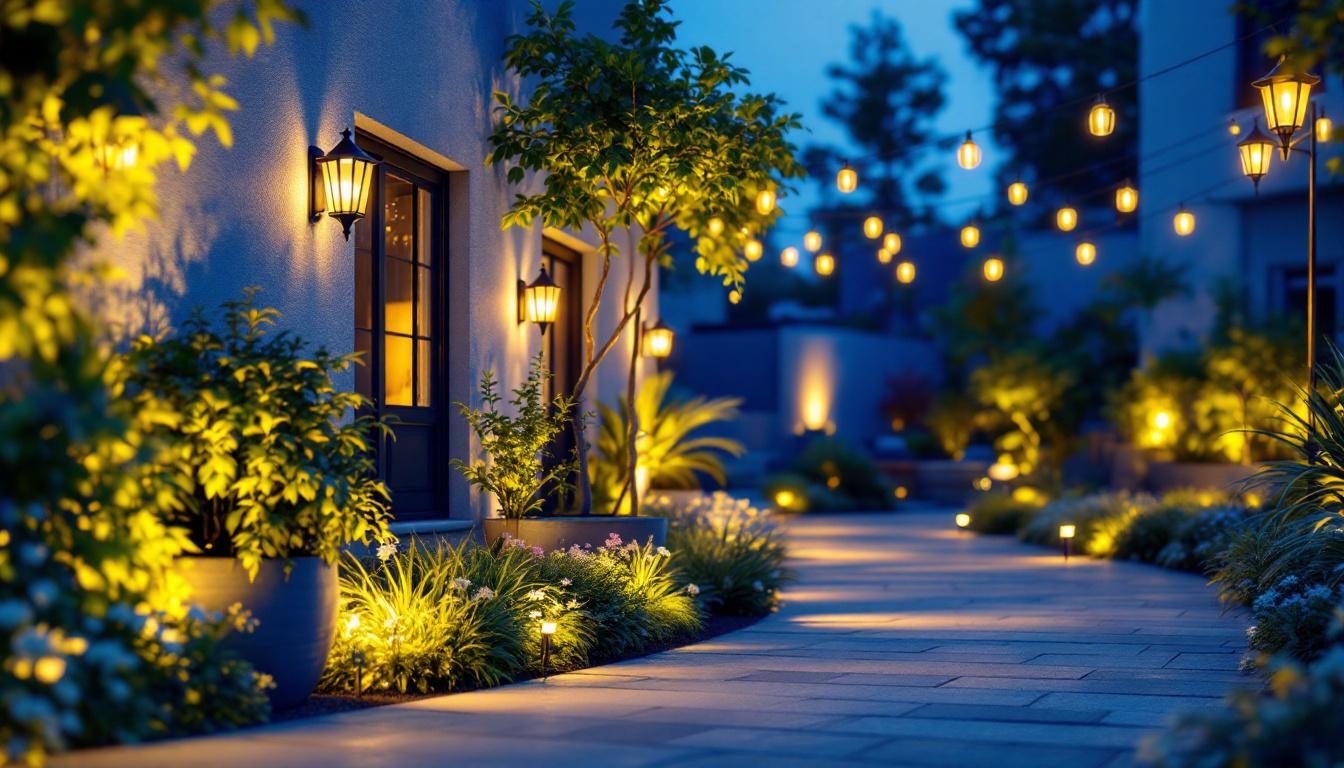
Pathway lighting serves a dual purpose: it guides visitors along walkways while enhancing the overall landscape design. These fixtures are typically low to the ground and can be powered by electricity or solar energy.
When selecting pathway lights, consider the brightness, style, and placement. Fixtures should be spaced evenly to provide consistent illumination without creating dark spots. Additionally, choosing energy-efficient options can appeal to environmentally conscious clients. Incorporating smart technology, such as timers or sensors, can also optimize energy use, ensuring that lights are only on when needed. Furthermore, using warm white LEDs can create a welcoming atmosphere, making pathways more inviting during evening gatherings or late-night strolls.
2. Flood Lights
Flood lights are powerful fixtures designed to illuminate large areas. They are often used for security purposes, as they can deter intruders by providing bright, wide coverage. Flood lights can be mounted on walls, poles, or even trees, offering flexibility in placement.
When installing flood lights, it’s essential to consider the angle and height of the fixtures. Proper positioning can minimize glare and ensure that the light is directed where it is needed most. Moreover, integrating motion sensors can enhance security while conserving energy. Additionally, many modern flood lights come with adjustable brightness settings, allowing homeowners to customize the intensity based on the time of day or specific needs. This adaptability not only improves functionality but also helps in creating a more dynamic outdoor space that can be tailored for various occasions, from quiet evenings to lively gatherings.
3. Wall Sconces
Wall sconces are decorative fixtures that add character to exterior walls. They are often used to highlight architectural features or provide ambient lighting for outdoor living spaces. Available in various styles, from modern to traditional, wall sconces can complement the overall design of the property.
When selecting wall sconces, consider the material and finish, as these will affect durability and maintenance. Additionally, ensure that the fixtures are rated for outdoor use to withstand the elements. Opting for weather-resistant materials such as stainless steel or treated wood can enhance longevity. Moreover, incorporating dimmable options can allow homeowners to adjust the lighting according to the mood or activity, whether it’s a cozy dinner on the patio or a festive outdoor party. The interplay of light and shadow created by wall sconces can also add depth and intrigue to the exterior design, making it a focal point even after sunset.
Specialized Lighting Solutions
Beyond standard fixtures, specialized lighting solutions can enhance outdoor spaces in unique ways. These options cater to specific needs and can elevate the functionality and aesthetics of any project. From creating inviting atmospheres to ensuring safety and security, the right lighting can transform an ordinary outdoor area into an extraordinary one.
1. Landscape Lighting
Landscape lighting is designed to highlight natural features such as trees, shrubs, and water elements. By using techniques like uplighting and downlighting, contractors can create dramatic effects that transform outdoor spaces at night. This type of lighting not only enhances the beauty of the landscape but also allows homeowners to enjoy their gardens after sunset, extending the usability of these spaces.
When planning landscape lighting, consider the type of plants and their growth patterns. Selecting fixtures that blend seamlessly with the surroundings can enhance the natural beauty of the landscape. Additionally, using LED fixtures can provide energy efficiency and longevity. Incorporating smart lighting controls can also add convenience, allowing homeowners to adjust brightness and set schedules, ensuring that their outdoor spaces are always perfectly illuminated.
2. Architectural Lighting
Architectural lighting focuses on illuminating the structural elements of a building. This type of lighting can enhance the aesthetics of a property while improving visibility and safety. Techniques such as grazing, washing, and spotlighting can be employed to create stunning visual effects. By strategically placing lights to accentuate textures and materials, architects can highlight the unique features of a building, making it a focal point in its environment.
Contractors should work closely with architects and designers to ensure that the lighting complements the building’s design. Choosing the right color temperature and intensity is crucial for achieving the desired effect. Moreover, incorporating adaptive lighting solutions that respond to the time of day or weather conditions can further enhance the architectural features, creating a dynamic interplay of light and shadow that evolves throughout the day.
3. Deck and Patio Lighting
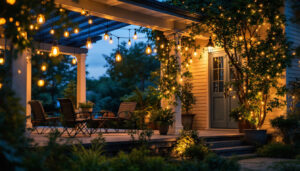
Deck and patio lighting is essential for creating inviting outdoor living spaces. These fixtures can include recessed lights, post lights, and string lights, which add warmth and ambiance to gatherings. The right lighting can transform a simple deck into a cozy retreat, perfect for entertaining guests or enjoying quiet evenings under the stars.
When designing deck and patio lighting, consider the layout and usage of the space. Lighting should be functional yet aesthetically pleasing, providing enough illumination for safety without overwhelming the atmosphere. Additionally, integrating dimmable options can allow homeowners to adjust the mood according to the occasion, whether it’s a lively party or a serene evening alone. Incorporating solar-powered lights can also offer an eco-friendly solution, reducing energy costs while providing beautiful illumination throughout the night.
Energy Efficiency and Sustainability
As energy efficiency becomes increasingly important, lighting contractors must stay informed about sustainable practices and technologies. The shift towards eco-friendly lighting options not only benefits the environment but can also be a selling point for clients.
1. LED Lighting
LED (Light Emitting Diode) lighting has revolutionized the industry with its energy efficiency and long lifespan. These fixtures consume significantly less energy than traditional incandescent bulbs, making them an ideal choice for exterior applications.
In addition to energy savings, LED lights offer versatility in design and color temperature. Contractors should educate clients on the benefits of LED lighting, including reduced maintenance costs and the ability to create dynamic lighting schemes.
2. Solar-Powered Lighting
Solar-powered lighting is another sustainable option that harnesses the sun’s energy to illuminate outdoor spaces. These fixtures are particularly advantageous in areas without access to electrical wiring, making them ideal for gardens, pathways, and remote locations.
When recommending solar lighting, it’s important to consider the location and sunlight exposure. Proper placement can maximize the efficiency of solar panels, ensuring that the fixtures provide adequate illumination throughout the night.
Safety and Compliance Considerations
Safety is a paramount concern when it comes to exterior lighting. Contractors must adhere to local codes and regulations to ensure that installations are safe and compliant. Understanding the various safety considerations can help avoid potential hazards and liabilities.
1. Electrical Safety
When installing electrical fixtures outdoors, it’s crucial to use weatherproof materials and components. This includes using GFCI (Ground Fault Circuit Interrupter) outlets, which can prevent electrical shocks in wet conditions.
Contractors should also ensure that all wiring is buried at the appropriate depth and protected from damage. Regular inspections and maintenance can help identify potential issues before they become serious problems.
2. Light Pollution Management
Light pollution is an increasingly recognized issue that can disrupt ecosystems and impact human health. Contractors should be aware of the effects of excessive or misdirected lighting and take steps to minimize its impact.
Using fixtures that direct light downward and employing timers or dimmers can help manage light pollution. Educating clients about responsible lighting practices can also foster a greater understanding of the importance of preserving the night sky.
Trends in Exterior Lighting Design
The world of exterior lighting is constantly evolving, with new trends emerging that reflect changing tastes and technologies. Staying informed about these trends can help contractors offer innovative solutions to their clients.
1. Smart Lighting Systems
Smart lighting systems are gaining popularity as technology advances. These systems allow users to control their outdoor lighting remotely via smartphones or smart home devices, providing convenience and flexibility.
Integrating smart lighting can enhance security and energy efficiency, as users can schedule lighting to turn on and off automatically. Contractors should familiarize themselves with various smart lighting products and their compatibility with existing systems.
2. Minimalist and Modern Designs
Minimalist and modern designs are trending in exterior lighting, with clean lines and simple shapes taking center stage. These fixtures often blend seamlessly with contemporary architecture, creating a cohesive look.
Contractors should consider how modern designs can enhance the overall aesthetic of a property. Offering a range of styles that cater to different tastes can help attract a diverse clientele.
Conclusion
Understanding the various types of exterior lighting is essential for lighting contractors aiming to deliver exceptional results. From pathway lighting to smart systems, each type serves a unique purpose and contributes to the overall functionality and beauty of outdoor spaces.
By staying informed about energy efficiency, safety considerations, and emerging trends, contractors can better serve their clients and enhance their projects. As the demand for innovative and sustainable lighting solutions continues to grow, embracing these principles will ensure success in the competitive landscape of exterior lighting.
Illuminate Your Projects with LumenWholesale
Ready to elevate your exterior lighting projects with superior quality and value? Look no further than LumenWholesale, where we provide lighting contractors with spec-grade lighting products at unbeatable wholesale prices. Our extensive selection is designed to meet the highest industry standards, ensuring that every installation shines with reliability and performance. Plus, with free shipping on bulk orders, you can enjoy premium lighting solutions at the best price — without any hidden fees. Don’t compromise on quality or affordability. Discover the best value in wholesale lighting and make your next project a beacon of excellence with LumenWholesale.