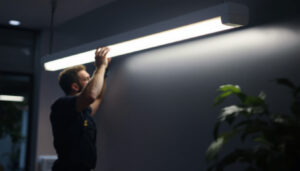
Understanding the Importance of Effective Lighting Training
In the competitive world of lighting contracting, the quality of your team’s expertise directly impacts your reputation and project success. Lighting is not just about illuminating spaces; it’s about enhancing environments, improving energy efficiency, and meeting precise client specifications. As Etherium Lighting continues to innovate with advanced lighting technologies and smart solutions, training your team becomes essential to stay ahead.
Well-trained lighting professionals can interpret complex lighting plans, install cutting-edge systems, and troubleshoot issues efficiently. This reduces costly errors, improves customer satisfaction, and positions your company as a leader in the industry. Moreover, with the increasing integration of IoT and smart lighting controls, ongoing education ensures your team remains proficient in the latest trends and standards.
In addition to technical skills, effective lighting training also fosters a deeper understanding of design principles and aesthetic considerations. Lighting professionals equipped with knowledge about color temperature, lumens, and the psychological effects of light can create spaces that not only meet functional requirements but also evoke desired emotions and atmospheres. This holistic approach to lighting design can significantly enhance the overall client experience, leading to repeat business and referrals.
Furthermore, as sustainability becomes a critical focus in the construction and design industries, training your team in energy-efficient practices and technologies is paramount. Understanding how to implement LED solutions, daylight harvesting, and smart controls not only reduces operational costs for clients but also aligns your company with environmentally responsible practices. By prioritizing effective lighting training, you empower your team to contribute to a greener future while simultaneously elevating your brand’s image in a market that increasingly values sustainability.
Building a Comprehensive Training Program
Assessing Current Skill Levels and Identifying Gaps
Before implementing any training, it’s crucial to evaluate your team’s existing knowledge and skills. Conducting assessments or practical evaluations helps identify strengths and areas needing improvement. This targeted approach ensures training resources are used effectively and addresses real needs rather than generic topics.
Consider using surveys, hands-on tests, or even informal interviews to gather insights. For example, some team members may excel in traditional lighting installation but lack familiarity with LED technologies or smart controls. Recognizing these gaps allows you to tailor training modules accordingly. Additionally, it can be beneficial to analyze past project performance data to pinpoint specific challenges faced by the team. This data-driven approach not only highlights individual skill gaps but can also reveal broader trends that may affect team dynamics or project outcomes.
Designing Training Modules Around Core Competencies
Once skill gaps are identified, develop structured training modules focusing on essential competencies. These might include:
- Lighting Design Principles: Understanding color temperature, lumens, and light distribution.
- Installation Techniques: Best practices for wiring, fixture mounting, and safety protocols.
- Energy Efficiency and Sustainability: Incorporating energy-saving technologies and complying with regulations.
- Smart Lighting Systems: Programming and troubleshooting IoT-enabled lighting solutions.
- Customer Communication: Explaining technical details clearly and managing client expectations.
Each module should combine theory with practical application to reinforce learning and build confidence. For instance, the module on energy efficiency could include case studies showcasing successful implementations of sustainable lighting solutions. This not only provides context but also inspires team members to think creatively about their own projects. Furthermore, incorporating guest speakers or industry experts into the training can offer fresh perspectives and deepen understanding of complex topics.
Leveraging Diverse Training Formats
Different team members learn best through different methods. Incorporating a mix of training formats can maximize engagement and retention:
- Classroom Sessions: Ideal for foundational knowledge and group discussions.
- Hands-On Workshops: Allow technicians to practice installation and troubleshooting under supervision.
- Online Learning Platforms: Provide flexibility for self-paced study, especially for technical topics.
- On-the-Job Training: Real-time mentoring during live projects helps apply skills in context.
Combining these approaches ensures comprehensive coverage and accommodates various learning preferences. Additionally, incorporating gamification elements, such as quizzes and competitions, can enhance motivation and create a fun learning environment. Regular feedback sessions after each training module can also help instructors adjust their methods and content, ensuring that the training remains relevant and impactful. By fostering an atmosphere of continuous improvement and open communication, you can cultivate a culture of learning that empowers your team to excel in their roles.
Incorporating Industry Standards and Safety Protocols
Adhering to Electrical and Lighting Codes
Lighting contractors must comply with national and local electrical codes to ensure safety and legality. Training should emphasize understanding and applying these standards, such as the National Electrical Code (NEC) or equivalent regulations in your region. This knowledge prevents violations that could lead to project delays, fines, or hazards.
Regular updates to codes mean training is an ongoing necessity. Encouraging your team to stay current through workshops or certifications demonstrates your commitment to professionalism and safety. Additionally, fostering relationships with local code enforcement officials can provide valuable insights into upcoming changes and best practices, ensuring that your team is always ahead of the curve. This proactive approach not only protects your business but also builds trust with clients, who appreciate contractors that prioritize compliance and safety.
Promoting Workplace Safety and Risk Management
Lighting installation often involves working at heights, handling electrical components, and using specialized tools. Comprehensive safety training reduces accidents and protects your workforce. Topics should include proper use of personal protective equipment (PPE), lockout/tagout procedures, and emergency response protocols.
Implementing a culture of safety not only safeguards employees but also enhances productivity by minimizing downtime due to injuries. Regular safety drills can help reinforce these protocols, ensuring that all team members are prepared for emergencies. Furthermore, encouraging open communication about safety concerns can empower employees to voice potential hazards, fostering an environment where safety is a shared responsibility. By prioritizing these practices, you not only comply with industry standards but also create a more engaged and efficient workforce, ultimately leading to higher-quality installations and satisfied clients.
Utilizing Advanced Tools and Technologies in Training
Simulation and Virtual Reality (VR) Training
Emerging technologies like VR can simulate complex lighting environments, allowing trainees to practice installations and troubleshooting without physical risks. This immersive approach accelerates learning and builds confidence before working on actual projects.
For example, Etherium Lighting’s smart systems can be demonstrated virtually, enabling technicians to experiment with programming and control interfaces in a controlled setting. This not only enhances their technical skills but also provides a platform for understanding the nuances of different lighting scenarios, such as varying ambient light conditions or intricate architectural designs. As trainees navigate through these virtual environments, they can make mistakes and learn from them in real-time, which is invaluable for their professional growth.
Mobile Apps and Digital Resources
Mobile applications designed for lighting professionals offer instant access to product specifications, wiring diagrams, and troubleshooting guides. Integrating these tools into training helps your team become self-sufficient and efficient on the job.
Encouraging the use of digital resources also supports continuous learning beyond formal sessions, fostering a culture of knowledge sharing and innovation. With features such as interactive tutorials and video demonstrations, these apps can cater to various learning styles, ensuring that all team members can grasp complex concepts at their own pace. Furthermore, the ability to access updated information on the go means that technicians can stay current with the latest industry trends and technologies, which is crucial in a rapidly evolving field. By leveraging these digital tools, organizations can not only enhance their training programs but also empower their workforce to tackle challenges with greater agility and expertise.
Measuring Training Effectiveness and Continuous Improvement
Setting Clear Objectives and KPIs
To evaluate the success of your training program, establish measurable objectives such as reduced installation errors, faster project completion times, or improved customer feedback scores. Key Performance Indicators (KPIs) provide tangible evidence of progress and areas needing adjustment.
For instance, tracking the frequency of service calls related to lighting issues post-training can reveal the program’s impact on quality.
Gathering Feedback and Adapting Programs
Soliciting feedback from trainees and supervisors helps identify what works well and what could be improved. This iterative process ensures training remains relevant and engaging. Consider anonymous surveys, focus groups, or one-on-one discussions as part of your evaluation strategy.
Adapting content to reflect new technologies, industry trends, and team needs keeps your training program dynamic and effective.
Fostering a Culture of Lifelong Learning and Team Collaboration
Encouraging Knowledge Sharing and Mentorship
Beyond formal training, fostering peer-to-peer learning and mentorship strengthens team capabilities. Experienced technicians can guide newer members, sharing practical insights and troubleshooting tips. This collaborative environment accelerates skill development and builds camaraderie.
Supporting Professional Development and Certifications
Encourage your team to pursue industry-recognized certifications, such as those offered by the Illuminating Engineering Society (IES) or the National Association of Electrical Contractors (NAEC). Supporting professional growth not only enhances individual expertise but also elevates your company’s credibility.
Providing time and resources for certification preparation signals your investment in your workforce’s future.
Conclusion
Training your team in lighting is a strategic investment that pays dividends in quality, efficiency, and client satisfaction. By assessing current skills, designing targeted programs, integrating safety and industry standards, leveraging technology, and fostering a culture of continuous learning, lighting contractors can position themselves at the forefront of the Etherium Lighting revolution.
In an industry where innovation moves rapidly, a well-trained team is your greatest asset. Prioritizing education and development ensures your business not only meets today’s demands but is prepared for the future of lighting technology.
Illuminate Your Projects with LumenWholesale
Ready to elevate your lighting projects with the best in spec-grade lighting products? Look no further than LumenWholesale, where we provide contractors with exceptional lighting solutions at unbeatable wholesale prices. Say goodbye to local distributor markups and hello to a vast selection of industry-standard, high-performance lighting. With free shipping on bulk orders, LumenWholesale is your go-to source for quality, affordability, and convenience. Don’t compromise on your lighting needs—visit Wholesale Lighting at the Best Value and bring superior lighting to every project.