Understanding the Basics: Types of Electrical Plugs and Switches
For lighting contractors, a thorough understanding of electrical plugs and switches is fundamental to delivering safe, efficient, and code-compliant installations. These components, though often overlooked, play a critical role in controlling power flow to lighting fixtures and appliances. Familiarity with their types, ratings, and applications ensures that contractors can make informed decisions tailored to each project’s requirements.
Electrical plugs and switches come in a variety of designs, each suited for specific voltage levels, current ratings, and environmental conditions. The choice between a standard toggle switch, a dimmer switch, or a smart switch can significantly impact the functionality and energy efficiency of a lighting system. Understanding the nuances of these components not only enhances the contractor’s skill set but also ensures that clients receive optimal solutions that meet their specific needs.
Common Types of Electrical Plugs
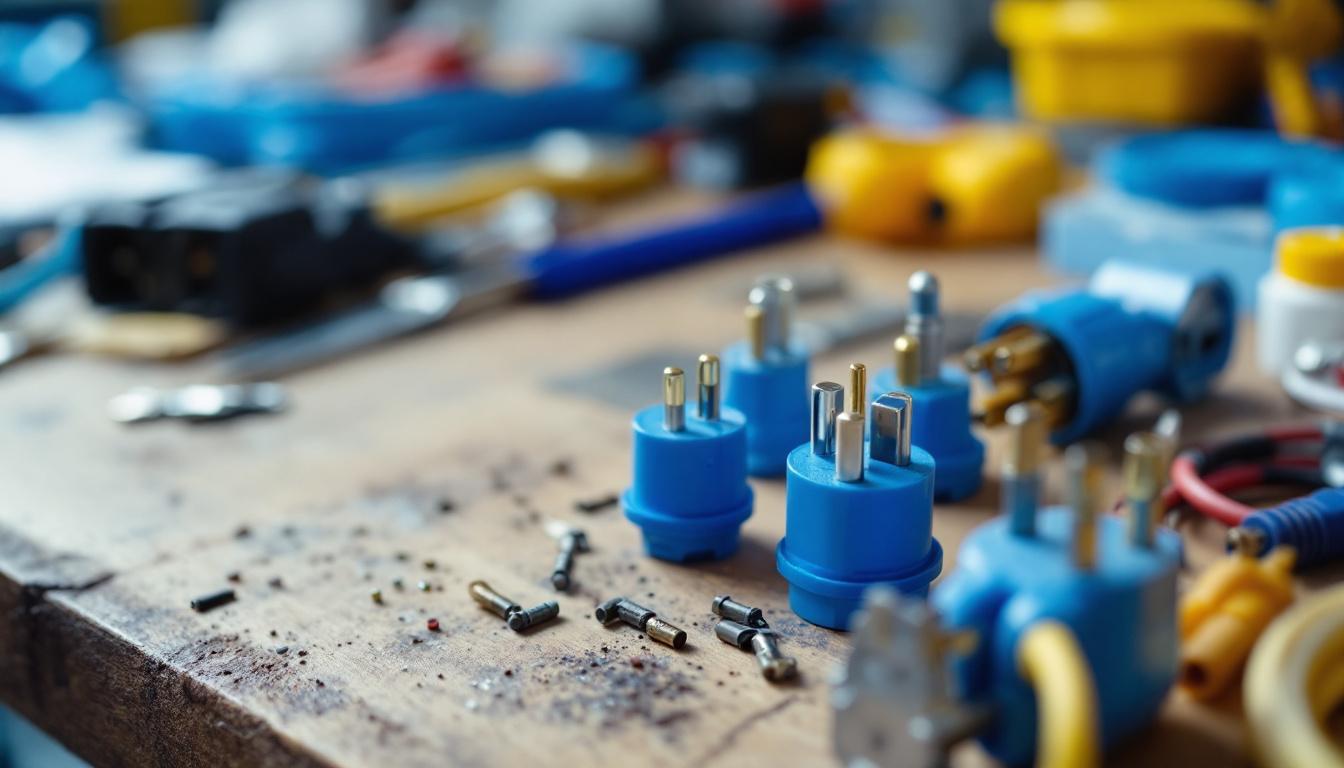
Electrical plugs vary primarily by region, voltage, and current capacity. For lighting contractors operating in regions with standardized plug types, it is essential to understand the specifications of commonly used plugs such as Type A, B, C, and G. Each type has distinct pin configurations and grounding features that affect compatibility and safety.
For instance, Type G plugs, prevalent in the UK and other countries, feature three rectangular pins and an integrated fuse, enhancing safety by preventing overcurrent situations. In contrast, Type C plugs, widely used in Europe, are two-pin and ungrounded, suitable for low-power lighting applications but less ideal for heavy-duty fixtures. Additionally, contractors should be aware of the implications of using adapters or converters, as these can introduce risks if not used correctly, potentially leading to equipment damage or safety hazards.
Varieties of Switches and Their Applications
Switches are equally diverse, ranging from simple single-pole switches to complex multi-way and programmable smart switches. Single-pole switches control one circuit from a single location and are the most common in residential lighting. Three-way and four-way switches allow control of lighting from multiple locations, a feature often used in hallways or large rooms.
Dimmer switches provide adjustable light levels, contributing to ambiance control and energy savings. Meanwhile, occupancy sensors and smart switches integrate automation and remote control capabilities, aligning with modern smart home trends and energy management strategies. As energy efficiency becomes increasingly important, the role of these advanced switches is expanding, with features such as scheduling, remote access via mobile apps, and integration with other smart devices, allowing homeowners to optimize their lighting systems for both convenience and sustainability. Furthermore, understanding the installation requirements and compatibility of these switches with existing electrical systems is crucial for ensuring a seamless upgrade and maximizing the benefits of modern technology.
Safety Standards and Compliance: What Lighting Contractors Must Know
Adhering to safety standards is non-negotiable in electrical installations. Lighting contractors must be well-versed in national and international electrical codes, such as the National Electrical Code (NEC) in the United States or the BS 7671 in the United Kingdom. These codes dictate the minimum safety requirements for plugs and switches, including grounding, insulation, and current ratings. Understanding these codes not only ensures compliance but also enhances the overall safety and reliability of the electrical systems being installed.
Using components that meet recognized certification marks, such as UL, CE, or CSA, ensures compliance and reduces liability risks. Additionally, understanding the importance of correct fuse ratings in plugs and the proper installation of switches can prevent electrical fires and equipment damage. It is essential for contractors to stay updated with any changes in these regulations, as they can evolve to address new technologies and safety concerns, thus ensuring that their installations remain compliant and safe over time.
Grounding and Earthing Considerations
Proper grounding is crucial for safety, especially in lighting installations involving metal fixtures or damp environments. Grounded plugs and switches reduce the risk of electric shock by providing a path for fault currents. Lighting contractors should verify that all plugs and switches used comply with grounding requirements and that installations maintain continuity of the grounding conductor. Regular testing of grounding systems is also advisable, as corrosion or physical damage can compromise their effectiveness over time. This proactive approach can significantly mitigate risks associated with electrical faults.
Environmental and Usage Factors
Lighting contractors must also consider the environment in which plugs and switches will be installed. Outdoor or industrial settings may require weatherproof or explosion-proof components. IP (Ingress Protection) ratings provide guidance on the suitability of plugs and switches for exposure to dust, moisture, or chemicals. For instance, in environments where high humidity or corrosive substances are present, selecting components with higher IP ratings can prevent premature failure and ensure longevity. Furthermore, understanding the specific needs of each installation site, such as temperature extremes or potential exposure to physical impacts, allows contractors to choose the most appropriate materials and designs for their lighting systems.
Moreover, the choice of lighting technology can also influence safety and compliance. For example, LED fixtures often come with integrated safety features that can enhance energy efficiency while minimizing heat generation, thus reducing fire hazards. Contractors should be knowledgeable about the latest advancements in lighting technology and how they can be leveraged to meet safety standards effectively. By integrating smart lighting solutions, contractors can not only comply with safety regulations but also provide added functionalities, such as automated shut-off features that further enhance safety in various settings.
Installation Best Practices for Electrical Plugs and Switches
Proper installation techniques are vital for the longevity and reliability of lighting systems. Lighting contractors should follow manufacturer guidelines and industry best practices to ensure secure connections, correct wiring, and optimal placement of plugs and switches. This attention to detail not only enhances the performance of the electrical system but also contributes to overall safety, reducing the likelihood of electrical fires or failures that could lead to costly repairs or hazardous situations.
Wiring and Connection Techniques
Using the correct wire gauge and ensuring tight, corrosion-free connections reduce the risk of overheating and electrical faults. Lighting contractors should employ tools such as wire strippers, voltage testers, and torque screwdrivers to achieve precise and safe installations. Additionally, utilizing heat-shrink tubing or electrical tape can provide an extra layer of protection against moisture and environmental factors that may compromise the integrity of connections over time. Regular inspections of wiring and connections can also help identify potential issues before they escalate, ensuring the system remains reliable and efficient.
Labeling circuits and documenting installations help in future maintenance and troubleshooting, enhancing service quality and client satisfaction. By creating a comprehensive wiring diagram and maintaining an updated log of any modifications made during installation, contractors can streamline the process of diagnosing problems and implementing repairs, ultimately saving time and resources for both the contractor and the client.
Ergonomics and Accessibility
Switch placement should consider user convenience and accessibility, adhering to standards for height and location. For example, switches in commercial buildings often need to comply with accessibility codes such as the Americans with Disabilities Act (ADA), ensuring they are reachable by all users. This consideration extends beyond just height; the placement should also account for the layout of the space, ensuring that switches are easily reachable from common areas and do not obstruct pathways. Furthermore, incorporating tactile or visual indicators on switches can assist those with visual impairments, promoting inclusivity and usability in all environments.
In residential settings, it is equally important to consider the habits and routines of the occupants. For instance, placing light switches near entry points or in logical sequences can enhance the user experience, allowing for intuitive control of lighting as individuals move through the space. Additionally, smart home technology offers innovative solutions for accessibility, enabling homeowners to control lighting through voice commands or mobile applications, further enhancing convenience and adaptability in modern living environments.
Emerging Trends: Smart Switches and Energy-Efficient Plugs
The lighting industry is rapidly evolving with the integration of smart technologies and energy-efficient solutions. Lighting contractors must stay informed about these trends to offer clients modern, sustainable options that enhance control and reduce energy consumption.
Smart Switches: Features and Benefits
Smart switches offer remote control via smartphones, voice assistants, and automation schedules. They enable features such as dimming, scene setting, and integration with other smart home devices. For contractors, installing smart switches may involve additional considerations such as network compatibility and power requirements.
These devices also contribute to energy savings by allowing users to monitor and adjust lighting usage, reducing unnecessary consumption.
Energy-Efficient Plug Designs
Energy-efficient plugs incorporate features like low standby power consumption and surge protection. Some designs include built-in timers or remote control capabilities, enabling users to disconnect power completely when devices are not in use, thus preventing phantom loads.
Lighting contractors can advise clients on these options to enhance overall energy management and reduce utility costs.
Common Challenges and Troubleshooting Tips for Lighting Contractors
Despite best efforts, issues with plugs and switches can arise during or after installation. Recognizing common problems and knowing how to address them is crucial for maintaining professional standards and client trust.
Frequent Issues with Electrical Plugs
Loose connections, worn contacts, and incorrect fuse ratings are common causes of plug failures. Contractors should inspect plugs for signs of overheating, discoloration, or physical damage during installation and routine maintenance.
Replacing faulty plugs promptly and ensuring compatibility with connected devices prevents hazards and system downtime.
Switch Malfunctions and Remedies
Switches may fail due to mechanical wear, dust accumulation, or wiring errors. Symptoms include flickering lights, intermittent operation, or complete failure to control circuits. Cleaning contacts, tightening connections, or replacing defective switches are standard remedies.
In cases involving smart switches, firmware updates or network troubleshooting may be necessary to restore functionality.
Conclusion: Empowering Lighting Contractors with Knowledge
Electrical plugs and switches are more than mere accessories in lighting installations; they are critical components that influence safety, functionality, and energy efficiency. For lighting contractors, mastering the essential facts about these devices—from types and standards to installation techniques and emerging technologies—is key to delivering superior service and staying competitive in the evolving electrical landscape.
By prioritizing safety compliance, embracing innovation, and honing troubleshooting skills, lighting contractors can ensure that their installations not only illuminate spaces effectively but also uphold the highest standards of quality and reliability.
Upgrade Your Lighting Projects with LumenWholesale
Ready to elevate your lighting installations with the highest quality electrical plugs, switches, and lighting products? Look no further than LumenWholesale, where we provide contractors with spec-grade lighting essentials at unbeatable wholesale prices. Our commitment to cutting out the middleman means you get the best value without inflated markups. With our extensive selection that meets rigorous industry standards and the convenience of free shipping on bulk orders, you can trust that you’re investing in reliability and performance for every project. Don’t settle for less—choose LumenWholesale for the perfect combination of quality, affordability, and convenience. Discover our premium lighting solutions and take advantage of the best value by visiting Wholesale Lighting at the Best Value today.