In the world of electrical installations, lighting fixtures play a crucial role in both functionality and aesthetics. For lighting contractors, understanding the nuances of electrical fixtures is essential to avoid common pitfalls that can lead to costly mistakes and unsatisfied clients. This guide aims to provide insights and practical advice to help lighting contractors navigate the complexities of electrical fixture installations.
Understanding Electrical Fixtures
Electrical fixtures encompass a wide range of devices, including ceiling lights, wall sconces, chandeliers, and outdoor lighting. Each fixture has specific requirements and characteristics that must be considered during installation. A thorough understanding of these elements is vital for ensuring safety and compliance with local codes.
The Importance of Compliance
Compliance with electrical codes is non-negotiable. Local regulations dictate how fixtures should be installed to ensure safety and reliability. Lighting contractors must familiarize themselves with the National Electrical Code (NEC) and any local amendments that may apply. Failure to adhere to these codes can result in fines, project delays, or even dangerous situations.
Moreover, understanding the specific requirements for different types of fixtures can help prevent issues. For instance, outdoor fixtures may need to be rated for wet locations, while certain indoor fixtures may require specific mounting methods or types of wiring. Always consult the manufacturer’s instructions and local codes before proceeding with any installation.
Types of Electrical Fixtures
There is a wide variety of electrical fixtures available, each designed for specific applications. Familiarity with these types can help contractors make informed decisions when selecting fixtures for a project. Common categories include:
- Ambient Lighting: These fixtures provide general illumination, such as ceiling-mounted lights or recessed lighting.
- Task Lighting: Designed to illuminate specific areas for tasks, examples include desk lamps and under-cabinet lights.
- Accent Lighting: Used to highlight specific features or areas, such as artwork or architectural details.
Understanding the purpose and function of each type of fixture can aid in selecting the right fixtures for the desired ambiance and functionality of a space. Additionally, the choice of fixture can significantly impact energy efficiency and overall aesthetic appeal. For example, LED fixtures not only consume less power but also offer a longer lifespan compared to traditional incandescent bulbs, making them a popular choice for both residential and commercial spaces.
Furthermore, the design of electrical fixtures has evolved significantly over the years. Modern fixtures often incorporate smart technology, allowing users to control lighting through mobile apps or voice commands. This integration of technology not only enhances convenience but also allows for customizable lighting scenarios that can adapt to different activities or moods. As energy conservation becomes increasingly important, the trend towards energy-efficient fixtures continues to grow, making it essential for contractors to stay updated on the latest advancements in lighting technology.
Common Installation Pitfalls
Even seasoned lighting contractors can encounter pitfalls during installation. Recognizing these common issues can help prevent mistakes that lead to rework or client dissatisfaction.
Improper Wiring Techniques
One of the most significant issues that can arise during fixture installation is improper wiring. This can lead to flickering lights, blown fuses, or even electrical fires. It is crucial to ensure that all wiring is done according to code and that connections are secure.
Contractors should also be aware of the wire gauge needed for different fixtures. Using the wrong gauge can result in overheating and potential hazards. Always double-check the manufacturer’s specifications and ensure that the correct wire is used for the load required by the fixture.
Neglecting Load Calculations
Another common pitfall is neglecting load calculations. Each electrical circuit has a maximum load capacity, and exceeding this limit can lead to circuit failure or fire hazards. Before installing multiple fixtures on a single circuit, contractors should calculate the total wattage and ensure it does not exceed the circuit’s capacity.
Utilizing a load calculator can simplify this process, allowing contractors to efficiently determine the appropriate number of fixtures that can be safely installed on a circuit. This proactive approach can save time and prevent potential hazards down the line.
Overlooking Fixture Placement
The placement of fixtures is critical for achieving the desired lighting effect. Overlooking this aspect can result in uneven lighting, shadows, or glare. It is essential to consider the function of the space and the intended use of each fixture when determining placement.
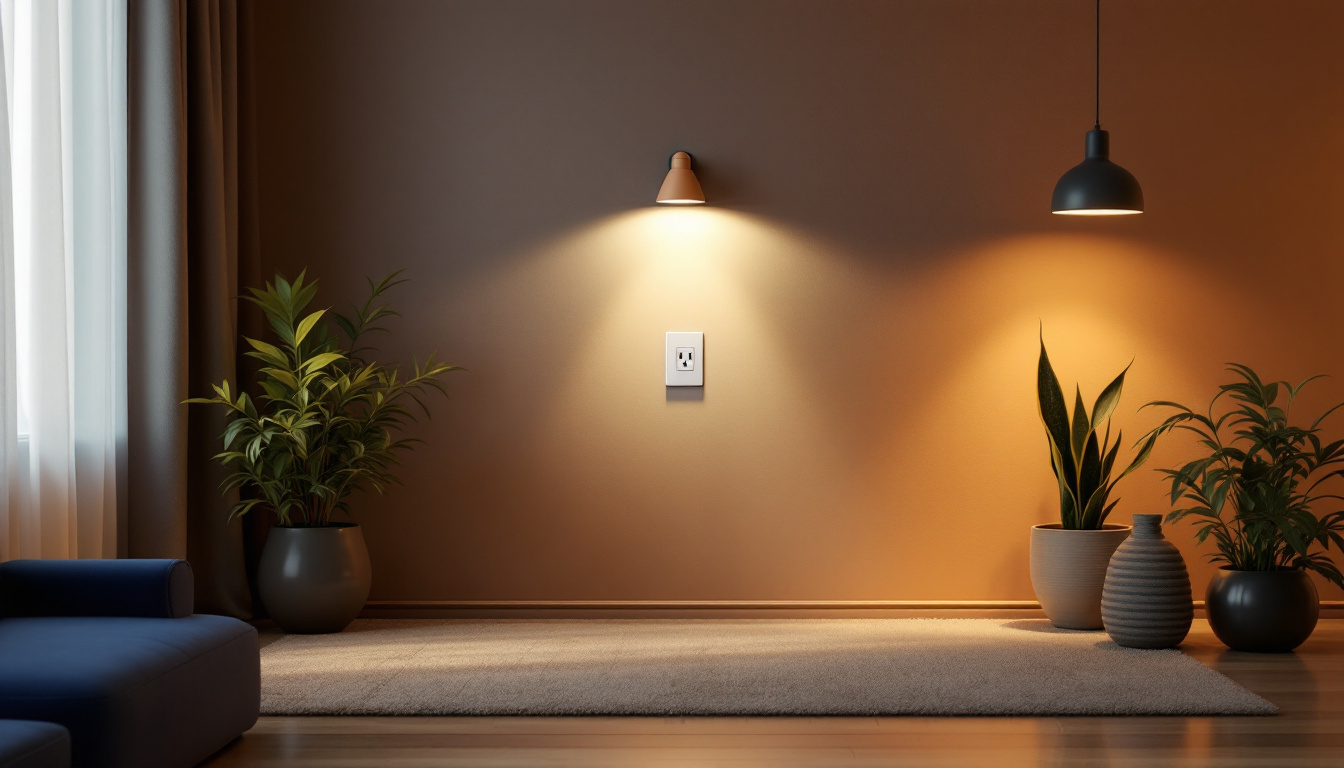
For example, in a kitchen, task lighting should be positioned to illuminate work surfaces, while ambient lighting can provide overall illumination. In contrast, a living room may benefit from layered lighting, combining ambient, task, and accent fixtures to create a warm and inviting atmosphere. Planning the layout carefully can significantly enhance the overall effectiveness of the lighting design.
Choosing the Right Fixtures
Selecting the appropriate fixtures is paramount for ensuring both functionality and aesthetics. With a myriad of options available, lighting contractors must consider several factors when making their choices.
Assessing Client Needs
Understanding the client’s needs and preferences is the first step in selecting the right fixtures. This involves discussing their vision for the space, the intended use of the lighting, and any specific styles or features they desire. Engaging in open communication can help contractors tailor their recommendations to meet the client’s expectations.
Additionally, understanding the architectural style of the space can guide fixture selection. For example, a modern home may benefit from sleek, minimalist fixtures, while a traditional space may call for more ornate designs. Aligning the fixtures with the overall aesthetic of the home can enhance the client’s satisfaction with the final result.
Energy Efficiency Considerations
In today’s environmentally conscious market, energy efficiency is a significant consideration when selecting fixtures. LED lighting has become increasingly popular due to its longevity and low energy consumption. Contractors should educate clients on the benefits of energy-efficient fixtures, including potential cost savings on energy bills and reduced environmental impact.
Moreover, many local governments offer incentives for energy-efficient upgrades, which can be a selling point for clients. By promoting energy-efficient fixtures, contractors can position themselves as knowledgeable professionals who prioritize sustainability.
Quality and Durability
Not all fixtures are created equal, and quality should never be compromised. Investing in high-quality fixtures can lead to fewer issues down the line, resulting in happier clients and a better reputation for the contractor. When selecting fixtures, consider factors such as materials, construction quality, and warranty offerings.
Additionally, it is essential to choose fixtures that are appropriate for the specific environment in which they will be installed. For instance, outdoor fixtures should be weather-resistant, while bathroom fixtures should be rated for damp locations. Ensuring that the right fixtures are selected for their intended use can prevent premature failures and costly replacements.
Installation Best Practices
Once the right fixtures have been selected, following best practices during installation is crucial for achieving optimal results. Adhering to proper techniques can minimize the risk of errors and enhance the overall quality of the installation.
Pre-Installation Preparation
Before beginning the installation process, thorough preparation is key. This includes reviewing the project plans, ensuring all necessary tools and materials are on hand, and confirming that the electrical supply has been turned off. Taking these steps can streamline the installation process and help prevent accidents.
Additionally, conducting a site assessment can identify any potential challenges that may arise during installation. This proactive approach allows contractors to develop solutions in advance, reducing the likelihood of delays or complications.
Proper Fixture Mounting
Correctly mounting fixtures is essential for both safety and functionality. Each fixture will have specific mounting instructions that should be followed closely. Using the appropriate hardware and ensuring that fixtures are securely attached can prevent accidents and ensure longevity.
For heavier fixtures, such as chandeliers, it may be necessary to install additional support to prevent sagging or detachment. Taking the time to ensure that fixtures are properly mounted can save time and money in the long run.
Testing and Final Adjustments
After installation, thorough testing is crucial. This includes checking all connections, ensuring that fixtures are functioning correctly, and making any necessary adjustments. It is also advisable to review the lighting effects with the client to ensure satisfaction.
Final adjustments may include repositioning fixtures or changing bulb types to achieve the desired lighting effect. Taking the time to make these adjustments can enhance the overall quality of the installation and leave a lasting impression on the client.
Post-Installation Follow-Up
Once the installation is complete, following up with clients can foster positive relationships and encourage future business. This step is often overlooked but can significantly impact client satisfaction.
Client Education
Educating clients on the proper use and maintenance of their new fixtures is essential. Providing information on bulb replacement, cleaning, and troubleshooting can empower clients to take care of their lighting systems effectively. This not only enhances their satisfaction but also reduces the likelihood of service calls for minor issues.
Additionally, contractors can offer recommendations for energy-saving practices, such as using dimmers or timers, which can further enhance the client’s experience and satisfaction with their lighting system.
Soliciting Feedback
Soliciting feedback from clients is an invaluable practice. This can provide insights into their experience and highlight areas for improvement. Whether through a formal survey or a casual conversation, gathering feedback can help contractors refine their processes and enhance future projects.
Moreover, positive testimonials can be powerful marketing tools. Satisfied clients are often willing to share their experiences, which can attract new business and build a contractor’s reputation in the industry.
Conclusion
Electrical fixture installations can be complex, but avoiding common pitfalls can lead to successful projects and satisfied clients. By understanding the nuances of fixture selection, installation best practices, and post-installation follow-up, lighting contractors can enhance their skills and improve their services.
Ultimately, a commitment to quality, compliance, and client satisfaction will set a contractor apart in a competitive market. Embracing these principles can lead to lasting relationships with clients and a thriving business in the ever-evolving world of electrical fixtures.
Illuminate Your Projects with LumenWholesale
Ready to elevate your lighting installations with products that blend quality, affordability, and convenience? Look no further than LumenWholesale for all your lighting needs. Our spec-grade lighting solutions are designed to meet the highest industry standards, ensuring your projects shine with reliability and performance. Say goodbye to inflated markups and hello to unbeatable wholesale prices, with the added benefit of free shipping on bulk orders. Don’t compromise on quality or value—choose LumenWholesale and make your next project a beacon of success. Discover our extensive selection and take advantage of the best value in lighting by visiting Wholesale Lighting at the Best Value today.