Understanding Electric Wire Fishing: The Foundation of Efficient Lighting Installations
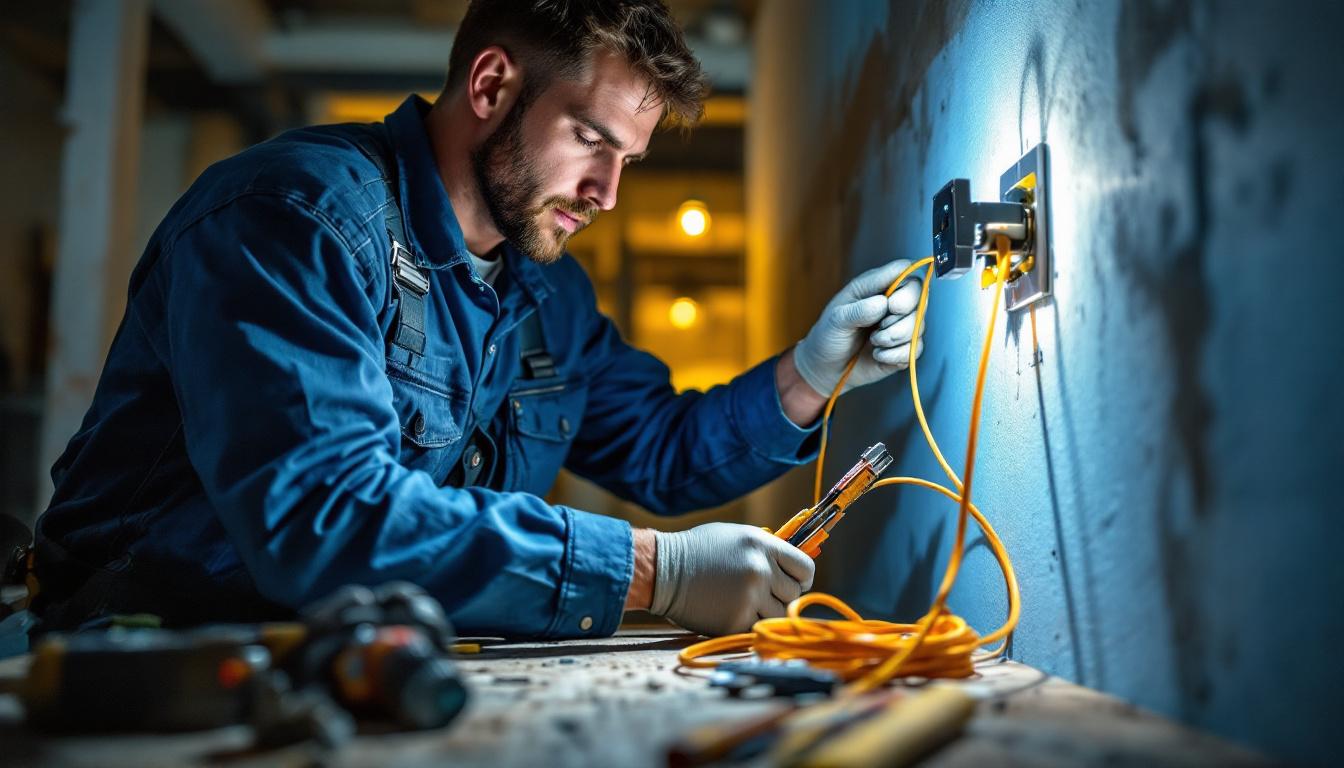
Electric wire fishing is an essential skill for lighting contractors, enabling the installation of wiring through walls, ceilings, and conduits with precision and minimal disruption. This technique involves guiding electrical cables through confined spaces, often hidden from view, to connect lighting fixtures, switches, and power sources. Mastery of wire fishing not only ensures compliance with electrical codes but also enhances the safety and reliability of lighting systems.
For lighting contractors, the ability to fish wires efficiently can significantly reduce labor time and material waste. It also minimizes the need for invasive wall or ceiling damage, which is particularly important in residential and commercial settings where aesthetics are paramount. Understanding the nuances of wire fishing empowers contractors to deliver high-quality installations that stand the test of time.
The Role of Wire Fishing in Lighting Projects
Lighting installations often require running wires through complex building structures. Whether retrofitting an existing building or installing new lighting in a construction project, wire fishing is the method that makes this possible without tearing down walls or ceilings. It allows contractors to navigate obstacles such as studs, insulation, and other utilities, ensuring that wiring paths are both safe and efficient.
Furthermore, proper wire fishing techniques help maintain the integrity of fire barriers and insulation, which are critical for meeting building codes and ensuring occupant safety. For lighting contractors, this means balancing the technical demands of electrical work with the structural considerations of the building.
In addition to the technical aspects, wire fishing also requires a keen understanding of the tools and materials involved. Contractors often utilize specialized equipment such as fish tapes, pull strings, and flexible rods to facilitate the process. Each tool serves a unique purpose, whether it’s creating a path for the wire or providing a means to pull the wire through tight spaces. Familiarity with these tools not only enhances efficiency but also minimizes the risk of damaging existing structures or utilities during the installation process.
Moreover, the success of wire fishing is greatly influenced by the contractor’s planning and preparation. Before commencing a project, a thorough assessment of the building’s layout and existing electrical systems is crucial. This preemptive approach allows contractors to anticipate potential challenges and devise strategies to overcome them, ensuring a smoother installation process. By integrating careful planning with skilled execution, lighting contractors can achieve optimal results that not only meet client expectations but also adhere to industry standards.
Essential Tools and Techniques for Successful Wire Fishing
Having the right tools and mastering effective techniques are the cornerstones of successful electric wire fishing. Lighting contractors should equip themselves with a combination of traditional and modern tools to handle a variety of scenarios.
Key Tools for Wire Fishing
Fish Tape: This is the most common tool used for wire fishing. Made of a flexible steel or fiberglass tape, it can be pushed through conduit or behind walls to pull wires through tight spaces. Fiberglass fish tapes are non-conductive, making them safer to use around live circuits.
Wire Pulling Lubricant: Lubricants reduce friction when pulling wires through long conduits or tight bends, preventing damage to the wire insulation. Using the right lubricant can make a significant difference in the ease and safety of wire fishing.
Fish Rods: These are flexible fiberglass rods that can be connected to extend their length. They are especially useful in fishing wires through walls, ceilings, or conduit systems where fish tape may not be effective.
Wire Pulling Grips: Also known as cable socks, these grips securely attach to the end of a wire bundle, allowing for smooth and controlled pulling through conduits.
Inspection Cameras: Modern inspection cameras or borescopes allow contractors to visually inspect the path inside walls or conduits, identifying obstructions or confirming the wire’s position without invasive measures.
Techniques to Enhance Wire Fishing Efficiency
Successful wire fishing requires more than just tools; it demands technique and planning. Lighting contractors should start by mapping out the wiring path, identifying potential obstacles such as cross-bracing, insulation, or existing utilities.
When using fish tape, it is important to feed it gently to avoid kinks or snags. If resistance is encountered, retracting and repositioning the tape can prevent damage. For longer runs, using wire pulling lubricant can facilitate smoother wire movement.
In situations where walls or ceilings are accessible, creating small inspection holes can help guide fish rods or cables more accurately. These holes can be patched afterward, minimizing visible damage.
Additionally, employing a two-person team can improve efficiency and safety. One person can feed the fish tape or rods, while the other pulls the wire, ensuring smooth coordination and reducing the risk of wire damage.
Common Challenges in Wire Fishing and How to Overcome Them
Lighting contractors frequently encounter challenges during wire fishing that can delay projects or compromise safety. Anticipating these issues and preparing solutions is vital for maintaining workflow and quality.
Obstructions and Tight Spaces
One of the most common challenges is navigating obstructions such as cross-bracing, insulation, or other utilities within walls and ceilings. These obstacles can cause the fish tape or rods to snag, making wire fishing difficult or impossible.
To overcome this, contractors should use inspection cameras to identify obstructions before attempting to fish wires. In some cases, alternative wiring routes may be necessary. Using flexible fish rods or segmented rods can help maneuver around tight spots more effectively.
Long Wire Runs and Friction Issues
Long conduit runs increase friction, making it harder to pull wires through without damaging them. Excessive force can lead to insulation tears or conductor damage, which compromises electrical safety.
Applying wire pulling lubricant is essential in these scenarios. Additionally, using wire pulling grips ensures that the wire bundle is pulled evenly, reducing stress on individual conductors. Breaking long runs into shorter segments with accessible pull boxes can also alleviate friction problems.
Working in Live Circuits
Wire fishing near live electrical circuits poses safety risks, including electric shock or short circuits. Lighting contractors must adhere to strict safety protocols, such as de-energizing circuits before fishing wires whenever possible.
When working near live circuits is unavoidable, using non-conductive fish tapes made of fiberglass and wearing appropriate personal protective equipment (PPE) are critical safety measures. Proper training and adherence to electrical codes further mitigate risks.
Best Practices for Wire Fishing in Lighting Installations
Adopting best practices ensures that wire fishing is performed efficiently, safely, and in compliance with industry standards. These practices contribute to the overall success of lighting projects and client satisfaction.
Planning and Documentation
Before beginning wire fishing, comprehensive planning is essential. Contractors should review building plans, electrical schematics, and local codes to determine the optimal wiring paths. Documenting these plans helps coordinate with other trades and prevents costly mistakes.
Marking access points and potential obstacles on the plans allows for strategic placement of pull boxes or inspection holes. This foresight reduces the likelihood of unexpected issues during installation.
Maintaining Code Compliance
Electrical codes govern wire types, conduit usage, and installation methods to ensure safety and performance. Lighting contractors must stay updated with the latest codes and standards relevant to their region.
For example, codes often specify minimum bend radii for conduits to prevent wire damage, maximum fill capacities, and requirements for securing and supporting cables. Adhering to these regulations not only ensures safety but also avoids costly rework or inspection failures.
Minimizing Damage and Restoring Surfaces
Wire fishing can sometimes require creating access points in walls or ceilings. Minimizing the size and number of these openings preserves the building’s aesthetics and reduces repair costs.
Using precise cutting tools and patching materials designed for drywall or plaster helps restore surfaces seamlessly after wire installation. Communicating with clients about these steps enhances trust and satisfaction.
Emerging Technologies and Innovations in Wire Fishing
The field of electric wire fishing continues to evolve with technological advancements that improve efficiency, safety, and accuracy. Lighting contractors who embrace these innovations can gain a competitive edge.
Advanced Inspection Tools
High-resolution inspection cameras with flexible probes allow contractors to navigate complex conduit systems and wall cavities visually. These devices can detect obstructions, verify wire placement, and reduce guesswork, saving time and preventing damage.
Wireless and Smart Lighting Solutions
While not a direct replacement for wire fishing, the rise of wireless and smart lighting systems is influencing installation practices. These systems often require fewer wires or utilize low-voltage wiring, simplifying some aspects of the installation.
However, traditional wire fishing skills remain indispensable for powering primary lighting circuits and integrating smart components effectively.
Robotic Wire Fishing Devices
Emerging robotic tools designed to navigate conduits autonomously are beginning to enter the market. These devices can carry cameras and wire-pulling mechanisms, reducing manual labor and increasing precision in challenging environments.
Though still in early adoption stages, these innovations promise to transform wire fishing practices in the near future.
Conclusion: Mastering Wire Fishing for Lighting Contractors’ Success
Electric wire fishing is a fundamental aspect of lighting installation that directly impacts project quality, safety, and efficiency. For lighting contractors, developing expertise in wire fishing techniques, utilizing the right tools, and staying abreast of industry standards are critical to delivering superior results.
By understanding common challenges and adopting best practices, contractors can minimize delays, reduce damage, and ensure code compliance. Embracing new technologies further enhances their capabilities, positioning them for success in a competitive market.
Ultimately, proficiency in electric wire fishing not only benefits contractors but also leads to safer, more reliable, and aesthetically pleasing lighting installations that satisfy clients and stand the test of time.
Get Your Premium Lighting Supplies at LumenWholesale
Ready to elevate your lighting installations with the best tools and materials in the industry? Look no further than LumenWholesale. Our extensive selection of spec-grade lighting products is designed to meet the needs of professionals like you, offering unparalleled quality and value. Say goodbye to middleman markups and hello to competitive wholesale prices, free shipping, and the convenience you deserve. For your next electric wire fishing project, choose LumenWholesale and experience the difference. Visit us now at Wholesale Lighting at the Best Value and make your next lighting project a shining success.