Lighting plays a pivotal role in enhancing the functionality and aesthetics of any space. Among the various lighting solutions available, drop ceiling lighting has emerged as a popular choice, particularly in commercial and industrial settings. This article explores the different drop ceiling lighting options and emphasizes their critical role in lighting installations.
Understanding Drop Ceilings
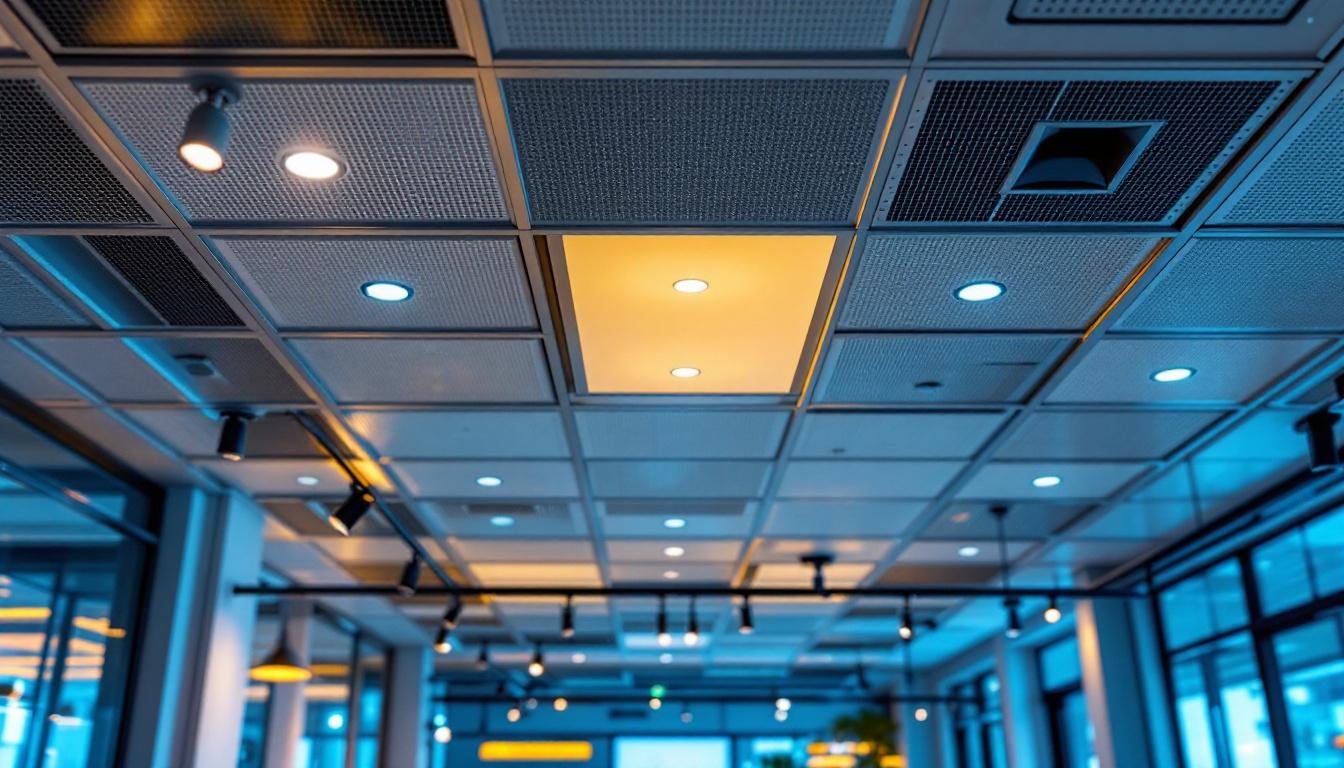
Drop ceilings, also known as suspended ceilings, consist of a grid system that supports lightweight ceiling tiles. This design allows for easy access to plumbing, electrical wiring, and HVAC systems, making it an ideal choice for commercial buildings. The versatility of drop ceilings not only enhances the architectural appeal of a space but also provides an excellent platform for various lighting solutions. In recent years, drop ceilings have evolved to incorporate modern materials and designs, allowing for greater customization and integration with contemporary interior styles.
The Structure of Drop Ceilings
The grid system of a drop ceiling is typically made from metal and is suspended from the original ceiling. This creates a space between the original ceiling and the drop ceiling, allowing for the installation of lighting fixtures, which can be flush-mounted or recessed. The choice of tiles can vary, with options ranging from acoustic tiles to decorative finishes, providing opportunities to blend aesthetics with functionality. Furthermore, advancements in tile technology have introduced options that are not only lightweight but also eco-friendly, contributing to sustainable building practices.
Benefits of Drop Ceilings
One of the primary advantages of drop ceilings is their ability to conceal unsightly elements such as ductwork, pipes, and electrical wiring. This not only creates a cleaner look but also enhances the overall design of the space. Additionally, the accessibility of the ceiling grid allows for easy maintenance and upgrades, a crucial factor for lighting contractors who must ensure that installations remain functional over time. Beyond aesthetics, drop ceilings also offer sound-dampening qualities, making them a preferred choice in environments where noise reduction is essential, such as offices, schools, and healthcare facilities. The acoustic tiles can significantly improve sound quality within a space, creating a more comfortable and productive atmosphere for occupants.
Types of Drop Ceiling Lighting Options
When it comes to lighting options for drop ceilings, several types can be employed, each with its unique benefits and applications. Understanding these options is essential for lighting contractors aiming to provide the best solutions for their clients.
Recessed Lighting
Recessed lighting, also known as can lighting or pot lighting, is a popular choice for drop ceilings. These fixtures are installed above the ceiling tiles, creating a clean and modern look. Recessed lights can be used for general illumination or accent lighting, depending on the design and layout of the space.
One of the significant advantages of recessed lighting is its ability to provide even illumination without taking up valuable floor space. This makes it an ideal option for areas with low ceilings or where aesthetics are a priority. Furthermore, the use of LED technology in recessed fixtures can lead to significant energy savings, making it a sustainable choice for commercial installations. Additionally, recessed lighting can be dimmable, allowing for adjustable brightness levels that can enhance the mood of a room, making it suitable for various activities—from focused work to relaxed gatherings.
Panel Lighting
Panel lighting fixtures are designed to fit seamlessly into the grid of a drop ceiling. These fixtures come in various sizes and shapes, providing flexibility in design. Panel lights are particularly effective in large spaces, offering uniform light distribution and a sleek appearance.
These fixtures are often available in LED options, which not only consume less energy but also have a longer lifespan compared to traditional fluorescent lights. The ability to choose from different color temperatures allows contractors to customize the lighting to meet the specific needs of a space, whether it be a warm ambiance for a reception area or a cooler tone for workspaces. Moreover, panel lights can be integrated with advanced controls, such as occupancy sensors and daylight harvesting systems, which further enhance energy efficiency and user comfort by automatically adjusting light levels based on the presence of people or the amount of natural light available.
Troffer Lighting
Troffer lights are another popular option for drop ceilings. These rectangular fixtures are designed to fit into the ceiling grid and are commonly used in commercial settings such as offices, schools, and hospitals. Troffer lights provide excellent illumination and can be equipped with various lighting technologies, including fluorescent, LED, or even smart lighting systems.
One of the key benefits of troffer lighting is its efficiency in illuminating large areas. The design allows for even light distribution, reducing shadows and creating a more comfortable environment for occupants. Additionally, many troffer fixtures are designed to be energy-efficient, aligning with the growing demand for sustainable building practices. The versatility of troffer lighting also extends to its compatibility with various dimming systems and smart technology, allowing for tailored lighting solutions that can adapt to different activities throughout the day. This adaptability not only enhances functionality but also contributes to the overall well-being of individuals in the space by providing the right light for the right task.
Considerations for Lighting Installation
When selecting drop ceiling lighting options, several factors must be considered to ensure a successful installation. These considerations can significantly impact the overall effectiveness of the lighting solution.
Space Functionality
The intended use of the space is a critical factor in determining the appropriate lighting solution. For instance, areas that require focused tasks, such as offices or workstations, may benefit from brighter, more direct lighting, while communal areas like hallways or lounges may require softer, ambient lighting. Understanding the functionality of the space allows contractors to select the most suitable fixtures and configurations.
Energy Efficiency
With the increasing emphasis on sustainability, energy efficiency has become a top priority for many clients. Selecting lighting options that utilize LED technology can significantly reduce energy consumption and lower utility costs. Additionally, incorporating smart lighting controls, such as dimmers and occupancy sensors, can further enhance energy savings by ensuring lights are only used when needed.
Compliance with Regulations
Lighting contractors must also be aware of local regulations and building codes that govern lighting installations. Compliance with these regulations is crucial to ensure safety and functionality. This includes understanding requirements for emergency lighting, accessibility standards, and energy efficiency mandates. Staying informed about these regulations can help contractors avoid costly mistakes and ensure a smooth installation process.
Trends in Drop Ceiling Lighting
The lighting industry is constantly evolving, and staying abreast of the latest trends can provide contractors with a competitive edge. Several emerging trends in drop ceiling lighting are shaping the future of installations.
Smart Lighting Solutions
Smart lighting technology is gaining traction in both residential and commercial settings. These systems allow for remote control of lighting fixtures through smartphones or smart home devices, enabling users to customize their lighting preferences easily. In drop ceiling installations, incorporating smart lighting can enhance convenience and energy efficiency, making it an appealing option for clients.
Human-Centric Lighting
Human-centric lighting focuses on creating environments that support the well-being and productivity of occupants. This approach considers factors such as color temperature and intensity, mimicking natural light patterns to enhance mood and performance. Lighting contractors can leverage this trend by selecting fixtures that offer tunable white light options, allowing for adjustments based on the time of day and the specific needs of the space.
Decorative and Architectural Lighting
As aesthetics become increasingly important in commercial design, decorative and architectural lighting options are gaining popularity. This trend includes the use of unique fixtures, integrated lighting designs, and creative installations that enhance the overall visual appeal of a space. Contractors can explore various design options that complement the drop ceiling while providing functional lighting solutions.
Installation Best Practices
Successful drop ceiling lighting installations require careful planning and execution. Following best practices can help ensure that the installation process is efficient and that the final outcome meets the client’s expectations.
Planning the Layout
Before installation begins, it is essential to plan the layout of the lighting fixtures carefully. This includes determining the optimal placement of fixtures to achieve even illumination and avoid dark spots. Consideration should also be given to the height of the drop ceiling, the type of fixtures being installed, and any architectural features that may affect light distribution.
Ensuring Proper Wiring and Connections
Proper wiring and connections are crucial for the safety and functionality of the lighting system. Contractors should ensure that all electrical work complies with local codes and standards. Additionally, using high-quality materials and components can help prevent issues down the line, such as flickering lights or circuit failures.
Testing and Adjustments
Once the installation is complete, testing the lighting system is essential to ensure it operates as intended. This includes checking for proper functionality, adjusting brightness levels, and ensuring that all fixtures are securely mounted. Making necessary adjustments during this phase can help avoid potential issues and ensure client satisfaction with the final result.
Conclusion
Drop ceiling lighting options offer a versatile and effective solution for a variety of spaces. Understanding the different types of fixtures available, along with the considerations for installation, can empower lighting contractors to deliver exceptional results. By staying informed about trends and best practices, contractors can enhance their offerings and provide clients with lighting solutions that not only meet their needs but also elevate the overall design and functionality of their spaces.
Illuminate Your Projects with LumenWholesale
Ready to elevate your lighting installations with the best in drop ceiling lighting options? At LumenWholesale, we provide contractors with the highest quality, spec-grade lighting products at prices that can’t be beaten. Say goodbye to local distributor markups and hello to our extensive selection of reliable, high-performance lighting that meets the most rigorous industry standards. Plus, with free shipping on bulk orders, you can secure premium lighting solutions for your projects without any hidden fees. Don’t compromise on quality or value—choose LumenWholesale for the perfect blend of affordability and convenience. Wholesale Lighting at the Best Value is just a click away.