As a lighting contractor, understanding the intricacies of different lighting technologies is crucial for ensuring safety, efficiency, and client satisfaction. Among the various options available, halogen bulbs are a popular choice due to their bright, white light and compact size. However, one question often arises: do halogen bulbs get hot? This article delves into the science behind halogen bulbs, their heat generation, and the implications for lighting installations.
The Basics of Halogen Bulbs
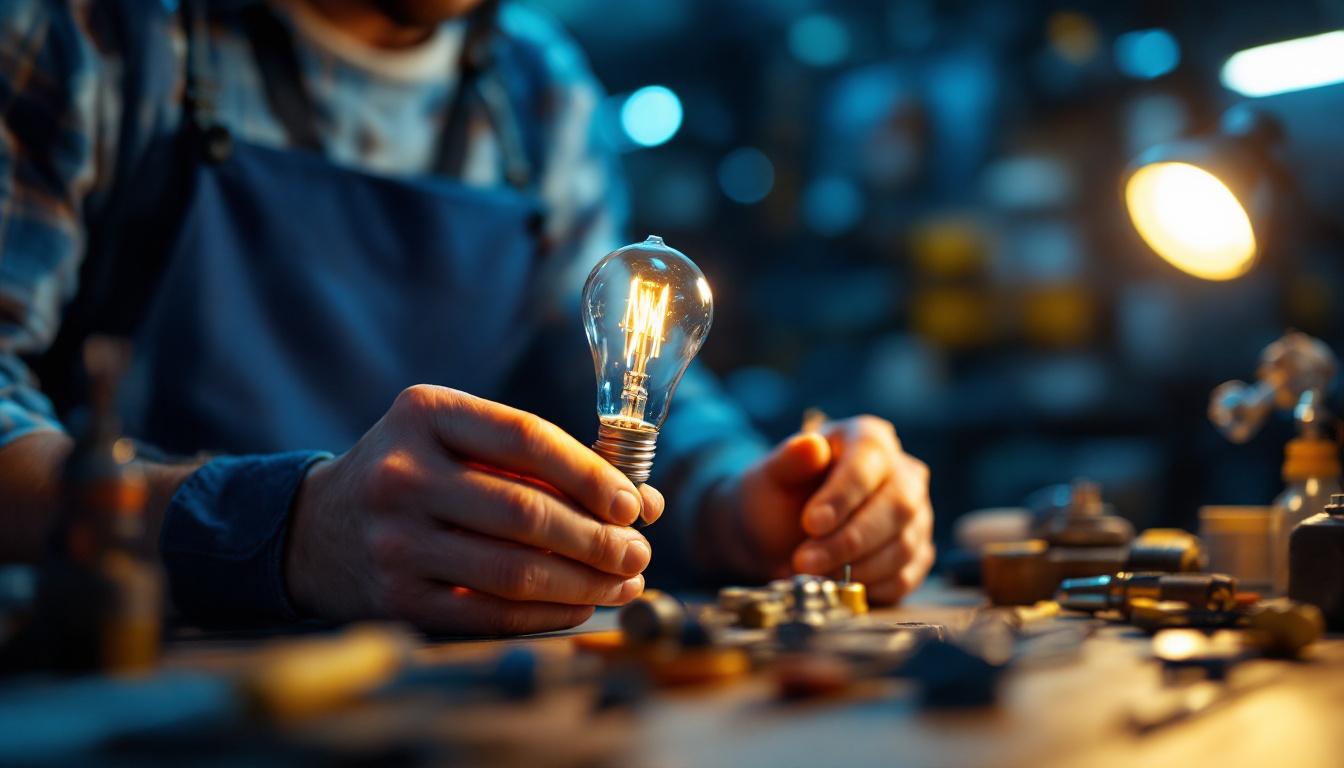
Halogen bulbs are a type of incandescent light bulb that utilizes a halogen gas to enhance performance and longevity. Unlike traditional incandescent bulbs, which rely solely on a tungsten filament, halogen bulbs feature a small amount of halogen gas, typically iodine or bromine, within the bulb. This gas plays a critical role in the bulb’s operation, allowing it to produce light more efficiently and with a longer lifespan. The compact design of halogen bulbs also allows them to emit a bright, white light, making them an excellent choice for various applications, from home lighting to automotive headlights.
How Halogen Bulbs Work
The fundamental principle behind halogen bulbs is relatively straightforward. When electricity passes through the tungsten filament, it heats up and emits light. The halogen gas surrounds the filament and facilitates a chemical reaction that redeposits evaporated tungsten back onto the filament. This process not only prolongs the life of the bulb but also allows it to operate at higher temperatures, resulting in a brighter light output. Additionally, the use of halogen gas means that these bulbs can produce a color temperature that closely resembles natural daylight, making them ideal for tasks that require accurate color representation, such as in art studios or photography.
Heat Generation in Halogen Bulbs
One of the defining characteristics of halogen bulbs is their ability to generate significant heat. This heat is a byproduct of the high temperatures at which the filament operates. In fact, halogen bulbs can reach temperatures of up to 300 degrees Fahrenheit (150 degrees Celsius) or more during normal operation. This heat generation is a crucial factor for lighting contractors to consider, especially when planning installations in confined spaces or near flammable materials. Furthermore, the high heat output can also be leveraged in certain applications, such as in outdoor floodlights or stage lighting, where the intensity of the light is essential for visibility and effect. However, it is important to handle halogen bulbs with care, as the glass can become extremely hot and may pose a burn risk if touched shortly after being turned off.
Moreover, the efficiency of halogen bulbs extends beyond just their light output. They can also be dimmed effectively, providing versatility in lighting design. This feature allows users to adjust the brightness according to their needs, creating the perfect ambiance for any setting, whether it be a cozy living room or a vibrant kitchen. Additionally, halogen bulbs are often favored for their instant-on capability, meaning they reach full brightness immediately upon being switched on, unlike some other types of bulbs that may take time to warm up. This characteristic makes them especially useful in situations where immediate illumination is necessary, such as in hallways or staircases.
Comparative Heat Output
When evaluating the heat output of halogen bulbs, it is beneficial to compare them with other common lighting technologies, such as LED and traditional incandescent bulbs. This comparison provides insight into their relative safety and efficiency, which is essential for making informed decisions in lighting design.
Halogen vs. Incandescent Bulbs
Traditional incandescent bulbs also generate heat, but they do so less efficiently than halogen bulbs. While both types rely on a tungsten filament, halogen bulbs operate at higher temperatures, producing more light per watt consumed. However, this increased efficiency comes at the cost of higher heat output. Lighting contractors must be aware of this difference, as it can impact the choice of fixtures and the placement of bulbs in various environments. Furthermore, the heat generated by halogen bulbs can be beneficial in certain applications, such as in outdoor lighting or in spaces where warmth is desired, like in a cozy restaurant setting. This characteristic can enhance the ambiance while providing adequate illumination, making halogen bulbs a versatile choice in specific contexts.
Halogen vs. LED Bulbs
LED bulbs have gained popularity in recent years due to their energy efficiency and lower heat output. Unlike halogen bulbs, which convert a significant portion of energy into heat, LEDs are designed to emit light with minimal heat generation. This stark contrast makes LEDs a safer option for many applications, particularly in areas where heat buildup could pose a risk. Understanding these differences allows lighting contractors to recommend the most suitable lighting solutions for their clients. Additionally, the longevity of LED bulbs, often lasting up to 25,000 hours or more, significantly reduces the frequency of replacements, which can be a cost-saving benefit for both residential and commercial users. As a result, the initial investment in LED technology can be offset by its durability and efficiency over time, making it an attractive alternative to halogen lighting in many scenarios.
Safety Considerations
Given the high temperatures associated with halogen bulbs, safety considerations are paramount when using them in various applications. Lighting contractors must be vigilant in ensuring that installations adhere to safety standards and best practices to mitigate risks associated with heat generation. The intense heat produced by these bulbs can not only pose a fire hazard but can also lead to premature bulb failure if not managed properly. Therefore, understanding the thermal dynamics of halogen lighting is crucial for both safety and longevity.
Installation Guidelines
When installing halogen bulbs, it is essential to follow specific guidelines to minimize heat-related hazards. Ensure that fixtures are rated for the wattage of the halogen bulbs being used, and avoid placing bulbs too close to flammable materials. Additionally, proper ventilation is crucial in enclosed spaces to dissipate heat effectively. It’s also advisable to use dimmers with halogen bulbs, as this can help control the amount of heat generated, providing a safer and more energy-efficient lighting solution. Regular inspections of the fixtures and bulbs can further enhance safety, allowing for early detection of any potential issues.
Heat-Resistant Fixtures
Using heat-resistant fixtures can significantly reduce the risk of fire hazards associated with halogen bulbs. These fixtures are designed to withstand high temperatures and can help prevent overheating. When selecting fixtures, lighting contractors should look for those specifically labeled for use with halogen bulbs to ensure safety and performance. Furthermore, incorporating materials such as ceramic or high-temperature plastics in the fixture design can provide additional protection against heat damage. It’s also beneficial to consider the placement of fixtures; positioning them in areas with adequate airflow can help maintain lower temperatures and enhance overall safety.
Moreover, the choice of bulb type can also influence safety. For instance, using low-voltage halogen bulbs can reduce the risk of overheating since they operate at lower wattages while still providing bright illumination. Additionally, educating clients about the importance of using the correct wattage and the potential dangers of using higher wattage bulbs in incompatible fixtures can foster a safer environment. By prioritizing these considerations, lighting contractors can ensure not only compliance with safety regulations but also the satisfaction and peace of mind of their clients.
Energy Efficiency and Environmental Impact
As energy efficiency becomes increasingly important in the lighting industry, understanding the environmental impact of halogen bulbs is essential. While halogen bulbs are more efficient than traditional incandescent bulbs, they still consume more energy than LED options. This section explores the energy efficiency of halogen bulbs and their implications for sustainability.
Energy Consumption
Halogen bulbs typically consume more energy than LEDs, which can lead to higher electricity bills for clients. While they are more efficient than standard incandescent bulbs, the energy savings are not as significant as those offered by LED technology. Lighting contractors should consider these factors when advising clients on lighting solutions, especially in commercial or high-use environments. Furthermore, the lifespan of halogen bulbs is generally shorter than that of LEDs, often lasting around 2,000 hours compared to the 25,000 hours or more that LEDs can provide. This shorter lifespan not only contributes to increased replacement costs but also results in more waste, further impacting the environment.
Sustainability Considerations
In an era of increasing environmental awareness, the sustainability of lighting choices is a critical consideration. Halogen bulbs contain no hazardous materials, making them a safer option for disposal compared to some other lighting technologies. However, their higher energy consumption means that they contribute more to greenhouse gas emissions over their lifespan. When discussing lighting options with clients, contractors should highlight the benefits of energy-efficient alternatives, such as LEDs, to promote sustainable practices. Additionally, the production process of halogen bulbs involves significant energy use, which can further exacerbate their environmental footprint. By choosing LED lighting, clients not only reduce their operational costs but also play a vital role in decreasing overall energy demand, contributing to a more sustainable future. As the market continues to evolve, staying informed about the latest advancements in lighting technology will empower contractors to make the best recommendations for their clients and the planet.
Conclusion
Halogen bulbs are a versatile and effective lighting option, but their heat generation is a significant factor that lighting contractors must consider. Understanding the science behind halogen bulbs, their heat output, and the safety considerations associated with their use is essential for ensuring successful installations. By comparing halogen technology with other lighting options and emphasizing energy efficiency and safety, contractors can provide informed recommendations to clients.
Ultimately, the choice of lighting technology should align with the specific needs and circumstances of each project. Whether opting for halogen, LED, or another solution, a thorough understanding of the implications of heat generation will empower lighting contractors to make the best decisions for their clients and ensure safe, effective lighting installations.
Illuminate Your Projects with LumenWholesale
Ready to enhance your lighting installations with products that combine quality, affordability, and convenience? Look no further than LumenWholesale for your next project. We offer an extensive selection of spec-grade lighting products that meet the highest industry standards, ensuring you get the most reliable and high-performance lighting solutions. Say goodbye to inflated markups and hello to unbeatable wholesale prices, with the added benefit of free shipping on bulk orders. Don’t compromise on quality or cost—choose Wholesale Lighting at the Best Value and make LumenWholesale your go-to source for all your lighting needs.