Understanding LED Dimming Technology
LED lighting has revolutionized the lighting industry by offering energy-efficient, long-lasting, and versatile illumination solutions. However, integrating dimmers with LED bulbs requires a nuanced understanding of how these technologies interact. Unlike traditional incandescent bulbs, which dim smoothly with simple voltage reduction, LEDs rely on electronic drivers that regulate current rather than voltage. This fundamental difference means that not all dimmers are compatible with LED bulbs, and improper pairing can lead to flickering, reduced bulb lifespan, or suboptimal performance.
Modern LED dimming typically employs two main methods: leading-edge (forward phase) and trailing-edge (reverse phase) dimming. Leading-edge dimmers were originally designed for incandescent bulbs and work by cutting the beginning of each AC waveform cycle. Trailing-edge dimmers, on the other hand, cut the end of the waveform and are generally better suited for LED technology due to their smoother operation and reduced electrical noise. This distinction is crucial, as the choice of dimmer can significantly affect the overall lighting experience, including color temperature stability and the range of dimming levels available.
For lighting contractors, recognizing the type of dimming technology compatible with the LED bulbs in use is essential. Using a dimmer designed for incandescent bulbs on LED fixtures can result in inefficiencies and customer dissatisfaction. Therefore, specifying and installing LED-compatible dimmers is the first step toward optimizing lighting efficiency. Additionally, many manufacturers now offer smart dimmers that can be controlled via mobile apps or voice commands, providing even greater flexibility and convenience for users. These smart systems often include features such as scheduling, scene setting, and remote access, allowing homeowners to customize their lighting to suit different activities or moods throughout the day.
Moreover, the growing trend towards energy-efficient lighting has led to a surge in the development of advanced dimming technologies, such as digital dimming and 0-10V dimming. Digital dimming systems communicate with LED drivers to adjust brightness levels with precision, enabling a flicker-free experience and enhancing the overall quality of light. 0-10V dimming, commonly used in commercial applications, allows for a wide range of dimming capabilities and can be integrated into building automation systems, further promoting energy savings and operational efficiency. As the industry continues to evolve, staying informed about these advancements will be crucial for both consumers and professionals in the lighting field.
Choosing the Right Dimmer for LED Bulbs
Compatibility and Load Requirements
One of the most critical factors in selecting a dimmer for LED bulbs is ensuring compatibility with the bulb’s electrical characteristics. LED bulbs typically have much lower wattage than incandescent bulbs, and many traditional dimmers have minimum load requirements that LED installations may not meet. For example, a dimmer designed for a minimum load of 40 watts may not function correctly with a cluster of LED bulbs totaling only 10 watts.
Lighting contractors should look for dimmers specifically rated for LED loads, which often have lower minimum load thresholds and are designed to handle the electronic drivers within LED bulbs. Some manufacturers provide compatibility charts or testing results that can guide the selection process, reducing the risk of flickering or inconsistent dimming. Additionally, it’s essential to consider the total wattage of the LED bulbs being used, as exceeding the maximum load of the dimmer can lead to overheating and potential damage to both the dimmer and the bulbs.
Types of LED Dimmers
There are several categories of LED dimmers, each with unique features and applications:
- Trailing-Edge Dimmers: These are generally preferred for LED lighting due to their smooth dimming curve and reduced noise. They work well with most LED bulbs and offer better energy efficiency.
- Leading-Edge Dimmers: While primarily designed for incandescent bulbs, some newer models are compatible with specific LED bulbs. However, they may cause buzzing or flickering if not matched correctly.
- Digital or Smart Dimmers: These offer advanced control options, such as wireless operation, scene setting, and integration with building automation systems. Their compatibility with LED bulbs is usually high, but verification is necessary.
Contractors should evaluate the installation environment and client needs to determine the most appropriate dimmer type. For commercial or high-end residential projects, smart dimmers can provide enhanced functionality and energy management capabilities. Moreover, the ability to control lighting remotely or set specific moods can significantly enhance the user experience, making it a worthwhile investment. As technology continues to evolve, features such as voice control and app integration are becoming more common, allowing homeowners to customize their lighting preferences effortlessly.
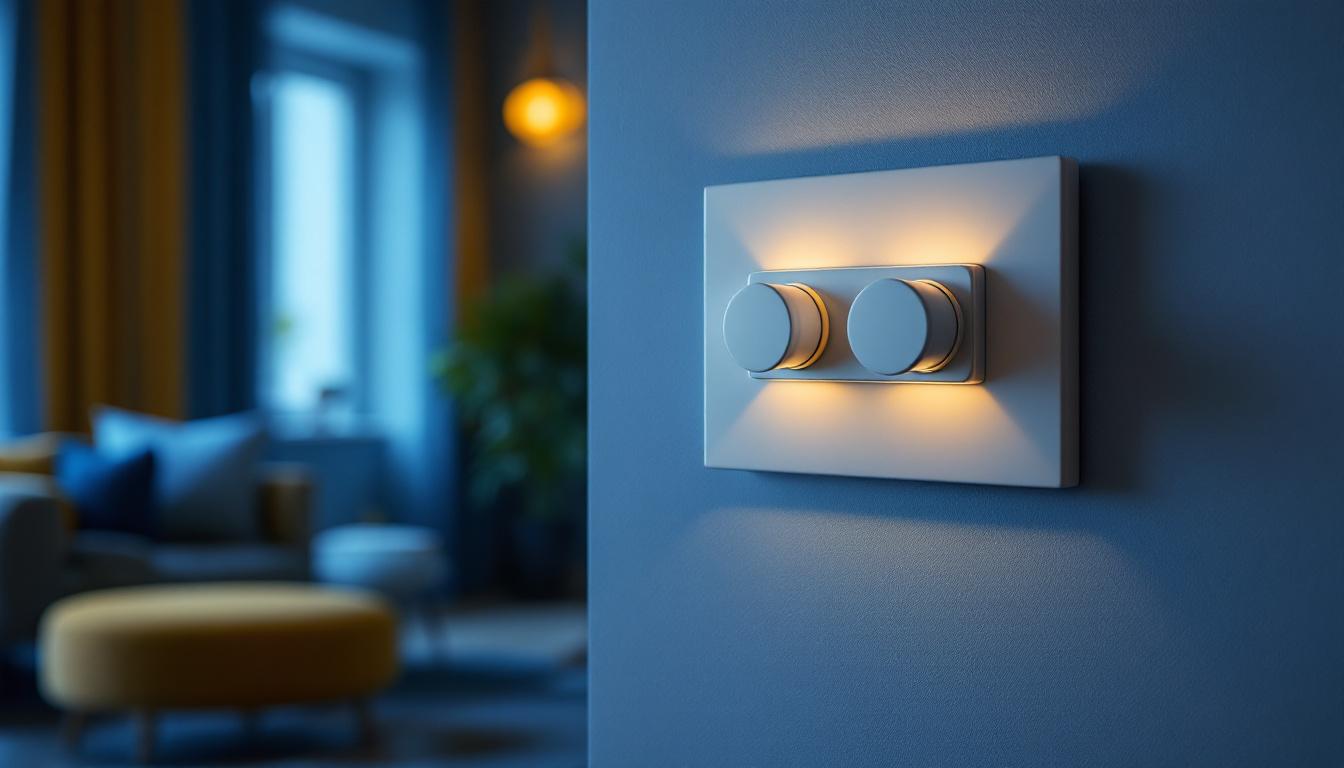
Furthermore, when selecting a dimmer, it is also important to consider the dimming range and the user interface. Some dimmers offer a wider range of dimming, which can be particularly beneficial in spaces where varying light levels are required, such as dining areas or home theaters. A user-friendly interface, whether it be a simple toggle switch or a more complex touchscreen panel, can greatly enhance usability, especially for those who may not be as tech-savvy. Understanding these nuances can help ensure that the selected dimmer not only meets the technical requirements but also aligns with the lifestyle and preferences of the end user.
Installation Best Practices for Optimal Performance
Wiring and Load Balancing
Proper installation is crucial to achieving maximum efficiency and performance from LED dimmers. Incorrect wiring or load imbalance can cause erratic dimming behavior and reduce the lifespan of both the dimmer and the bulbs. Ensuring that the dimmer is installed according to manufacturer specifications, including correct line and load connections, is fundamental.
In multi-bulb installations, balancing the load across dimmers helps maintain consistent dimming levels and prevents overloading. Lighting contractors should also verify that the total wattage of the LED bulbs does not exceed the dimmer’s maximum load rating, as this can lead to premature failure.
Addressing Flicker and Noise Issues
Flickering and audible buzzing are common complaints when dimming LED bulbs. These issues often stem from incompatibility between the dimmer and the bulb’s driver or from poor wiring practices. To mitigate these problems, contractors can:
- Use LED bulbs and dimmers from the same manufacturer or those tested for compatibility.
- Install load correction devices or dummy loads if the total LED load is below the dimmer’s minimum requirement.
- Ensure tight and secure wiring connections to prevent electrical noise.
- Consider upgrading to trailing-edge or digital dimmers designed to handle LED loads.
Addressing these factors during installation not only improves user satisfaction but also enhances energy efficiency by enabling precise dimming control.
Energy Efficiency and Cost Savings with LED Dimmers
Reducing Energy Consumption Through Dimming
Dimming LED bulbs can significantly reduce energy consumption, extending the benefits of LED technology. Unlike incandescent bulbs, which lose efficiency when dimmed, LEDs maintain high efficacy at lower light levels. Studies have shown that dimming LEDs to 50% brightness can reduce energy use by nearly the same percentage, making dimmers an effective tool for energy management.
For lighting contractors, promoting LED dimming solutions to clients can lead to substantial operational cost savings, especially in commercial settings where lighting accounts for a significant portion of energy expenses. Integrating dimmers with occupancy sensors and daylight harvesting systems further optimizes energy use by adjusting light levels based on actual need.
Extending Bulb Lifespan
Another advantage of using dimmers with LED bulbs is the potential to extend bulb lifespan. Operating LEDs at reduced power levels generates less heat and electrical stress, which can slow the degradation of internal components. This results in fewer replacements, lower maintenance costs, and reduced environmental impact.
Lighting contractors should educate clients on these benefits, emphasizing that the initial investment in compatible dimmers can yield long-term savings and sustainability advantages. Proper dimmer selection and installation are key to realizing these benefits without compromising lighting quality.
Advanced Control Systems and Future Trends
Integration with Smart Building Technologies
The evolution of lighting control systems is rapidly advancing toward integrated, intelligent solutions. Modern LED dimmers often come equipped with wireless communication protocols such as Zigbee, Z-Wave, or Wi-Fi, enabling seamless integration with smart home or building automation systems. This allows for dynamic lighting scenes, remote control, and energy usage monitoring.
For lighting contractors, staying informed about these technologies is essential. Offering clients smart dimming solutions can differentiate services and provide added value through enhanced comfort, convenience, and energy management. Additionally, these systems support data-driven maintenance and operational decisions, further optimizing lighting performance.
Emerging Technologies in LED Dimming
Research and development in LED dimming continue to push the boundaries of efficiency and functionality. Innovations such as digital addressable lighting interfaces (DALI), advanced pulse-width modulation (PWM) techniques, and adaptive dimming algorithms are improving dimming smoothness, compatibility, and energy savings.
Contractors should monitor these trends to recommend the latest solutions that meet evolving client needs and regulatory requirements. Staying current with industry standards and certifications ensures that installations deliver maximum efficiency and reliability.
Conclusion: Best Practices for Lighting Contractors
Optimizing LED dimming for maximum efficiency requires a comprehensive approach that includes selecting compatible dimmers, adhering to precise installation standards, and leveraging advanced control technologies. Lighting contractors play a pivotal role in guiding clients through these choices, ensuring that lighting systems deliver superior performance, energy savings, and user satisfaction.
By prioritizing compatibility, addressing common installation challenges, and embracing emerging technologies, contractors can enhance their service offerings and contribute to sustainable lighting solutions. Ultimately, well-executed LED dimming not only improves lighting quality but also supports broader energy efficiency goals, making it a critical consideration in modern lighting design and implementation.
Illuminate Your Projects with LumenWholesale
Ready to elevate your lighting projects with the most efficient LED dimming solutions? Look no further than LumenWholesale, where we provide contractors with the highest quality, spec-grade lighting products at unbeatable wholesale prices. Say goodbye to inflated markups and hello to a vast selection of reliable lighting options that meet the highest industry standards. With LumenWholesale, bulk buying is a breeze, thanks to our hassle-free process and free shipping. Don’t compromise on quality or price. Visit us now for Wholesale Lighting at the Best Value and make your next lighting project shine with excellence and affordability.