In recent years, the lighting industry has witnessed a remarkable transformation, driven by technological advancements and a growing demand for energy-efficient solutions. Among these innovations, covered LED strip lights have emerged as a significant development, offering both aesthetic appeal and functional benefits. This article delves into the evolution of covered LED strip lights, exploring their design, applications, and the impact they have had on the lighting industry.
The Rise of LED Technology
The transition from traditional incandescent and fluorescent lighting to LED technology marked a pivotal moment in the evolution of lighting solutions. LEDs, or light-emitting diodes, are known for their energy efficiency, longevity, and versatility. As the demand for sustainable and cost-effective lighting solutions grew, manufacturers began to explore new designs and applications for these innovative light sources.
Energy Efficiency and Longevity
One of the most significant advantages of LED technology is its energy efficiency. Compared to traditional lighting, LEDs consume significantly less power while providing the same level of brightness. This not only reduces electricity bills but also minimizes the environmental impact associated with energy consumption. Furthermore, LEDs have an impressive lifespan, often lasting tens of thousands of hours, which reduces the frequency of replacements and maintenance. This longevity translates into less waste in landfills, making LEDs a more sustainable choice in the long run. Additionally, the reduced heat output of LEDs means they are safer to use in various applications, as they lower the risk of burns and fire hazards associated with overheating bulbs.
Versatility in Design
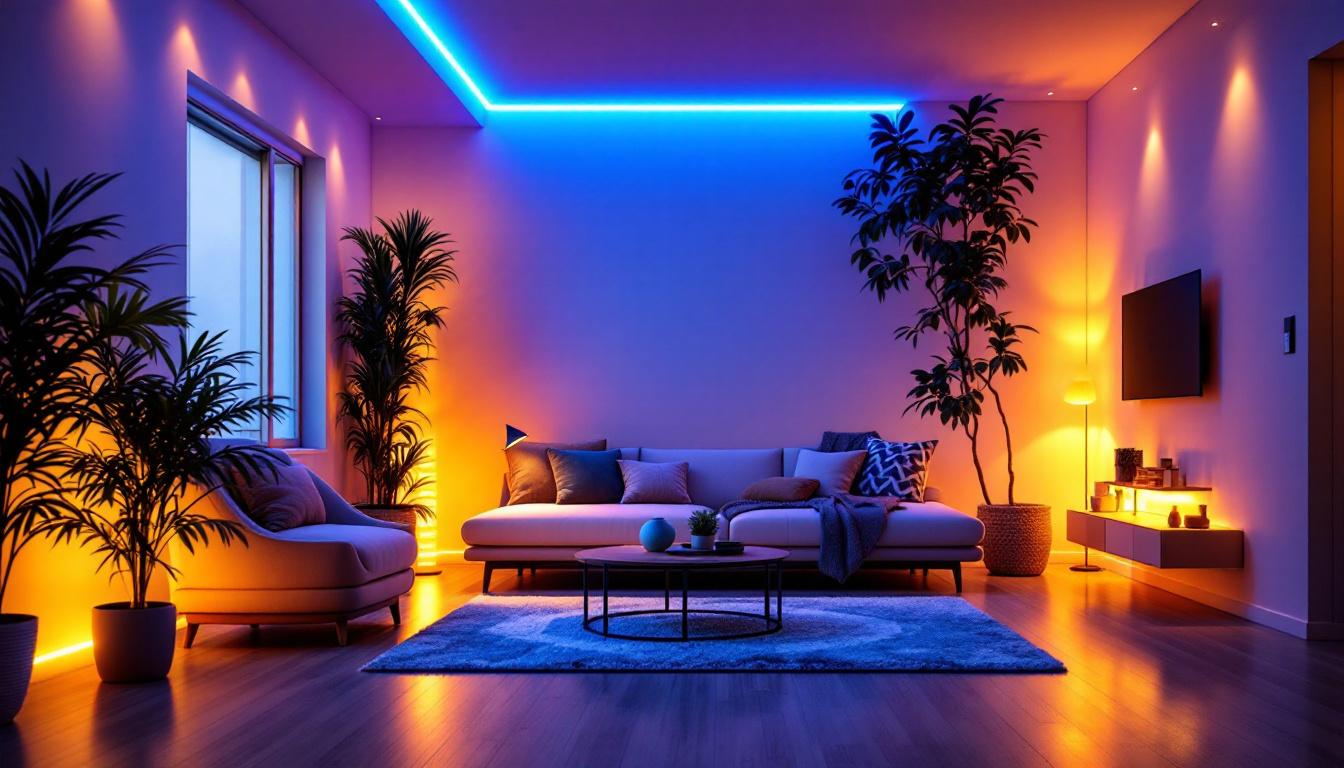
LEDs are incredibly versatile, allowing for a wide range of designs and applications. From residential spaces to commercial environments, the adaptability of LED technology has led to the development of various lighting solutions, including covered LED strip lights. These strips can be easily installed in various settings, making them a popular choice for contractors looking to enhance the aesthetics and functionality of their projects. Beyond mere aesthetics, LEDs are also being integrated into smart home systems, allowing users to control lighting remotely or set schedules for energy savings. This intersection of technology and design has opened up new avenues for creativity, enabling architects and designers to experiment with lighting in ways that were previously unimaginable. For instance, dynamic LED lighting can change colors and intensity based on the time of day or the mood of the occupants, creating an immersive environment that enhances the overall experience of a space.
Understanding Covered LED Strip Lights
Covered LED strip lights are a specific type of LED lighting that features a protective cover or diffuser. This design not only enhances the appearance of the light but also serves several practical purposes. Understanding the components and benefits of covered LED strip lights is essential for contractors seeking to incorporate them into their projects.
Components of Covered LED Strip Lights
Covered LED strip lights typically consist of several key components: the LED chips, the flexible circuit board, and the protective cover. The LED chips emit light, while the circuit board provides the necessary electrical connections. The protective cover, often made of materials like polycarbonate or acrylic, serves to diffuse the light, creating a more uniform illumination and reducing glare. Additionally, some covered LED strip lights may include an adhesive backing for easy installation on various surfaces, making them a versatile choice for both temporary and permanent setups.
Benefits of Using Covered LED Strip Lights
The use of covered LED strip lights offers numerous benefits, making them an attractive option for various applications. Firstly, the protective cover helps to shield the LEDs from dust, moisture, and physical damage, increasing their durability and lifespan. Secondly, the diffused light creates a softer, more inviting ambiance, making these strips ideal for residential and commercial settings alike. Lastly, covered LED strip lights can be easily customized in terms of length, color temperature, and brightness, allowing contractors to tailor solutions to specific project requirements. Moreover, their energy efficiency not only reduces electricity costs but also contributes to a lower carbon footprint, aligning with sustainable building practices. This makes them particularly appealing in today’s environmentally conscious market, where energy-saving solutions are increasingly prioritized.
In addition to their functional advantages, covered LED strip lights are also available in a variety of styles and color options, enabling designers to enhance the aesthetic appeal of a space. From warm white tones that create a cozy atmosphere in residential living areas to vibrant colors that can energize commercial spaces or event venues, the versatility of these lights allows for creative expression. Furthermore, many covered LED strip lights are compatible with smart home systems, providing users with the ability to control lighting remotely or set schedules, thus adding an extra layer of convenience and modernity to any project. This combination of practicality and style makes covered LED strip lights a favored choice among contractors and designers alike.
Applications of Covered LED Strip Lights
The versatility of covered LED strip lights has led to their widespread adoption across various sectors. From residential lighting to commercial applications, these strips can be utilized in numerous ways to enhance both functionality and aesthetics.
Residential Applications
In residential settings, covered LED strip lights are often used for accent lighting, under-cabinet illumination, and decorative purposes. They can be installed in kitchens, living rooms, and bedrooms to create a warm and inviting atmosphere. The ability to choose different colors and brightness levels allows homeowners to customize their lighting to suit their mood and preferences.
Commercial Applications
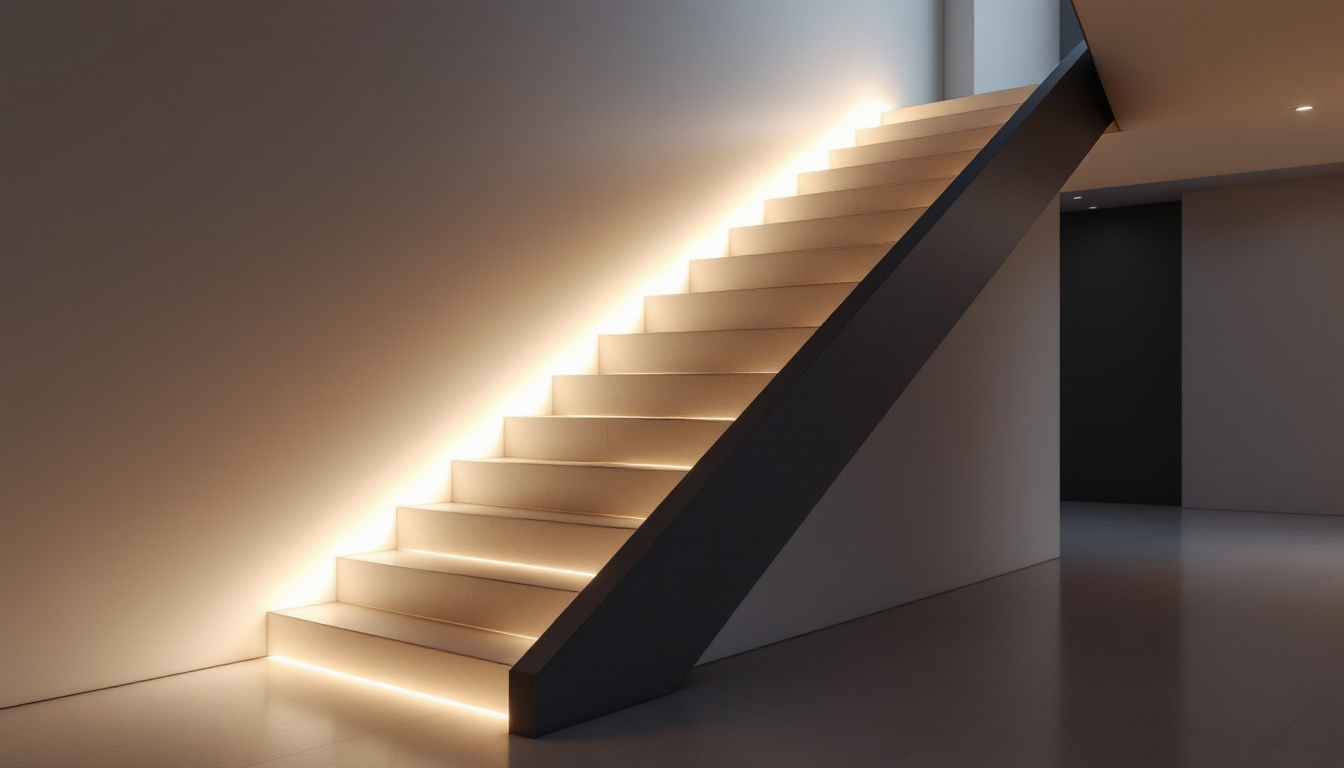
In commercial environments, covered LED strip lights serve a variety of purposes, from task lighting in offices to ambient lighting in retail spaces. Their sleek design and energy efficiency make them an ideal choice for businesses looking to reduce operational costs while enhancing the overall aesthetic of their establishments. Additionally, covered LED strip lights can be integrated into architectural features, providing both functional and decorative lighting solutions.
Architectural and Outdoor Applications
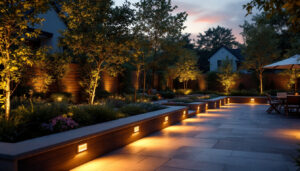
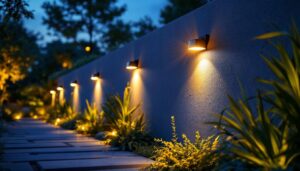
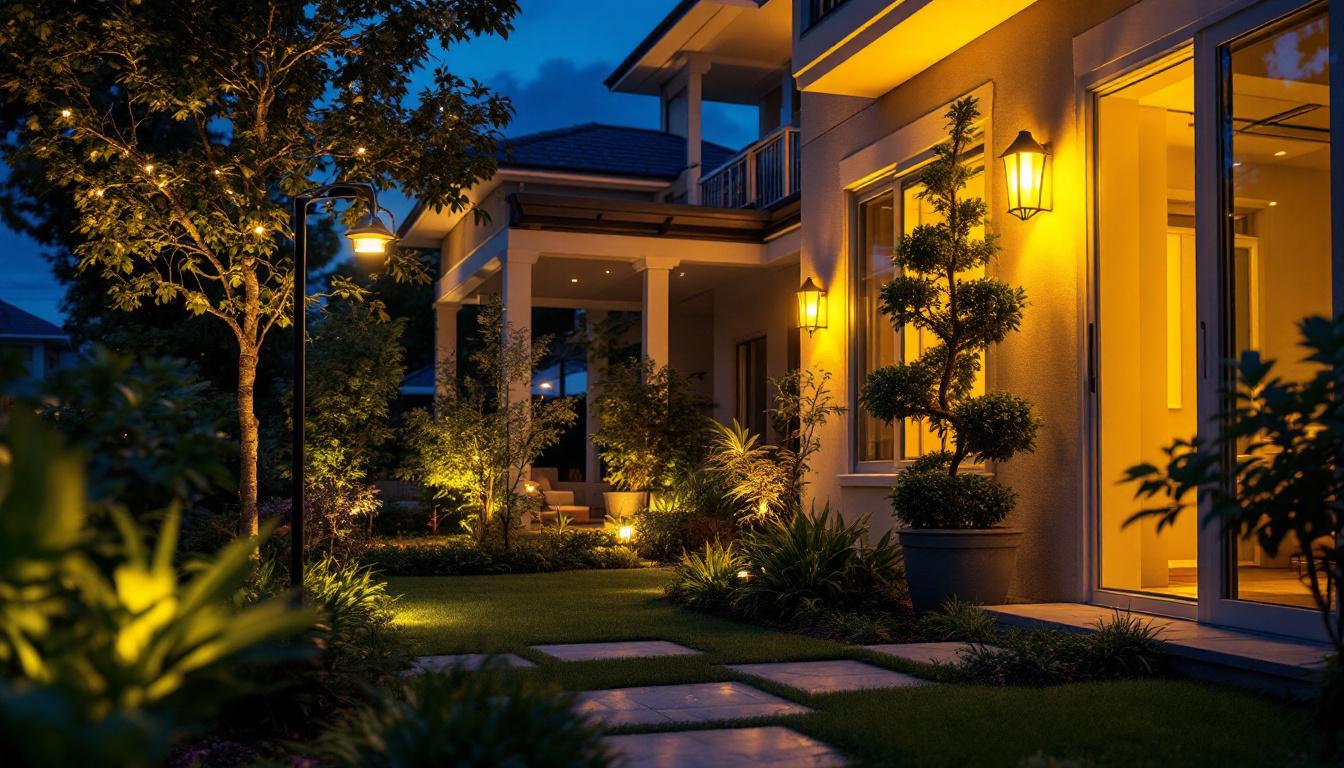
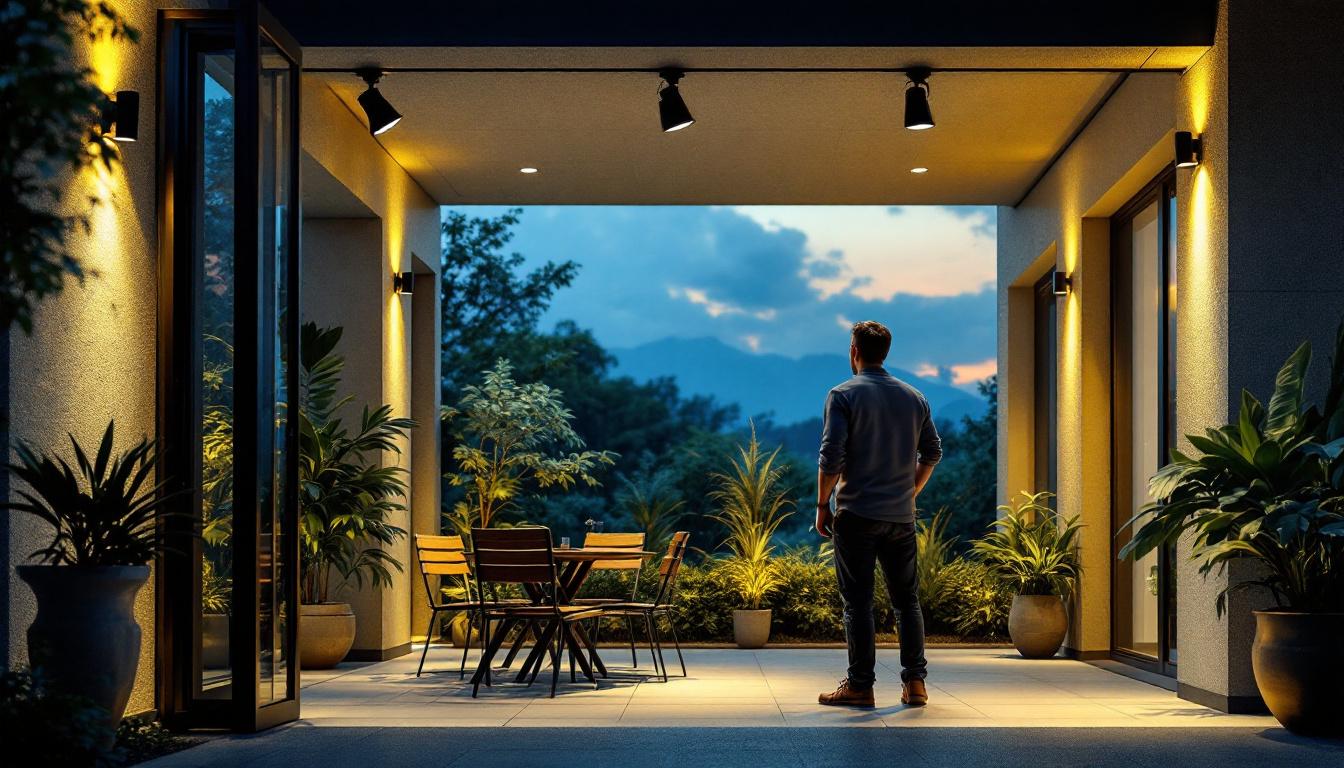
Covered LED strip lights are also increasingly used in architectural applications, where they can highlight structural elements and create visually striking effects. Outdoor installations benefit from the durability of covered LED strip lights, which can withstand various weather conditions while providing effective illumination for pathways, gardens, and outdoor living spaces. The flexibility of these strips allows for creative designs that enhance the overall appeal of outdoor areas.
Installation Considerations for Contractors
For lighting contractors, understanding the installation process and considerations for covered LED strip lights is crucial. Proper installation not only ensures optimal performance but also enhances the longevity of the lighting solution.
Planning the Layout
Before installation, careful planning of the layout is essential. Contractors should assess the space and determine the most effective placement for the covered LED strip lights. Considerations such as the desired brightness, color temperature, and the overall design aesthetic should guide the decision-making process. Additionally, ensuring that the power supply is adequate for the length and wattage of the strips is critical for optimal performance.
Installation Techniques
Installation techniques for covered LED strip lights can vary depending on the specific application. Many strips come with adhesive backing, allowing for easy installation on clean, dry surfaces. For more permanent installations, contractors may opt to use mounting brackets or channels to secure the strips in place. It is also essential to follow manufacturer guidelines regarding electrical connections and power supply to ensure safety and compliance with local codes.
Future Trends in Covered LED Strip Lights
The lighting industry continues to evolve, and covered LED strip lights are no exception. As technology advances, new trends are emerging that promise to enhance the functionality and appeal of these lighting solutions.
Smart Lighting Integration
One of the most significant trends in the lighting industry is the integration of smart technology. Covered LED strip lights can now be equipped with smart features, allowing users to control brightness, color, and even scheduling through mobile applications or voice-activated devices. This level of control not only enhances convenience but also promotes energy savings by allowing users to adjust their lighting according to their needs.
Sustainable Materials and Manufacturing
As sustainability becomes a priority for consumers and businesses alike, manufacturers are increasingly focusing on eco-friendly materials and production methods. The future of covered LED strip lights may see the use of recycled materials in their construction, as well as improved energy-efficient manufacturing processes. This shift towards sustainability aligns with the growing demand for environmentally responsible lighting solutions.
Enhanced Customization Options
The demand for personalized lighting solutions is on the rise, and manufacturers are responding by offering enhanced customization options for covered LED strip lights. This includes a wider range of colors, lengths, and brightness levels, allowing contractors to create tailored solutions that meet the unique needs of their clients. As technology advances, the possibilities for customization will continue to expand, offering even more creative opportunities for lighting design.
Conclusion
Covered LED strip lights represent a significant evolution in the lighting industry, combining energy efficiency, versatility, and aesthetic appeal. As technology continues to advance, these lighting solutions are poised to play an increasingly important role in both residential and commercial applications. For lighting contractors, understanding the benefits, applications, and installation considerations of covered LED strip lights is essential for delivering innovative and effective lighting solutions to clients.
As the industry evolves, staying informed about emerging trends and technologies will ensure that contractors remain competitive and capable of meeting the diverse needs of their customers. The future of covered LED strip lights is bright, and their potential to transform spaces is limitless.
Illuminate Your Projects with LumenWholesale
Ready to elevate your lighting game with the latest in covered LED strip lights? Look no further than LumenWholesale, where we provide contractors with the highest quality, spec-grade lighting products at unmatched wholesale prices. Say goodbye to local distributor markups and hello to a vast selection of reliable, high-performance lighting that meets the most stringent industry standards. With LumenWholesale, bulk buying is a breeze thanks to free shipping, ensuring you get the premium lighting you need at the best value — without any hidden fees. Don’t compromise on quality, affordability, or convenience. Discover wholesale lighting at the best value today and transform your space with confidence.