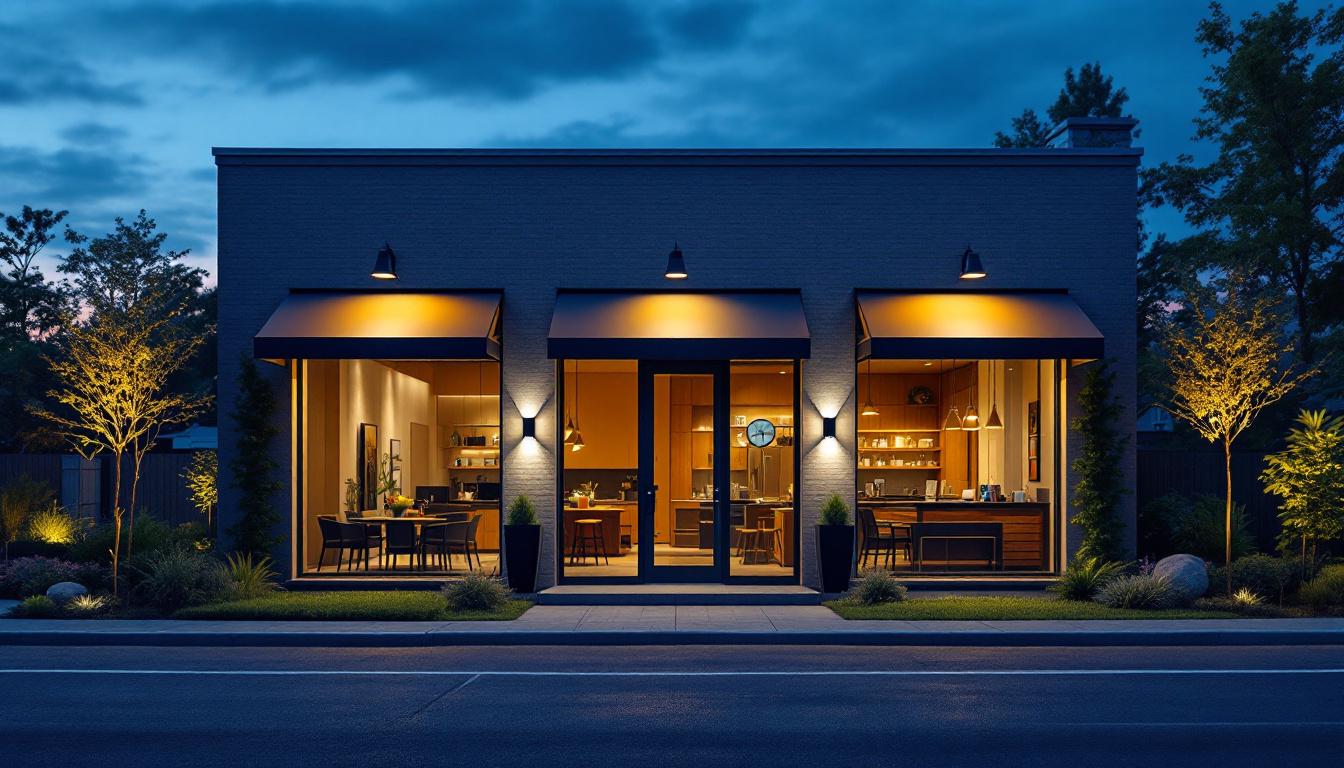
For lighting contractors, mastering the art and science of commercial exterior lighting is essential to delivering projects that are both functional and visually compelling. Commercial exterior lighting not only enhances the aesthetic appeal of buildings and landscapes but also plays a critical role in safety, security, and energy efficiency. This article explores proven methods and best practices that lighting contractors can apply to excel in commercial exterior lighting projects.
Understanding the Fundamentals of Commercial Exterior Lighting
The Importance of Purpose-Driven Lighting Design
Before selecting fixtures or planning layouts, it’s crucial to understand the primary objectives of the lighting installation. Commercial exterior lighting typically serves several key purposes:
- Safety: Illuminating walkways, staircases, and parking areas to prevent accidents.
- Security: Deterring unauthorized access and reducing crime through well-lit perimeters.
- Aesthetics: Highlighting architectural features, signage, and landscaping to enhance curb appeal.
- Energy Efficiency: Minimizing operational costs and environmental impact through smart lighting choices.
Understanding these goals helps contractors tailor their approach, ensuring the lighting solution meets client expectations and regulatory requirements. Furthermore, a well-thought-out lighting design can significantly enhance the user experience. For instance, strategically placed lights can guide customers safely to entrances and exits while creating an inviting atmosphere that encourages foot traffic. The right balance of brightness and color temperature can evoke specific moods, making spaces feel more welcoming and vibrant, which is especially important for retail environments that thrive on customer engagement.
Regulatory Compliance and Standards
Compliance with local codes and industry standards is non-negotiable in commercial lighting projects. Contractors must be familiar with guidelines such as the Illuminating Engineering Society (IES) standards, local zoning laws, and dark sky ordinances that limit light pollution. Adhering to these regulations not only avoids costly rework but also promotes sustainable and responsible lighting practices. Additionally, understanding these standards can lead to innovative design solutions that not only meet but exceed regulatory expectations. For example, incorporating smart lighting technology can allow for adaptive lighting levels that respond to real-time conditions, further enhancing energy efficiency while ensuring compliance with dimming requirements during certain hours.
Moreover, staying updated on evolving regulations is essential, as municipalities increasingly prioritize sustainability and environmental stewardship. This shift often leads to incentives for using energy-efficient fixtures, such as LED lighting, which not only comply with regulations but also provide long-term savings. By proactively engaging with these standards, contractors can position themselves as leaders in the industry, demonstrating a commitment to both quality and sustainability that resonates with environmentally conscious clients.
Proven Techniques for Effective Lighting Installation
Site Assessment and Planning
Successful commercial exterior lighting begins with a thorough site assessment. Contractors should evaluate the site’s layout, existing infrastructure, and environmental conditions. Key considerations include:
- Topography and Landscape: Understanding terrain and vegetation helps in positioning fixtures for optimal coverage.
- Building Architecture: Identifying focal points and shadow zones to enhance architectural features effectively.
- Electrical Infrastructure: Assessing power availability and conduit pathways to ensure safe and efficient wiring.
Using advanced tools like photometric analysis software can aid in simulating lighting scenarios, allowing contractors to visualize and adjust designs before installation. This technology not only helps in planning the layout but also assists in predicting how light will interact with various surfaces at different times of the day, ensuring that the final outcome meets both aesthetic and functional requirements. Furthermore, engaging with stakeholders during the assessment phase can provide valuable insights into specific needs and preferences, leading to a more tailored lighting solution.
Choosing the Right Fixtures and Technologies
Fixture selection is a critical component of commercial exterior lighting. LED technology has become the industry standard due to its longevity, energy efficiency, and versatility. When choosing fixtures, consider:
- Light Distribution: Opt for fixtures that provide the appropriate beam spread for the area, such as floodlights for broad coverage or wall packs for focused illumination.
- Color Temperature: Selecting the right color temperature (measured in Kelvins) affects ambiance and visibility. Warmer tones (2700K–3000K) create inviting environments, while cooler tones (4000K–5000K) enhance security and visibility.
- Durability and Weather Resistance: Fixtures should be rated for outdoor use, with appropriate ingress protection (IP) ratings to withstand moisture, dust, and temperature extremes.
Additionally, integrating smart lighting controls such as motion sensors, photocells, and programmable timers can optimize energy use and extend fixture life. These technologies not only contribute to sustainability efforts but also allow for adaptive lighting solutions that can respond to real-time conditions, such as dimming lights during low-traffic hours or brightening them when activity is detected. Moreover, the ability to control lighting remotely via smartphone applications or centralized systems can enhance operational efficiency and provide peace of mind for property managers.
Proper Mounting and Positioning Techniques
Correct fixture placement is vital for achieving desired lighting effects and avoiding common issues like glare, light trespass, and uneven illumination. Best practices include:
- Mounting fixtures at heights that maximize coverage while minimizing glare for pedestrians and drivers.
- Using shielding and aiming techniques to direct light precisely where needed.
- Spacing fixtures according to photometric recommendations to ensure uniform light distribution.
Contractors should also consider fixture accessibility for maintenance and replacement, which reduces long-term operational disruptions. In addition to these practical considerations, the aesthetic impact of lighting cannot be overlooked. Thoughtful positioning can create visual interest, highlight architectural features, and contribute to the overall ambiance of the space. Utilizing techniques such as uplighting, downlighting, and accent lighting can transform ordinary areas into inviting and dynamic environments, encouraging nighttime use and enhancing safety. Furthermore, regular evaluations of the lighting setup post-installation can help identify areas for improvement and ensure that the lighting continues to meet the evolving needs of the space.
Enhancing Efficiency and Sustainability in Commercial Lighting
Energy-Efficient Lighting Strategies
Energy consumption is a significant concern for commercial property owners. Lighting contractors can add value by implementing strategies that reduce energy use without compromising performance:
- LED Retrofits: Upgrading existing HID or fluorescent fixtures to LED can reduce energy consumption by up to 70%.
- Adaptive Controls: Installing daylight sensors and occupancy detectors ensures lights operate only when needed.
- Zoning: Dividing large areas into zones allows selective lighting, reducing unnecessary illumination.
These approaches not only lower utility costs but also contribute to sustainability goals, which are increasingly important to commercial clients. Moreover, the longevity of LED fixtures, often lasting up to 25 times longer than traditional bulbs, means reduced maintenance costs and less frequent replacements. This not only saves money but also minimizes waste, aligning with broader environmental initiatives. Additionally, the use of smart lighting systems can further enhance energy savings by allowing for remote monitoring and adjustments, ensuring that lighting is optimized for both performance and efficiency.
Minimizing Light Pollution
Light pollution has become a growing environmental concern, affecting ecosystems and human health. Contractors can mitigate this by:
- Using fully shielded fixtures to prevent upward light spill.
- Choosing appropriate color temperatures, as excessive blue light can disrupt circadian rhythms.
- Implementing timers and dimmers to reduce light levels during off-peak hours.
Adhering to these practices helps clients comply with dark sky regulations and demonstrates environmental stewardship. Furthermore, educating clients about the impact of light pollution can foster a greater appreciation for responsible lighting practices. By promoting the use of warmer color temperatures and lower-intensity lighting in outdoor areas, contractors can help create more inviting environments that enhance both safety and aesthetics while preserving the natural night sky. The integration of community feedback in lighting design can also ensure that the needs of local residents are met, fostering a sense of ownership and responsibility towards maintaining a balanced relationship with the surrounding environment.
Maintenance and Troubleshooting for Long-Term Success
Routine Inspection and Cleaning
Regular maintenance is essential to preserve lighting performance and extend fixture lifespan. Contractors should advise clients on scheduled inspections that include:
- Checking for physical damage or corrosion.
- Cleaning lenses and fixtures to prevent light output degradation.
- Verifying electrical connections and control system functionality.
Proactive maintenance reduces the risk of unexpected failures and costly repairs.
Common Issues and Solutions
Lighting contractors often encounter challenges such as flickering lights, uneven illumination, or sensor malfunctions. Effective troubleshooting involves:
- Testing power supply and wiring integrity to identify electrical faults.
- Adjusting sensor sensitivity and placement to improve responsiveness.
- Replacing aging or incompatible components with updated technology.
Documenting these solutions and educating clients on basic troubleshooting empowers them to address minor issues promptly.
Leveraging Technology and Innovation in Commercial Exterior Lighting
Smart Lighting Systems
The integration of Internet of Things (IoT) technology in commercial exterior lighting is transforming the industry. Smart lighting systems offer benefits such as:
- Remote monitoring and control via mobile apps or centralized platforms.
- Data collection on usage patterns to optimize energy consumption.
- Automated scheduling and adaptive lighting based on environmental conditions.
Lighting contractors who embrace these innovations can provide clients with cutting-edge solutions that enhance operational efficiency and user experience.
Emerging Trends and Materials
Advancements in materials science and lighting technology continue to expand possibilities. Examples include:
- Use of graphene-enhanced LEDs for improved heat dissipation and longevity.
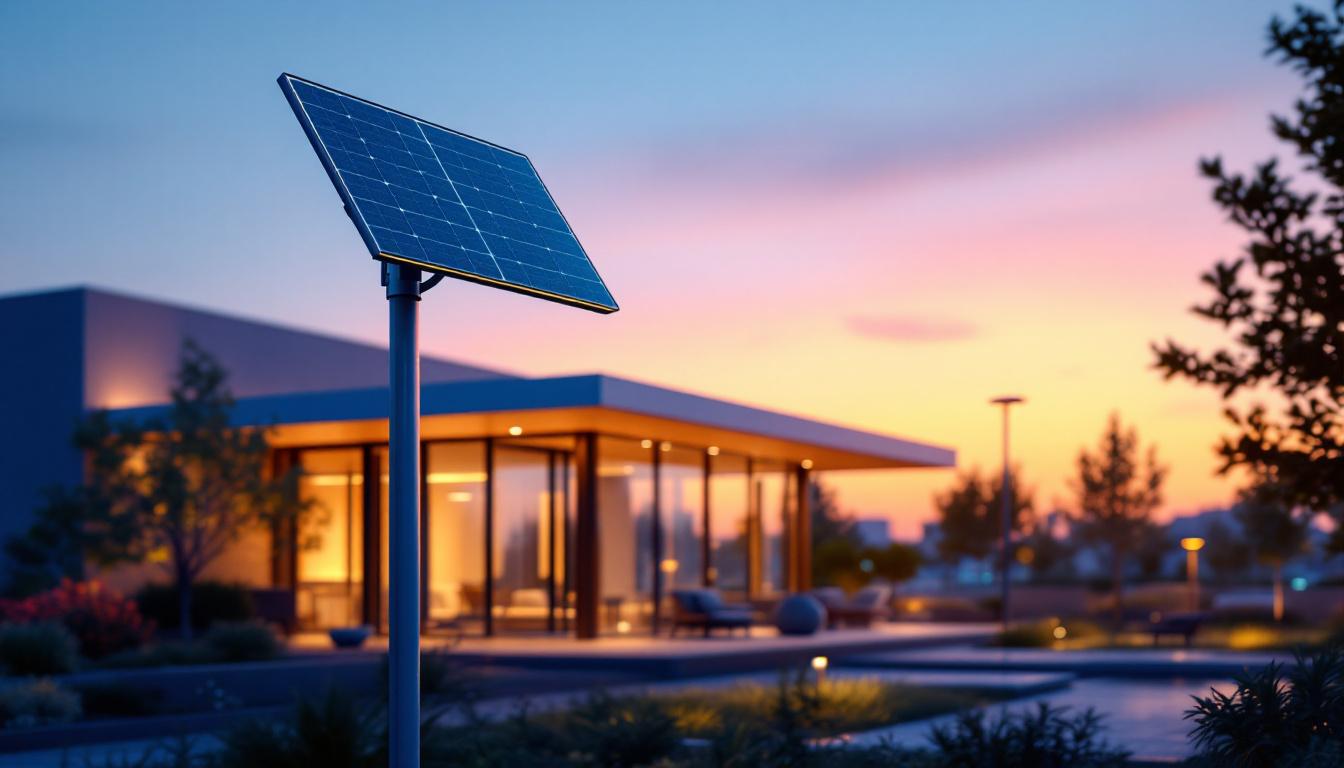
- Solar-powered exterior lighting systems for off-grid applications.
- Dynamic color-changing fixtures for branding and event lighting.
Staying informed about these trends enables contractors to offer forward-thinking options that differentiate their services.
Conclusion
Commercial exterior lighting is a multifaceted discipline requiring a balance of technical expertise, aesthetic sensibility, and regulatory awareness. By focusing on purpose-driven design, meticulous planning, energy-efficient technologies, and proactive maintenance, lighting contractors can deliver superior results that satisfy client needs and contribute to sustainable urban environments.
Embracing innovation and adhering to proven methods ensures that contractors remain competitive and capable of tackling the evolving challenges of commercial exterior lighting projects. Ultimately, success in this field hinges on a commitment to quality, safety, and environmental responsibility.
Illuminate Your Projects with LumenWholesale
Ready to elevate your commercial exterior lighting projects with the finest products on the market? Look no further than LumenWholesale, where we provide contractors with exceptional, spec-grade lighting solutions at unbeatable wholesale prices. Our extensive selection not only meets but exceeds industry standards, ensuring your installations shine with reliability and high performance. Plus, with the convenience of free shipping on bulk orders, you can secure premium lighting at the best value — all without hidden fees or compromises. Don’t settle for less; choose LumenWholesale for quality, affordability, and convenience. Discover the difference today by visiting Wholesale Lighting at the Best Value.