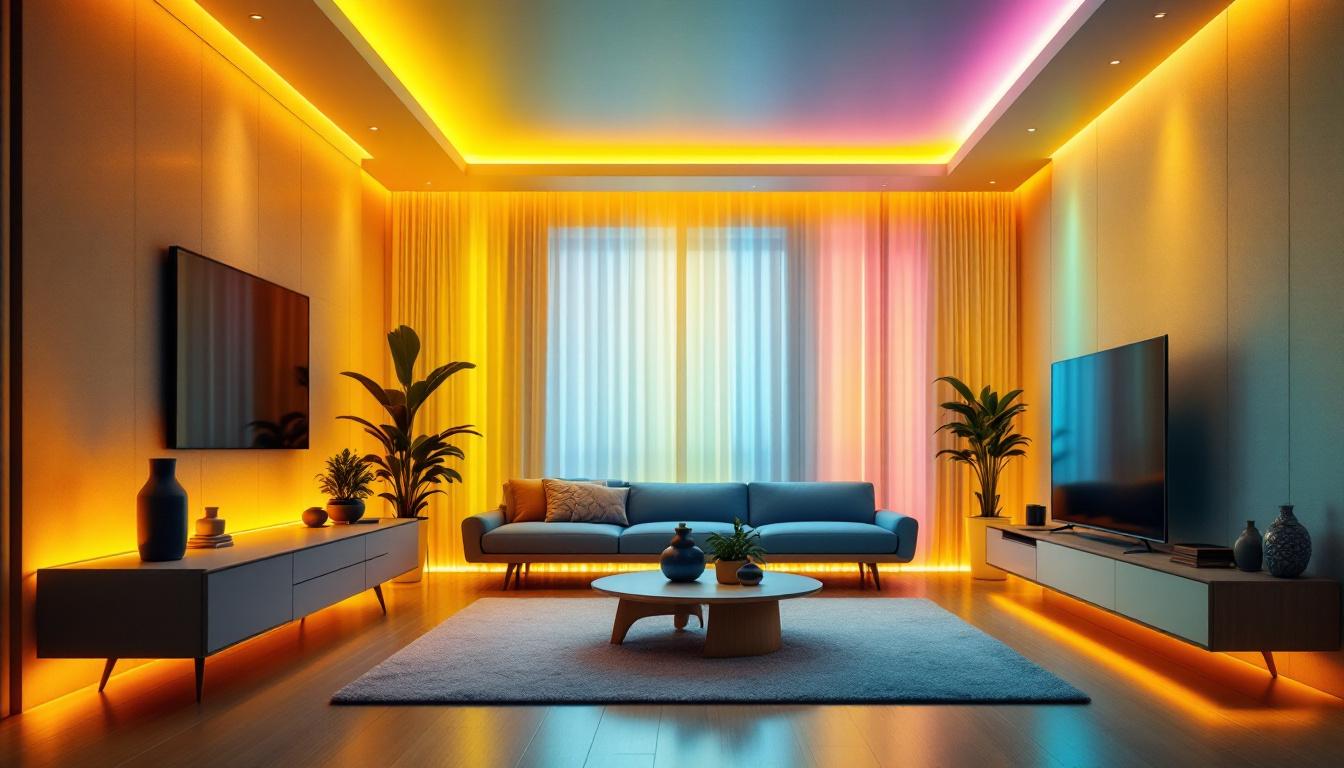
Understanding the Appeal of Color Changing LED Recessed Lights
Color changing LED recessed lights have transformed the way lighting contractors approach modern installations. These fixtures offer more than just illumination—they provide dynamic ambiance control, energy efficiency, and design flexibility. For contractors, understanding the technical and practical aspects of these lights is essential to meet client expectations and stay competitive.
Clients increasingly request lighting solutions that can adapt to different moods and settings. Whether it’s a residential living room, a commercial lobby, or a hospitality space, the ability to shift colors seamlessly adds a level of customization that traditional lighting cannot match. This demand pushes contractors to become familiar with the nuances of color changing LED technology and its integration into existing or new electrical systems.
Moreover, the versatility of these lights extends beyond mere color adjustments; they can also be programmed to respond to various triggers, such as time of day or occupancy. For instance, in a home setting, homeowners can set their recessed lights to emit a warm white glow during the morning hours to energize their space, transitioning to cooler tones in the evening to promote relaxation. In commercial spaces, businesses can utilize these lights to create an inviting atmosphere that aligns with branding or seasonal themes, enhancing customer experience and engagement.
Additionally, the energy efficiency of LED technology cannot be overlooked. Compared to traditional incandescent or fluorescent options, color changing LEDs consume significantly less power, leading to reduced energy bills and a smaller carbon footprint. This aspect not only appeals to environmentally conscious clients but also aligns with growing regulatory standards favoring sustainable building practices. As a result, contractors who are well-versed in these energy-efficient solutions can position themselves as leaders in the market, offering clients both aesthetic and ecological benefits that are increasingly sought after in today’s design landscape.
Technical Considerations for Installation
Compatibility with Existing Electrical Systems
One of the first challenges contractors face is ensuring that color changing LED recessed lights are compatible with the current electrical infrastructure. These fixtures often require specific drivers and controllers that differ from standard LED or incandescent setups. It’s crucial to verify voltage requirements, dimmer compatibility, and wiring configurations before installation.
For example, many color changing LEDs operate on low voltage DC power, necessitating a transformer or driver that converts the standard AC supply. Using incompatible dimmers can cause flickering or damage to the LEDs, leading to costly callbacks. Contractors should familiarize themselves with the types of controllers available—such as RF remote controls, Wi-Fi-enabled systems, or smart home integrations—and advise clients accordingly. Additionally, it may be beneficial to conduct a thorough assessment of the existing wiring conditions, as older homes may have outdated electrical systems that could pose challenges during installation. Upgrading wiring or incorporating additional circuits may be necessary to ensure optimal performance and safety.
Integration with Smart Home Systems
Smart home technology has become a significant factor in lighting design. Color changing LED recessed lights often come with options to integrate with platforms like Alexa, Google Home, or proprietary apps. Lighting contractors need to understand the setup process, network requirements, and potential troubleshooting scenarios.
Ensuring a reliable Wi-Fi connection and proper device pairing can prevent installation headaches. Additionally, contractors should educate clients on the benefits and limitations of smart controls, including latency, range, and security considerations. This knowledge positions contractors as trusted advisors rather than just installers. Furthermore, it’s important to discuss the potential for future upgrades and expansions, as many homeowners may wish to add more smart devices over time. By providing insights into scalable solutions, contractors can help clients create a cohesive smart home ecosystem that enhances convenience and energy efficiency. Understanding the nuances of various smart home protocols, such as Zigbee or Z-Wave, can also empower contractors to offer tailored recommendations that best fit the client’s lifestyle and preferences.
Design and Aesthetic Impact
Enhancing Ambiance and Mood
The primary appeal of color changing LED recessed lights lies in their ability to enhance ambiance. Different colors can evoke various emotional responses-cool blues for calmness, warm reds for intimacy, or vibrant greens for energy. Contractors should consider how lighting design complements the space’s function and décor.
For example, in a restaurant setting, color changing LEDs can shift from bright white during cleaning hours to softer, warmer hues during dining service, creating a welcoming atmosphere. In residential settings, these lights can adapt to daily routines, supporting activities like reading, entertaining, or relaxing.
Placement and Beam Angle
Proper placement of recessed lights is critical to achieving the desired effect. Contractors must assess ceiling height, room size, and furniture layout to determine the optimal spacing and beam angle. Narrow beam angles provide focused accent lighting, while wider angles offer general illumination.
Color changing LEDs often come with adjustable beam options, allowing contractors to tailor light distribution. This flexibility is particularly useful in highlighting architectural features or artwork. Understanding these factors helps contractors deliver a lighting scheme that feels intentional and polished.
Energy Efficiency and Longevity
Reduced Energy Consumption
LED technology is renowned for its energy efficiency, and color changing variants are no exception. These lights consume significantly less power compared to traditional incandescent or halogen bulbs, which benefits both clients and contractors. Lower energy use translates to reduced utility bills and a smaller carbon footprint.
Lighting contractors should emphasize this advantage when discussing options with clients, especially in commercial or multi-unit residential projects where energy savings accumulate quickly. Additionally, many color changing LED products meet or exceed energy standards set by regulatory bodies, making them eligible for rebates or incentives.
Durability and Maintenance
LEDs typically have a lifespan far exceeding that of conventional bulbs, often lasting tens of thousands of hours. Color changing LED recessed lights maintain this longevity, reducing maintenance frequency and associated labor costs. For contractors, this means fewer service calls and enhanced client satisfaction.
However, it’s important to choose high-quality fixtures from reputable manufacturers. Inferior products may suffer from color degradation or electronic failures over time. Advising clients on product selection and warranty terms is a vital part of the contractor’s role.
Challenges and Solutions in Installation
Heat Management
Although LEDs generate less heat than traditional bulbs, color changing LED recessed lights can still produce heat that needs proper dissipation. Enclosed or poorly ventilated fixtures risk overheating, which can shorten lifespan or cause safety issues.
Contractors should ensure that fixtures are rated for the intended installation environment and follow manufacturer guidelines for spacing and insulation contact. Using IC-rated fixtures (Insulation Contact) is often necessary when installing in insulated ceilings to prevent fire hazards.
Wiring and Controller Setup
The complexity of wiring color changing LEDs varies depending on the system. Some require multiple wires for different color channels, while others use a single bus system with digital control. Mistakes in wiring can lead to malfunction or limited color range.
Contractors must carefully review wiring diagrams and test connections before finalizing installations. Familiarity with different control protocols-such as DMX, DALI, or proprietary systems-can prevent costly errors. Training and staying updated on new products and standards is essential.
Client Communication and Education
Setting Realistic Expectations
Clients may have high expectations about color changing LED recessed lights, sometimes influenced by marketing or showrooms. Lighting contractors play a crucial role in setting realistic expectations regarding color accuracy, brightness levels, and control responsiveness.
Demonstrating the product in the actual installation environment or providing samples can help clients visualize the outcome. Discussing limitations, such as the difference between RGB and RGBW (which includes white LEDs for better color rendering), ensures clients make informed decisions.
Providing Maintenance Guidance
Although maintenance is minimal, clients should understand how to care for their color changing LED recessed lights. This includes cleaning recommendations, avoiding exposure to moisture if not rated for it, and how to troubleshoot common issues like connectivity problems with smart controllers.
Contractors who offer post-installation support or maintenance contracts can build long-term relationships and generate repeat business. Clear communication about what clients can expect helps reduce frustration and enhances satisfaction.
Future Trends Lighting Contractors Should Watch
Advancements in LED Technology
LED technology continues to evolve rapidly. Emerging developments include improved color rendering indexes (CRI), higher lumen outputs, and more efficient drivers that extend fixture life and reduce power consumption even further. Lighting contractors should stay informed about these advancements to offer cutting-edge solutions.
New materials and manufacturing techniques also promise slimmer fixtures and easier installation processes, which can save time and reduce labor costs. Keeping an eye on these trends allows contractors to maintain a competitive edge.
Integration with Building Automation
Color changing LED recessed lights are increasingly integrated into comprehensive building automation systems. This integration allows for sophisticated control schemes based on occupancy, time of day, or even circadian rhythms to support occupant well-being.
Contractors expanding their expertise into building automation will find new opportunities to provide value-added services. Understanding protocols like BACnet or KNX and how lighting fits into these systems is becoming more important.
Conclusion
Color changing LED recessed lights offer lighting contractors a unique combination of design flexibility, energy efficiency, and technological innovation. Mastering the technical requirements and installation challenges ensures successful projects and satisfied clients. Equally important is educating clients about the capabilities and limitations of these systems to foster realistic expectations.
Staying current with industry trends and product developments will help contractors remain relevant and competitive. As demand for adaptable, smart lighting solutions grows, expertise in color changing LED recessed lights will be a valuable asset in any contractor’s toolkit.
Illuminate Your Projects with LumenWholesale
Ready to elevate your lighting installations with the latest in color changing LED recessed lights? Look no further than LumenWholesale, where we provide contractors with the highest quality, specification-grade lighting products at unbeatable wholesale prices. Say goodbye to local distributor markups and hello to our extensive selection that meets rigorous industry standards. With LumenWholesale, you can count on reliable, high-performance lighting that brings your projects to life. Plus, enjoy the convenience of bulk buying with free shipping, ensuring you get the best value without any hidden costs. Don’t compromise on quality or price. Discover wholesale lighting at the best value today and light up your clients’ spaces with confidence and creativity.