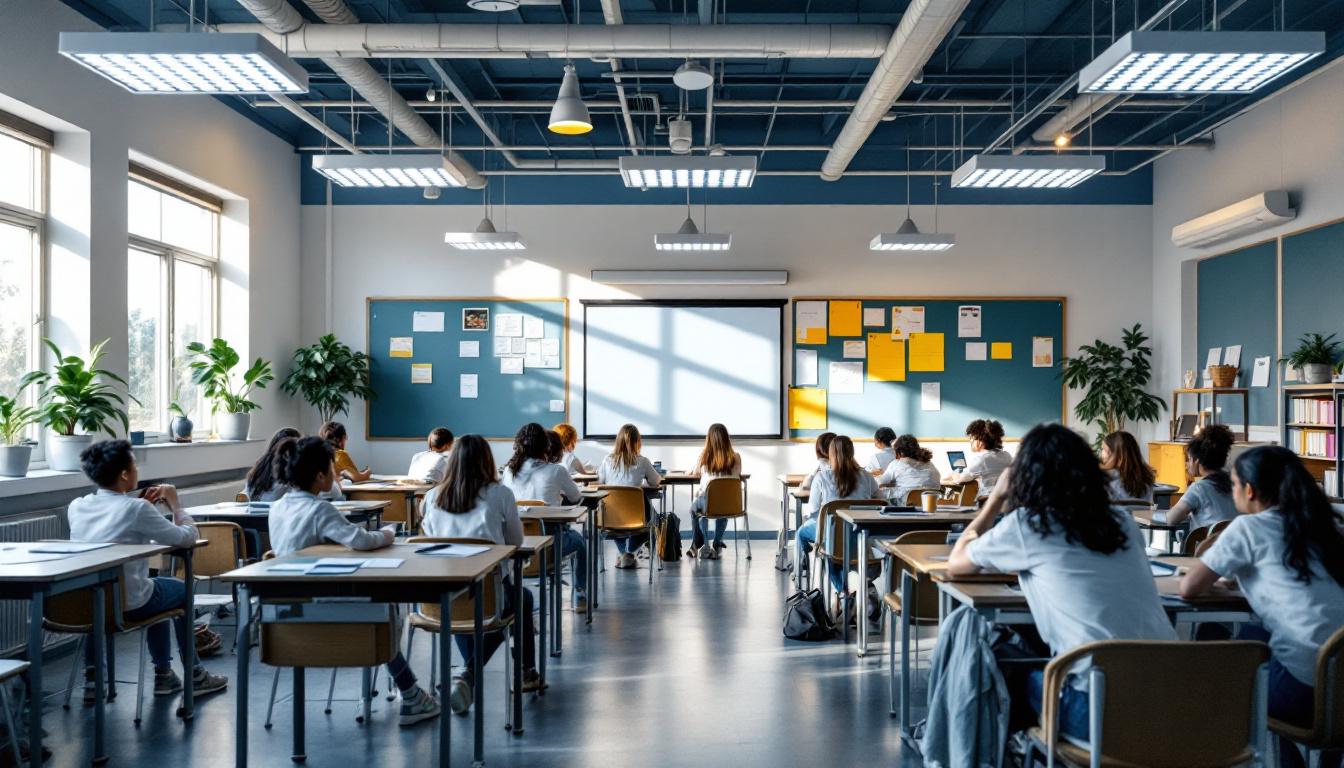
As educational environments evolve, so too must the lighting solutions that illuminate them. Classroom lighting plays a crucial role in fostering an effective learning atmosphere. This guide aims to provide lighting contractors with insights into innovative classroom lighting ideas while highlighting common pitfalls to avoid.
Understanding the Importance of Classroom Lighting
Classroom lighting is not merely a functional necessity; it significantly impacts students’ mood, concentration, and overall learning experience. Proper lighting can enhance visibility, reduce eye strain, and create an inviting atmosphere conducive to learning. Studies have shown that well-lit classrooms can lead to improved academic performance, as students are better able to focus on their tasks without the distraction of harsh or inadequate lighting.
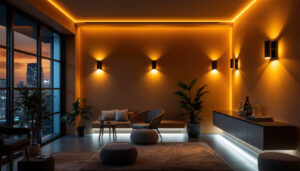
Moreover, the right lighting can influence classroom dynamics. It can help to create a sense of calm or stimulate energy, depending on the needs of the lesson. For instance, soft, warm lighting can foster a relaxed environment ideal for discussions or creative activities, while brighter, cooler lighting can invigorate students during more active or engaging lessons. Understanding the psychological and physiological effects of lighting is essential for any contractor looking to implement effective solutions, as it allows for a tailored approach that meets the diverse needs of students and educators alike.
Types of Classroom Lighting
When considering classroom lighting, it is essential to understand the various types of lighting that can be utilized. Generally, classroom lighting can be categorized into three main types: ambient, task, and accent lighting. Ambient lighting provides the overall illumination necessary for the classroom, ensuring that all areas are evenly lit and reducing shadows that can cause distractions.
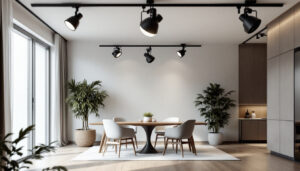
Task lighting focuses on specific areas where students may need additional light for reading or writing, such as individual desks or group workstations. This type of lighting is particularly important for activities that require precision, such as art projects or science experiments. Accent lighting, on the other hand, can be used to highlight specific areas or features within the classroom, such as artwork or educational displays. This not only enhances the aesthetic appeal of the space but also draws attention to important learning materials, making them more engaging for students.
Natural vs. Artificial Lighting
Natural light is often the most desirable option, as it has been shown to improve mood and productivity. Exposure to natural light can help regulate circadian rhythms, leading to better sleep patterns and overall well-being. However, relying solely on natural light can be unpredictable due to weather changes and time of day. Therefore, a combination of natural and artificial lighting is usually the best approach, allowing for a more consistent and controlled learning environment.
Artificial lighting should be designed to complement natural light, ensuring that classrooms remain well-lit even when sunlight is not available. The use of dimmable LED fixtures can help create a flexible lighting environment that adapts to various activities throughout the day. Additionally, incorporating smart lighting systems can allow teachers to adjust the intensity and color temperature of the lights based on the specific needs of their lessons, further enhancing the learning experience. By thoughtfully considering both natural and artificial lighting, educators can create a dynamic classroom atmosphere that supports diverse teaching methods and learning styles.
Key Considerations for Classroom Lighting Design
Designing an effective lighting plan for classrooms requires careful consideration of several factors. From the layout of the classroom to the age of the students, each element can influence the choice of lighting solutions.
Room Layout and Functionality
The layout of the classroom is a critical factor in determining the lighting design. Classrooms that are arranged in a traditional format may require different lighting solutions compared to those that utilize flexible or collaborative layouts.
Additionally, the functionality of the space must be taken into account. For example, classrooms used for art or science experiments may require specialized lighting that can accommodate specific tasks. Understanding the primary activities that will take place in the classroom will guide the selection of appropriate lighting solutions. Moreover, the use of adjustable lighting can enhance the learning environment by allowing educators to modify the brightness based on the activity, whether it be group discussions, presentations, or independent study. Incorporating dimmable fixtures can also support various teaching methods and activities, creating a dynamic atmosphere that adapts to the needs of both teachers and students.
Age and Needs of Students
The age and specific needs of students can also dictate lighting choices. Younger students may benefit from brighter, more vibrant lighting to keep them engaged, while older students may prefer a more subdued atmosphere that allows for concentration.
Furthermore, special education classrooms may require tailored lighting solutions to accommodate students with sensory sensitivities. It is essential to collaborate with educators to understand the unique needs of their students and adjust the lighting design accordingly. For instance, utilizing natural light sources, such as large windows or skylights, can create a more inviting and less stressful environment for all students, particularly those with sensory processing challenges. Additionally, the integration of color-changing LED lights can provide an interactive element, allowing students to experience different moods and settings, which can enhance creativity and focus during various learning activities. By considering these factors, educators can create a classroom that not only meets educational needs but also fosters a positive and inclusive atmosphere for all learners.
Common Pitfalls in Classroom Lighting
Even experienced lighting contractors can fall prey to common pitfalls when designing classroom lighting. Awareness of these issues is essential to ensure successful implementation and satisfaction from educators and students alike.
Overly Harsh Lighting
One of the most significant mistakes is the use of overly harsh lighting, which can lead to discomfort and eye strain. Bright fluorescent lights, while effective for illumination, can create a sterile environment that detracts from the learning experience.
To avoid this pitfall, consider using softer, diffused lighting options that create a more inviting atmosphere. LED fixtures with adjustable color temperatures can also help in achieving a balance between brightness and comfort.
Inadequate Lighting Control
Another common issue is the lack of adequate lighting control. Classrooms are dynamic environments that require flexibility in lighting to accommodate different activities. Without the ability to adjust lighting levels, educators may struggle to create the desired atmosphere for their lessons.
Incorporating dimmable fixtures and multiple lighting zones can provide educators with the tools they need to tailor the lighting to their specific needs. This flexibility is especially important in classrooms that host a variety of activities throughout the day.
Neglecting Maintenance Considerations
Lighting fixtures require regular maintenance to ensure optimal performance. Contractors often overlook this aspect during the design phase, which can lead to long-term issues. Dust accumulation, burned-out bulbs, and outdated technology can all diminish the effectiveness of classroom lighting.
Designing with maintenance in mind is crucial. Selecting durable fixtures and easy-to-replace bulbs can help minimize downtime and ensure that classrooms remain well-lit. Additionally, providing educators with guidance on routine maintenance can foster a culture of care for the learning environment.
Innovative Classroom Lighting Solutions
As technology advances, so do the options available for classroom lighting. Innovative solutions can enhance the learning environment while addressing common challenges faced by educators.
Smart Lighting Systems
Smart lighting systems allow for advanced control over classroom lighting. These systems can be programmed to adjust based on the time of day, occupancy, or specific activities. For instance, lights can automatically dim during presentations or brighten during group activities.
Additionally, smart lighting can integrate with other classroom technologies, such as projectors and interactive whiteboards, creating a seamless learning experience. This level of control not only improves functionality but can also contribute to energy savings.
Color Temperature Adjustability
Adjustable color temperature lighting is another innovative solution that can enhance classroom environments. Research indicates that different color temperatures can influence mood and productivity. Cooler temperatures may enhance alertness, while warmer temperatures can create a more relaxed atmosphere.
By incorporating fixtures that allow for color temperature adjustments, contractors can provide educators with the flexibility to create the ideal learning environment for various activities throughout the day.
Implementing Sustainable Lighting Practices
In today’s environmentally conscious society, sustainability is a key consideration in any lighting design. Implementing sustainable practices not only benefits the environment but can also lead to cost savings for educational institutions.
Energy-Efficient Lighting Solutions
Energy-efficient lighting, such as LED fixtures, should be a primary consideration in classroom lighting design. LEDs consume significantly less energy than traditional incandescent or fluorescent bulbs, resulting in lower energy costs over time.
Additionally, energy-efficient lighting often has a longer lifespan, reducing the frequency of replacements and maintenance. This not only saves money but also minimizes waste, contributing to a more sustainable approach to classroom lighting.
Utilizing Daylight Harvesting
Daylight harvesting is a sustainable practice that involves maximizing the use of natural light while minimizing reliance on artificial lighting. This can be achieved through the strategic placement of windows, skylights, and light tubes.
By designing classrooms that take advantage of natural light, contractors can create brighter, more inviting spaces while reducing energy consumption. Incorporating shading devices can also help control glare and heat gain, ensuring a comfortable learning environment.
Conclusion: Creating Effective Learning Environments
Classroom lighting is a critical component of creating effective learning environments. By understanding the importance of lighting, avoiding common pitfalls, and implementing innovative and sustainable solutions, lighting contractors can significantly enhance the educational experience.
As the landscape of education continues to evolve, so too must the approaches to classroom lighting. By staying informed about the latest trends and technologies, contractors can ensure that their designs meet the needs of educators and students alike, fostering a brighter future for learning.
Illuminate Your Projects with LumenWholesale
Ready to elevate your classroom lighting designs with the best products on the market? Look no further than LumenWholesale. Our commitment to quality and affordability ensures that you can create effective learning environments without breaking the bank. With our extensive selection of spec-grade lighting products, you’ll find everything you need to avoid common pitfalls and implement the innovative solutions discussed in this guide. Plus, enjoy the convenience of free shipping on bulk orders. Don’t compromise on quality or cost—choose Wholesale Lighting at the Best Value and make your next project shine with LumenWholesale.