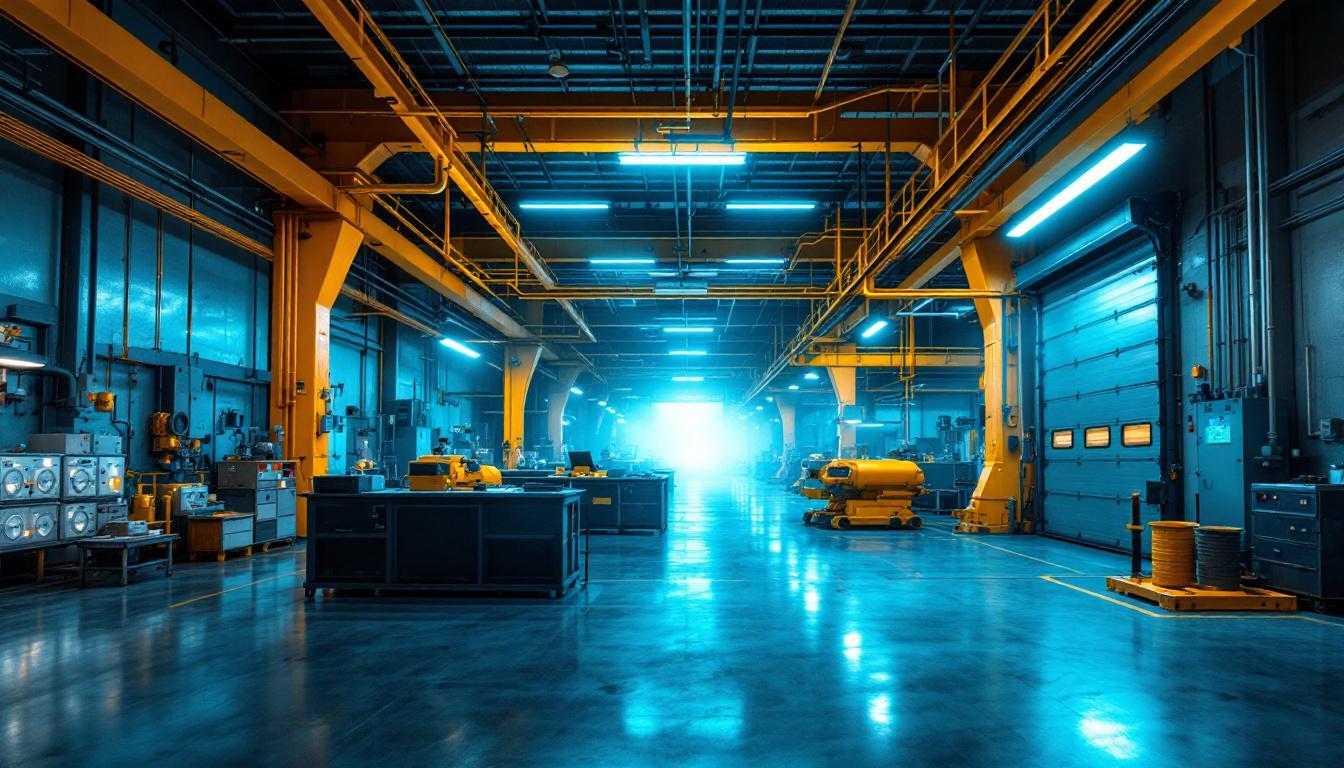
In the realm of industrial and commercial lighting, understanding the classifications of hazardous locations is crucial for lighting contractors. Among these classifications, Class 1 Division 2 (C1D2) lighting holds particular significance. This article delves into the essential facts surrounding C1D2 lighting, providing contractors with the knowledge they need to ensure compliance, safety, and efficiency in their projects.
Understanding Class 1 Division 2
Class 1 Division 2 areas are defined as locations where flammable gases or vapors may be present under abnormal conditions. Unlike Class 1 Division 1 areas, where hazardous materials are always present, Division 2 areas are characterized by the potential for hazardous conditions occurring only during specific circumstances. This distinction is vital for contractors to comprehend when selecting appropriate lighting solutions.
Key Characteristics of C1D2 Locations
In Class 1 Division 2 environments, the presence of flammable gases or vapors is not constant. These locations might include areas adjacent to storage facilities, processing plants, or any site where flammable materials are handled. Understanding the characteristics of these areas helps in determining the necessary safety measures and equipment standards.
Contractors should be aware that even though the risk of ignition is lower in Division 2 areas compared to Division 1, the potential for hazardous conditions still exists. Therefore, lighting solutions must be designed to mitigate any risks associated with accidental ignition. This includes the use of explosion-proof fixtures, which are specifically engineered to withstand internal explosions and prevent the escape of flames or hot gases that could ignite surrounding vapors.
Common Applications for C1D2 Lighting
Class 1 Division 2 lighting is commonly utilized in various industries, including oil and gas, chemical manufacturing, and wastewater treatment. In these sectors, lighting must not only provide adequate illumination but also comply with stringent safety regulations.
For instance, in an oil refinery, lighting in areas where flammable vapors may escape during maintenance operations must be carefully designed to prevent any potential ignition sources. This underscores the importance of selecting the right fixtures and ensuring they meet the necessary safety standards. Additionally, the use of LED technology in C1D2 lighting has gained popularity due to its energy efficiency and long lifespan, which reduces maintenance costs and the frequency of bulb replacements in hazardous environments.
Moreover, the installation of lighting systems in Class 1 Division 2 areas often requires a thorough risk assessment to identify potential hazards and implement appropriate controls. This may involve consulting with safety engineers and adhering to guidelines set forth by organizations such as the National Fire Protection Association (NFPA) and the Occupational Safety and Health Administration (OSHA). By following these protocols, contractors can ensure that their lighting solutions not only enhance visibility but also contribute to the overall safety of the workplace, thereby minimizing the risk of accidents and ensuring compliance with industry regulations.
Regulatory Standards and Compliance
Compliance with regulatory standards is paramount for lighting contractors working in Class 1 Division 2 environments. The National Electrical Code (NEC) and Underwriters Laboratories (UL) standards provide guidelines for the installation and maintenance of electrical equipment in hazardous locations.
National Electrical Code (NEC) Guidelines
The NEC outlines specific requirements for electrical installations in hazardous locations, including Class 1 Division 2 areas. Contractors must familiarize themselves with Article 500, which details the classification of hazardous locations and the types of equipment permitted in these areas.
For example, the NEC specifies that lighting fixtures used in C1D2 areas must be rated for such environments and should be installed in a manner that minimizes the risk of ignition. This includes considerations for wiring methods, fixture placement, and the use of explosion-proof or intrinsically safe equipment. Additionally, contractors should be aware of the importance of regular inspections and maintenance to ensure that all installations remain compliant over time, as wear and tear can affect the integrity of the equipment and its safety features.
Underwriters Laboratories (UL) Standards
In addition to NEC guidelines, UL standards play a critical role in ensuring the safety of lighting fixtures used in hazardous locations. UL 844, for instance, provides requirements for the construction and performance of lighting fixtures intended for use in Class 1 Division 2 environments.
Contractors should ensure that any lighting products they select are UL-listed for C1D2 applications. This certification indicates that the fixtures have undergone rigorous testing and meet the necessary safety standards, providing an added layer of assurance for both contractors and clients. Furthermore, understanding the significance of other UL standards, such as UL 1598, which covers the general requirements for luminaires, can enhance a contractor’s ability to select appropriate fixtures that not only comply with safety regulations but also meet performance expectations in demanding environments. The interplay between these standards ensures that lighting solutions are not only safe but also efficient and reliable, contributing to the overall safety and productivity of operations in hazardous locations.
Choosing the Right Lighting Solutions
Selecting the appropriate lighting solutions for Class 1 Division 2 areas involves several considerations. Contractors must evaluate factors such as fixture type, mounting options, and energy efficiency to ensure optimal performance and safety.
Fixture Types and Features
When it comes to lighting fixtures for C1D2 environments, there are several options available. LED fixtures are becoming increasingly popular due to their energy efficiency, longevity, and low heat output. These features make LEDs an ideal choice for hazardous locations, as they reduce the risk of ignition.
Additionally, contractors should consider the use of explosion-proof fixtures, which are designed to contain any potential explosions within the fixture itself. This design feature is critical in C1D2 areas, where the risk of ignition must be minimized.
Energy Efficiency and Sustainability
With the growing emphasis on sustainability, energy efficiency has become a significant consideration for lighting contractors. In Class 1 Division 2 environments, selecting energy-efficient lighting solutions not only helps reduce operational costs but also aligns with environmental goals.
LED technology, for instance, offers substantial energy savings compared to traditional incandescent or fluorescent fixtures. Furthermore, many LED products are available with advanced features such as dimming capabilities and smart controls, allowing for enhanced energy management in hazardous locations.
Installation Best Practices
Proper installation of lighting fixtures in Class 1 Division 2 areas is essential for ensuring safety and compliance. Contractors should adhere to best practices to minimize risks and enhance the longevity of the lighting systems.
Site Assessment and Planning
Before installation, a thorough site assessment is crucial. Contractors should evaluate the specific conditions of the C1D2 area, including the potential for gas or vapor accumulation, to determine the optimal placement of lighting fixtures. This assessment should also consider the height and angle of the fixtures to ensure adequate illumination without creating shadows or dark spots.
Planning the installation process involves coordinating with other trades and ensuring that all safety protocols are followed. This may include isolating the area during installation to prevent exposure to hazardous materials.
Regular Maintenance and Inspections
Once installed, regular maintenance and inspections are vital to ensure the ongoing safety and functionality of lighting systems in Class 1 Division 2 areas. Contractors should establish a maintenance schedule that includes checking for signs of wear, ensuring that fixtures remain clean and free of obstructions, and testing any emergency lighting systems.
Documentation of maintenance activities is also important for compliance purposes. Keeping detailed records can help contractors demonstrate adherence to safety standards and regulations during audits or inspections.
Training and Education for Contractors
As the landscape of industrial lighting continues to evolve, ongoing training and education for lighting contractors are essential. Staying informed about the latest technologies, regulations, and best practices ensures that contractors can provide the highest level of service to their clients.
Industry Certifications and Training Programs
Participating in industry certifications and training programs can enhance a contractor’s knowledge and skills related to Class 1 Division 2 lighting. Organizations such as the National Fire Protection Association (NFPA) and the International Electrotechnical Commission (IEC) offer valuable resources and training opportunities.
These programs often cover topics such as hazardous location classifications, equipment selection, and installation best practices. By investing in education, contractors can position themselves as experts in the field, ultimately benefiting their clients and enhancing their business reputation.
Staying Updated on Regulatory Changes
Regulatory standards and guidelines are subject to change, making it essential for contractors to stay informed about any updates that may impact their work. Subscribing to industry publications, attending conferences, and participating in professional organizations can provide valuable insights into evolving regulations and technologies.
By remaining proactive in their education, contractors can ensure that they are always equipped to meet the challenges of working in Class 1 Division 2 environments, thereby enhancing safety and compliance for their projects.
Conclusion
Class 1 Division 2 lighting presents unique challenges and opportunities for lighting contractors. By understanding the characteristics of C1D2 areas, adhering to regulatory standards, and selecting appropriate lighting solutions, contractors can ensure the safety and efficiency of their installations.
Moreover, ongoing education and training play a vital role in maintaining compliance and staying ahead in an ever-evolving industry. By prioritizing safety and embracing innovation, lighting contractors can continue to thrive in the competitive landscape of hazardous location lighting.
Ultimately, the commitment to quality, safety, and compliance will not only enhance the reputation of contractors but also contribute to the overall safety of the environments in which they work.
Illuminate Your Projects with LumenWholesale
Ready to elevate your lighting solutions for Class 1 Division 2 environments? Look no further than LumenWholesale for a seamless experience in acquiring premium lighting. Our extensive selection of spec-grade lighting products meets the highest industry standards, ensuring you get reliable, high-performance lighting for every project. With unbeatable wholesale prices and the convenience of bulk buying without the middleman, you can trust us to provide the best value for your investment. Plus, with free shipping on bulk orders, you can rest assured that you’re getting top-quality lighting at the best price, without any hidden fees. Don’t compromise on quality, affordability, or convenience. Choose LumenWholesale for your next project and experience the difference. Wholesale Lighting at the Best Value