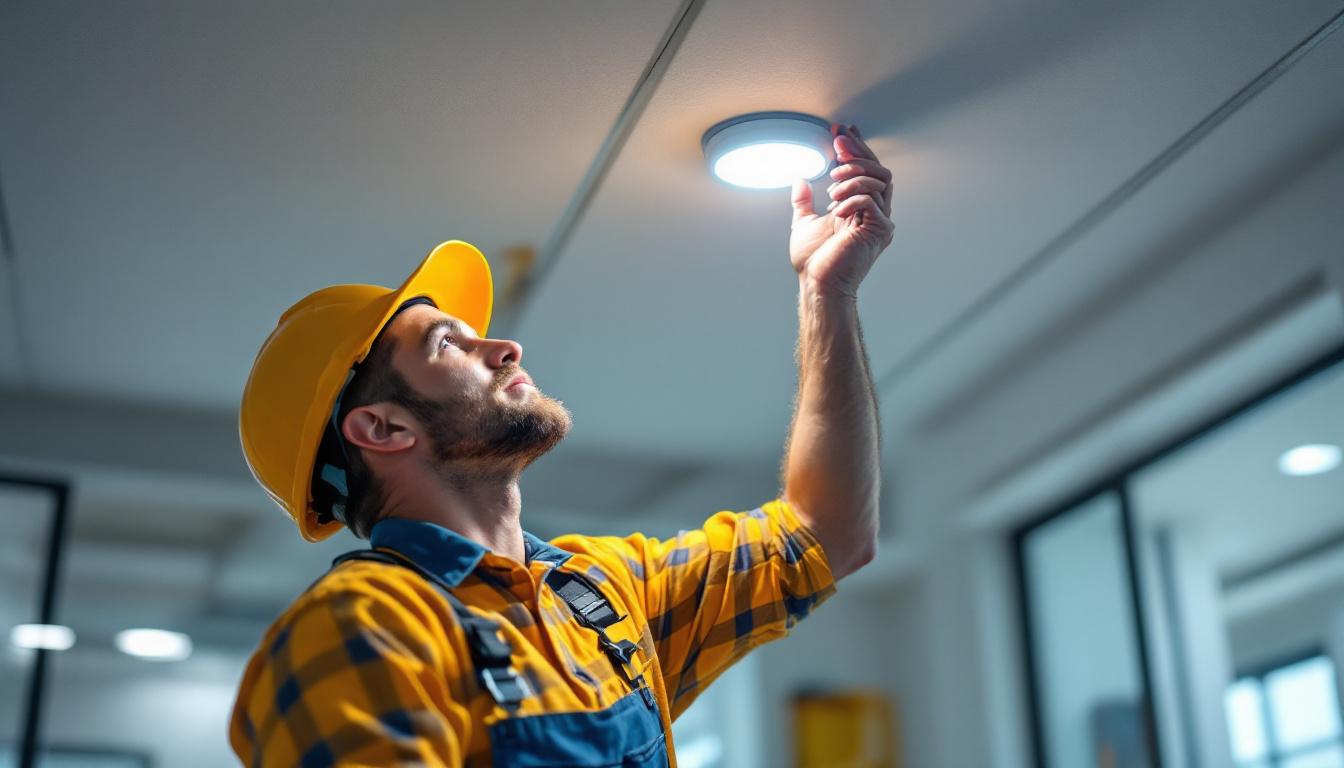
As the demand for energy efficiency and smart building solutions continues to rise, ceiling occupancy sensors have become an essential tool for lighting contractors. These devices not only enhance energy savings but also improve the overall user experience in various environments, from offices to warehouses. However, the installation and integration of these sensors come with their own set of challenges and best practices. This article outlines the do’s and don’ts for lighting contractors working with ceiling occupancy sensors.
Understanding Ceiling Occupancy Sensors
Ceiling occupancy sensors are devices designed to detect the presence of individuals in a given area and automatically control lighting based on occupancy. They utilize various technologies, such as passive infrared (PIR), ultrasonic, or dual-technology, to sense movement and adjust lighting accordingly. Understanding these technologies is crucial for effective installation and operation.
Types of Ceiling Occupancy Sensors
There are primarily three types of ceiling occupancy sensors: passive infrared (PIR), ultrasonic, and dual-technology sensors. Each type has its advantages and disadvantages, making it essential for contractors to choose the right sensor based on the specific application.
PIR sensors are commonly used in smaller spaces, as they detect heat emitted by moving bodies. Ultrasonic sensors, on the other hand, are ideal for larger areas and can detect even the slightest movements, as they use sound waves. Dual-technology sensors combine both PIR and ultrasonic technologies to minimize false triggers, making them suitable for a variety of environments.
Applications of Ceiling Occupancy Sensors
Ceiling occupancy sensors are widely used in commercial, industrial, and residential applications. In offices, they help reduce energy consumption by ensuring lights are only on when needed. In warehouses, they can enhance safety by providing adequate lighting when personnel are present. Residential applications include hallways, bathrooms, and garages, where automatic lighting can improve convenience and safety.
In addition to these common applications, ceiling occupancy sensors are increasingly being integrated into smart building systems, where they can communicate with other devices to optimize energy use further. For instance, in a smart office environment, these sensors can work in tandem with HVAC systems to adjust heating and cooling based on occupancy, contributing to a more sustainable and efficient workspace. Furthermore, the data collected by these sensors can be analyzed to understand usage patterns, allowing facility managers to make informed decisions about space utilization and energy management.
Moreover, the advancement in technology has led to the development of sensors that can be integrated with mobile applications, enabling users to monitor and control lighting remotely. This feature is particularly beneficial for homeowners who want to manage their energy consumption more effectively or for businesses looking to enhance security by ensuring that lights are activated in response to movement even when no one is physically present on-site. As the demand for energy-efficient solutions continues to rise, ceiling occupancy sensors are becoming an essential component of modern lighting design and building management strategies.
The Do’s of Installing Ceiling Occupancy Sensors
To ensure optimal performance and user satisfaction, lighting contractors should adhere to several best practices during the installation of ceiling occupancy sensors.
Do Conduct a Site Assessment
Before installation, a thorough site assessment is essential. Understanding the layout, furniture placement, and typical occupancy patterns will help determine the most effective sensor placement. Consider factors such as ceiling height, potential obstructions, and the purpose of the space to ensure the sensors function correctly.
During the assessment, it is also important to evaluate existing lighting systems and determine how the new sensors will integrate with them. This can help identify any necessary adjustments or upgrades to ensure compatibility and efficiency. Additionally, take note of any specific user needs or preferences, as this can influence the overall effectiveness of the occupancy sensors. For instance, in spaces that require frequent manual overrides, understanding user behavior can lead to more strategic sensor placements that minimize disruption.
Do Choose the Right Sensor
Selecting the appropriate type of sensor is crucial for achieving desired outcomes. Factors such as the size of the space, ceiling height, and the nature of activities taking place will influence the choice of sensor. For example, in a conference room with high ceilings, a dual-technology sensor may be more effective than a PIR sensor alone.
Additionally, consider the sensor’s coverage area and sensitivity settings. Some sensors allow for customization, enabling contractors to fine-tune their performance based on the specific requirements of the space. It is also worth exploring advanced features such as daylight harvesting capabilities, which can further enhance energy efficiency by adjusting lighting levels based on the amount of natural light available. This not only contributes to sustainability efforts but can also create a more comfortable environment for occupants.
Do Follow Manufacturer Guidelines
Every sensor comes with specific installation and configuration guidelines provided by the manufacturer. Adhering to these guidelines is essential for ensuring optimal performance and longevity of the device. Pay close attention to details such as mounting height, wiring connections, and programming settings.
Moreover, manufacturers often provide technical support and resources that can assist contractors during the installation process. Utilizing these resources can help avoid common pitfalls and ensure a successful installation. Additionally, staying informed about any firmware updates or new features released by the manufacturer can enhance the functionality of the sensors over time. Regularly reviewing these updates can lead to improved performance and user satisfaction, as well as extend the lifespan of the installed systems.
The Don’ts of Installing Ceiling Occupancy Sensors
While there are many best practices to follow, there are also several common mistakes that lighting contractors should avoid when installing ceiling occupancy sensors.
Don’t Overlook Environmental Factors
Environmental factors can significantly impact the performance of ceiling occupancy sensors. For instance, extreme temperatures or humidity levels may affect sensor accuracy. Additionally, the presence of reflective surfaces, such as mirrors or windows, can lead to false triggers or missed detections.
Contractors should consider these environmental factors during the site assessment and installation process. If necessary, adjustments to the sensor’s placement or settings may be required to mitigate these issues. Furthermore, it’s important to evaluate the layout of the space. High ceilings or open floor plans can create challenges for sensor detection, necessitating the use of multiple sensors or specialized models designed for larger areas. Understanding the unique characteristics of the installation environment allows for a more tailored approach, ensuring that the sensors function optimally in their specific settings.
Don’t Ignore User Needs
Understanding the needs and preferences of the end-users is vital for successful sensor installation. For example, some users may prefer manual overrides or adjustable sensitivity settings to accommodate varying occupancy patterns.
Engaging with clients and gathering feedback during the installation process can help tailor the system to their specific needs, resulting in higher satisfaction and better overall performance. Additionally, educating users about how the sensors work and any available features can enhance their experience. Providing training on how to adjust settings or troubleshoot minor issues empowers users and fosters a sense of ownership over the technology. This proactive approach can lead to fewer service calls and a more positive relationship between contractors and clients, as users feel supported and informed about their lighting systems.
Don’t Rush the Testing Phase
After installation, it is crucial to thoroughly test the system before finalizing the project. Rushing through this phase can lead to overlooked issues, such as incorrect sensor placement or programming errors. Take the time to verify that the sensors are functioning as intended, adjusting settings as necessary to achieve optimal performance.
Testing should include various scenarios, such as different occupancy levels and movement patterns, to ensure the sensors respond appropriately. This step is essential for building trust with clients and ensuring a successful installation. Moreover, documenting the testing process and results can serve as a valuable reference for future maintenance or troubleshooting. By keeping a record of the sensor performance and any adjustments made, contractors can provide ongoing support and demonstrate their commitment to quality service. This thoroughness not only enhances the reliability of the system but also reinforces the contractor’s reputation for professionalism and expertise in the field.
Maintenance and Troubleshooting
Once the ceiling occupancy sensors are installed, ongoing maintenance and troubleshooting are essential to ensure they continue to operate effectively.
Regular Maintenance Checks
Regular maintenance checks can help identify potential issues before they escalate. This includes cleaning the sensors to remove dust and debris, which can obstruct their ability to detect movement accurately. Additionally, reviewing the system settings periodically can help ensure they remain aligned with user needs and occupancy patterns.
Contractors should also stay informed about any software updates or product recalls from manufacturers, as these can impact the performance and reliability of the sensors.
Troubleshooting Common Issues
Even with proper installation and maintenance, issues may arise. Common problems include false triggers, missed detections, or sensors not responding at all. Troubleshooting these issues often involves checking the sensor’s placement, ensuring there are no obstructions, and verifying that the settings are correctly configured.
If problems persist, consulting the manufacturer’s support resources can provide valuable insights and solutions. Engaging with technical support can help resolve issues efficiently, minimizing downtime and ensuring client satisfaction.
Conclusion
Ceiling occupancy sensors are a valuable addition to any lighting contractor’s toolkit, offering energy savings and enhanced user experience. By adhering to the do’s and don’ts outlined in this article, contractors can ensure successful installations that meet client needs and expectations.
From conducting thorough site assessments to selecting the right sensors and engaging with users, each step plays a crucial role in the overall success of the project. With proper maintenance and troubleshooting practices, contractors can further enhance the longevity and performance of these systems, solidifying their reputation as reliable professionals in the lighting industry.
As the industry continues to evolve, staying informed about advancements in sensor technology and best practices will be essential for lighting contractors looking to remain competitive and provide exceptional service to their clients.
Upgrade Your Lighting Projects with LumenWholesale
Ready to take your lighting installations to the next level? At LumenWholesale, we provide lighting contractors like you with the highest quality, spec-grade ceiling occupancy sensors and lighting products at unbeatable wholesale prices. Say goodbye to local distributor markups and hello to superior products that meet the strictest industry standards. Plus, with free shipping on bulk orders, you can stock up on the best lighting solutions without worrying about hidden fees. Elevate your projects with the perfect combination of quality, affordability, and convenience. Discover the value of wholesale lighting and enhance your professional toolkit today by visiting Wholesale Lighting at the Best Value.