Understanding the Candelabra Base Bulb Type B: Fundamentals for Lighting Contractors
For lighting contractors, mastering the nuances of various bulb types is essential to delivering quality installations and maintenance services. Among these, the candelabra base bulb type B stands out due to its widespread use in decorative and specialty lighting applications. This bulb type, often recognized by its smaller screw base and elegant appearance, is a staple in chandeliers, sconces, and accent lighting fixtures.
The candelabra base, also known as E12 in North America, refers to the 12-millimeter diameter of the screw base. Type B bulbs typically have a flame or torpedo shape, which complements the aesthetic of traditional and vintage-style fixtures. Understanding these physical characteristics helps contractors select the right bulb for both functional and stylistic requirements. Additionally, the design of type B bulbs allows for a variety of finishes, including clear, frosted, and colored options, providing further versatility in matching the ambiance of a space.
Lighting contractors must also be familiar with the electrical specifications of type B bulbs, including voltage ratings, wattage, and compatibility with dimmers and other control systems. This foundational knowledge ensures that installations meet safety standards and client expectations. Moreover, energy efficiency is an increasingly important consideration; contractors should be aware of the availability of LED type B bulbs, which not only consume less power but also have a longer lifespan compared to traditional incandescent options. This shift towards energy-efficient lighting solutions is not only beneficial for the environment but also appealing to clients looking to reduce their energy costs.
Furthermore, the application of type B bulbs extends beyond mere aesthetics; they play a crucial role in creating the desired mood and functionality of a space. For instance, in dining areas, warm white type B bulbs can enhance the inviting atmosphere, while cooler tones may be more suitable for task-oriented spaces like kitchens or work areas. Understanding the psychological effects of light can empower contractors to make informed recommendations that align with their clients’ preferences and needs. Additionally, staying updated on the latest trends in lighting design, such as the integration of smart lighting technology, can further enhance a contractor’s service offerings, allowing for innovative solutions that cater to modern lifestyles.
Technical Specifications and Variations of Type B Candelabra Bulbs
Shape and Size Variants
Type B bulbs come in several shapes, including B10, B11, and B13, where the number indicates the bulb’s diameter in eighths of an inch. For example, a B10 bulb measures 10/8 inches in diameter. These subtle size differences affect the bulb’s fit and light distribution within fixtures.
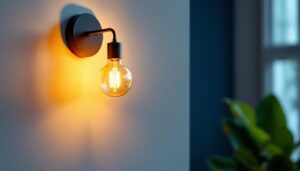
The flame tip design is particularly popular for chandeliers, providing a flickering, candle-like effect that enhances ambiance. Some variations feature a torpedo or bullet shape for a more streamlined look, suitable for modern fixtures. Additionally, there are decorative options available, such as colored or frosted finishes, which can add a unique touch to various lighting designs. These aesthetic variations allow designers and homeowners to customize their lighting to match their interior decor, creating a cohesive and inviting atmosphere.
Light Output and Efficiency
While traditional incandescent candelabra bulbs have been widely used, lighting contractors are increasingly turning to LED equivalents. LED type B bulbs offer significant energy savings, longer lifespans, and reduced heat output without compromising on brightness or color quality.
For instance, an LED B10 bulb can provide the same lumen output as a 40-watt incandescent bulb while consuming only 5 to 7 watts. This efficiency not only reduces operational costs but also aligns with growing energy codes and sustainability goals in commercial and residential projects. Furthermore, the longevity of LED bulbs—often exceeding 25,000 hours—means less frequent replacements, which is particularly advantageous in hard-to-reach fixtures. This durability makes them an ideal choice for both residential and commercial applications, where maintenance costs can be a significant concern.
Color Temperature and CRI
Color temperature is a critical factor in selecting candelabra bulbs. Warm white tones (2700K to 3000K) are preferred for creating cozy, inviting atmospheres, especially in hospitality and residential settings. Higher color temperatures (3500K to 4100K) may be used in retail or task lighting where clarity and brightness are prioritized.
The Color Rendering Index (CRI) is another important specification. A CRI of 80 or above is generally recommended to ensure colors appear natural and vibrant under the light source. Many LED candelabra bulbs now offer CRI ratings of 90+, which is beneficial for high-end applications. This high CRI is particularly crucial in settings like art galleries or showrooms, where accurate color representation can significantly impact the perception of products or artwork. Additionally, some manufacturers are now experimenting with tunable white technology, allowing users to adjust the color temperature according to the time of day or specific activities, further enhancing the versatility of candelabra lighting solutions.
Installation Best Practices for Lighting Contractors
Ensuring Compatibility and Safety
Lighting contractors must verify that the candelabra base bulb type B is compatible with the fixture’s socket and electrical system. This includes checking the voltage rating—most candelabra bulbs operate on standard line voltage (120V in North America), but low-voltage options exist for specialized applications. Additionally, contractors should be aware of the wattage limitations of the fixtures being used. Exceeding the recommended wattage can lead to overheating and potential fire hazards, making it crucial to match the bulb’s wattage with the fixture’s specifications.
Proper installation techniques include turning off power at the breaker before bulb replacement, using gloves or a cloth to avoid oils on the bulb surface, and ensuring the bulb is securely screwed in without overtightening, which can damage the base or socket. Furthermore, it is advisable to inspect the fixture for any signs of wear or damage before installation. This proactive approach can prevent future issues and ensure that the lighting system operates safely and efficiently. Regular maintenance checks can also help identify potential problems early, extending the lifespan of both the bulbs and fixtures.
Addressing Dimming and Control Systems
Many decorative lighting installations incorporate dimmers or smart controls. Not all candelabra bulbs are dimmable, especially some LED models. Contractors should confirm the bulb’s dimming capabilities and compatibility with existing dimmer switches or recommend appropriate replacements. It is also beneficial to educate clients about the advantages of using compatible dimmers, such as smoother dimming performance and reduced flicker, which can enhance the overall ambiance of a space.
Smart lighting systems that allow remote control and automation are increasingly popular. Selecting bulbs that support these technologies, such as Zigbee or Wi-Fi-enabled LEDs, can add value to the installation and meet modern client expectations. Moreover, integrating smart lighting with home automation systems can provide users with customizable lighting scenes, energy monitoring, and even voice control options. This level of sophistication not only enhances user experience but also aligns with the growing trend of energy-efficient and sustainable living, making it a smart choice for both contractors and clients alike.
Top Resources for Lighting Contractors to Master Candelabra Base Bulb Type B
Industry Standards and Technical Documentation
Staying current with industry standards is critical. Organizations such as the Illuminating Engineering Society (IES) provide comprehensive guides on lighting design, bulb specifications, and safety protocols. These resources help contractors understand performance metrics and compliance requirements.
Manufacturers’ datasheets and technical bulletins are invaluable for detailed information on specific bulb models. These documents often include electrical characteristics, photometric data, and installation instructions that assist contractors in making informed decisions.
Continuing Education and Certification Programs
Professional development through courses and certifications enhances a contractor’s expertise. Programs offered by the National Association of Electrical Contractors (NECA) or the Lighting Certified program provide specialized training on lighting technologies, including candelabra base bulbs.
These educational opportunities cover emerging trends such as LED retrofits, smart lighting integration, and energy code compliance, ensuring contractors remain competitive and knowledgeable.
Online Forums and Industry Communities
Engaging with peers through online forums like the Lighting Professionals Group on LinkedIn or specialized contractor communities fosters knowledge sharing. Discussions often include troubleshooting tips, product reviews, and installation techniques specific to candelabra bulbs.
Such platforms also provide updates on new products and innovations, enabling contractors to stay ahead of market developments.
Vendor and Manufacturer Support
Establishing strong relationships with lighting suppliers and manufacturers can provide contractors with direct access to technical support, product samples, and training sessions. Many manufacturers offer webinars and workshops focused on their candelabra bulb lines, which can be invaluable for hands-on learning.
Additionally, vendor partnerships can facilitate bulk purchasing discounts and priority service, enhancing project efficiency and profitability.
Emerging Trends and Innovations in Candelabra Base Bulbs
Advancements in LED Technology
LED technology continues to evolve, offering improved color rendering, dimming performance, and form factors that mimic traditional incandescent bulbs more closely. Innovations such as filament-style LEDs provide the classic look desired in decorative fixtures while delivering modern energy efficiency.
These advancements allow lighting contractors to offer clients solutions that combine aesthetic appeal with sustainability, a growing priority in both residential and commercial sectors.
Smart Lighting Integration
The integration of smart lighting controls with candelabra base bulbs is transforming how lighting is experienced. Voice control, scheduling, and scene setting enhance convenience and ambiance. Contractors who master these technologies can differentiate their services and meet the demands of tech-savvy clients.
Regulatory and Sustainability Considerations
Energy efficiency regulations are increasingly influencing lighting choices. Many jurisdictions require the use of energy-saving bulbs in new constructions and renovations. Lighting contractors must be familiar with these codes and advocate for compliant candelabra bulb options that do not sacrifice design intent.
Furthermore, the push toward sustainability encourages the use of recyclable materials and bulbs with longer lifespans, reducing environmental impact and maintenance costs.
Conclusion: Elevating Expertise with Candelabra Base Bulb Type B
For lighting contractors, expertise in candelabra base bulb type B is more than a technical requirement—it is a competitive advantage. Understanding the specifications, installation best practices, and emerging technologies enables contractors to deliver superior lighting solutions tailored to client needs.
Leveraging top resources such as industry standards, continuing education, community engagement, and manufacturer support ensures ongoing mastery of this essential bulb type. Embracing innovations and regulatory trends further positions contractors as trusted professionals in the evolving lighting landscape.
Ultimately, a deep knowledge of candelabra base bulbs empowers contractors to enhance both the functionality and aesthetic appeal of their lighting projects, driving customer satisfaction and business success.
Get Your Premium Candelabra Base Bulbs at LumenWholesale
Ready to elevate your lighting projects with the finest candelabra base bulb type B? Look no further than LumenWholesale, where we provide lighting contractors with top-notch, specification-grade lighting products at unbeatable wholesale prices. Our extensive selection is designed to meet the highest industry standards, ensuring you deliver reliable and high-performance lighting solutions every time. Plus, with free shipping on bulk orders, you can stock up on premium lighting without the worry of hidden fees or compromises. Don’t miss out on the perfect combination of quality, affordability, and convenience. Visit LumenWholesale now for Wholesale Lighting at the Best Value and make your next project shine.