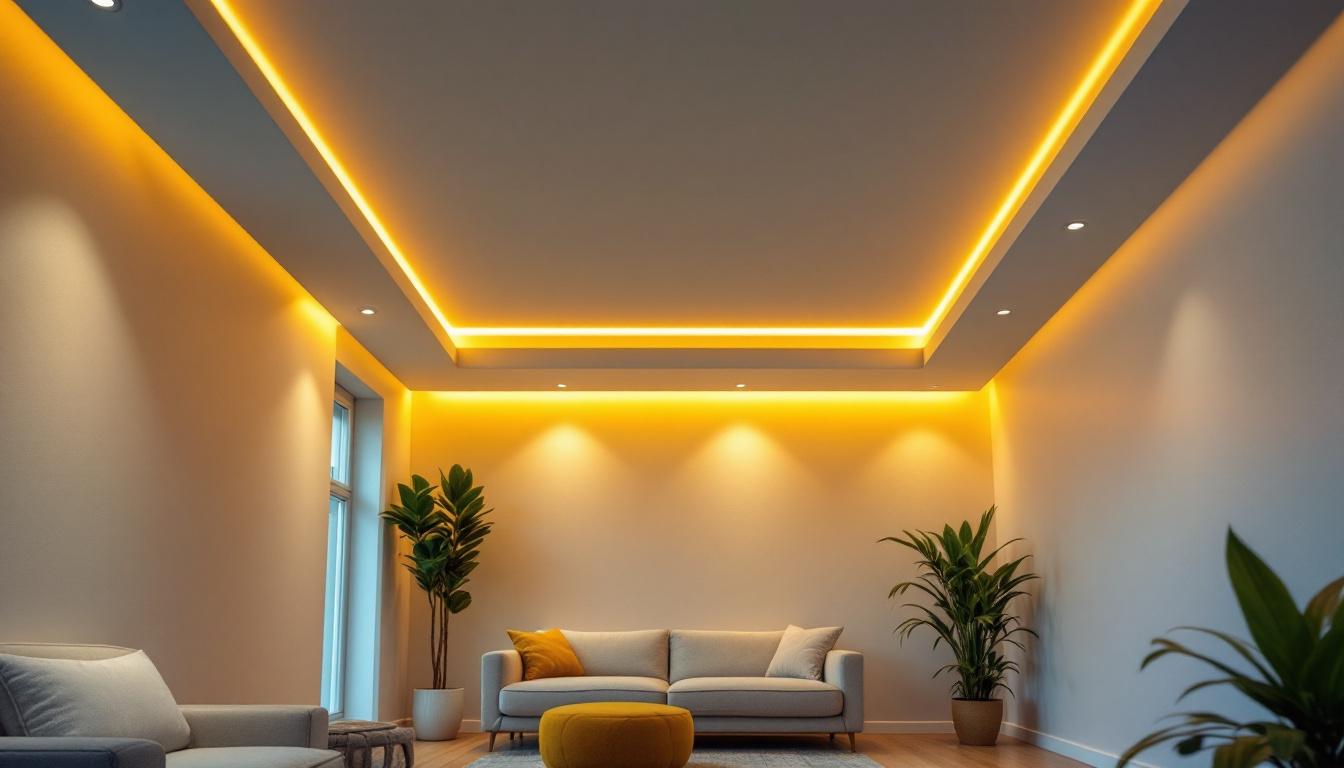
In the world of lighting design and installation, built-in ceiling lights have become a staple for both residential and commercial spaces. Their sleek appearance and versatile functionality make them a preferred choice among homeowners and business owners alike. For lighting contractors, understanding the nuances of built-in ceiling lights is essential for successful installations and satisfied clients. This article delves into the essential facts about built-in ceiling lights, offering insights that can enhance the expertise of lighting contractors.
Understanding Built-In Ceiling Lights
Built-in ceiling lights, often referred to as recessed lighting, are fixtures that are installed into a hollow opening in the ceiling. Unlike traditional light fixtures that hang down, these lights sit flush with the ceiling surface, providing a clean and modern look. Their design allows for a wide range of applications, from general lighting to accent lighting. In addition to their aesthetic appeal, built-in ceiling lights can also enhance the functionality of a space by providing uniform illumination without the clutter of hanging fixtures.
Types of Built-In Ceiling Lights
There are several types of built-in ceiling lights, each designed for specific purposes and environments. The most common types include:
- Recessed Can Lights: These fixtures are housed in a canister that is installed above the ceiling. They are ideal for providing ambient lighting and can be used in various settings.
- LED Downlights: Energy-efficient and long-lasting, LED downlights are becoming increasingly popular. They offer excellent illumination while consuming less power.
- Adjustable or Gimbal Lights: These fixtures can be angled to direct light where it is needed, making them perfect for highlighting artwork or architectural features.
Understanding the different types of built-in ceiling lights allows contractors to recommend the best options for their clients’ specific needs, enhancing both functionality and aesthetics. Additionally, the choice of trim and lens options can further customize the lighting effect, allowing for a tailored approach that meets the unique demands of each space.
Benefits of Built-In Ceiling Lights
Built-in ceiling lights offer numerous advantages that make them a preferred choice for many lighting projects. Some of the key benefits include:
- Space-Saving Design: Their flush installation means they take up no physical space, making them ideal for rooms with low ceilings or limited space.
- Versatility: These lights can be used in various settings, including kitchens, living rooms, offices, and retail spaces, providing flexibility in design.
- Enhanced Aesthetics: Built-in ceiling lights create a seamless look, contributing to a modern and sophisticated ambiance.
These benefits not only appeal to clients but also provide contractors with a compelling selling point when discussing lighting options. Furthermore, built-in ceiling lights can be integrated with smart home technology, allowing users to control brightness and color temperature through mobile apps or voice commands. This level of control not only enhances convenience but also enables users to create the perfect atmosphere for any occasion, from a cozy movie night to an elegant dinner party.
Installation Considerations
Installing built-in ceiling lights requires careful planning and execution. Lighting contractors must consider several factors to ensure a successful installation that meets safety standards and client expectations.
Ceiling Structure and Space
Before installation, it is crucial to assess the ceiling structure. The type of ceiling—whether drywall, plaster, or another material—will influence the installation process. Additionally, the space above the ceiling must be evaluated to ensure there is enough room for the fixtures and wiring.
Contractors should also consider the spacing between fixtures. Proper spacing ensures even light distribution and prevents areas of excessive brightness or shadow. A general guideline is to space recessed lights about 4 to 6 feet apart, but this can vary based on the room’s height and function. For instance, in a kitchen or workspace where task lighting is essential, fixtures may need to be placed closer together to provide adequate illumination for specific areas, such as countertops or workstations. Furthermore, the use of dimmers can enhance flexibility, allowing homeowners to adjust the light intensity according to their needs and preferences.
Electrical Requirements
Electrical considerations are paramount in the installation of built-in ceiling lights. Contractors must ensure that the electrical system can support the added load of the new fixtures. This includes checking the circuit capacity and ensuring that the wiring is up to code.
Using LED fixtures can help mitigate electrical load issues, as they consume less power than traditional incandescent or halogen lights. However, it is still essential to ensure that the circuit is appropriately rated for the total wattage of all installed fixtures. Additionally, contractors should consider the installation of smart lighting systems that can be controlled remotely or programmed for energy efficiency. These systems not only enhance convenience but also contribute to reducing energy consumption over time, aligning with modern sustainability practices.
Compliance with Building Codes
Compliance with local building codes is a critical aspect of any lighting installation. Contractors must be familiar with regulations regarding electrical installations, including wiring methods, fixture placement, and energy efficiency standards.
Failing to adhere to these codes can result in safety hazards and costly penalties. Therefore, it is essential for contractors to stay informed about the latest regulations and ensure that all installations meet the required standards. This may involve consulting with local building authorities or engaging in continuing education to keep abreast of changes in regulations. Moreover, obtaining the necessary permits before beginning work not only ensures compliance but also provides peace of mind for both the contractor and the client, knowing that the installation is being performed within legal and safety parameters.
Choosing the Right Fixtures
The selection of built-in ceiling lights is a crucial step in the installation process. Contractors must consider various factors to ensure they recommend the best fixtures for their clients’ needs.
Light Output and Color Temperature
Light output, measured in lumens, is an essential consideration when selecting built-in ceiling lights. The required brightness will depend on the room’s function and the desired ambiance. For instance, kitchens and workspaces may require brighter lighting, while living rooms may benefit from softer, warmer tones.
Color temperature, measured in Kelvin (K), also plays a significant role in the overall feel of a space. Warmer temperatures (2700K-3000K) create a cozy atmosphere, while cooler temperatures (4000K-5000K) are more suitable for task-oriented areas. Understanding these elements allows contractors to make informed recommendations that align with their clients’ preferences.
Energy Efficiency and Sustainability
With growing awareness of environmental issues, energy efficiency has become a top priority for many homeowners and businesses. LED built-in ceiling lights are an excellent choice for contractors looking to promote sustainability. These fixtures not only consume less energy but also have a longer lifespan compared to traditional lighting options.
Contractors should also consider the availability of energy-efficient certifications, such as ENERGY STAR, when selecting fixtures. These certifications can enhance the appeal of the lighting solutions offered to clients, as they often lead to lower energy bills and a reduced carbon footprint.
Maintenance and Troubleshooting
Even the best-installed built-in ceiling lights may require maintenance or troubleshooting over time. Contractors should be prepared to address common issues that clients may encounter.
Common Issues and Solutions
Some common problems with built-in ceiling lights include flickering, dimming, or complete failure. Flickering lights may indicate a loose connection or an issue with the dimmer switch. In such cases, checking the wiring and ensuring secure connections can often resolve the problem.
If lights are dimming unexpectedly, it may be due to an overloaded circuit or incompatible dimmer switches. Contractors should educate clients on the importance of using compatible dimmers with LED fixtures to prevent this issue.
Regular Maintenance Tips
To ensure longevity and optimal performance, regular maintenance is essential. Contractors can advise clients on simple maintenance tasks, such as cleaning the fixtures and checking for dust buildup, which can affect light output. Additionally, replacing any burnt-out bulbs promptly can help maintain consistent lighting levels.
Encouraging clients to schedule periodic inspections can also help identify potential issues before they become significant problems, ensuring that built-in ceiling lights continue to function effectively.
Trends in Built-In Ceiling Lighting
The lighting industry is constantly evolving, with new trends emerging regularly. Staying updated on these trends can help contractors offer innovative solutions that meet the changing preferences of clients.
Smart Lighting Integration
Smart lighting technology has gained significant traction in recent years. Built-in ceiling lights can now be integrated with smart home systems, allowing users to control their lighting through smartphones or voice commands. This trend not only enhances convenience but also offers customizable lighting options that can adapt to various activities and moods.
Contractors should familiarize themselves with the different smart lighting solutions available and consider offering these options to clients looking to modernize their spaces.
Minimalist Design Aesthetics
As homeowners and businesses continue to embrace minimalist design, built-in ceiling lights are increasingly favored for their unobtrusive appearance. Sleek, low-profile fixtures that blend seamlessly with the ceiling are in high demand. Contractors should keep this trend in mind when selecting fixtures, ensuring they align with contemporary design preferences.
Conclusion
Built-in ceiling lights are a versatile and stylish lighting solution that offers numerous benefits for both contractors and clients. By understanding the various types of fixtures, installation considerations, and maintenance practices, lighting contractors can enhance their expertise and provide exceptional service. Staying informed about current trends and technologies will further empower contractors to meet the evolving needs of their clients, ensuring successful lighting installations for years to come.
In a competitive market, knowledge about built-in ceiling lights can set contractors apart, allowing them to deliver tailored solutions that enhance both functionality and aesthetics in any space.
Illuminate Your Projects with LumenWholesale
Ready to elevate your lighting installations with the finest built-in ceiling lights on the market? Look no further than LumenWholesale, where we offer an exceptional range of spec-grade lighting products at unbeatable wholesale prices. Our commitment to quality and affordability ensures that you can deliver the best value to your clients without compromising on performance. With free shipping on bulk orders, you can stock up on premium lighting solutions and enjoy the convenience of having them delivered directly to your doorstep. Don’t let middleman markups dim your project’s potential. Choose LumenWholesale for a seamless shopping experience and make your next lighting project shine. Discover our extensive selection and take advantage of the best value in wholesale lighting by visiting Wholesale Lighting at the Best Value today.