Introduction: Why Undercabinet Lighting Matters for Contractors
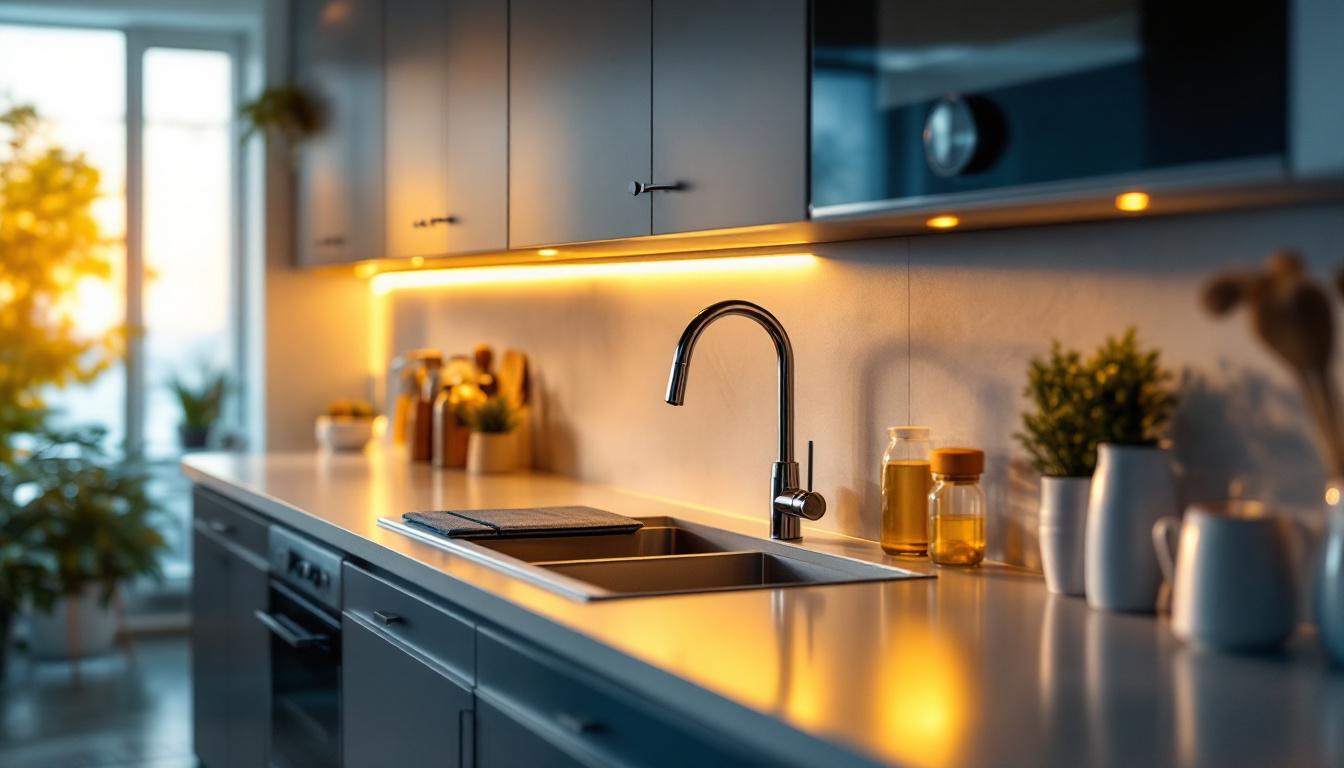
Undercabinet lighting has evolved from a mere functional element to a critical design feature in both residential and commercial spaces. For lighting contractors, mastering the nuances of undercabinet lighting not only enhances project outcomes but also provides a significant competitive edge in a crowded marketplace. The demand for sophisticated, energy-efficient, and aesthetically pleasing lighting solutions continues to grow, driven by consumer preferences and advances in lighting technology.
Understanding the best undercabinet lighting options, installation techniques, and client needs can position contractors as trusted experts. This article delves into the key factors lighting contractors must consider when selecting and installing undercabinet lighting, highlighting the latest trends, technologies, and practical insights to help contractors deliver superior results.
One of the primary considerations for contractors is the variety of lighting types available, including LED strips, puck lights, and fluorescent fixtures. Each option offers unique advantages, such as energy efficiency, color temperature, and ease of installation. For instance, LED strips are particularly popular due to their low energy consumption and long lifespan, making them an ideal choice for environmentally conscious clients. Additionally, the ability to customize the length and brightness of LED strips allows contractors to create tailored lighting solutions that meet specific client needs and enhance the overall aesthetic of the space.
Moreover, the integration of smart technology into undercabinet lighting systems is becoming increasingly prevalent. Homeowners are now seeking solutions that can be controlled via smartphone apps or voice-activated devices, allowing for greater convenience and flexibility in managing their lighting environments. Contractors who stay informed about these advancements can offer clients innovative solutions that not only elevate the functionality of their spaces but also align with modern lifestyle trends. By incorporating smart lighting controls, contractors can help clients achieve dynamic lighting schemes that adapt to various tasks, moods, and times of day, ultimately enhancing the usability and ambiance of kitchens, workspaces, and other areas where undercabinet lighting is installed.
Understanding the Types of Undercabinet Lighting
LED Strips: The Versatile Powerhouse
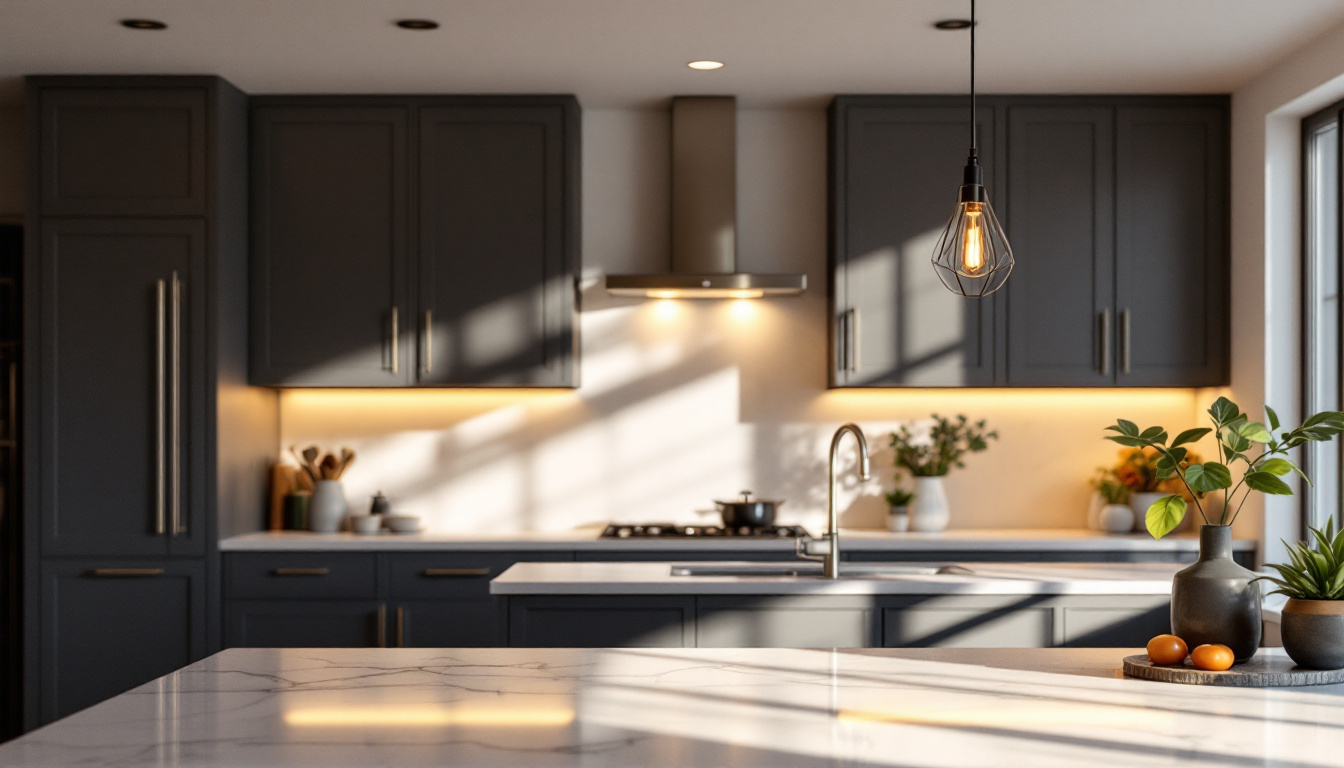
LED strip lights have become the go-to choice for undercabinet lighting due to their flexibility, energy efficiency, and long lifespan. These thin, adhesive-backed strips can be cut to size and installed in tight spaces, making them ideal for a variety of cabinet configurations. LEDs also offer a range of color temperatures, from warm white to cool daylight, allowing contractors to tailor the ambiance to the client’s preferences.
Moreover, LED strips generate minimal heat, which is crucial for safety and preserving the integrity of cabinetry materials. Their low power consumption aligns with growing environmental concerns and building codes emphasizing energy efficiency. For contractors, recommending LED strips can simplify installation and reduce callbacks related to lighting failures.
Puck Lights: Focused Illumination for Task Areas
Puck lights provide concentrated pools of light and are often used to highlight specific work areas or decorative elements beneath cabinets. They come in various forms, including LED and halogen, with LED options preferred for their energy savings and durability. Puck lights are particularly effective in kitchens where task lighting is essential for food preparation and cooking.
While puck lights can require more precise placement and wiring, they offer a customizable lighting effect that can enhance the overall design. Lighting contractors skilled in integrating puck lights into undercabinet setups can offer clients a blend of functionality and style that stands out.
Fluorescent Lights: A Traditional Option with Limitations
Though less common today, fluorescent undercabinet lights remain in use due to their affordability and brightness. However, they tend to be bulkier, emit more heat, and have shorter lifespans compared to LED alternatives. Additionally, fluorescent lights often require specialized ballasts, which can complicate installation and maintenance.
For contractors, it is generally advisable to steer clients toward LED solutions unless budget constraints or specific project requirements dictate otherwise. Understanding the limitations of fluorescent lighting helps contractors provide informed recommendations that balance cost and performance.
Key Features to Consider When Selecting Undercabinet Lighting
Color Temperature and CRI (Color Rendering Index)
Color temperature, measured in Kelvins (K), profoundly affects the mood and functionality of undercabinet lighting. Warm white light (2700K–3000K) creates a cozy atmosphere, while cooler temperatures (3500K–5000K) enhance visibility and modern aesthetics. Lighting contractors should assess the space’s purpose and client preferences to choose the optimal color temperature.
Equally important is the Color Rendering Index (CRI), which measures how accurately a light source reveals colors compared to natural light. A CRI of 80 or above is generally recommended for undercabinet lighting to ensure that surfaces, food, and objects appear vibrant and true to life. High CRI LEDs are increasingly available and should be prioritized to improve client satisfaction.
Brightness and Dimming Capabilities
Brightness, measured in lumens, must be sufficient to illuminate the workspace without causing glare or harsh shadows. Undercabinet lighting typically ranges from 300 to 800 lumens per fixture, with dimming options providing added control. Incorporating dimmable lighting solutions allows users to adjust illumination levels for different tasks or moods, enhancing usability and energy efficiency.
Lighting contractors should be familiar with compatible dimmer switches and control systems, including smart lighting technologies that offer remote or automated adjustments. This expertise can differentiate contractors by offering modern, user-friendly lighting solutions.
Power Source and Wiring Considerations
Undercabinet lighting can be powered through hardwired connections, plug-in adapters, or battery-operated units. Each option presents distinct advantages and challenges. Hardwired systems offer a clean, permanent installation but require more extensive electrical work. Plug-in lights are easier to install and ideal for retrofit projects but may result in visible cords. Battery-powered lights provide flexibility but require regular maintenance and are typically less bright.
Contractors must evaluate the project scope, client preferences, and local electrical codes to recommend the most appropriate power source. Proper planning and execution of wiring not only ensure safety but also contribute to a polished final appearance.
Installation Best Practices and Challenges
Preparing the Cabinet Surface and Layout Planning
Successful undercabinet lighting installation begins with thorough preparation. Cleaning and smoothing the cabinet underside ensures strong adhesion for strip lights and prevents premature failure. Accurate measurements and layout planning help avoid awkward shadows and ensure even light distribution.
Lighting contractors should consider the cabinet depth, height, and any obstructions such as handles or molding. Using templates or laser measuring tools can improve precision and reduce installation time. Communicating these details to clients can also manage expectations and highlight the contractor’s professionalism.
Securing Fixtures and Concealing Wiring
Properly securing lighting fixtures prevents sagging or detachment over time. LED strips often come with adhesive backing, but additional mounting clips or channels can enhance durability. Puck lights require precise drilling and mounting to avoid damaging cabinetry.
Concealing wiring is critical for aesthetics and safety. Contractors can route wires through cabinet interiors, behind walls, or within molding to maintain a clean look. Using wire covers or raceways is another effective method. Attention to detail in wiring concealment can significantly impact client satisfaction and referrals.
Testing and Troubleshooting
After installation, comprehensive testing ensures all fixtures function correctly and dimmers or controls respond as expected. Contractors should verify color consistency, brightness levels, and absence of flickering or buzzing. Identifying and resolving issues on-site prevents costly callbacks and builds trust.
Common troubleshooting steps include checking connections, replacing faulty drivers or switches, and adjusting fixture placement. Documenting the installation and providing clients with operational guidance further enhances the service experience.
Emerging Trends and Technologies in Undercabinet Lighting
Smart Lighting Integration
The rise of smart home technology has transformed undercabinet lighting from static fixtures to dynamic, customizable systems. Wi-Fi and Bluetooth-enabled lights allow users to control brightness, color temperature, and scheduling via smartphones or voice assistants. For lighting contractors, offering smart lighting solutions can open new revenue streams and appeal to tech-savvy clients.
Integration with home automation systems also supports energy savings and convenience, such as automatically turning lights on when a cabinet door opens. Staying current with smart lighting platforms and installation protocols is essential for contractors looking to maintain a competitive edge.
Human-Centric Lighting (HCL)
Human-centric lighting focuses on replicating natural light patterns to support circadian rhythms and improve well-being. Adjustable color temperatures that shift throughout the day can enhance comfort and productivity in kitchens and workspaces. Lighting contractors knowledgeable about HCL principles can advise clients on lighting schemes that promote health and satisfaction.
Implementing HCL requires selecting fixtures with tunable white LEDs and compatible controls. While still emerging, this trend is gaining traction in both residential and commercial projects, representing an opportunity for forward-thinking contractors.
Sustainable and Eco-Friendly Solutions
Environmental considerations are increasingly influencing lighting choices. Energy-efficient LEDs, recyclable materials, and low-impact manufacturing processes are becoming standard expectations. Lighting contractors can differentiate themselves by sourcing products with certifications such as ENERGY STAR or UL Environment.
Additionally, advising clients on lighting designs that minimize energy use without sacrificing performance aligns with broader sustainability goals and regulatory requirements. Demonstrating expertise in eco-friendly lighting solutions can enhance a contractor’s reputation and appeal to environmentally conscious customers.
Conclusion: Leveraging Undercabinet Lighting for Business Growth
For lighting contractors, excelling in undercabinet lighting installations offers more than just technical satisfaction—it is a strategic business advantage. By understanding the latest technologies, mastering installation best practices, and anticipating client needs, contractors can deliver exceptional value that sets them apart.
Incorporating energy-efficient LEDs, smart controls, and human-centric lighting concepts not only meets current market demands but also positions contractors as innovators. Attention to detail in fixture selection, wiring, and aesthetics enhances client trust and drives referrals. Ultimately, undercabinet lighting is a niche that, when executed expertly, can significantly boost a contractor’s portfolio and profitability.
Staying informed, investing in quality products, and prioritizing client education are key steps toward harnessing the full potential of undercabinet lighting. Lighting contractors who embrace these principles will find themselves well-equipped to thrive in a competitive industry.
Get Your Competitive Edge with LumenWholesale
Ready to elevate your undercabinet lighting projects and outshine the competition? LumenWholesale is your trusted partner, offering an exceptional range of spec-grade lighting products at unbeatable wholesale prices. Say goodbye to middleman markups and hello to superior quality that meets the highest industry standards. With our hassle-free bulk buying and free shipping, you’ll enjoy premium lighting solutions at the best value. Don’t compromise on quality or cost—choose LumenWholesale for the perfect fusion of affordability and performance. Wholesale Lighting at the Best Value is just a click away.