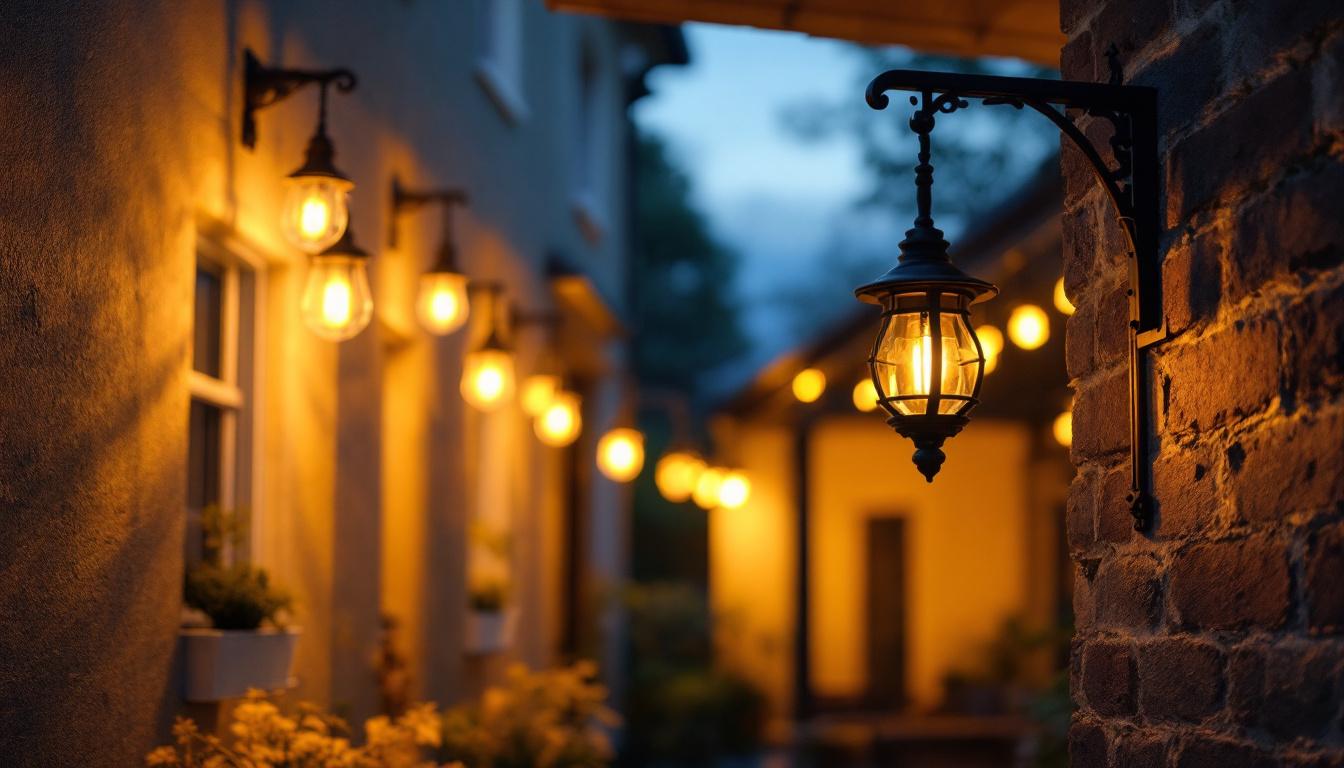
Understanding the Growing Demand for Solar-Powered Shed Lighting
Lighting contractors today are witnessing a significant shift in client preferences toward sustainable and energy-efficient solutions. Solar-powered lighting, particularly for outdoor applications like sheds, is becoming increasingly popular. This trend is driven by a combination of environmental awareness, cost savings, and advances in solar technology that make these systems more reliable and effective than ever before.
For lighting contractors, understanding the nuances of solar-powered shed lighting is essential. Unlike traditional wired lighting, solar solutions require a different approach to installation, maintenance, and client consultation. Contractors must be well-versed in solar panel specifications, battery capacity, light output, and weather resistance to recommend the best products and ensure client satisfaction.
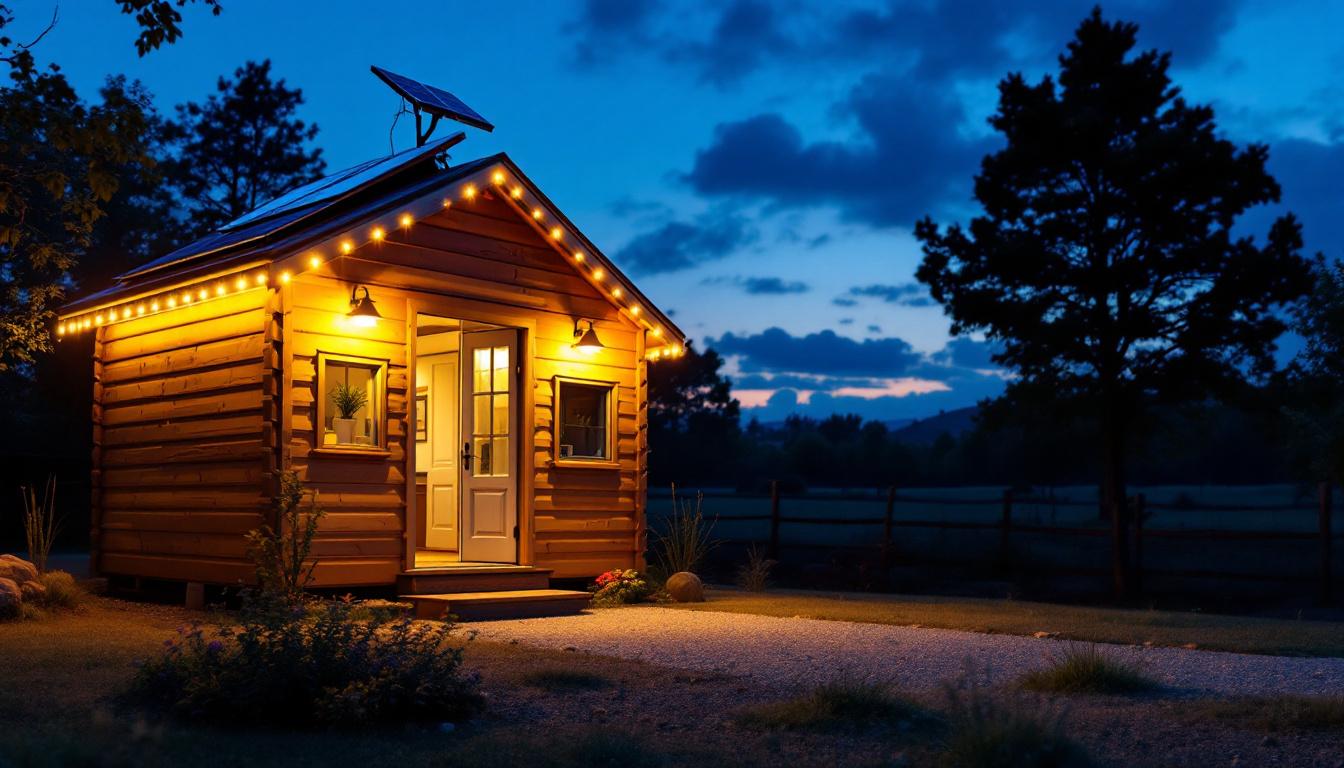
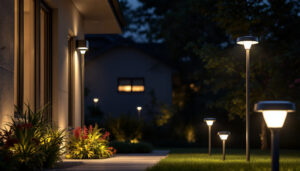
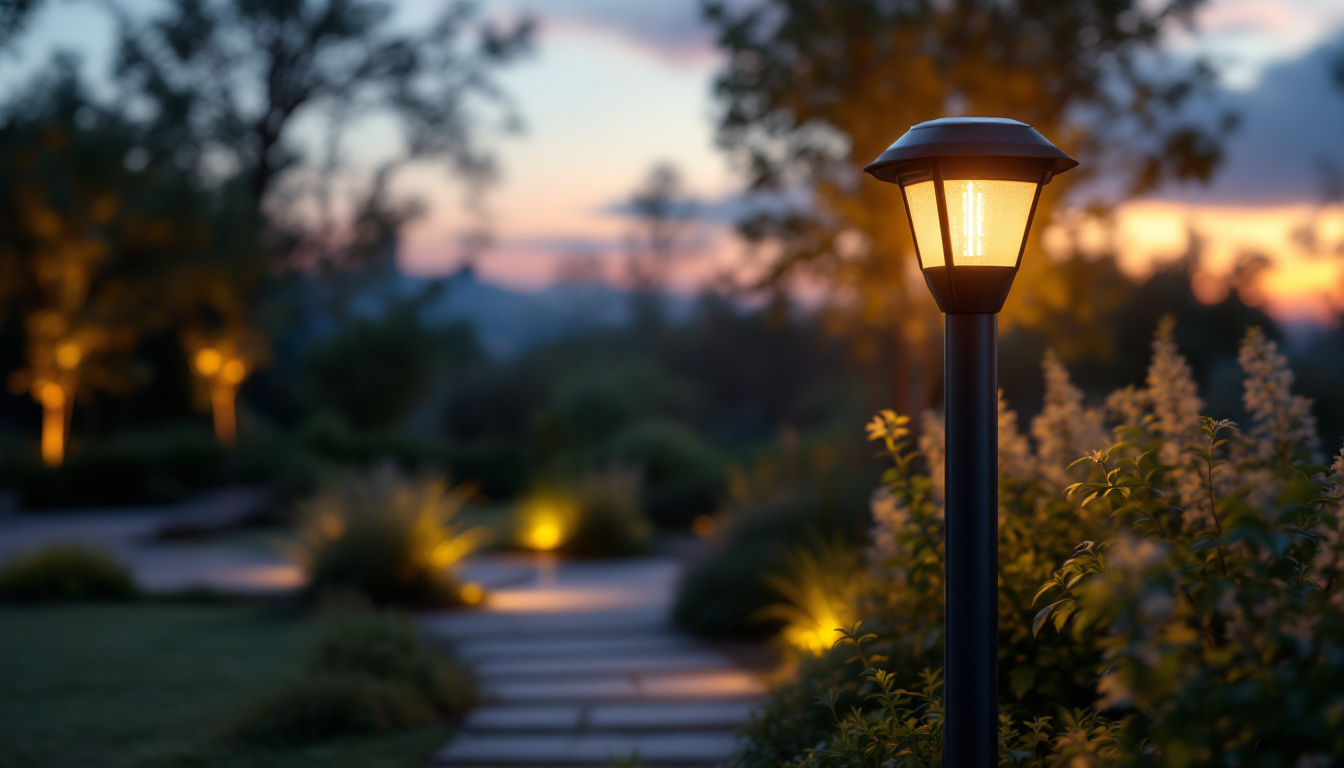
Moreover, the versatility of solar-powered lighting systems allows for creative applications beyond mere functionality. Many clients are now looking for aesthetic enhancements to their outdoor spaces, and solar lights can provide both illumination and ambiance. From decorative string lights to motion-sensor floodlights, the options available can transform a simple shed into a charming focal point in a garden or backyard. This versatility not only meets practical needs but also aligns with the growing trend of outdoor living, where people seek to extend their usable space into the outdoors.
Additionally, the environmental benefits of solar-powered lighting cannot be overstated. By harnessing renewable energy, these systems help reduce carbon footprints and reliance on fossil fuels. As more homeowners become conscious of their ecological impact, they are increasingly inclined to invest in solar solutions. This shift is further supported by government incentives and rebates aimed at promoting renewable energy adoption, making solar-powered lighting not just an eco-friendly choice but also a financially savvy one. For contractors, staying informed about these incentives can provide valuable insights to share with clients, enhancing the overall consultation experience and fostering long-term relationships built on shared values of sustainability.
Key Factors to Consider When Selecting Solar-Powered Lights for Sheds
Light Output and Brightness
One of the primary considerations for shed lighting is the level of illumination required. Sheds often serve multiple purposes—from storage to workshops—so the lighting must be bright enough to provide clear visibility without causing glare or excessive shadows. Lumens, the unit measuring light output, is a critical specification. For general shed lighting, a range of 300 to 800 lumens is typically sufficient, but contractors should tailor recommendations based on the shed’s size and usage. For instance, a shed used for intricate tasks like woodworking may benefit from higher lumens to ensure precision, while a storage shed may require less intensity. Additionally, the color temperature of the light, measured in Kelvins, can also affect how the space feels; warmer tones (around 2700K) create a cozy atmosphere, while cooler tones (5000K and above) mimic daylight, enhancing visibility for detailed work.
Solar Panel Efficiency and Placement
The effectiveness of solar-powered lights hinges on the quality and placement of the solar panel. Panels with higher efficiency ratings capture more sunlight, which translates into longer operating hours and brighter light. Contractors must evaluate the installation site to ensure the panel receives adequate direct sunlight throughout the day. Shaded areas, roof angles, and seasonal sun path changes all influence solar energy capture. It’s also important to consider the orientation of the solar panel; south-facing panels generally receive the most sunlight in the Northern Hemisphere. Furthermore, the use of adjustable mounts can allow for fine-tuning the angle of the panel to maximize exposure, especially during winter months when the sun is lower in the sky.
Battery Capacity and Type
Battery storage is a crucial component that determines how long the light can operate after sunset. Lithium-ion batteries are preferred for their longevity and fast charging capabilities, but sealed lead-acid batteries remain a cost-effective alternative for certain applications. Contractors should consider the battery’s capacity, typically measured in milliampere-hours (mAh) or watt-hours (Wh), to match the expected usage duration and frequency. Additionally, it’s worth noting that some advanced systems come equipped with smart technology that allows users to monitor battery levels via a smartphone app, providing insights into energy consumption and charging status. This feature can be particularly beneficial for users who rely on their sheds for regular activities, ensuring they never find themselves in the dark unexpectedly.
Durability and Weather Resistance
Sheds are exposed to various weather conditions, so solar lights must be robust and weatherproof. Look for products with an IP65 rating or higher, which indicates protection against dust and water jets. Materials such as anodized aluminum or high-grade plastic enhance durability. Additionally, contractors should verify that the lights can withstand temperature fluctuations common in outdoor environments. Some models are designed with UV-resistant coatings to prevent degradation from prolonged sun exposure, ensuring that the lights maintain their aesthetic appeal and functionality over time. Furthermore, considering the potential for extreme weather events, such as heavy rain or snow, selecting lights with reinforced construction can provide added peace of mind.
Installation Flexibility and Maintenance
Ease of installation is a significant advantage of solar-powered lights, but not all models offer the same flexibility. Some units are all-in-one, combining the solar panel and light in a single fixture, while others have separate components connected by wiring. Contractors should assess the site conditions and client preferences to select the most practical configuration. Maintenance requirements, such as battery replacement or panel cleaning, should also be factored into the recommendation. Regular maintenance can greatly extend the lifespan of the lights; for example, cleaning the solar panel periodically ensures optimal energy absorption. Additionally, some manufacturers provide user-friendly guides or online tutorials to assist with installation and upkeep, making it easier for clients to manage their solar lighting systems effectively.
Top Solar-Powered Lighting Technologies for Shed Applications
Integrated Solar LED Lights
Integrated solar LED lights combine the solar panel, battery, and LED light into one compact unit. These are ideal for small sheds or temporary installations where simplicity is key. Their all-in-one design minimizes wiring and reduces installation time, making them a favorite among contractors for quick projects. However, their battery capacity is often limited, so they may not be suitable for larger sheds or extended use.
Modular Solar Lighting Systems
For larger or more complex shed lighting needs, modular systems offer greater flexibility. These systems feature separate solar panels, batteries, and LED fixtures that can be strategically placed to optimize lighting coverage and solar energy collection. Modular setups allow contractors to customize the system based on the shed’s layout, user requirements, and environmental factors. They also facilitate easier upgrades and maintenance.
Motion-Sensor Solar Lights
Motion-sensor solar lights enhance security and energy efficiency by activating only when movement is detected. These are particularly useful for sheds used sporadically or located in areas prone to wildlife or intruders. Lighting contractors should ensure the sensor’s detection range and sensitivity align with the client’s security needs. Additionally, integrating motion sensors can extend battery life by reducing unnecessary illumination.
Installation Best Practices for Solar-Powered Shed Lights
Site Assessment and Planning
Before installation, conduct a thorough site assessment to identify the optimal solar panel placement and light fixture locations. Consider factors such as roof orientation, shading from trees or buildings, and potential obstructions. Accurate planning prevents common issues like insufficient charging or uneven lighting, which can compromise system performance and client satisfaction.
Proper Mounting Techniques
Secure mounting of solar panels and light fixtures is vital for durability and efficiency. Panels should be angled to maximize sun exposure, typically between 30 to 45 degrees depending on geographic location. Use corrosion-resistant hardware and ensure fixtures are firmly attached to withstand wind and weather. For sheds with metal or composite roofs, specialized mounting brackets may be necessary.
Wiring and Connectivity
For modular systems, proper wiring is essential to maintain system integrity and safety. Use weatherproof connectors and conduit where wiring is exposed. Ensure that cables are neatly routed to avoid damage and facilitate future maintenance. Lighting contractors should also verify that all electrical components comply with local codes and standards.
Testing and Client Education
After installation, test the system thoroughly to confirm proper operation, including charging, light activation, and sensor functionality if applicable. Educate clients on routine maintenance tasks such as cleaning solar panels, checking battery health, and troubleshooting common issues. Providing clear instructions enhances client confidence and reduces service calls.
Cost Considerations and ROI for Solar-Powered Shed Lighting
While the upfront cost of solar-powered lighting can be higher than traditional wired options, the long-term savings and environmental benefits are compelling. Lighting contractors should present clients with a clear cost-benefit analysis that includes:
- Elimination of electrical wiring and trenching expenses
- Reduced energy bills due to zero electricity consumption
- Minimal maintenance costs compared to conventional lighting
- Potential incentives or rebates for solar installations
Clients increasingly value sustainability, and solar lighting enhances property appeal and marketability. From a contractor’s perspective, offering solar solutions can differentiate services and open new revenue streams in a competitive market.
Emerging Trends and Innovations in Solar Shed Lighting
The solar lighting industry continues to evolve rapidly, with innovations that benefit lighting contractors and end-users alike. Some notable trends include:
Smart Solar Lighting Systems
Integration with smart home technologies allows solar lights to be controlled remotely via apps, enabling scheduling, dimming, and status monitoring. This added convenience appeals to tech-savvy clients and enhances system functionality.
Improved Battery Technologies
Advancements in battery chemistry, such as solid-state and enhanced lithium-ion variants, promise longer life spans, faster charging, and safer operation. Contractors should stay informed about these developments to recommend cutting-edge solutions.
Hybrid Solar Lighting Solutions
Hybrid systems combine solar power with other energy sources, such as grid electricity or wind, to ensure uninterrupted lighting even during extended cloudy periods. These systems provide reliability without sacrificing sustainability.
Conclusion: Empowering Lighting Contractors with Solar Expertise
Solar-powered lighting for sheds represents a dynamic and growing segment of the outdoor lighting market. For lighting contractors, mastering the technical, practical, and economic aspects of these systems is crucial to meeting client demands and advancing professional capabilities. By focusing on key factors such as light output, solar efficiency, battery capacity, and installation best practices, contractors can confidently recommend and implement solar solutions that deliver lasting value.
Staying abreast of emerging technologies and industry trends further positions contractors as trusted advisors in sustainable lighting. Ultimately, embracing solar-powered shed lighting not only supports environmental stewardship but also drives business growth in an increasingly eco-conscious marketplace.
Illuminate Your Projects with LumenWholesale
Ready to elevate your lighting projects with the best solar-powered solutions? Look no further than LumenWholesale, where we offer an extensive selection of spec-grade lighting products at unbeatable wholesale prices. Say goodbye to middleman markups and hello to superior, reliable lighting that meets the highest industry standards. With free shipping on bulk orders, you can stock up on high-performance lighting for your sheds and outdoor spaces without any hidden fees. Make the smart choice for quality, affordability, and convenience. Discover wholesale lighting at the best value today and light up your client’s world with confidence.