Choosing the Right Recessed Lighting for Every Project
Lighting contractors know that selecting the right recessed lights is crucial to the success of any installation. The choice isn’t just about aesthetics; it impacts energy efficiency, ease of installation, maintenance, and client satisfaction. With a wide variety of options on the market, understanding the key factors that differentiate one product from another can save time and avoid costly callbacks.
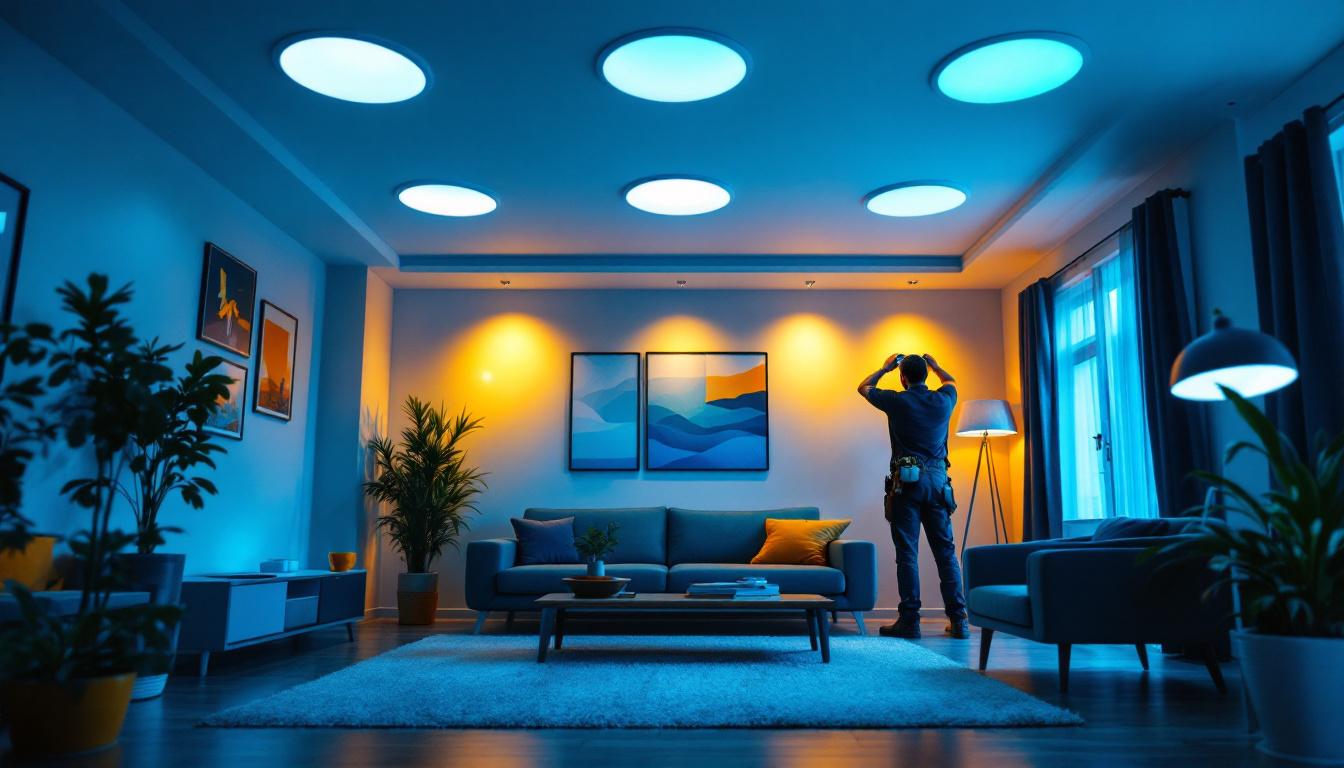
Start by considering the space where the recessed lights will be installed. Residential kitchens, commercial offices, and retail environments all have different lighting requirements. For instance, kitchens often demand bright, focused lighting with high color rendering to showcase food accurately, while offices benefit from softer, evenly distributed light to reduce eye strain. Additionally, retail environments may require adjustable lighting solutions to highlight specific products or displays, enhancing the shopping experience and encouraging customer engagement.
Another critical factor is the housing type. Remodel housings are designed for installations where the ceiling is already finished, while new construction housings are meant for open ceiling joists. Choosing the correct housing ensures a secure fit and compliance with building codes. Furthermore, understanding the insulation contact (IC) rating is vital; IC-rated housings can be installed in insulated ceilings without risk of overheating, which is essential for energy efficiency and safety in modern construction.
Understanding Light Output and Color Temperature
Lumens measure the brightness of a light source, and this metric is essential when selecting recessed lights. A typical 6-inch recessed LED light can produce anywhere from 600 to 1200 lumens. For ambient lighting, aim for around 20 lumens per square foot, but task lighting may require more intense illumination. It’s also worth noting that dimmable options can provide versatility, allowing users to adjust the brightness based on the time of day or activity, which can greatly enhance the functionality of a space.
Color temperature, measured in Kelvins (K), affects the mood and functionality of a space. Warm white (2700K-3000K) creates a cozy atmosphere, ideal for living rooms and bedrooms. Neutral white (3500K-4100K) works well in kitchens and offices, while cool white (5000K-6500K) is often used in commercial or industrial settings for a crisp, energizing effect. Moreover, the choice of color temperature can influence productivity and comfort; studies have shown that cooler temperatures can enhance alertness and focus, making them suitable for workspaces, while warmer tones can promote relaxation and social interaction in more casual settings. Understanding these nuances can help contractors tailor their lighting solutions to meet specific client needs effectively.
Energy Efficiency and Compliance: What Contractors Must Know
Energy codes and regulations are tightening across many regions, making it essential for lighting contractors to stay informed. LED recessed lights have become the standard due to their superior energy efficiency and longer lifespan compared to traditional incandescent or halogen bulbs. These advancements in lighting technology not only contribute to lower energy consumption but also align with the growing emphasis on sustainability in construction practices. As consumers become more environmentally conscious, the demand for energy-efficient solutions continues to rise, further solidifying the importance of LED lighting in modern projects.
Look for fixtures that are ENERGY STAR® certified. These products meet strict energy efficiency guidelines, which can help clients reduce electricity costs and qualify for rebates or incentives. Additionally, LED fixtures generate less heat, reducing cooling loads in conditioned spaces. This is particularly beneficial in warmer climates where air conditioning costs can significantly impact overall energy bills. By promoting the use of ENERGY STAR® certified products, contractors not only enhance the value of their services but also contribute to a more sustainable future.
IC-Rated and Airtight Fixtures
Insulation Contact (IC) rated recessed lights are designed to be installed in direct contact with ceiling insulation without risk of overheating. This rating is mandatory in many jurisdictions to prevent fire hazards and ensure safety. The installation of IC-rated fixtures can also facilitate better insulation practices, as they allow for a more seamless integration with insulation materials, thereby minimizing thermal bridging and improving the overall energy efficiency of the building envelope.
Airtight fixtures prevent air leakage between conditioned and unconditioned spaces, improving overall building energy performance. For contractors, specifying IC-rated, airtight recessed lights not only meets code requirements but also enhances client satisfaction by improving comfort and energy savings. Furthermore, the use of airtight fixtures can significantly reduce drafts and temperature fluctuations within a space, leading to a more stable indoor environment. This is particularly important in residential applications where comfort is paramount. As building codes evolve to prioritize energy efficiency, contractors who are knowledgeable about these specifications will be better positioned to deliver high-quality, compliant installations that meet the needs of their clients while promoting a greener future.
Installation Best Practices for Recessed Lighting
Proper installation is as important as selecting the right product. Lighting contractors should prioritize methods that reduce labor time while ensuring durability and performance. Here are some proven techniques and tips:
Pre-Planning and Layout
Before cutting holes, carefully plan the layout to avoid structural elements, plumbing, and wiring. Use laser measuring tools or layout templates to mark precise locations. Even spacing and alignment contribute significantly to the finished look.
Consider the beam angle of the fixtures. Narrow beam angles (15°-30°) create focused pools of light, perfect for accent lighting, while wider angles (60°-120°) provide general illumination. Mixing beam angles can add depth and dimension to a room. Additionally, take into account the height of the ceiling and the purpose of the room; for instance, in a kitchen, brighter, focused lighting may be necessary for task areas, while a living room might benefit from softer, ambient lighting.
Wiring and Connection Techniques
Use quick-connect wiring systems where possible. These reduce installation time and minimize wiring errors. Ensure all connections are secure and comply with local electrical codes.
For remodel installations, use retrofit housings that can be inserted into existing ceiling openings without major demolition. This approach saves time and reduces disruption for clients. When planning your wiring layout, consider implementing a dimmer switch for added versatility. Dimmers allow homeowners to adjust the light intensity according to their needs, enhancing the overall ambiance of the space.
Sealing and Insulation
After installation, seal around the fixture with fire-resistant caulk or foam to maintain the airtightness of the ceiling. This step is often overlooked but critical for energy efficiency and preventing drafts.
In addition to sealing, it’s essential to consider the insulation around the recessed lights. Using IC-rated (Insulation Contact) fixtures ensures that the lights can safely come into contact with insulation without the risk of overheating. This not only improves energy efficiency but also contributes to the longevity of the fixtures, as they are less likely to suffer damage from heat buildup. Furthermore, educating clients on the importance of these practices can lead to more satisfied customers and potentially more referrals, as they will appreciate the attention to detail and quality in their lighting installation.
Maintenance and Troubleshooting Tips
Lighting contractors often receive calls for flickering, dimming, or dead recessed lights. Understanding common issues and how to address them can improve service quality and client trust.
Common Causes of Flickering and Dimming
Flickering can result from loose wiring connections, incompatible dimmer switches, or voltage fluctuations. Always check that the dimmer switch is rated for LED fixtures. Using standard incandescent dimmers with LEDs often causes flickering.
Dimming issues may also arise if the LED driver is faulty or if the fixture is overheating. Ensure adequate ventilation around the fixture and verify that the LED driver matches the fixture specifications.
Replacing and Upgrading Fixtures
When replacing old recessed lights, consider upgrading to integrated LED fixtures. These units combine the light source and housing into one, simplifying installation and maintenance. They often come with adjustable color temperatures and dimming capabilities, offering clients more control.
Advise clients on routine cleaning to remove dust and debris, which can reduce light output and cause overheating. Use gentle cleaning methods to avoid damaging the fixture’s finish or lens.
Emerging Trends and Technologies in Recessed Lighting
Lighting technology continues to evolve, offering contractors new tools to enhance their work and satisfy client demands.
Smart Lighting Integration
Smart recessed lights allow users to control brightness, color temperature, and scheduling via smartphone apps or voice assistants. For contractors, offering smart lighting solutions can differentiate services and open new revenue streams.
When installing smart fixtures, ensure compatibility with existing home automation systems and advise clients on network security and privacy considerations.
Human-Centric Lighting
Human-centric lighting mimics natural daylight patterns to support circadian rhythms, improving occupant well-being and productivity. Fixtures with tunable white capabilities can shift color temperature throughout the day, from cool morning light to warm evening tones.
Incorporating these fixtures in offices, healthcare, and educational facilities can add value and meet growing client interest in wellness-oriented design.
Final Thoughts for Lighting Contractors
Mastering recessed lighting requires a blend of product knowledge, technical skill, and attention to detail. By selecting the right fixtures, adhering to energy and safety standards, and applying best installation practices, contractors can deliver exceptional results that stand the test of time.
Staying current with emerging technologies and trends ensures that your offerings remain competitive and aligned with client expectations. Whether working on a small residential remodel or a large commercial build-out, the right recessed lighting solutions make all the difference.
Illuminate Your Projects with LumenWholesale
Ready to elevate your lighting installations with the best recessed lights on the market? Look no further than LumenWholesale, where we provide lighting contractors with high-quality, spec-grade lighting solutions at unbeatable wholesale prices. Our extensive selection is designed to meet the highest industry standards, ensuring reliability and performance for every project. Plus, with free shipping on bulk orders, you can enjoy premium lighting at the best value — without any hidden fees. Make the smart choice for your business and explore our wholesale lighting options today, where quality, affordability, and convenience come together seamlessly.